
- General description of the culture
- Appearance and size of the tree
- Flowering and pollination
- Fruiting
- Pros and cons of growing at home
- How to plant a tangerine tree at home
- What will be required?
- Capacity
- Specialized soil
- Planting material
- Preparation of planting material
- Seeds
- cuttings
- Timing and technological process
- We create optimal conditions for germination and rooting
- Where to place a pot with a tangerine tree
- Temperature conditions
- Humidity and lighting
- How to care for a tangerine tree
- Watering mode
- What to fertilize with?
- Crown formation
- Transfer
- Preparing for the winter period
- Diseases and pests: protection and prevention
- Graft
- Selecting scion and rootstock
- How to graft a mandarin
- Into the cleft
- Under the bark
- Budding
- Methods of reproduction
- What problems arise when growing citrus: ways to solve them
Growing a mandarin orange at home is entirely possible. To ensure the plant develops normally and produces a bountiful harvest, it's recommended to select the right planting material and carefully carry out all planting procedures. Subsequently, it's important to provide the plant with high-quality and comprehensive care. This should include timely watering, fertilizing, and crown shaping.
General description of the culture
With proper care, this ornamental plant can produce a harvest. To succeed in growing this crop, it's worth familiarizing yourself with its key characteristics.
Appearance and size of the tree
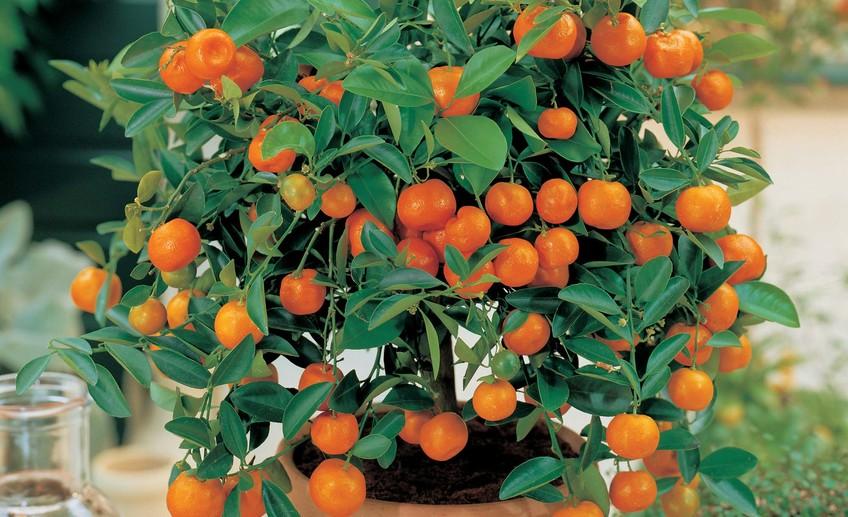
Growing a mandarin orange tree indoors can produce a smaller tree than one grown in the wild. A dwarf plant grows no more than 1.5-2 meters tall. The seedling is very attractive, characterized by strong branches bearing dense, small leaves. These can be ovoid or elliptical in shape and dark green in color.
Flowering and pollination
The plant produces single or paired inflorescences that are distinguished by a distinct aroma. The petals are white and are located in the leaf axils. Pollination is not required; the plant produces fruit naturally.
Fruiting
Mandarin oranges contain numerous seeds. The outer surface is covered with a peel that easily separates from the flesh. The fruits are flattened from top to bottom and range from 4 to 15 centimeters in diameter. The flesh is yellow-orange in color and contains numerous spindle-shaped hairs.
Pros and cons of growing at home
Growing tangerines at home has many advantages:
- the plant is considered unpretentious and hardy;
- Mandarin has excellent decorative properties and serves as a real decoration for any interior;
- the tree is covered with many leaves and exudes a pleasant aroma;
- culture helps to cope with depressive states and general weakness;
- the plant does not require any specific care;
- A tree can be grown from a seed.

How to plant a tangerine tree at home
When planting a mandarin tree at home, there are many important considerations. By strictly following all the rules, you'll be sure to grow a strong, vigorous plant.
What will be required?
First, you need to prepare everything you need for planting. This will require a special substrate, a pot, and planting material.
Capacity
At the initial stage of plant growth, any size container can be used—even a regular plastic cup. Subsequently, the mandarin tree can be grown in a pot up to 4 liters in size. Before filling the container with soil, it's a good idea to place a drainage layer at the bottom. This layer can consist of crushed nutshells or small stones.

Specialized soil
Mandarin trees don't thrive in acidic soil. Therefore, before purchasing soil, make sure it's peat-free. When preparing the soil yourself, choose a lightweight, well-drained soil. This could be a mixture of turf, sand, or leaf mold.
Planting material
Mandarins are most often grown from seeds. To do this, buy ripe fruits and remove the seeds. It's best to use at least 5-6 seeds, as not all of them germinate. Mandarin trees can also be grown from cuttings.
Preparation of planting material
To achieve success in growing a crop, it is worth paying attention to the preparation of planting material.

Seeds
To grow a mandarin orange from seeds, the seedlings should be thoroughly washed and placed on a flat surface. Once the seeds are completely dry, it's time to begin preparing them for planting.
To do this, soak the seeds. It's recommended to use a clean, damp cotton cloth, wrap the seeds in it, and leave for 2 days. Do not soak the cloth in water.
It's important to keep the cloth constantly moist. It shouldn't dry out completely, otherwise the seeds won't germinate.
An alternative is hydrogel. This product can replace a damp cloth. To perform this procedure, it's recommended to mix the powder with water to form a gel. Place the seeds in this gel. For several days, you won't have to worry about the planting material drying out.
Take a look Also

cuttings
Propagating citrus plants from cuttings is much easier than growing them from seeds. To do this, you should prepare a healthy shoot containing 1-2 leaves.

After which it is recommended to do the following:
- Take a plastic pot with drainage holes and place the cutting in it. Cover the top of the pot with a glass jar.
- The plant will take root only after 2-3 months. During this period, it should not be repotted or sprayed.
- As the mandarin tree grows, it can be moved to a larger pot. The trunk should be 1 centimeter thick.
Timing and technological process
Mandarin trees can be planted at any time of year. However, it's important to provide them with adequate temperature and humidity. When planting, place a drainage layer no thicker than 5 centimeters in the container and fill it with moistened soil. It's recommended to plant the seeds immediately after removing them from the fruit. Don't allow them to dry out.
The timing of sprout emergence depends on the plant variety and external factors. Seedlings typically begin to develop within one month of planting. Covering the container with seeds with plastic wrap is not recommended. Mandarins grown in such conditions will require additional acclimation to room temperature.

We create optimal conditions for germination and rooting
To root a cutting or germinate seeds, it's important to ensure the correct temperature, humidity, and light conditions. Growing a mandarin orange indoors is quite challenging. This process requires a number of requirements.
Where to place a pot with a tangerine tree
Place the pot on a sunny windowsill. Ideally, the plant should receive sunlight during the first half of the day. A south- or east-facing window is ideal for growing this plant. A southeast-facing window is also acceptable. If placed on a south-facing window, it should be shaded during peak sun hours.
Temperature conditions
The ideal temperature for a mandarin is 20 degrees Celsius. Higher temperatures won't harm the plant. If the pot is located on a windowsill, it's important to insulate the windows.
Humidity and lighting
Once the shoots begin to develop, they should receive at least 12 hours of daylight. When growing indoors in winter, it's recommended to use phytolamps. It's recommended to moisten the soil with plain boiled water without any additives.
How to care for a tangerine tree
To ensure a good harvest, a grown mandarin tree requires proper and high-quality care.
Watering mode
It is recommended to water the tree regularly, preventing the soil in the pot from becoming too dry. However, avoid over-watering the soil. Water after the top layer of soil has dried out. If the soil remains damp, do not water the plant. Over-watering the soil can promote fungal diseases.
For watering, use warm, settled water. Its temperature should be 35 degrees Celsius.

Citrus plants require daily misting. This is especially important in rooms with warm, dry air. In winter, humidifiers can help increase humidity. Placing a container filled with water near the pot is also acceptable.
What to fertilize with?
In the spring, when the growing season begins, it's recommended to begin fertilizing the mandarin tree. Twice a month in spring and summer, apply a special fertilizer for citrus plants. Dilute it according to the instructions and pour the solution into moist soil.
Florists sell organic and mineral fertilizers designed for citrus plants. To properly feed the plant, apply them alternately.
Crown formation
The mandarin tree requires crown shaping. To do this, pinch the top of the bush when it's 30-40 centimeters tall. This will encourage the growth of primary branches.
Take a look Also


Flowering and fruiting begin on shoots of the fourth or fifth order. Therefore, after the fourth leaf, they should be pruned. This method takes 3-4 years to form mandarin trees. Sanitary pruning is performed in the spring and fall. It is recommended to remove weakened and broken branches.
When flowering begins, it's best to leave only a few inflorescences on the tree. This will help ensure delicious fruit with a distinct aroma. If you neglect this stage, all the plant's energy will be devoted to flowering. In this case, the fruit may not form or will be too small.
Transfer
As the plant develops, it should be repotted into a new, more spacious pot. Young plants should be repotted annually, while fruiting plants should be repotted every 2-3 years. When choosing a container, keep in mind that the new pot should be 4-5 centimeters larger than the previous one. Old and large trees should not be repotted. However, each spring, remove the old soil layer and add new nutrient-rich substrate.

Citrus fruit soil mix is available in specialty stores. It's also easy to make your own. For young trees, a mixture based on humus, sand, leaf mold, and turf is ideal. Mix the ingredients in a 1:1:1:2 ratio. Mature trees should be transplanted into a mixture of 3 parts turf and 1 part each of the other ingredients.
Preparing for the winter period
In winter, the mandarin tree requires a period of dormancy. To achieve this, the plant should be kept at a cooler temperature—10-12 degrees Celsius. Reduce the frequency of watering. It's important to allow the soil to dry out slightly.
Diseases and pests: protection and prevention
The main pests of mandarins include spider mites, thrips, and aphids. The plant also suffers from scale insects. If pests are identified early and measures taken to eradicate them, there will be no negative consequences.

As a preventative measure, plants should be carefully inspected each time they are watered. It's recommended to examine the leaves from both sides. If the tree has been damaged by pests, it's recommended to rinse it in the shower and treat it with a saline solution. To prepare this solution, use 80 grams of salt per liter of water.
If spider mite attacks occur during dry air, it's worth spraying the plant more frequently. You can also increase the indoor humidity. If these methods don't help, you'll need to resort to chemicals. Actellic or Karbofos are suitable for this purpose. Use 15 drops of the product per liter of water.
Plant problems include leaf drop and yellowing, drying branches, and weakened roots. Foliage drop occurs due to insufficient or excessive moisture. To restore the plant to normal health, it's important to adjust the watering schedule. Root death and drying branches are usually caused by mineral deficiencies. Fertilizing the mandarin tree every 2-3 weeks will help prevent such problems.
Graft
When growing a seed from a seed, grafting is recommended. If this procedure is neglected, the fruits will be sour and inedible.

Selecting scion and rootstock
It is recommended to perform the procedure two years after planting. By this time, the scion trunk should be approximately 6 millimeters thick. Grafting can be performed using various methods. It is important to select high-quality rootstock.
How to graft a mandarin
To ensure a mandarin tree produces high-quality fruit, it's important to perform the grafting procedure correctly. If done correctly, the plant will reward you with large, tasty fruits.
Into the cleft
Even a novice can graft a plant using this method. The procedure is performed on mature trunks aged 3 years. A cutting of the selected variety with 2-4 buds should be cut at an angle on both sides. This will create a wedge shape. The cuts should be 3-4 centimeters long.
After this, it is recommended to split the trunk into two halves. The split should be 5 centimeters deep. It is recommended to position the scion so that its cambium touches the cambium of the scion on one side.
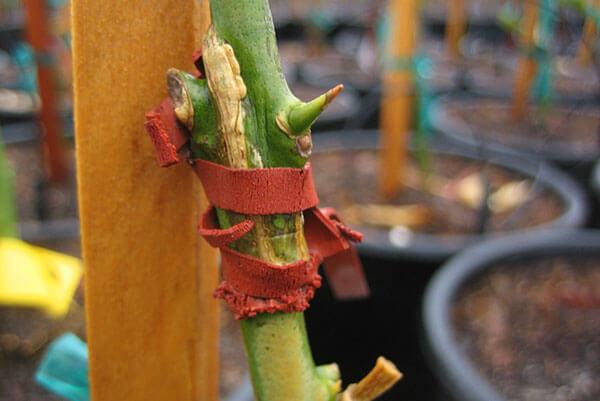
The trunk is then wrapped in cloth or tape and treated with garden pitch. The tree should be placed in a greenhouse made of plastic or a bottle to speed up the rooting process.
Under the bark
Properly grafting a mandarin tree using this method requires a certain amount of skill. This method is considered more complex. First, you need to make a 3-centimeter-long cut in the bark. Then, carefully separate the bark from the trunk. It is recommended to cut the scion at an angle and place it under the bark of the rootstock. Secure it with electrical tape and treat it with garden pitch.
For successful completion of this procedure, it is recommended to use 3-4 cuttings, maintaining a distance of 2-3 centimeters. After the procedure, it is advisable to create a greenhouse.
Budding
This method involves using a cutting with one bud. To perform the procedure, follow these steps:
- Wipe the tree trunk with a damp sponge 10 centimeters from the soil surface.
- Separate the bud with a piece of wood from the cutting.
- Make a T-shaped cut at the base of the trunk. The cut should be 2.5 centimeters high and 1 centimeter wide.
- Carefully widen the cut, place a bud with wood in it and cover with bark.
- Wrap with tape and garden pitch. The bud should remain free.
- Place the tangerine in a greenhouse made of film or a bottle.

Methods of reproduction
Mandarin oranges can be propagated from seeds or by cuttings. Seed propagation is considered the simplest option. However, the resulting plants are not as beautiful as those grown using other methods. Mandarin orange trees grown from seeds grow a maximum of 40 centimeters. They are characterized by weak flowering and few fruits. The most effective and proven method is air layering. To perform this procedure, follow these steps:
- Select a branch with high-quality lateral shoots.
- Peel off 1 cm of bark from it.
- Wrap the cut area with moss and film. Secure with wire.
- After 2 months you can expect the first roots to appear.
- The petiole should be cut below the root area and the plant should be moved to a new container.

What problems arise when growing citrus: ways to solve them
A common problem when growing mandarin trees is yellowing and leaf drop. There can be many causes for this. Mature trees shed their leaves due to old age. However, the tree appears healthy and continues to grow.
Mandarin tree desiccation is often caused by insufficient light. In this case, it's worth moving the tree closer to a window or providing additional lighting.
The following factors lead to leaf fall:
- increased dryness of the air – this is observed in the absence of regular irrigation;
- Incorrect replanting – the reason is that the container is too large or the root collar is too deep;
- drafts – the influence of this factor also creates various difficulties.
If the soil is constantly overwatered, the plant's lower leaves dry out and fall off. The leaves begin to dry out, starting from the tips. The problem is often caused by over-nurturing or transplanting the plant into an overly large pot. In this situation, simply repot the plant into an appropriately sized pot filled with loose, breathable soil. It's best to remove any rotted roots.
If yellowing of leaves begins at the bottom and gradually spreads upward, this indicates a nitrogen deficiency. In this case, it's worth applying a nitrogen-rich fertilizer.If young leaves turn light yellow and the problem gradually affects older foliage, this indicates the development of chlorosis. In this case, the plant should be treated with iron chelate. If leaves are falling without an obvious cause, potassium nitrate should be added to the soil.
Growing a mandarin orange at home isn't all that difficult. It's recommended to choose the right planting material and strictly follow the care recommendations. These include optimal watering, crown formation, and protection from diseases and pests. Timely nutrient application is also crucial.
Related posts:
 Methods for planting and propagating cherries at home
 Description and cultivation of the 15 best cherry plum varieties for the Moscow region, planting and care rules
 Peach tree care and agricultural secrets, pest control
 Rules for growing and caring for citrus fruits at home from seeds, fertilizers
 How to plant walnuts, care for them, and grow them at home
 Descriptions of the 20 best cherry varieties for the Moscow region, their planting and care
 Growing and caring for hazelnuts in open ground, rules for planting hazelnuts
 Rules for planting and caring for pears in open ground, how to grow them correctly