
- Peach Tree Care Requirements
- Irrigation
- Loosening and weeding
- Caring for the tree trunk circle
- Pruning and shaping
- Regional features
- Seasonal watering features
- How to feed
- Mineral fertilizers
- Organics
- When and how to feed
- Spring
- In summer
- In the fall
- Rules and recommendations for transplantation
- In which regions is mulching necessary?
- Disease and pest prevention
- Curly hair
- Moniliosis
- Powdery mildew
- Aphid
- Weevils
- Clusterosporiasis
- Plum codling moth
- Scale insect
- Protection from sunburn
- How to protect against rodents
- Common mistakes
Proper peach tree care allows for good results. Timely fertilization, proper soil moisture, loosening, and weeding ensure the tree's normal development and a bountiful harvest. It's also important to strictly follow all agricultural recommendations and provide the crop with reliable protection from diseases and pests.
Peach Tree Care Requirements
For the crop to thrive and produce a bountiful harvest, it requires high-quality care. This care must be comprehensive.
Irrigation
The frequency of watering depends directly on the weather. On average, early-ripening varieties should be watered 2-3 times per season. Later-ripening varieties require 5-6 waterings. Pour 2-5 buckets of water under the tree at a time. This should be done early in the morning or late in the evening.
Loosening and weeding
Regularly loosening the soil increases air access. This simple procedure breaks up the soil crust and destroys the root system of weeds, which are a source of infections and pests. Frequent loosening helps reduce moisture evaporation and improves its absorption.
Caring for the tree trunk circle
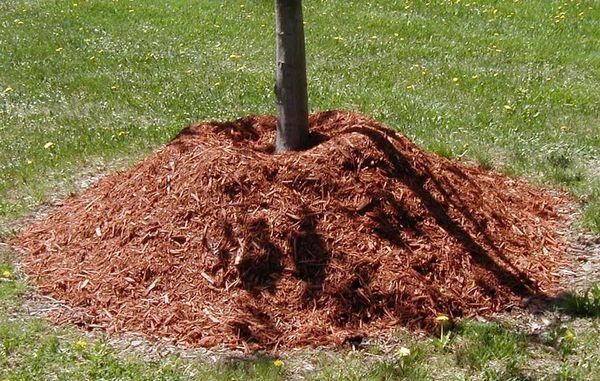
To prevent the soil at the base of the tree from drying out and reduce the need for watering, mulching the area around the tree's trunk is recommended. Peat or straw are excellent options. The mulch layer should be 3-4 centimeters thick.
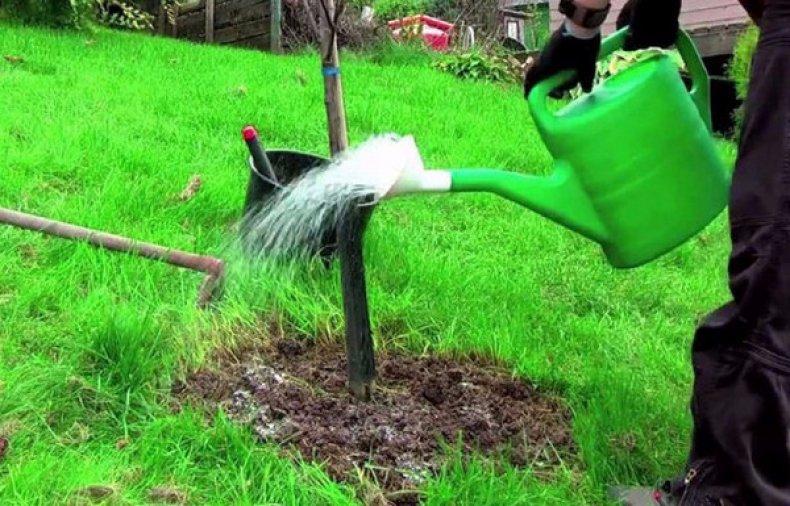
Mulch should not be placed close to the trunk, as this will cause the bark to rot and weaken the tree's immunity.
Pruning and shaping
It's recommended to prune peach trees for the first time in the spring. This should be done before the sap begins to actively flow. Before flowering, it's a good idea to prune branches damaged by frost or winter damage.
Particular attention should be paid to crown formation. It's important that it doesn't grow too much.
Pruning not only makes the tree more attractive but also helps achieve a balance between the roots and trunk. The crown is typically shaped into a bowl. It's important to ensure the branches don't become too dense, as this will create problems with harvesting and will result in insufficient sunlight reaching the fruit.
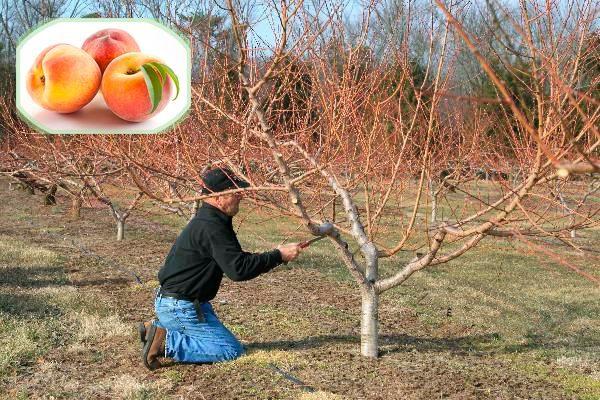
Additionally, pruning should be done in the fall. This includes cutting off any branches that were damaged during harvesting.
Regional features
At growing peaches in central Russia During the flowering period, it's a good idea to cover the crown with spunbond. This will help protect the plant from subsequent frosts. Otherwise, there's a risk of damaging many flower stalks. It's a good idea to make holes in the covering material to allow pollinating insects to enter. In the Volga region, only zoned varieties should be planted, as this region is prone to cold winds.
In the spring, it is worth paying attention to watering, as this area may experience early drought.
In the Urals and Siberia, nitrogen fertilizers are applied only in the spring. Applying them after harvesting can lead to problems with shoot maturation, significantly weakening the tree's immune system over the winter.
Seasonal watering features
The frequency of watering depends on the climate. The tree should be watered for the first time in early June. If the area experienced a snowless winter and there was little rainfall in the spring, it's best to water the soil in late May.
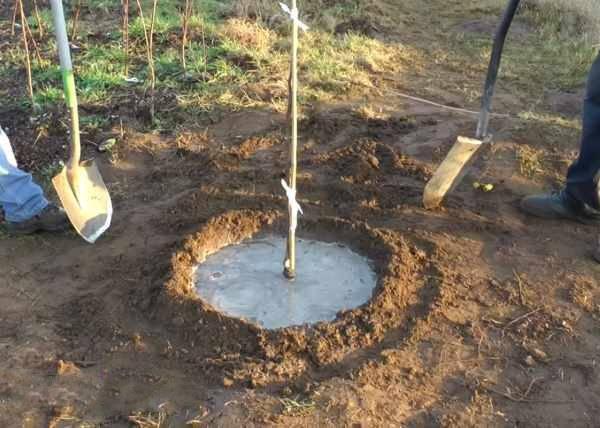
The second watering is done in early July. This should be done during the fruit ripening period. The next watering is done in early August. It's important to moisten the soil to the root depth, which is 60-70 centimeters. Watering is essential during the fruiting period. This is recommended 3-4 weeks before harvest. This will help the fruit increase in size.
A tree will require 30-60 liters of water per square meter of area around its trunk. The exact amount depends on the age of the plant.
Afterwards, watering the soil is prohibited until harvest. Otherwise, the fruits will become watery and lose their sugar content. Pre-winter watering is considered an essential part of tree care. It helps saturate the soil with moisture and increases the tree's winter hardiness. In this case, 90-100 liters of water per square meter is recommended.
Take a look Also
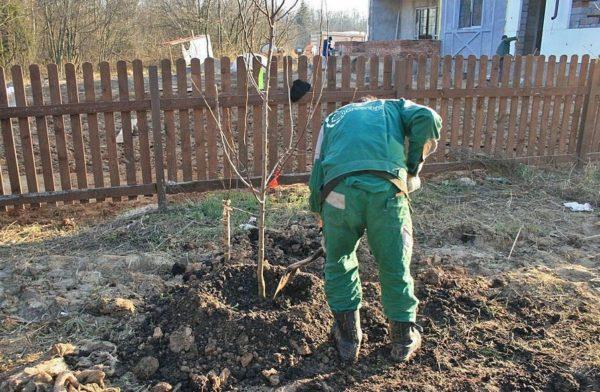
How to feed
To ensure proper growth, the tree needs to be fertilized periodically. It's important to apply the fertilizer correctly.
Mineral fertilizers
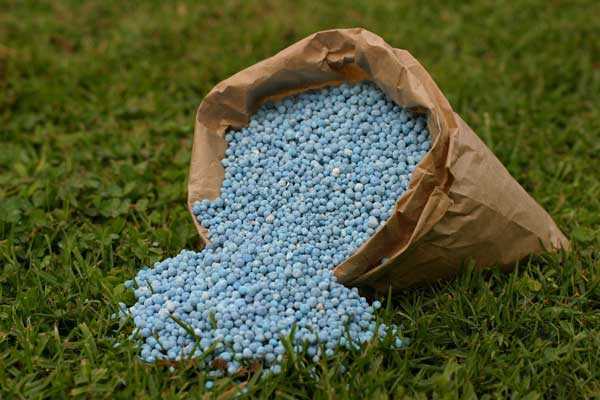
Fertilizing peach trees with mineral fertilizers is very popular. It has an excellent effect on the plant. It is generally recommended to apply such fertilizers annually. They act quickly and have a moderate concentration, as they are applied as a solution.
Organics
Every year in the fall, 3-4 buckets of manure should be applied under a mature tree. For young trees, 1-2 buckets is sufficient. Fertilizing is usually done every 3-4 years. Sometimes gardeners apply organic fertilizers annually. However, in this case, they should be applied in small doses.
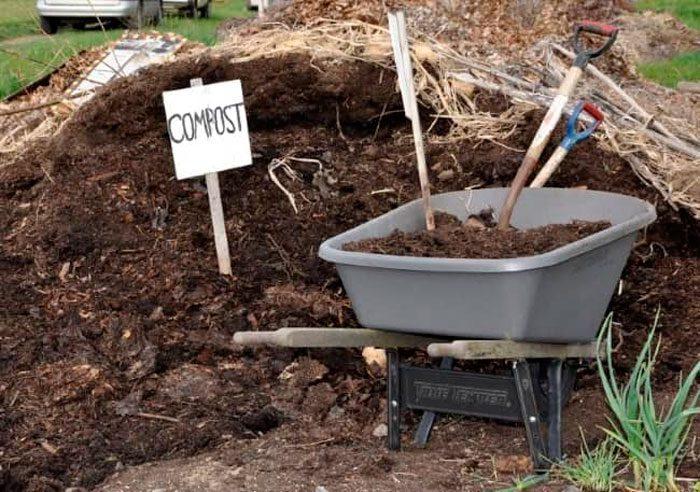
When and how to feed
When choosing fertilizer for a peach tree, it's important to consider seasonal factors. This will ensure the tree's full development.
Spring
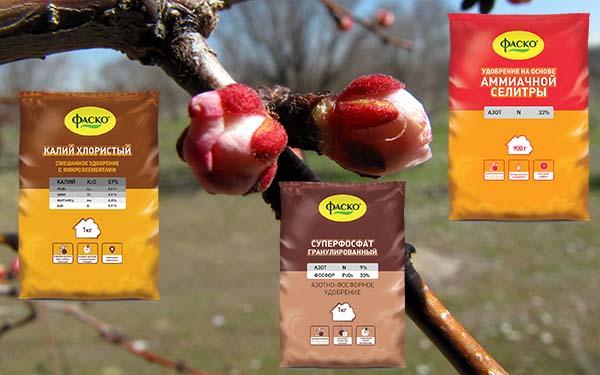
Fertilizing peach trees in the spring is recommended to stimulate growth. During this period, the tree requires nitrogen. Semi-rotted manure should be added to the tree's trunk area. Nitrogen solutions can also be used at a rate of approximately 10 grams per square meter.
Combined mineral fertilizers are also acceptable. Potassium fertilizers are permitted before fruit formation. These should be applied in liquid form.
In summer
During the summer, it's advisable to use foliar feeding for peach trees. Before harvesting, it's recommended to apply fertilizer 2-3 times—in July and August. This improves the quality of the fruit, making them sweeter and larger.
In the fall
In the fall, foliar and root feeding can be performed. Experts most often recommend adding phosphorus and potassium to the soil. Wood ash is also permitted.
During this period, using nitrogen-containing fertilizers is strictly prohibited. The tree will not enter dormancy in a timely manner and may die. Sometimes gardeners fertilize the soil with manure. It is important to ensure that it is well-rotted.
Rules and recommendations for transplantation
When replanting a tree, it's important to consider key aspects of the process. Peach trees require open, sunny locations and cannot tolerate shade. Therefore, it's important to consider this when choosing a new location.
It is recommended to replant the tree before the growing season begins. The procedure is performed from mid-March to early April.
Thanks to this, the tree will have time to quickly adapt to the new conditions, and its growing season will begin on time.
In spring, the soil is typically moist, making it easier for the tree to transplant. It's important to remember that peach trees no older than three years can be replanted. To facilitate rooting and stimulate growth, be sure to water the soil with a Kornevin solution. To prepare it, use 5 grams of the solution per 5 liters of water.
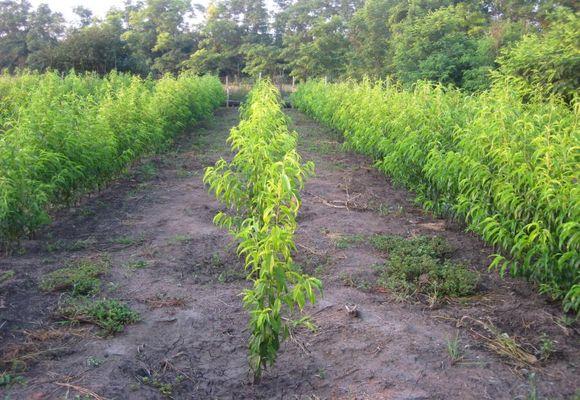
Pruning the peach tree's lateral shoots is also important. They should be trimmed by a third of their length. This will help balance the crown and root system.
In which regions is mulching necessary?
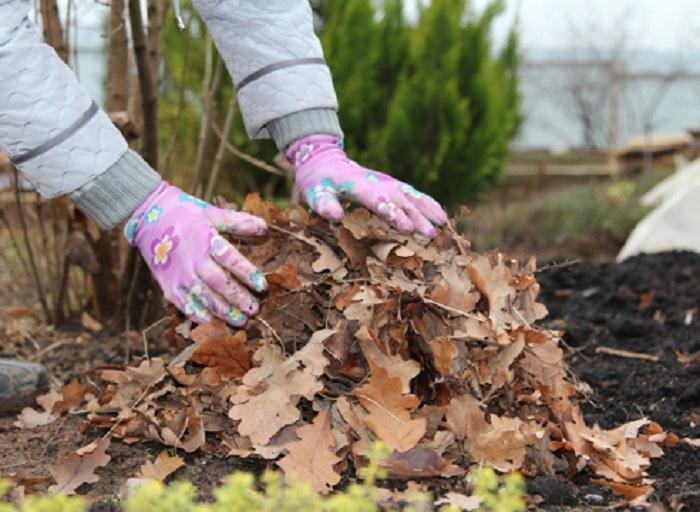
Mulching the soil around a tree is recommended in all regions. In colder areas, this procedure is a mandatory part of winter preparation, and in warmer areas, it helps prevent moisture loss.
Experts recommend using peat or straw as a mulch. This layer should be 3-4 centimeters thick. It's important not to place the mulch right up against the tree trunk, as this will harm the tree.
Disease and pest prevention
Peach trees can be susceptible to a wide variety of diseases and insect attacks. To avoid crop failure and reduced yield, it's important to take timely measures.
Curly hair
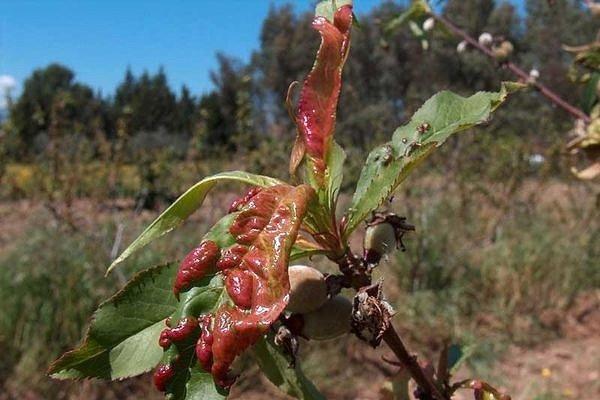
Leaf curl is considered a very dangerous disease for peach trees. This condition most often develops during prolonged and wet springs. It is characterized by the appearance of light red swellings on the leaf surface. Additionally, the leaves take on a wavy and uneven surface.
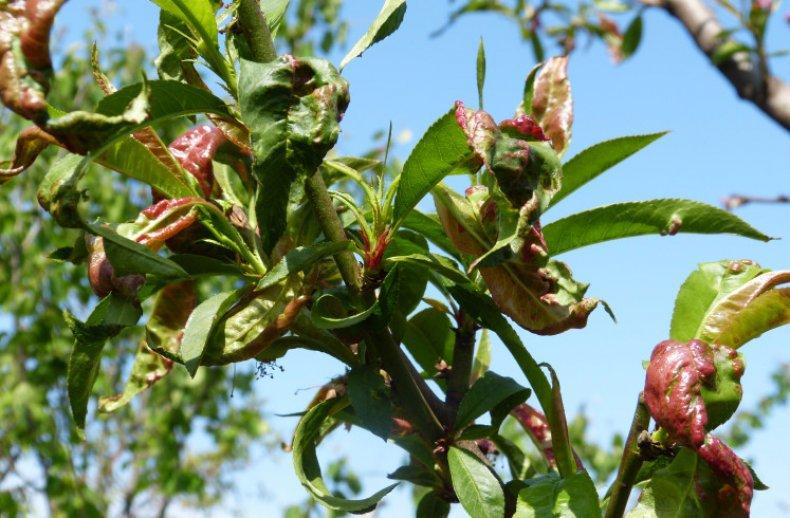
Gradually, the swellings swell, and a white coating forms on the underside of the leaves. After some time, the leaves turn brown and fall off. The stems gradually become bare, resembling a lion's tail.
The shoots become deformed, thickened, and turn yellow. If prompt intervention is not taken, the tree will begin to lag in development, leading to its death.
If the tree is infected with leaf curl, it is recommended to spray it with copper oxychloride or Meteor. This treatment should be carried out after the entire harvest has been collected and the leaves have begun to fall. A similar procedure should be performed in early spring and during the formation of pink buds. Instead of copper-containing compounds, use Skor or Horus. Infected shoots and leaves should be pruned and burned before sporulation begins.
Moniliosis
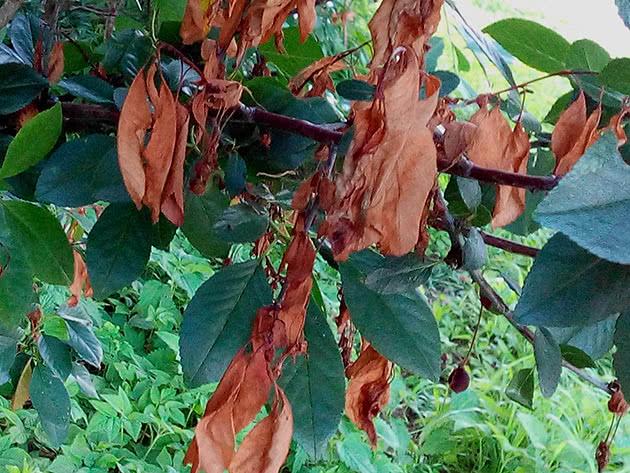
Peach trees often suffer from moniliosis. Affected plants experience stem and branch wilt. The fruit becomes covered with dark spots that gradually increase in size. The flesh of affected fruits turns brown.
Rotten fruits become wrinkled and die, which can lead to infection.
As the disease progresses, the plant requires three treatments. Before pink buds begin to appear, it's recommended to apply Horus. The second treatment should be Topaz. This should be done after flowering has completed.
The third treatment is carried out two weeks after the second spraying. Topsin is recommended for this purpose. Infected areas must be cut off and burned.
Powdery mildew
As powdery mildew develops, a white, felt-like coating appears on leaves, fruits, and shoots. Branches change shape, lag in development, and partially die. The first symptoms of the disease appear from late April to the second half of May. The disease reaches its peak in hot weather.
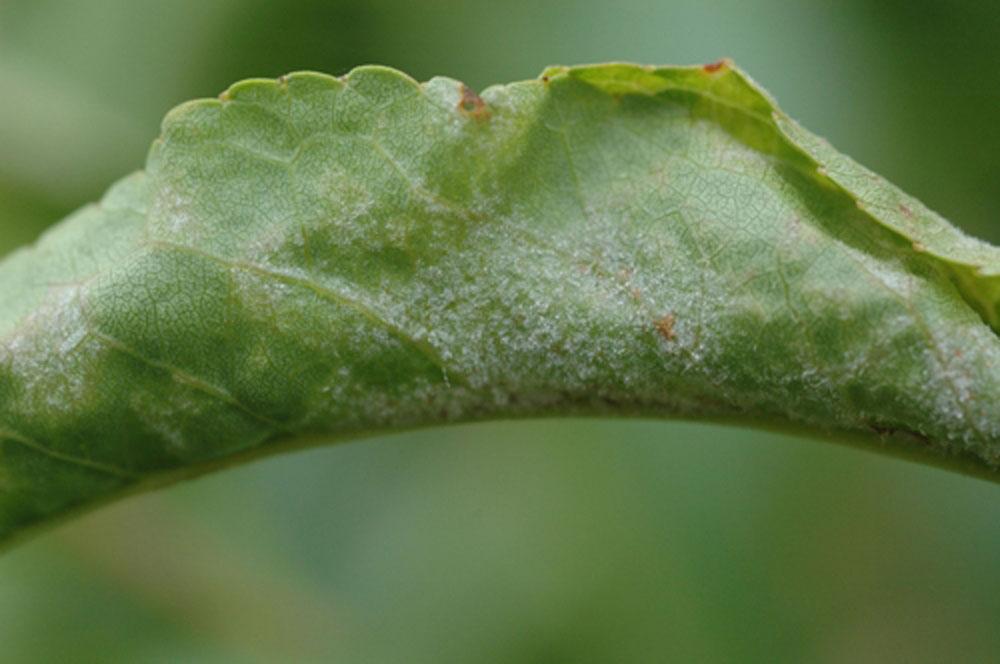
To protect the plant from powdery mildew, it is recommended to treat it at the end of flowering. Spray with Vectra, Skor, or Topsin. Topaz or Strobi can also be used. As a preventative measure, prune and destroy affected stems in the spring and fall. Fallen fruit and leaves should also be collected and burned. The soil around the trunk should be tilled.
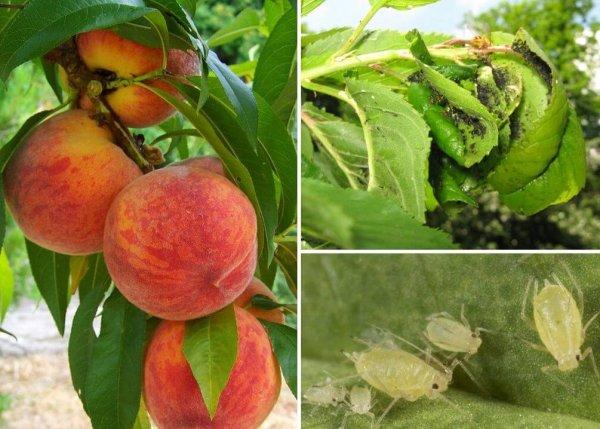
Aphid
These parasites absorb plant sap. As a result, the plant's immune system is significantly weakened. The insects' waste products are almost always infected with sooty mold. It attacks the shoots and leaves of the tree, causing a dark coating to appear.
It's also worth considering that aphids can spread dangerous viral diseases that cannot be controlled. This is why it's so important to take timely measures to combat these dangerous pests.
Peach trees can be affected by green, black, or large aphids. If there are only a few parasites, they can be removed mechanically. Afterward, it's recommended to thoroughly wash the affected areas with soapy water. If the infestation is severe, spray the plant with Karbofos, Actellic, or another solution with a similar effect.
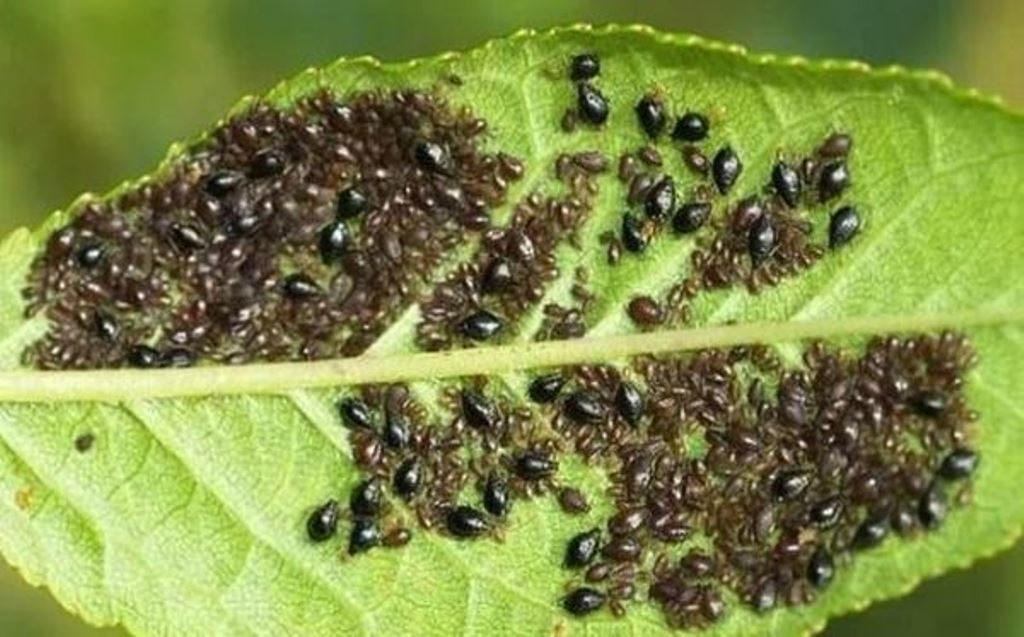
If necessary, re-treat the tree after 1.5-2 weeks. Stop using chemicals 15-20 days after harvesting.
Weevils
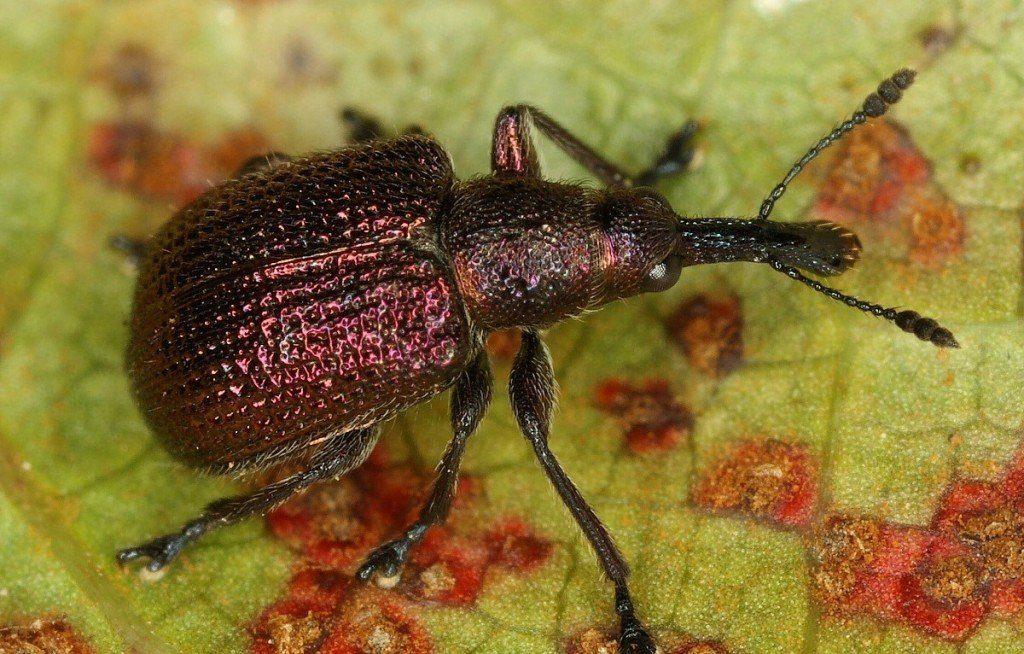
These parasites pose a serious threat to trees. Adult insects pierce buds and flowers, devouring them from the inside. Young leaves are usually left untouched.
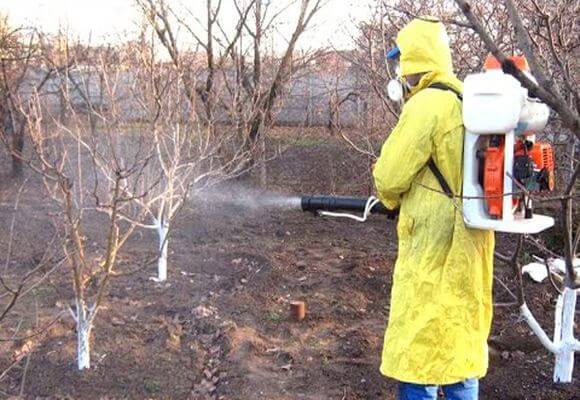
To control weevils, the crop should be thoroughly treated with a special chemical. It's important to prune the tree promptly and remove dead bark from the trunk. Limewashing the crop will also help achieve good pest control.
Clusterosporiasis
This is a dangerous fungal disease that affects all above-ground parts of the tree. The leaves become covered with pale brown spots, bordered by a reddish or crimson hue. After some time, the tissue within the spots dries out.
After this, the plant dies and falls out. As a result, the leaves become covered with holes. Therefore, this condition is sometimes called holey spot.
In young, one-year-old trees, the bark becomes covered with orange, varnished spots that affect the longitudinal fibers. The bark itself cracks, and gum begins to ooze from the resulting defects. Affected shoots begin to die, and the tree dries out.
To combat clasterosporium leaf spot, the first spraying should be done when the buds swell. This should be done before they open. Copper oxychloride is used for this purpose. Meteor is also an option.
After this, the trees should be treated before and after flowering. Horus or Topsin M are suitable for this purpose. In the spring, before the peach tree blooms, all infected branches and stems should be pruned.
The damaged areas are treated with an 8% lime solution, to which a 2% solution of copper or iron sulfate is added. Finally, the cut areas are treated with garden pitch.
Plum codling moth
This pest is a small butterfly. The caterpillars consume young shoots of the crop. Adult insects then damage the fruit pits. The pests overwinter in bark crevices or under fallen leaves.
Take a look Also

To kill parasites, treat the plant with insecticides such as Karbofos, Chlorophos, or Durban. A total of three sprayings should be performed, spaced two weeks apart.
Scale insect
These pests can cause damage to all above-ground parts of the plant. Within 24 hours of the scale insects' infestation, the surface of the fruit and bark becomes covered with red spots. The pests attack the upper parts of shoots, bark, and skeletal branches. This causes the plant to become depleted.
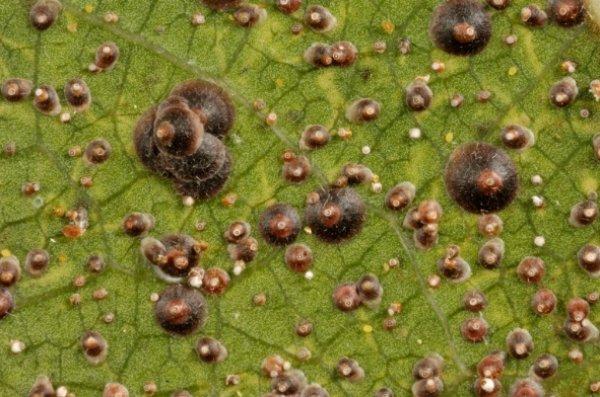
Scale insects cause bark cracking, resulting in fissures. Furthermore, these pests cause shoots to dry out, fruit to become distorted, and leaves to fall off.
To kill parasites, the tree should be treated with Actellic, Aktara, or Inta-vir.
Effective folk remedies are also acceptable. Pepper tincture or onion peel decoction are often used for this purpose. However, such remedies are not as effective as chemical treatments.
Protection from sunburn
Peach is considered a heat-loving plant that requires adequate light. However, it's crucial to provide adequate protection from sunburn. To prevent such damage, whitewash the trunk and skeletal branches. Special compounds are recommended for this purpose.
Bordeaux mixture is recommended for use on the trunk and large skeletal branches of a tree. This substance helps prevent wood burns on sunny winter days. It also helps prevent overheating and premature bud formation.
Young peach trees should be wrapped with corn or sunflower stalks for the winter. Thick paper or spruce branches also work well for this purpose.
How to protect against rodents
To ensure the plant's normal development, it is essential to protect it from rodents. Otherwise, the plant is highly likely to die. This can be done chemically or mechanically.
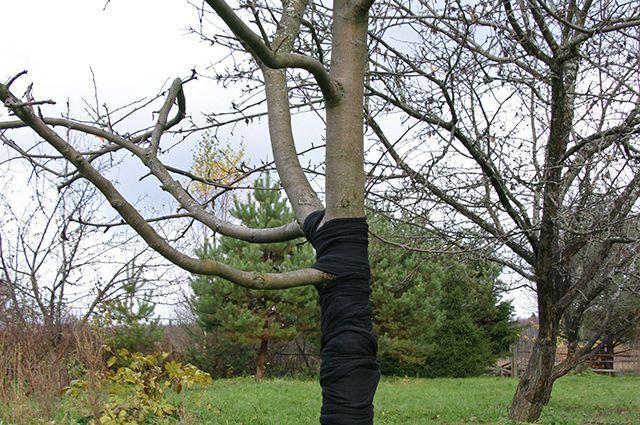
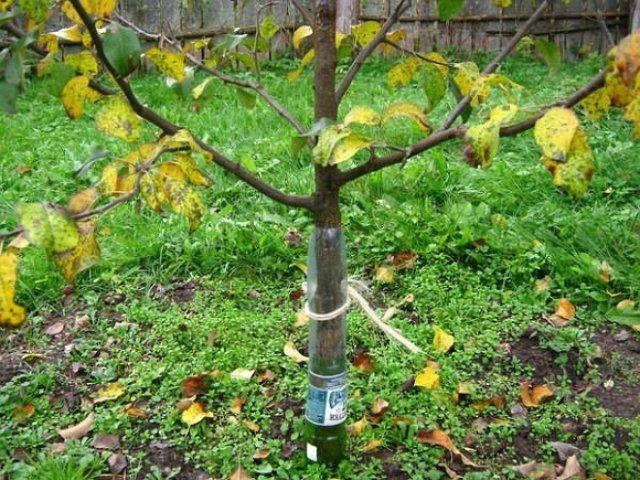 When using the mechanical method, it's important to tie various materials around the tree and its branches. Special nets, which provide reliable protection from rodents, are suitable for this purpose. Spruce branches or roofing felt also work well. If dense materials are used, it's important to prevent condensation. Therefore, it's recommended to remove them during thaws.
Trees can also be treated with special repellents. A mixture based on manure and clay is ideal for this purpose.
It is recommended to add carbolic acid to it. Use 1 tablespoon of the substance per bucket of the mixture. To repel hares, use a mixture of fish oil and naphthalene. These components are mixed in a ratio of 8:1.
Common mistakes
To harvest high-quality fruit and strengthen the tree's immune system, it's important to properly care for the plant. However, novice gardeners make certain mistakes that negatively impact the plant's growth and fruiting.
When growing a plant, it is important to focus on the following features:
- If you don't prune the tree in time and clear it of thickening shoots, the fruits will become small and tasteless.
- When nitrogen fertilizers are applied late, young shoots are regularly killed by winter frost. This negatively impacts tree yield.
- If the soil is depleted of moisture, the tree will suddenly drop its flowers and fruit. Such a plant simply cannot withstand the full load.
- Excessive amounts of mineral fertilizers increase the salt content of the soil. As a result, the plant's root system is suppressed.
- If the wrong variety is chosen for a particular region, there is a high probability of the plant freezing completely.
Proper peach care allows you to achieve excellent growth results. Regular pruning, fertilization, and soil moistening are essential. Protecting the plant from diseases and pests is also crucial.
Related posts:
 Methods for planting and propagating cherries at home
 How to plant walnuts, care for them, and grow them at home
 Descriptions of the 20 best cherry varieties for the Moscow region, their planting and care
 Description and cultivation of the 15 best cherry plum varieties for the Moscow region, planting and care rules
 Rules for planting and caring for pears in open ground, how to grow them correctly
 Description and characteristics of the 27 best plum varieties for the Urals, planting and care
 Conditions for growing mandarin at home and rules for caring for the tree
 Choosing a rootstock for cherry grafting and budding rules for beginners