
- What you should know before planting a plum tree
- Climate characteristics of the region
- Criteria for choosing a variety
- Popular plum varieties for the Urals and Siberia
- Ailinskaya
- Snow White
- Blue Sweet
- General's
- Pride of the Urals
- Large mountain
- Yellow Hopta
- Pearl of the Urals
- Golden Niva
- Imperial
- July Rose
- Commander
- Krasnoselskaya
- Kuyashskaya
- Manchurian Beauty
- Honey
- Mikhalchik
- Pioneer
- Chemal's Gift
- Sinilga
- Uvelskaya
- Uyskaya
- Ural golden
- Ural Dawns
- Ural prunes
- Chebarkulskaya
- Shershnevskaya
- Basic principles of planting and agricultural technology
- Preparing seedlings and the site
- What time to plant
- Planting technology
- How often to water
- What to fertilize with
- Loosening the tree trunk circle
- Trimming
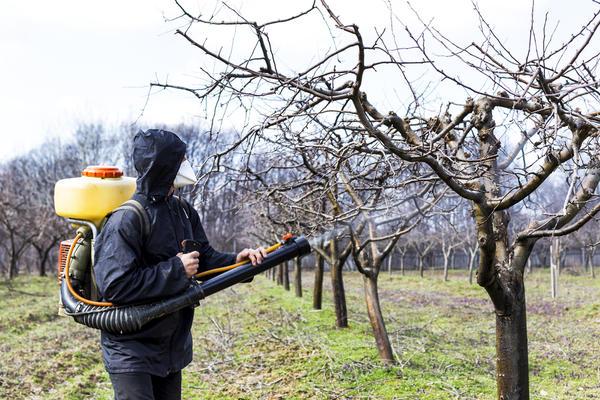
- Seasonal treatments against insects and diseases
- Preparing the tree for frost
- Mistakes of novice gardeners
Selecting the best plum varieties for the Urals isn't all that difficult. Today, there are many varieties of plants that are resistant to frost and temperature fluctuations. To achieve good growing results, it's important to follow planting guidelines and provide the tree with proper care. Timely treatment for diseases and pests is also crucial.
What you should know before planting a plum tree
To grow a robust plant and reap a good harvest, it's important to choose the right variety. This requires considering the region's climate.
Climate characteristics of the region
Growing plums in the Urals is quite challenging. This region is characterized by challenging climate conditions, which must be taken into account. Plums are considered a heat-loving crop that struggles to adapt to the harsh climate.
A significant portion of the territory is located in the Ural Mountains. This area is characterized by uneven topography. The region is located inland and extends from north to south. Therefore, it is characterized by uneven precipitation. This is true not only across different regions but also within a single area.
Despite the harsh climate, with the right choice of variety and proper care, you can achieve excellent yields.
Criteria for choosing a variety
Plums are considered one of the most popular fruit crops. They are prized for their excellent taste and numerous health benefits. With the right variety, plums will thrive in the Urals and yield a bountiful harvest.
Today, there are many varieties of plums. The State Register lists at least 30 varieties approved for cultivation in northern Russia. When choosing, consider frost resistance, care requirements, and your preferences for the fruit's taste.
Popular plum varieties for the Urals and Siberia
The success of plum cultivation in these regions depends on the correct choice of variety.
Ailinskaya
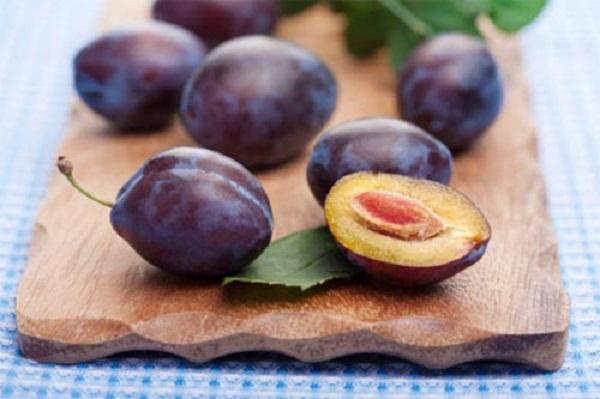
This hybrid was created by crossing a sandy variety of the plant with the Golden Plum cultivar. The tree is slow-growing, yet has a wide crown. It produces purple fruits covered in a distinct waxy coating. The fruits have sweet, greenish flesh. Flowering begins in May, and the fruit can be harvested in August.
Snow White
This variety was developed for the Urals and Siberia. It is distinguished by excellent frost resistance, able to withstand temperatures down to -40 degrees Celsius. The tree grows small, but has a lush crown up to 4 meters in diameter.
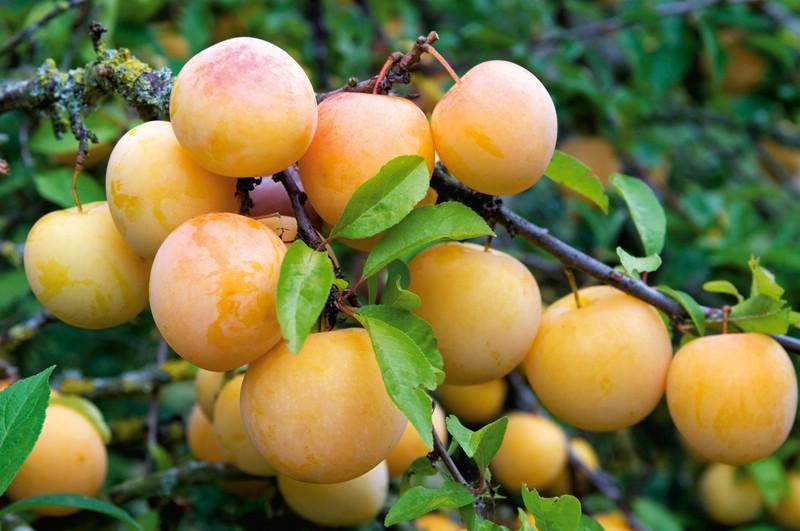
The fruits have yellow skin covered with a light bloom. With proper care, each fruit weighs 30 grams. A single tree can yield 20-30 kilograms of fruit. The plum has a sweet flavor with a slight tartness.
Blue Sweet
This is a columnar hybrid characterized by the absence of lateral branches. The crown is directed upward. The fruit is covered with a fairly thick skin, containing tasty pulp. The fruit keeps well when fresh. A single tree can yield up to 80 kilograms of fruit.
General's
This variety was developed in the Far East. The tree is compact and produces large fruits, weighing up to 40 grams. The fruits are covered with a rich orange skin. Inside lies tender flesh with excellent flavor. A suitable pollinator for this plant is the Ural Red variety.

Pride of the Urals
This variety was obtained by pollinating the Zhemchuzhina plum. It was developed back in the 1950s. Since then, it has been actively grown in the Urals. It is also popular in Siberia.
The plant is resistant to temperatures down to -30 degrees Celsius. Furthermore, the plum is characterized by high yields.
One tree can yield up to 35 kilograms of fruit. The plant is considered early maturing, with harvesting possible in just 120 days. The tree reaches 4 meters in height and produces red fruits of medium size.
Large mountain
This is a low-growing tree, reaching 2.5 meters in height. It has a characteristic rounded crown. It produces a rich harvest, which can be harvested in mid-August. The fruits reach 30 grams and are distinguished by a bright yellow hue.
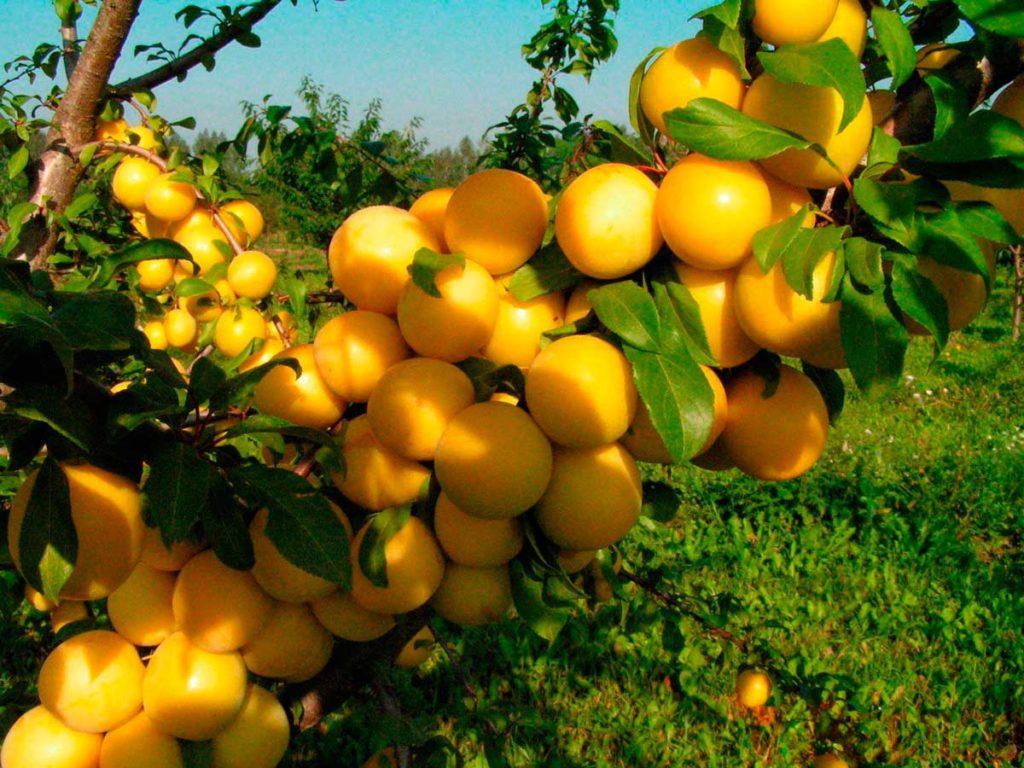
The pulp is juicy and sweet with a slight tartness. The fruits can be eaten fresh or used in various dishes.
Yellow Hopta
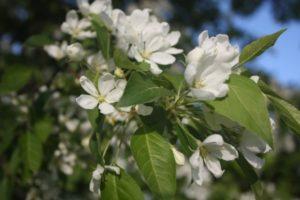
This self-fertile cultivar originates from China. The tree is considered vigorous and has a spreading, yet rather sparse, crown. It produces round fruits weighing up to 14 grams. They are yellow in color and covered with a waxy coating. Inside, there is a soft, sweet-tart pulp.
Pearl of the Urals
Characterized by a spreading crown, it produces large plums weighing 25 grams. The plums have a greenish skin on the outside, and the inside contains juicy flesh. The plums contain more sugar than acid, giving them a pleasant sweet flavor.
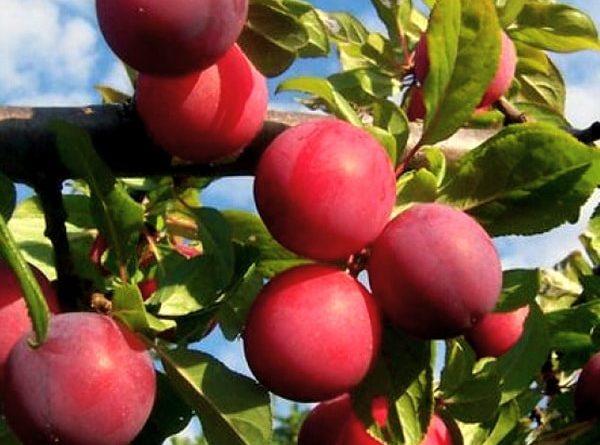
The plant is considered partially self-fertile and is characterized by a medium ripening period. In winter, the shoots are virtually unaffected by frost. However, frost can damage flower buds.
Golden Niva
This hybrid is characterized by a mid-season ripening period. The plum produces round, golden-colored fruits with juicy, tender flesh. The tree grows up to 2 meters tall and has a broad crown. The plant produces fruit consistently.
Imperial
This new hybrid belongs to the columnar cultivars. The tree's crown resembles a tapered pyramid and grows up to 2 meters in height. The fruits are rounded, containing golden flesh with a characteristic honey flavor. The variety boasts excellent frost resistance and is resistant to fungal diseases.
July Rose
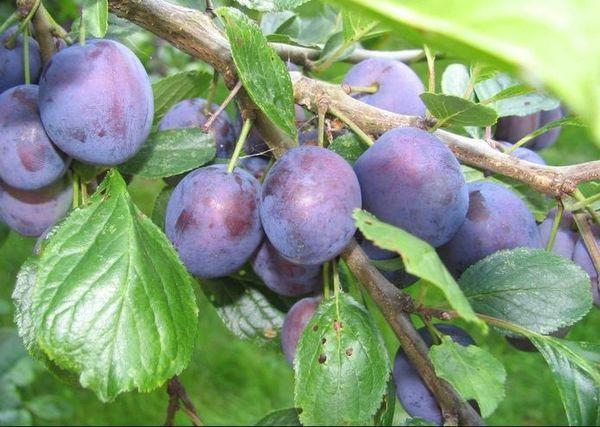
The tree produces large plums weighing up to 30 grams. They are ovoid and dark red. The plums are covered with a waxy coating on the outside. Inside, there is juicy, yellow flesh.
The fruits ripen quite early—at the end of July. They are eaten fresh or preserved. The tree is frost-resistant. The plum "Podarok Sankt-Peterburgu" is considered an ideal pollinator.
Commander
This columnar variety is distinguished by its compact crown. The tree grows to a height of 2 meters. Harvesting begins two years after planting. The plant produces large fruits, weighing up to 50 grams. They have juicy, slightly tart flesh.
Krasnoselskaya
This tree has a spreading crown and rounded leaves with a pointed tip. The fruits are covered in red skin, containing yellow flesh. Each fruit weighs 20 grams. This variety is considered late-ripening. It is frost-hardy but can be damaged by spring frosts.
Kuyashskaya
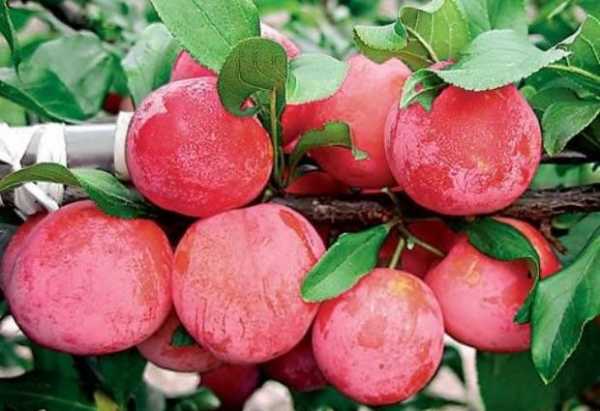
This medium-sized plum tree produces fruit on shortened shoots. The variety is characterized by round fruits covered in a smooth skin. Inside, there is sweet yellow flesh. The plant bears fruit intermittently. A characteristic feature is its normal susceptibility to spring frosts down to -5 degrees Celsius.
Manchurian Beauty
This plum combines characteristics of three varieties: Simon, Ussuri, and Chinese. This dwarf tree has a dense crown. Buds open quickly, resulting in pronounced branching.
The fruits have orange skin and a small pit. The plums ripen in August-September. The plant is resistant to frost and certain diseases.
Honey
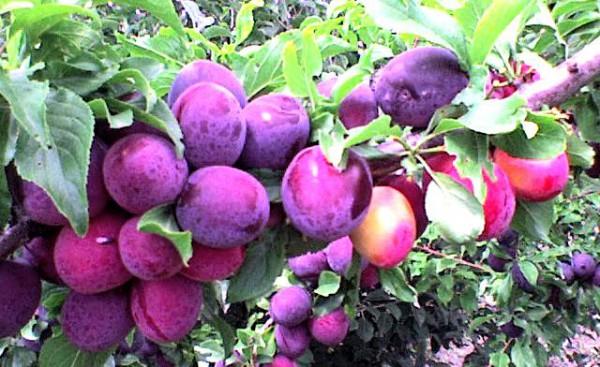
This is one of the most undemanding varieties. It is characterized by high yields and excellent flavor. The hybrid is considered quite common and easily tolerates climate change and frost.
The tree bears oval fruits covered in yellow skin. They weigh 30-50 grams. As they ripen, the plums turn orange and become covered with a white bloom.
Mikhalchik
This early-ripening variety is characterized by high yields. The tree produces large fruits, weighing up to 25-30 grams. They have a rich lingonberry color and excellent flavor.
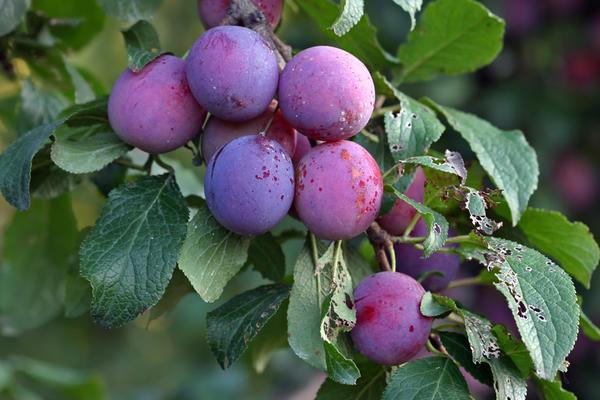
The cultivar is characterized by high winter hardiness. The tree is considered medium-sized and compact. The Uralskaya Krasnaya variety is a good pollinator.
Pioneer
This original variety is obtained by open pollination from the Ussuri plum. It grows 3-4 meters tall and has a lush, spreading crown.
The fruits weigh 18-20 grams. They have a smooth surface, a rounded base, and a pointed tip. The fruits are quite sweet and ripen in mid-August. This variety transports well. The yield per tree reaches 35-40 kilograms.
Chemal's Gift
This tree is considered medium-sized and bears fruit every 3-4 years. The plant is adorned with rounded fruits. Under the orange skin, you'll find delicious green-yellow flesh. Harvesting begins in late August. The plum survives winter well, but can rot.
Sinilga
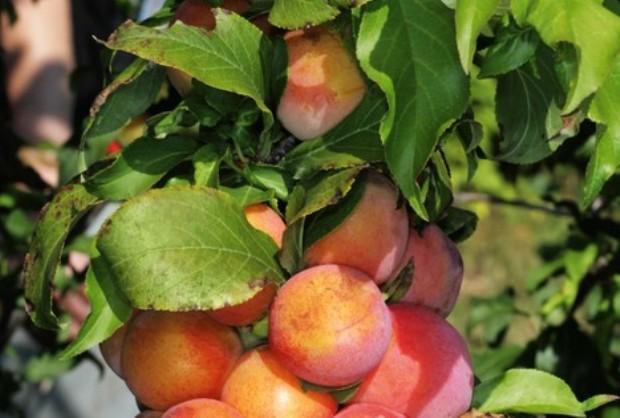
This early-ripening variety is considered quite productive. It produces large fruits weighing up to 40 grams. They are covered with a rich waxy coating. The flesh has an excellent flavor and is considered juicy and fluffy.
The fruits hold firmly and rarely fall off. The tree has a pyramidal crown and easily survives the winter. This self-sterile variety is recommended for pollination with the Ural Red Plum.
Uvelskaya
This variety is medium-sized. It features rounded leaves with a pointed tip. Fruits appear on shortened shoots, weighing 24 grams. The pulp is high in sugar. The fruits transport well. This late-ripening variety tolerates frosts well and rarely experiences fungal infections.
Uyskaya
This variety is characterized by a sparse crown. The tree reaches 3 meters in height. A single plant can yield up to 15 kilograms of fruit. The plant produces unusual orange fruits with juicy flesh and a sweet flavor. It can be pollinated by the Ussuri plum.
Ural golden
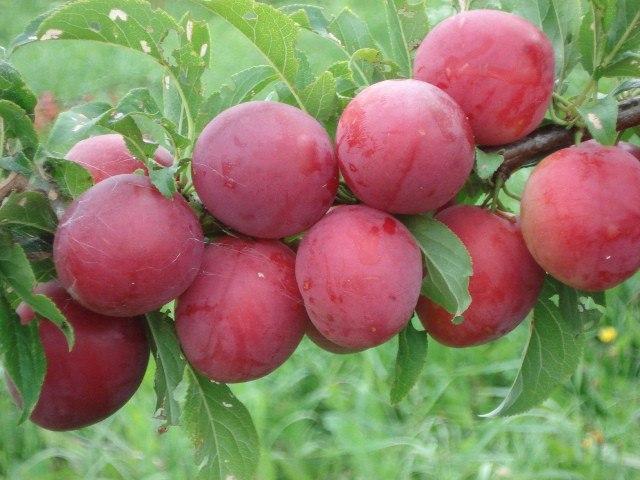
The plant was added to the State Register in 2004. The fruits are excellent in taste and appearance. The skin has a yellow tint.
Plums are easy to transport. The tree produces a harvest annually. Fruiting begins in the fourth year. The plant's disease resistance and low frost resistance are considered advantages.
Ural Dawns
The advantage of this self-fertile variety is its early ripening, occurring in late July and August. Fruits weigh up to 30 grams. The plant is resistant to low temperatures. The tree grows large, reaching a height of 3 meters. The plums have dark red skin and a bluish bloom.
Ural prunes
This mid-season variety is characterized by dark blue fruits, weighing up to 15 grams. The fruits have a sweet taste and an elongated shape. The variety is frost-resistant and produces excellent yields. The fruits transport well and can be dried or added to compotes.
Chebarkulskaya
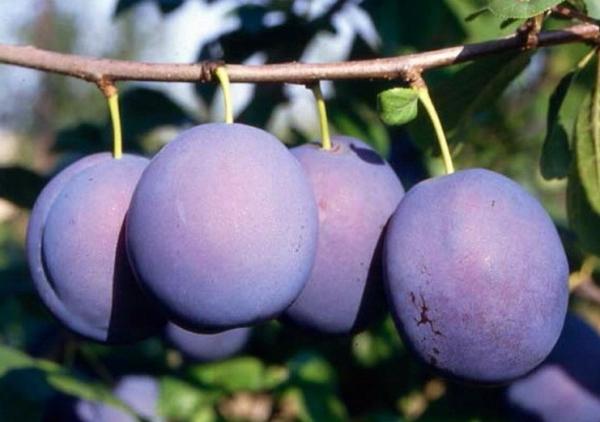
The tree reaches 3.5 meters in height and has a spreading crown. This variety produces large blue fruits, weighing up to 30 grams. The pulp has an excellent flavor and a greenish tint.
Shershnevskaya
This variety was developed through open pollination of the Ussuri plum. Its advantages include excellent fruit flavor and versatility. The plant is virtually immune to frost damage and is resistant to fungi. It is considered a high-yielding cultivar.
Basic principles of planting and agricultural technology
To ensure successful plum cultivation in the Urals, it is essential to follow planting and care guidelines.
Preparing seedlings and the site
To grow a plum tree, you should choose varieties suitable for the Urals. It's important to use a winter-hardy hybrid. It shouldn't suffer from spring frosts. When purchasing a plum sapling, choose plants with strong roots. They shouldn't be dry or rotted. One-year-old saplings reach 1-1.3 meters in height.
If you plan to plant plum trees in the spring, they should be dug into trenches for the winter. These trenches should be 40 centimeters deep. Two-year-old seedlings take root best.
Soil condition is also crucial. It's important that it's thoroughly thawed and warmed. It's recommended to prepare the holes in spring, 2-3 weeks before planting. They should be 60 centimeters deep and 60-70 centimeters in diameter.
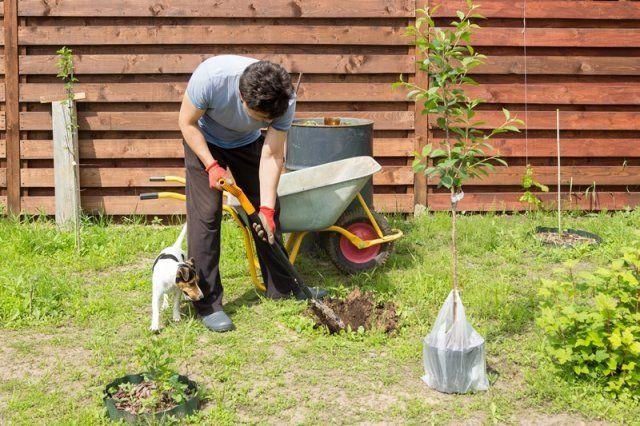
It's advisable to remove the soil and mix it with compost. This is done in a 2:1 ratio. Additionally, add a small amount of complex fertilizer to the hole. Then, return the soil to the hole. It's recommended to re-dig the hole before planting the tree.
What time to plant
Plums are best planted in the spring. This should be done within two weeks of the soil thawing. It is recommended to prepare the hole in the fall.
If you plan to plant a plum tree in the fall, do so 1.5 months before the first frost. It's recommended to dig the hole two weeks in advance. Add a bucket of compost. Potassium salt and superphosphate are also added. Fertilizers should be mixed with the topsoil and added to the hole. To loosen the soil, add coarse sand.
Planting technology
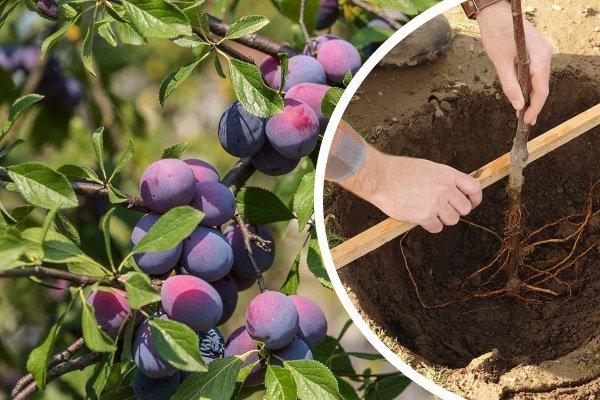
To plant a seedling, it is recommended to place it in a hole. The root collar should be positioned 5-6 centimeters above the soil surface. A small amount of soil should be sprinkled on top. Initially, the tree should be tied to a wooden stake to ensure the roots are well established.
How often to water
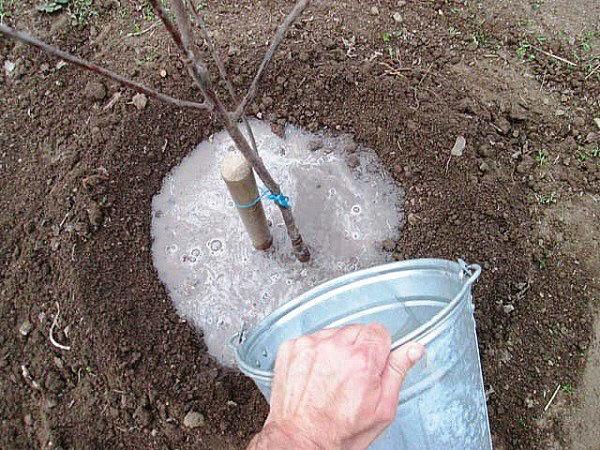
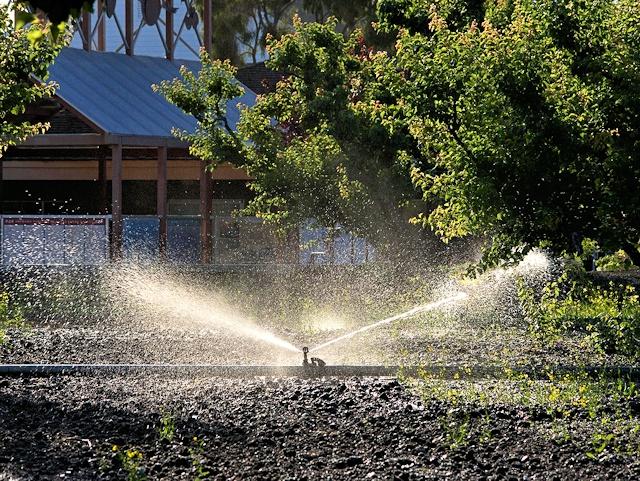
To ensure the plant thrives, it requires proper care. After planting, water the tree generously. Each seedling will require approximately 30 liters of water. Afterward, it is recommended to mulch it generously.
The following season, plum trees are watered 3-4 times. The first time is in mid-May, then during the period of intensive fruit development, and the third time is during the ripening period. The final watering is done in late autumn.
What to fertilize with
Particular attention should be paid to fertilizing. Plants should be fertilized in their third year. Use a mixture based on 7 kilograms of compost or humus and 200 grams of wood ash per square meter.
During the active growing season, apply complex mineral fertilizers. Nitrogen fertilizers are recommended in solution form. Phosphorus and potassium-based mixtures, which have a dry and poorly soluble structure, are recommended for addition to the soil in the fall.
Loosening the tree trunk circle
The tree trunk circle is an area with a radius of 1 meter. This area should be regularly loosened and weeded. At the end of winter, a layer of mulch should be applied to the snow. In the fall, when digging, it's a good idea to incorporate peat or humus into the soil. Mulch should be removed during rainy summers, when there's no moisture shortage.

Trimming
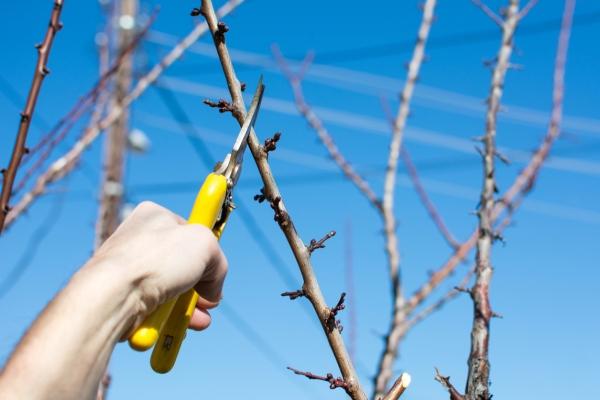
To ensure a tree remains healthy and beautiful, it's important to prune it regularly. This procedure has the following varieties:
- Sanitary pruning is performed in the spring. This procedure involves removing shoots that didn't survive the winter.
- Formative pruning – the specifics of this method depend on the variety. Some species have crowns that are not particularly dense. These crops do not require pruning.
- Rejuvenation – this procedure is required for trees older than 5-8 years. Old branches are removed by 25-30%.
Seasonal treatments against insects and diseases
To ensure reliable protection against harmful insects and diseases, it is recommended to treat the crop with fungicides and insecticides twice a year.
Trees may experience the following problems:
- Gum flow. This condition causes resin droplets to form on the trunk. If left untreated, the tree will become infected. To combat this, scrape the affected area with a knife. Then, treat it with a 1% copper sulfate solution. It's also recommended to wipe the area several times with sorrel leaves and then treat it with garden pitch.
- Dwarfism. In the initial stages of the disease, the tree's leaves become small and have jagged edges. As the disease progresses, the leaves become more brittle and thick. This condition is impossible to treat. It is recommended to uproot the tree and burn it off-site.
- Plum pockets. This disease causes damage to the fruit, causing them to become baggy and then severely deformed. Applying Bordeaux mixture at a concentration of 3% can help combat this problem. Apply the solution in the spring, before bud break. If applied later, reduce the concentration to 1%.
- Clasterosporium leaf spot. When the disease appears, leaves become covered with gray-brown spots. These soon dry up and fall off. The disease often attacks the fruit, which then begins to exude resin. Without treatment, the entire tree risks dying. A 1-3% Bordeaux mixture solution can help combat the problem. Apply it to the plant before buds and buds open. The solution is then applied after flowering, 14 days later, and three weeks before harvest.
- Fruit rot. As the disease progresses, branches and shoots appear scorched. In the second stage, rotting spots and cushions covered with fungal spores form on the fruit. Preventing the disease involves applying a 1% solution of Bordeaux mixture and copper sulfate. This treatment should be carried out before and after flowering. Damaged fruit should be destroyed. Trees are then treated with a 1% solution of Bordeaux mixture.
- Plum pox. This disease causes leaves to become covered with spots that resemble sinuous lines or rings. The disease is viral in origin. Therefore, the plant must be destroyed. It is recommended to carry out this procedure outside the designated area.
- Rust. Initially, rusty spots appear on the leaves, followed by the formation of black cushions covered with fungal spores. The affected leaves fall off, and the tree loses its immunity. Any fungicide will combat the fungus. Bordeaux mixture at a 1% concentration can also be used. Treatment should begin in mid-summer and then be repeated every two weeks. The treatment should be stopped three weeks before harvest.
- Aphids. These insects usually reside on the undersides of leaves, so it's essential to inspect them. Spraying the leaves with Intavir or Decis helps control aphids.
Preparing the tree for frost
Before winter, plum trees should be watered generously and fertilized with mineral fertilizer. Young plants require protection, so wrap them in 2-3 layers of non-woven fabric. Smaller plants can be covered with spruce branches.
Mistakes of novice gardeners
When growing plums, inexperienced gardeners often make a number of mistakes:
- Self-sterile varieties are grown without pollinators.
- They don't protect plants from diseases and harmful insects. This negatively impacts their yield.
- Planting plum trees in acidic or marshy soils can cause the tree to die.
- Incorrect varieties are chosen. As a result, the plant fails to produce a harvest and withers.
There are many plum varieties suitable for growing in the Urals. Choosing the right variety can help achieve excellent results. To ensure a good harvest, the plant must be provided with high-quality and comprehensive care.
Related posts:
 Descriptions of the 20 best cherry varieties for the Moscow region, their planting and care
 Description and characteristics of the 30 best yellow plum varieties, planting and care
 Description and distinctive features of the best varieties of Ussuri plum
 Description and cultivation of the 15 best cherry plum varieties for the Moscow region, planting and care rules
 Description and characteristics of the Yakhontovaya plum variety, pollinators
 Description of the Renklod plum varieties and cultivation technology
 The best grape varieties for growing in the Urals, planting and care rules in summer
 Methods for planting and propagating cherries at home