
- Why is my cherry tree not bearing fruit and dropping green berries?
- Self-sterility of a plant
- Too dense crown
- Features of the variety
- Close proximity to groundwater
- Unfavorable climatic conditions
- Lack of nutrients, unbalanced feeding
- Moisture deficiency
- Incorrect pruning
- Treatment with chemicals
- The tree is too young or too old
- Neighborhood with other cultures
- Lack of pollinators
- Unsuitable soil
- Impact of diseases and pests
- How to Resume Regular Fruiting of a Crop
- We observe agricultural technology rules
- We standardize crop yields
- We treat diseases
- We destroy pests
- Selection of self-fertile varieties
The most common tree in any climate zone is the cherry. The key to successful fruiting is a series of measures, starting with selecting a suitable seedling and continuing with meticulous annual care. Despite abundant blooms, garden plots often experience a complete lack of berries. So what's the reason? Why isn't a cherry tree producing fruit despite its abundant blooms, and what can be done about it? Let's find out.
Why is my cherry tree not bearing fruit and dropping green berries?
Beginning gardeners often notice cherry trees bearing little fruit and dropping fruit before it reaches maturity. This occurs when the tree is too busy trying to survive and simply lacks the energy to bear fruit.
Here are the most common reasons for the lack of berries:
- self-sterility and other characteristics of the variety;
- incorrect tree pruning;
- choosing the wrong location;
- lack of fertilizers;
- age of the tree;
- unsuitable neighboring crops;
- the result of the influence of pests and diseases.
Let's take a closer look at each reason and try to find ways to solve the problem.
Self-sterility of a plant
Cherries are cross-pollinated plants. They require another pollinator to bear fruit. Their absence prevents fruit set and ripening.
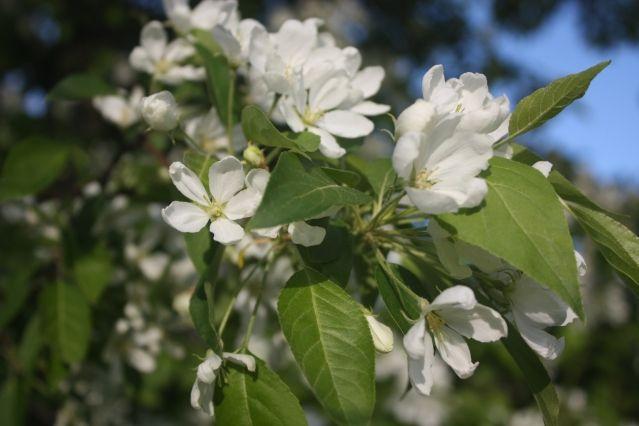
Too dense crown
Fruit formation is complicated by the dense canopy. A dense tree directs nutrients toward the growth and development of numerous shoots, leaving no energy for the formation of full-fledged ovaries.
Timely pruning ensures free access of sunlight to the most shaded areas, regulates the growth and development of the tree, promotes increased yield and accelerates the ripening of berries.
Features of the variety
For planting, select zoned varieties based on their ripening time. Larger harvests are achieved by planting winter-hardy, high-yielding varieties. Grafted varieties are resistant to various diseases and produce large fruits.
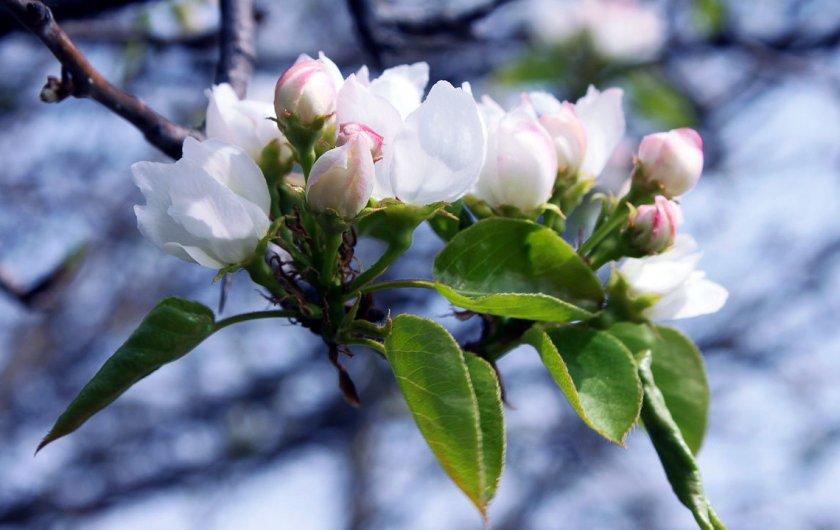
Close proximity to groundwater
The timely development of cherry trees and abundant harvests are influenced by the groundwater level. The acceptable groundwater depth for growing cherries in a garden plot is 2.5 meters.
Unfavorable climatic conditions
Weather conditions influence the formation of ovaries and ripening of fruits. In a cold year with a rainy summer, bee activity is significantly reduced, and pollination is delayed or does not occur at all.
Hot weather and dry summers contribute to pollen drying. Cherry trees remain unpollinated. As a result, nonviable ovaries form, and the fruits fall unripe.
Heat-loving varieties in regions with cold climates often freeze during late frosts.
Lack of nutrients, unbalanced feeding
Cherry trees respond to nutrient deficiencies with poor yields. A lack of nitrogen and potassium immediately affects fruit production.
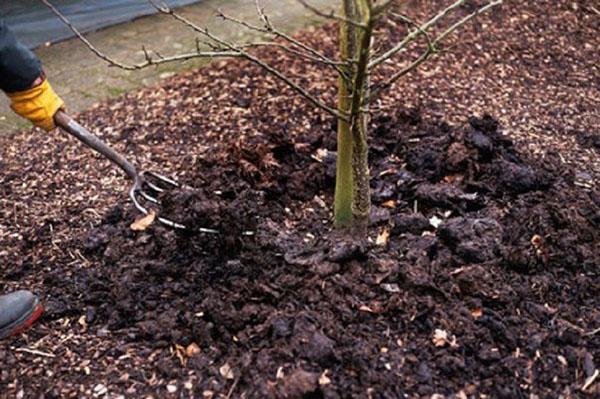
In spring, the tree is fed with complex fertilizers. When ovaries begin to form on the cherry tree, it is fed with humus and mineral fertilizers.
Moisture deficiency
A lack of moisture during fruit set often causes green fruit to drop. Proper watering during this period helps preserve the harvest.
Incorrect pruning
Cherry trees don't tolerate extensive pruning well—it causes severe stress and weakens the tree. Pruning one-year-old shoots that could otherwise bear fruit threatens to prevent a harvest the following year.
Treatment with chemicals
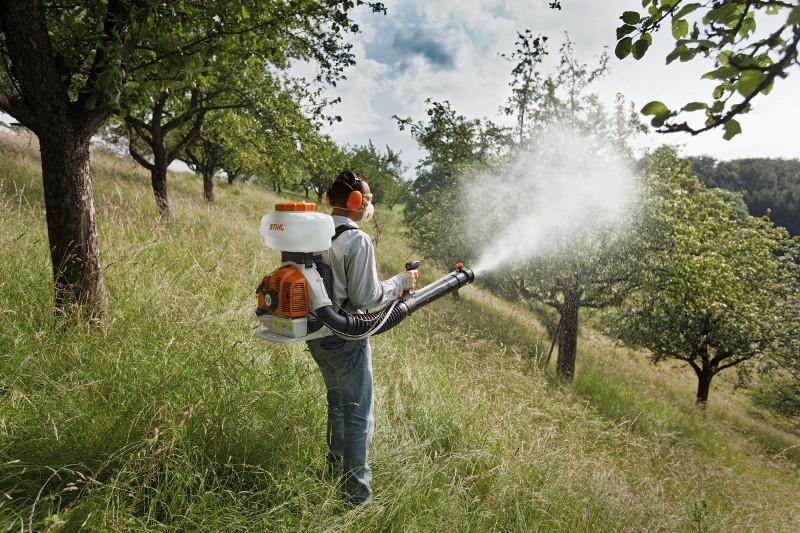
Incorrect composition and dosage of pest and disease treatments often result in fruit failure. Excessive chemicals cause leaf burn, disrupt nutrient flow, and lead to reduced yields.
The tree is too young or too old
Young cherry trees begin to bear fruit in their third or fourth year. A lack of fruit after four years requires intervention. Trees older than 16 to 20 years require complete replacement or rejuvenation treatments.
Neighborhood with other cultures
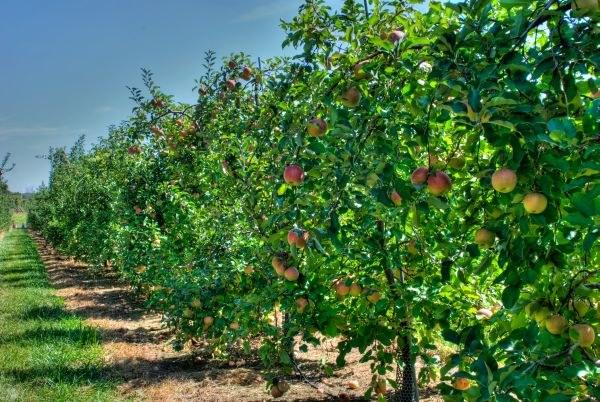
Properly managed orchards promote the full development of cherries. Proximity to certain crops can cause them to suffer. The following crops, when grown nearby, negatively impact cherry growth:
- apple trees;
- apricot;
- currant;
- honeysuckle;
- coniferous trees.
Cherry grows well when planted together with stone fruits: plums or cherries.
Lack of pollinators
A lack of suitable pollinators nearby is the main reason for the lack of fruit set. To prevent this and ensure abundant blooms in one plot, plant at least three different cherry varieties or choose self-pollinating varieties. These include Molodezhnaya, Lyubskaya, and Shchedraya cherries.
Unsuitable soil
Fruiting is affected by soil acidity. Excellent yields are obtained in soils with neutral or slightly acidic conditions. The optimal pH is 6.7-7.1.
Impact of diseases and pests
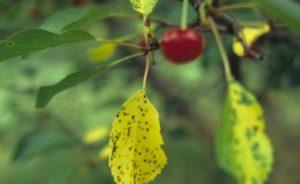
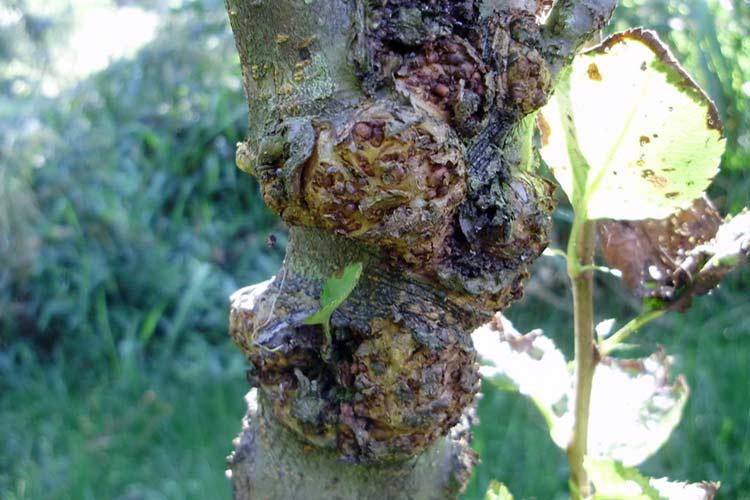
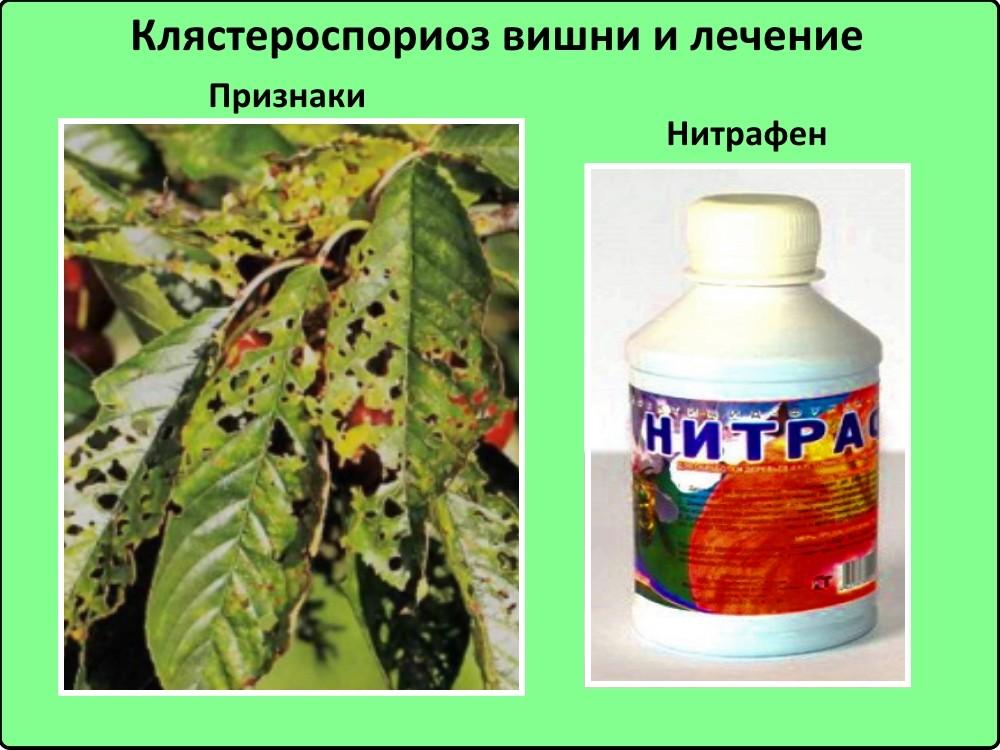
Fungal diseases often cause early fruit drop, and sometimes even fruitlessness. Cherry yields drop in the first year of infection with coccomycosis, and within a few years, even without intervention, the tree dies. Moniliosis can be easily identified by dried-out berries with a gray coating. Scab damages ripening berries and reduces yield.
How to Resume Regular Fruiting of a Crop
If a mature cherry tree has been lacking fruit for several years in a row, a series of measures are taken to restore fruiting.
We observe agricultural technology rules
To ensure timely development and formation of berries when growing cherries, it is necessary to adhere to several agricultural conditions:
- choose a suitable place for landing;
- prepare the ground;
- plant zoned varieties in accordance with the necessary agrotechnical requirements;
- select appropriate neighboring crops;
- enrich poor soil with fertilizer;
- organize abundant watering;
- mulch the soil with humus;
- carry out formative pruning annually.
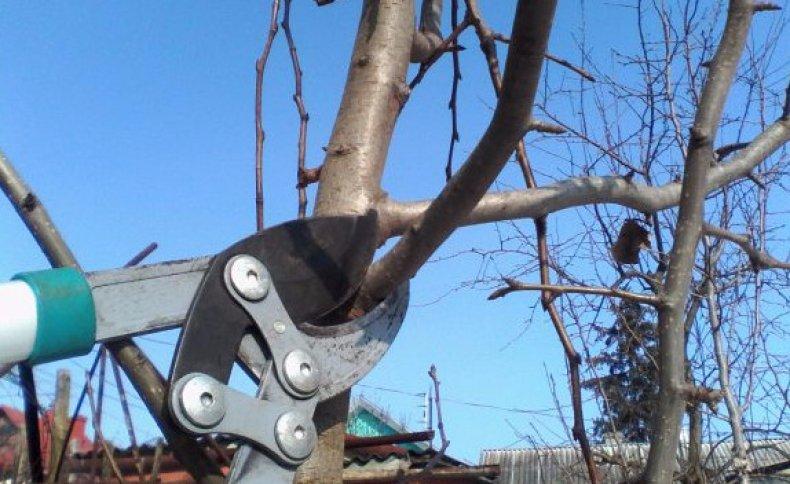
The above measures promote the growth of a young tree, proper crown formation and timely fruiting in large quantities.
Take a look Also
We standardize crop yields
If fruit production is low, intervention is required. To maintain sufficient yield, the following measures should be taken:
- organize reliable protection of the tree from frost in winter;
- ensure uniform access of sunlight to the leaves by pruning in spring;
- attract insects for active pollen exchange;
- carry out preventive treatment and prevent the development of diseases and the appearance of pests.
We treat diseases
Early detection of cherry tree developmental abnormalities allows for timely treatment at the earliest stages of the disease and the preservation of the harvest. Regular preventative measures prevent the occurrence of diseases and preserve the harvest.
We destroy pests
Annual insecticide spraying before flowering eliminates aphids, leaf beetles, weevils, and other pests. Repeat treatment after flowering.
Selection of self-fertile varieties
To effectively grow cherries, it's important to consider the variety when planting, as not all cherry varieties will pollinate each other. This should be taken into account when planting an orchard.
Planting cherries according to technological standards and paying close attention to them throughout the year allows you to obtain good berry harvests and adjust the yield if necessary.
Related posts:
 Description and cultivation of the best varieties of felt cherry, planting and care
 Description and pollinators of the Vladimirskaya cherry variety, planting and care
 Description and propagation of the Bessey cherry variety, planting and care rules
 20 Best Cherry Varieties for the Central Russian Region with Descriptions and Characteristics
 Description and characteristics of 17 dwarf cherry varieties, planting and care
 Description and varieties of cherry variety Shpanka, planting and care
 Description of the 25 best cherry varieties for the Urals and Siberia, planting and care in open ground
 Description and characteristics of the miracle cherry hybrid, planting and care of the variety