
- Why is the fruit tree sick?
- Cherry diseases: signs of infection and treatment methods
- Fungal diseases
- Rust
- Coccomycosis (reddish-brown spot)
- Moniliosis (monilial burn)
- Scab
- Bacterial cancer
- Sooty mold
- Non-fungal damage to cherries
- Mosses and lichens
- Gummosis (gum flow)
- Root cancer
- Witch's broom
- Anthracnose
- Clasterosporium (shot hole)
- How to protect a cherry orchard
- Selecting resistant varieties
- Preventive treatments
- Chemicals
- Folk remedies
- We observe agricultural technology rules
Thanks to its low maintenance and the delicious flavor of its berries, garden cherries have become a popular choice in country gardens. A carefully developed preventative plan will help prevent many common diseases in growing cherries and ensure excellent harvests of delicious berries every year.
Why is the fruit tree sick?
There are many reasons why a fruit tree can become ill and die. Many diseases can be prevented with timely preventative measures. Others arise suddenly and require immediate intervention.
The main reasons why a fruit tree may become ill sooner or later are identified:
- incorrect pruning;
- sudden temperature changes, cold, scorching sun, late spring frosts;
- violation of watering and humidity standards;
- deficiency or excess of essential elements over a long period.
When planning your own garden in the Moscow region and other regions, choose locally grown tree and shrub varieties that are resistant to most diseases. This will help you grow a luxurious garden and enjoy delicious berries every year.
Cherry diseases: signs of infection and treatment methods
By paying close attention to your orchard, you can identify the nature and causes of the disease by observing the first signs and develop an effective treatment plan. Timely interventions will help preserve cherry yields with minimal losses.

Fungal diseases
With the arrival of the first days of spring and the sun, nature in the gardens begins to awaken. At the same time, fungi also come to life. Damp and rainy weather encourages their spread throughout the trees and bushes.
Rust
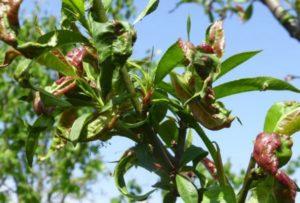
Cherry rust is very easy to spot. Characteristic rusty spots with a reddish, yellow, brown, or rusty tint appear on cherry tree leaves. The affected areas enlarge daily, and premature leaf drop is often observed.
A bare tree has a hard time preparing for winter frosts and accumulating sufficient nutrients. Cherry trees become weaker. The following year after infection, a noticeable decrease in yield or a complete absence of berries is observed.

The following control measures are used to treat rust:
- remove fallen leaves and burn them;
- before and after flowering, carefully treat with copper-containing preparations;
- After picking the berries, spray them with Bordeaux mixture.
Coccomycosis (reddish-brown spot)
Blumeriella fungus thrives in fallen autumn leaves. When it affects cherry trees, it's easily recognized by the changes in the leaf blades. They become covered with reddish-brown spots and blotches. A pinkish-white coating resembling mold is often seen on the underside. Affected leaves quickly fall off. Cherry leaf spot also affects the fruit.
Moniliosis (monilial burn)
Moniliosis is a dangerous disease caused by the Monilia fungus. The first signs of moniliosis are visible damage to flowers, discoloration, and premature flower drop. This is followed by the drying of underdeveloped fruits and the darkening of young branches. Growths form on the bark. If the disease is not stopped in time, the tree will die.

Scab
Pathogenic fungi that infest orchards cause a common cherry disease called scab. It manifests as brownish-green spots and a coating on the leaves. Soon after infection, the leaves dry out and curl. Ripening fruits develop cracks, stunt growth, and dry out. The flavor of ripe fruits noticeably deteriorates.
When the disease progresses, damaged shoots and fruit are promptly removed. Cherry trees are treated with various fungicides. If scab is detected during flowering, the use of chemicals is contraindicated. During this period, the cherry tree can be treated with the non-toxic "Horus."
Bacterial cancer
A common disease in warm regions with a mild climate is bacterial cancer.
This is a very dangerous cherry tree disease. If no action is taken promptly and the disease is left to run its course, the tree will die within a few seasons.

Cancer can be recognized by its characteristic signs. Flowers darken, and yellow, water-soaked spots appear on the leaves, which in later stages become almost gray. The bark becomes covered with numerous cracks and lesions, and begins to peel. Black spots and rot appear on the fruit.
All damaged areas of the infected tree are removed. Open wounds are treated and carefully sealed with garden pitch. The trunk must be whitewashed.
Sooty mold
Dark foliage indicates a cherry tree infestation with sooty mold. This disease causes the fruit and shoots to turn black. By settling on the leaf blades, the fungus blocks sunlight and disrupts photosynthesis. Handling an affected leaf or fruit immediately turns black. Sooty mold is treated with Bordeaux mixture or soapy water.
Non-fungal damage to cherries
Gardeners often have to deal with non-fungal cherry orchard diseases.

Mosses and lichens
A characteristic feature of an old garden is moss and lichen, which grow on tree trunks and shrubs. Moss infestation is especially prevalent in areas with high humidity and dense plantings.
By colonizing branches, lichens weaken cherry trees and contribute to reduced yields. Large infestations can even cause branch dieback.
Wood cleaning is usually done in early spring before the sap begins to actively flow and the buds begin to swell on warm days. All wounds and cracks are covered with garden pitch. The area around the trunk is deeply loosened, and the soil is watered with copper sulfate. Typically, the growths fall off on their own within a week.
Gummosis (gum flow)
Damaged branches, bark damage from severe frosts, and excessive pruning with dirty tools create open wounds through which gum begins to ooze. These growths require removal, thorough bark scraping down to healthy areas, and disinfection of the wound with copper sulfate, followed by treatment with garden pitch.
Root cancer
Growths have appeared on the cherry tree's root collar—this is called root canker. Bacteria infiltrate the tree, causing increased cell division and the formation of specific growths. Initially, these growths are grayish-white in color, but over time, they darken and harden. The disease causes stunted tree growth and reduced productivity.
Witch's broom
In garden plots, you can encounter unusual cherry trees with densely intertwined branches. The leaves on these intertwined branches are usually weak, covered with a light-colored coating, and have a characteristic odor. These branches do not bear fruit and sap the cherry tree's last remaining juices.
After removing the affected branches, the cherry tree is treated with copper sulfate, and after flowering, with Bordeaux mixture.
Anthracnose
The appearance of dull spots on berries, gradually developing into pale pink bumps, indicates the onset of anthracnose. This disease causes colossal yield losses. Cherry trees can be cured by applying Poliram three times.
Clasterosporium (shot hole)
A common disease that almost every gardener in the southern regions must contend with is smoky spot. This disease most often attacks fruits and leaves. Characteristic reddish-brown spots appear on the leaves. The affected area soon falls off, forming a round hole. Similar spots also affect the petioles, causing them to drop prematurely.

Fruits are also affected. Small reddish spots appear on them. The disease attacks the tissue and alters the shape of the fruit. Older branches develop bark swelling and numerous cracks. Treating the cherry tree with Bordeaux mixture after flowering and leaf fall can help prevent its death.
How to protect a cherry orchard
Disease prevention in a summer cottage involves following standard procedures:
- timely pruning of cherries;
- cleaning and burning fallen leaves;
- spring loosening of the soil;
- autumn digging of the tree trunk circle and treatment with a urea solution or Bordeaux mixture;
- autumn whitewashing of the trunk.
Selecting resistant varieties
To successfully grow cherries, when planting an orchard, it's important to select winter-hardy, high-yielding, and disease-resistant varieties. The following varieties produce excellent yields of garden cherries in central Russia:
- Youth;
- Lyubskaya;
- Chocolate Girl;
- Silva;
- Generous;
- Ural standard.

Preventive treatments
A range of preventative measures can help prevent the widespread spread of various diseases in the garden. In the fall, fallen leaves should be collected and removed from the area. The area around the tree trunks should be loosened.
The tree is treated three times: young foliage is sprayed with Bordeaux mixture, fungicides are applied two weeks after flowering, and copper-containing preparations are applied after the harvest is complete. In the spring, health-improving pruning is performed.
Chemicals
Most viral and bacterial diseases are treated with chemicals. These are diluted according to recommended rates. In the evening, after sunset, the cherry trees are thoroughly sprayed with the prepared solution.

Folk remedies
Experienced gardeners treat many diseases with folk remedies.
They are especially relevant when the disease is detected during the flowering period, and the use of chemicals is impossible.
We observe agricultural technology rules
Strict adherence to the proper agronomic practices for growing garden cherries allows you to grow a healthy tree and reap excellent harvests. They are simple:
- choosing a zoned variety and purchasing a healthy seedling;
- selection of a suitable location and neighbors;
- correct planting of seedlings;
- timely feeding, watering, fertilizing, loosening the soil, pruning the cherry;
- preparing the bush for winter.
Careful attention to your own cherry orchard allows you to get excellent cherry harvests and overcome any disease with minimal losses.
Related posts:
 Characteristics and description of the Shokoladnitsa cherry variety, pollinators and fruiting
 Description and cultivation of the best varieties of felt cherry, planting and care
 Description and pollinators of the Vladimirskaya cherry variety, planting and care
 Description and varieties of cherry variety Shpanka, planting and care
 Description and propagation of the Bessey cherry variety, planting and care rules
 When is the best time to transplant a cherry tree? Rules and step-by-step instructions.
 Signs and treatment of felt cherry diseases, pest control
 Full characteristics and description of the Molodezhnaya cherry variety, planting and care