
- History of Shpanka selection
- Pros and cons: is it worth planting in your garden?
- Varieties and description
- Early
- Bryansk
- Donetsk
- Krasnokutskaya
- Dwarf
- Characteristics of wood
- Pollination, flowering period and ripening time
- Productivity, fruiting
- Scope of application of berries
- Drought resistance, winter hardiness
- Immunity to diseases and pests
- How to plant a tree
- Optimal timing
- We select a location and prepare the area
- Favorable and unfavorable neighbors
- Step-by-step planting instructions
- How to care for Spanish grass in the garden
- Regularity of irrigation
- How and what to feed cherries with
- Caring for the tree trunk circle
- Formation of cherry tree crown
- Protecting cherries from insects and pests
- We cover the tree for the winter
A spontaneous creation of the Shpanka cherry variety, the result of a "whim of nature," has captivated lovers of cherry desserts. Originating in Ukraine, it is quickly spreading throughout the country thanks to successful regionalization. It occupies a worthy place in the gardens of Russian gardeners. This variety deserves the attention of berry lovers.
History of Shpanka selection
Nature itself was responsible for the selection of the Shpanka cherry. Cross-pollination of different varieties of cherries and cherries about two centuries ago resulted in a variety that was immediately noticed by Ukrainian farmers. This cherry-cherry hybrid possessed traits of both berries, which influenced the tree's flavor and fruit production.
The Shpanka variety is a natural mutation that has proven beneficial. Cross-pollination resulted in a new variety that retains its "Ukrainian roots" but is grown in Moldova and southern Russia, and ripens in the Leningrad Region, the Moscow Region, and the Urals. Efforts to localize it are ongoing, and Shpanka is already known in remote regions.
Note: Hybrid forms of cherry and sweet cherry have the best characteristics. They were named "duke," which translates as "duke." Their noble status corresponds to the excellent quality of their berries.
Pros and cons: is it worth planting in your garden?
Before planting the Shpanka cherry, you should carefully weigh the positive and negative aspects of this berry crop.
Pros:
- high winter hardiness of cherry (withstands up to - 40C);
- cherry drought resistance;
- rare diseases and pest infestations;
- early ripening;
- long-term fruiting;
- The berries are dense in consistency and have good taste.
Cons:
- the tree is large, which complicates fruit collection and preventative treatment;
- the berries have poor shelf life and are not very transportable;
- other cherry varieties are needed for pollination;
- branches become brittle due to winds and the weight of berries;
- is not an early-ripening variety.
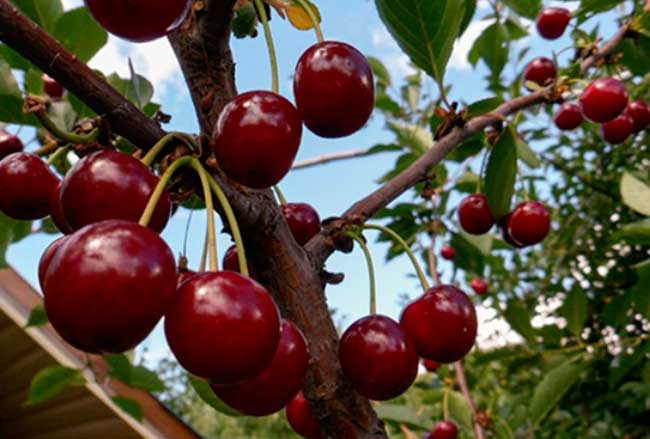
Note: Due to its early flowering, the harvest is lost in subsequent frosts. Shpanka blooms in May and begins to bear fruit in June to early July. Ripe berries fall quickly, so the harvest should be done quickly, in several stages.
Varieties and description
The cherry tree variety has a number of subspecies, allowing you to choose the tree with the most suitable characteristics for your garden. The most well-known include:
Early
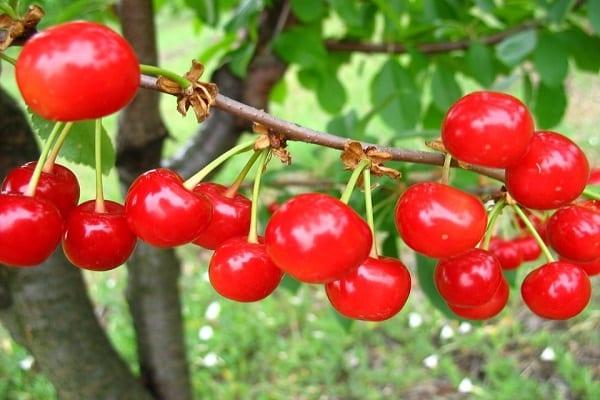
Grows up to 6 m. As its name suggests, this subspecies ripens earliest. Cherries weigh 4-5 g and are quite dense and transport better than others. They are characterized by moderate disease resistance and moderate frost tolerance, withstanding temperatures down to -25°C.
Bryansk
It grows to a medium size. It tolerates frost well and produces high yields: up to 30 kg per tree. Its firm fruit texture makes it easy to transport and store. The berries are ideal for canning.
Donetsk
This is an early-ripening cherry hybrid. The fruits are large, weighing up to 12 g. The tree is resistant to temperature fluctuations and easily recovers from climate "cataclysms." Early fruiting produces sweet and sour fruits.
Take a look Also

Krasnokutskaya
Originating in the North Caucasus region, the cherry berries ripen early, appearing in the sixth year. They are self-sterile and do not tolerate transportation. Processing is carried out on-site.
Dwarf
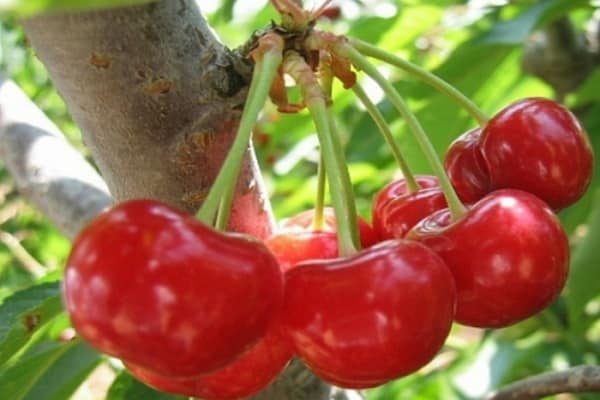
It reaches a maximum height of 3 m. It produces juicy, brightly colored fruits and is characterized by consistent fruiting. Other subspecies are also known, including Kurskaya, Shimskaya, Black, and the large-fruited Shpanka. Each has its own distinctive characteristics.
Characteristics of wood
Shpanka subspecies include shrubby and tree-like forms. Trees grow to 6-10 meters. Their spherical crowns are not particularly dense. The thin shoots are arranged almost at right angles to the trunk, which leads to their fragility. The trees survive frosty winters better and are characterized by strong immunity.
Pollination, flowering period and ripening time
The Shpanka cherry variety can only be called self-fertile, conditionally. Without pollinating trees, it loses up to 90% of its yield. It's important to plant nearby varieties such as Griot Ostheimsky, Ukrainian, or Stoikaya.
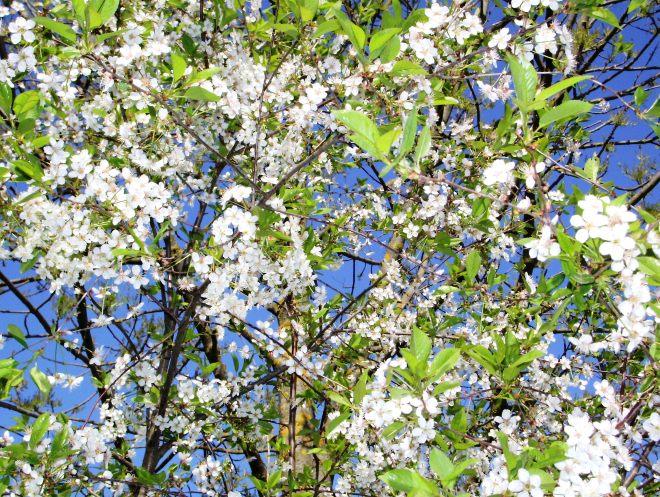
In southern regions, ripening occurs at the end of June, and in the central zone, at the end of July. This cherry variety is considered an early ripening variety. Fruiting lasts up to three weeks. Prompt harvesting is essential due to fruit drop.
Productivity, fruiting
The berries ripen on the cluster branches and the previous year's shoots. The first harvest occurs between the 5th and 7th year, which is average. The yield increases annually and is stable.
On average, each tree yields 35-40 kg of berries. Peak productivity occurs between the 15th and 18th years of life, when the yield reaches 50-60 kg of cherries. A tree lives for 20-25 years.
Scope of application of berries
Cherry fruits are used
- fresh;
- used for freezing;
- suitable for blanks.
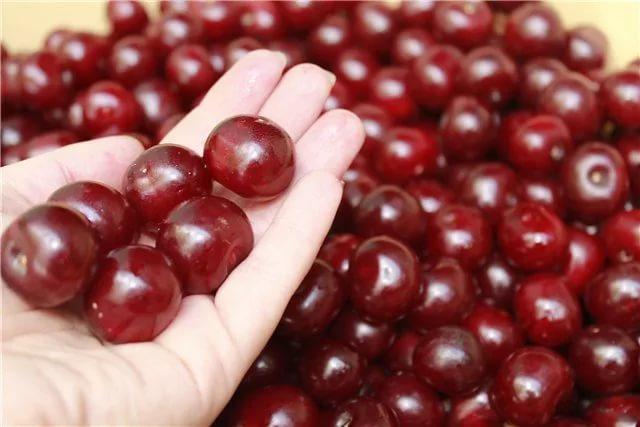
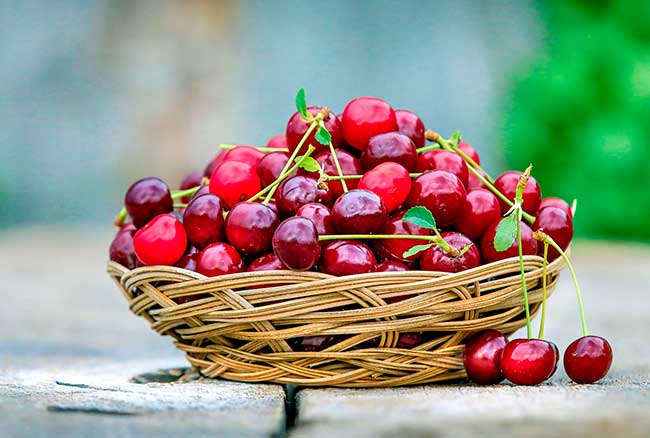 Shpanka berries are characterized by their large size – up to 5-6 g and more. The round fruits have flattened sides. The dark burgundy skin contrasts with the pale yellow flesh. It is tender, fiberless, and easily separated from the pit.
Drought resistance, winter hardiness
This cherry variety is frost-resistant, withstanding extremely low temperatures (down to -35°C). Some subspecies recover quite quickly from frost damage.
Young seedlings require protection. Drought tolerance allows Shpanka to be grown in areas with low rainfall.
Cherry trees do well in dry summers, but still need watering.
Immunity to diseases and pests
The tree's wood rarely cracks in frost. The Shpanka variety is resistant to coccomycosis and moniliosis. For reliability, carry out preventative measures in the spring, treating the cherry tree with a copper sulfate solution or Bordeaux mixture.
How to plant a tree
The planting is traditional for plants of the Rosaceae family and contains only a few nuances that are characteristic only of Shpanka.
Optimal timing
Convenient planting cherries in autumn A month before the first frost to promote rooting and better survival. The tree can also be planted in the spring before the sap begins to flow, but be sure to plant it in warm soil.
We select a location and prepare the area
Cherry trees are planted in an area well protected from northerly winds: near a fence, behind a house, or any natural barrier. Plenty of sunlight is also essential.
For cherry tree planting, select soil with a neutral composition, light consistency, and nutritious composition. If necessary, add dolomite flour according to the instructions. A deep water table is essential.
The spahnka needs a cherry orchard because it requires pollinators. It's convenient to plant cherry trees in a staggered pattern, with 4-5 meters between them.
Note: You can tell that the Shpanka cherry is not doing well in poor soil by gummosis, when the cherry “weeps,” or by the appearance of “burns” on the trunk.

Favorable and unfavorable neighbors
Shpanka's "friends" are cherry and sweet cherry trees. Rowan, elder, honeysuckle, plum, and apricot trees planted nearby don't interfere with the tree. However, it's important to plant them at least 1.5 meters away from the cherry tree. Shade-loving grasses grow well under the tree.
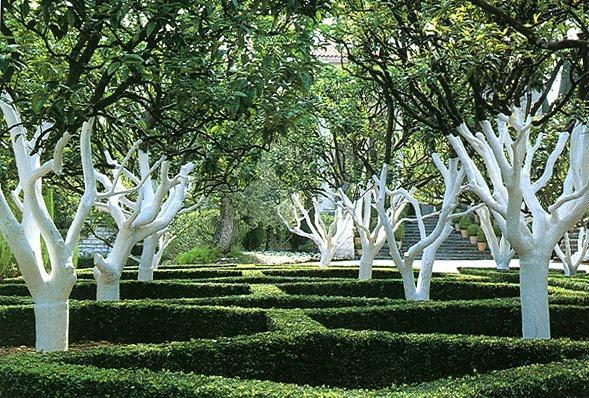
Avoid adjacent trees such as apple, pear, raspberry, sea buckthorn, currant, and any conifers. They shade the cherry tree and deprive it of additional nutrients by siphoning them from the soil. If such proximity is unavoidable, maintain a distance of 5-6 meters.
Step-by-step planting instructions
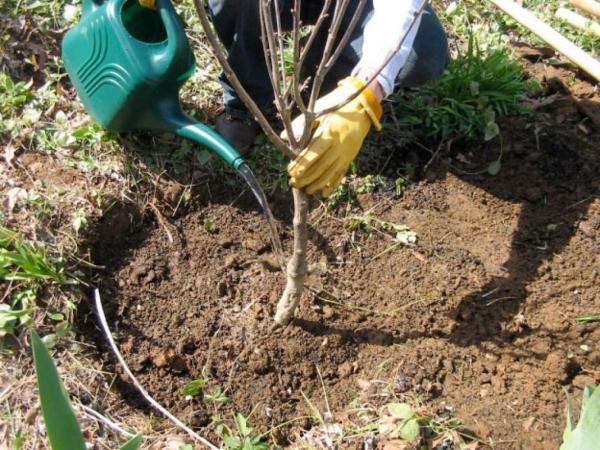
The soil is prepared in advance by digging planting holes two weeks before the main event. The hole should be 50 cm deep and 90-100 cm wide, as the root system does not grow very deeply.
Sequence of actions:
- Before planting, inspect the cherry tree seedling and trim away any dry or rotting roots. Soak it in a growth stimulant for 24 hours, adding a few crystals of potassium permanganate for disinfection.
- Two to three hours before planting, soak the roots in a clay mixture with a creamy consistency. Allow it to dry slightly to form a protective film on the root surface.
- Pour 15-20 liters of water into the hole and wait for it to soak in. Create a mound of nutrient-rich soil (humus, peat, ash, and a spoonful of superphosphate granules) in the center. Secure a support 30 cm above the seedling nearby.
- The roots are spread out on the mound and the tree is covered with soil in portions so that the root collar is 4-5 cm above the soil after the substrate has been compacted.
- Water again, adding 15-20 liters of water and adding soil if the soil has settled. Tie the cherry tree to a stake.

Note: The central shoot of the cherry tree is cut back by 1/3, and 2-3 growth buds should remain on the lateral shoots after pruning.
How to care for Spanish grass in the garden
Fertilizing, watering, and crown shaping are essential for garden trees. If necessary, winter shelter is also provided.
Regularity of irrigation
The Shpanka cherry tree can grow for up to a month without watering, without suffering from moisture stress. However, this affects the quality of the berries, which become dry and lose their distinctive flavor and aroma. The most important periods for watering are:
- in spring and after fruiting is complete;
- in mid-May, when the Shpanka is covered with flowers;
- in mid-June, when the ovaries are forming.
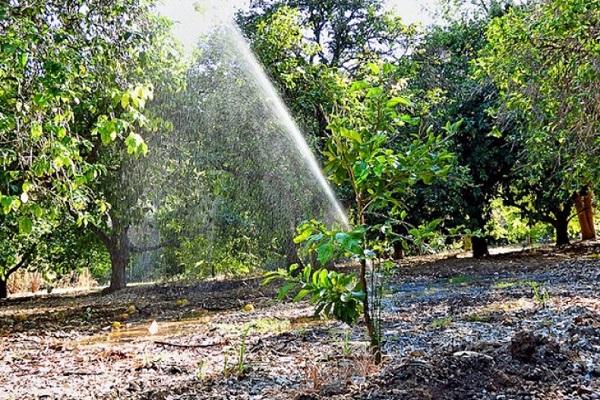
The application rate is 25-30 liters or 2-3 buckets. For watering, create circular grooves wider than the crown diameter, as the root system grows outward rather than inward. Water should penetrate to a depth of 40-50 cm. Drip irrigation is preferred for thorough soil saturation.
Note: Pollination may be a problem in cold and rainy springs. Cherry trees can be sprayed with a honey solution, banana peel infusion, or sugar syrup at intervals of 2-3 days. This attracts bees, which are more active in the pollination process..
How and what to feed cherries with
A Shpanka seedling has enough nutrients for a year. After that, it requires additional feeding for growth and subsequent fruiting. The following is the sequence of application:
- In early spring, nitrogen compounds are applied, incorporating dry granules before rain or following watering. This promotes rapid growth and active foliage development.
- During flowering, use organic matter: add an infusion of bird droppings or mullein, or a mixture of greens, to the tree's trunk circle. Follow proper dilution standards.
- In mid-June, complex fertilizers are useful, enriching the soil with a range of nutrients.
- After fruiting has finished, superphosphate and potassium nitrate are added to the soil so that the plant gains nutrients and survives the winter well.
Take a look Also
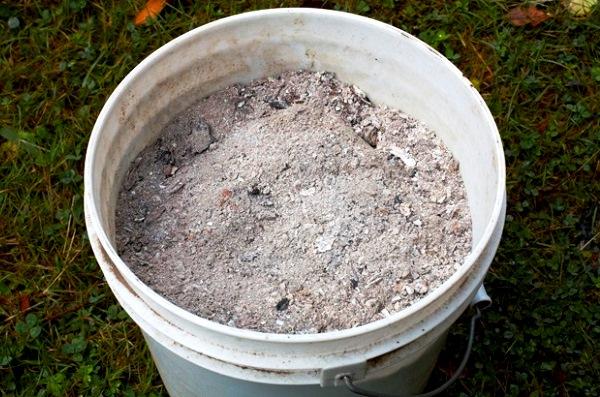
Over the summer, it is recommended to carry out 2-3 more fertilizing of the cherry tree with any organic mixtures.
Caring for the tree trunk circle
During the growing season, the cherry tree's trunk area is loosened, cleared of weeds, and watered. It requires mulching, using straw, dried leaves, humus, or compost.
This helps protect the soil from freezing or overheating, retains moisture, and prevents weeds from growing.
It's advisable to add mulch periodically. Add a layer in the fall before the tree goes dormant.
Formation of cherry tree crown
Pruning is carried out twice a year. In the spring, before the tree emerges from hibernation, branches damaged by frost or broken by the weight of snow are removed. In the fall, sanitary pruning is recommended, and diseased branches are removed throughout the summer. The Shpanka cherry tree develops a tiered crown consisting of 12-16 skeletal branches over 3-4 tiers.
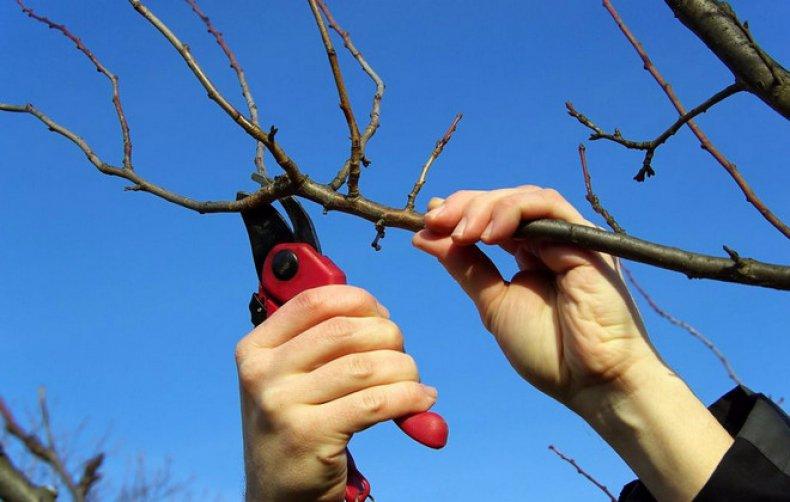
As the cherry tree grows, it is rejuvenated. Every 6-7 years, old branches are removed in three stages to prevent damage and weakening of the plant. Older shoots are called skeletal shoots, and replacements are prepared in advance (2-3 years).
Note: If pruning hasn't been performed and the Shpanka cherry tree is neglected, the crown must be renewed in several stages over a long period of time, otherwise the plant will die. No more than 1/4 of the green mass should be pruned at a time.
Protecting cherries from insects and pests
The Shpanka cherry tree is susceptible to fruit rot, scab, and anthracnose. It is also sometimes attacked by pests such as black aphids, cherry fruit flies, and weevils. Preventative measures include:
- removal of fallen leaves;
- autumn digging of the soil in the tree trunk circle;
- pruning shoots that thicken the crown;
- treated with chemicals or folk remedies.
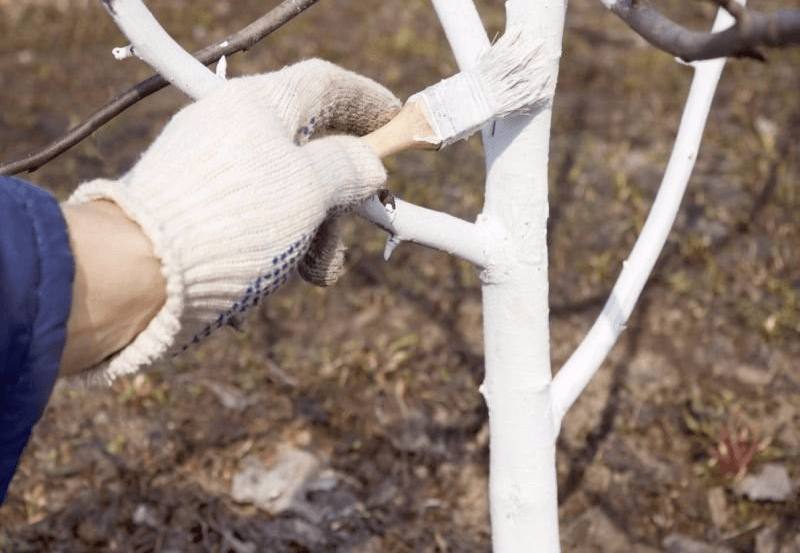
However, there is little information about this variety's susceptibility to disease. Shpanka rarely gets sick and is rarely attacked by pests.
We cover the tree for the winter
In the fall, cherries are prepared for winter hibernation:
- sanitary pruning of cherry trees is carried out, simultaneously sealing cracks in the bark;
- clean and loosen the tree trunk circle;
- mulch the ground around the tree by 8-10 cm;
- carry out good watering.
After the snow cover appears, the snow is raked up to the trunk, creating a large snowdrift to prevent the roots from freezing.
The Shpanka cherry tree was created by Mother Nature herself for the benefit of humanity. If this cherry hybrid is properly cared for and the tree is treated with love, it will yield an excellent harvest of juicy and delicious berries.
Related posts:
 Description and cultivation of the best varieties of felt cherry, planting and care
 20 Best Cherry Varieties for the Central Russian Region with Descriptions and Characteristics
 Description and pollinators of the Vladimirskaya cherry variety, planting and care
 Description and characteristics of 17 dwarf cherry varieties, planting and care
 Description of the 25 best cherry varieties for the Urals and Siberia, planting and care in open ground
 Description and propagation of the Bessey cherry variety, planting and care rules
 Description and varieties of Zhelezistaya cherry, planting and care
 Description of the 30 best cherry varieties for the Moscow region, planting and care