
- How to choose cherries for the Moscow region
- Selection criteria
- Specific features of the region's climate
- Susceptibility to diseases in this region
- Ripening time
- Self-fertility of varieties
- Tree dimensions
- The best varieties for planting in the Moscow region
- Self-fertile
- Shy
- Fad
- Bryansk spank
- Sweet cherry varieties
- In Memory of Yenikeev
- Mid-season
- Volochaevka
- Nurse
- Cinderella
- Bulatnikovskaya
- Turgenevka (Turgenevskaya)
- Radonezh
- Late winter-hardy cherries near Moscow
- Coral
- Robin
- Apukhtinskaya
- Early varieties of cherries
- Crystal
- Silvia
- Rastorguevskaya
- Dwarf and low-growing varieties
- Youth
- Brunette
- Morozovka
- Mtsenskaya
- Fairy
- Bystrinka
- Lighthouse
- Bushy species
- Generous
- Gnome
- Seliverstovskaya
- Fiery
- Vole
- Resistant to diseases and pests
- How to plant and grow cherries in the Moscow region
The Moscow region was once renowned for its bountiful cherry harvest, but now experts consider the crop capricious and difficult to cultivate in this region, especially given the seasonal temperature variations and the harshness of snow-white winters. Therefore, when choosing seedlings, it's important to carefully study the characteristics of the varieties and choose the right cherry variety for the Moscow region.
Today, breeders pride themselves on cultivars resistant to various fungal infections and weather conditions. When evaluating varietal characteristics, it's important to consider climate adaptability, as well as the taste and aroma of the fruit, and the decorative quality of its flowers.
How to choose cherries for the Moscow region
Cherry trees are found in all gardens, but it has not yet been possible to find a species ideal for cultivation in northern latitudes.
When choosing fruit varieties for the Moscow region, varietal characteristics are of great importance: yield, plant size, ripening time, pollination, frost resistance, resistance to various diseases and insidious pests. The specific climate of the region should also be considered.
Selection criteria
Cherry varieties for the Moscow region should have the following characteristics:
- frost resistance is at a high level, the plant must withstand minimum temperature indicators;
- winter hardiness, the crop should not react negatively to frost, icing and sudden temperature changes;
- the ability to resist diseases that are caused by strong changes in temperature;
- self-fertility;
- high yield;
- short stature;
- mid-early ripening period.
The listed characteristics are considered the most optimal, and if the selected variety has them, the plant will quickly take root and produce a generous harvest.
Specific features of the region's climate
Cherry trees for the Moscow region must be able to withstand harsh winters. Neither the trees nor their flower buds should be frost-resistant. Among these, the following are noted:
- Volochaevka;
- Bulatnikovskaya;
- Robin.
Susceptibility to diseases in this region
Coccomycosis, moniliosis, and clasterosporium are diseases that cause significant damage to cherry orchards. Therefore, when choosing cherries, choose varieties that are relatively resistant to these diseases. These varieties boast the following:
- Morozovka;
- Fairy;
- Kharitonovskaya;
- Turgenevka.
Ripening time
Varieties differing in their flowering phases have allowed them to be divided into groups: early, mid-season, and late. More new mid-season cherries have been developed. Fruit from these trees can be harvested from June to the end of July.
Self-fertility of varieties
In the Moscow region, rain and cool weather occur during flowering, preventing bees and other pollinators from flying during this time. Therefore, there is a high risk of losing a harvest. Gardeners have long noticed this pattern and have selected self-pollinating varieties, including:
- Chocolate girl;
- Volochaevka;
- Youth.
Tree dimensions
There are tall and short varieties of fruit trees. For growing in gardens near Moscow, it's best to choose short varieties, as they save space and are also easy to harvest. Short cherry trees include:
- Lyubskaya;
- Youth;
- Radonezh.
The best varieties for planting in the Moscow region
Elite fruit tree varieties suitable for the Moscow region are classified according to criteria such as pollination, ripening time, fruit flavor characteristics, and plant size.
Self-fertile
Self-pollinating cherries do not require nearby pollinators and are capable of fertilizing themselves without the help of insects. This characteristic is characteristic of the varieties listed below.
Shy
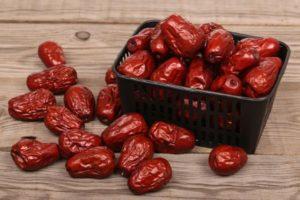
This medium-sized, late-ripening plant was bred by staff at the Lupine Research Institute. Its fruits are dark, almost black, and have soft, firm flesh. This frost-hardy, self-fertile variety produces a large number of fruits and requires little care. It demonstrates resistance to a variety of infections.
Fad
This cultivar has a mid-season ripening period, grows quickly, reaches a medium size, and begins to bear fruit. The crown is dense, with a slightly upright shape. Large, flat-round fruits weighing 5 grams have juicy flesh. Excellent yields and cold resistance captivate gardeners.
Bryansk spank
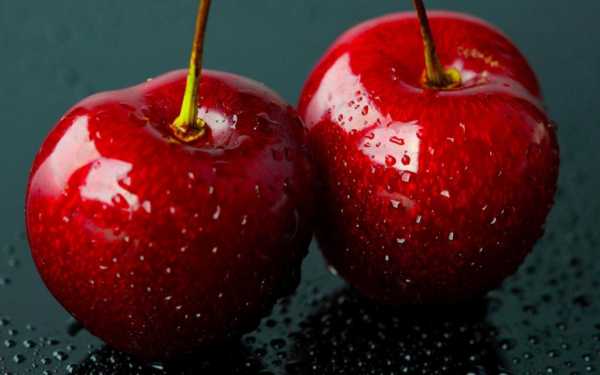
A hybrid of well-known varieties, its main distinguishing feature is its resistance to adverse weather conditions and disease. The fruits weigh 5 grams, have a round, flattened shape, firm flesh, and a brown skin.
Sweet cherry varieties
The quality of the fruit is of great importance when choosing a variety, since the gardener plans to harvest delicious cherries when planting.
In Memory of Yenikeev
A medium-sized fruit tree with a drooping crown. The 5g fruits are oval-shaped with a red center and are renowned for their excellent flavor. This self-fertile variety boasts an enviable yield and ripens mid-early. The harvest can be enjoyed as early as July.
Mid-season
Popular mid-season cherry varieties include the following representatives.
Volochaevka
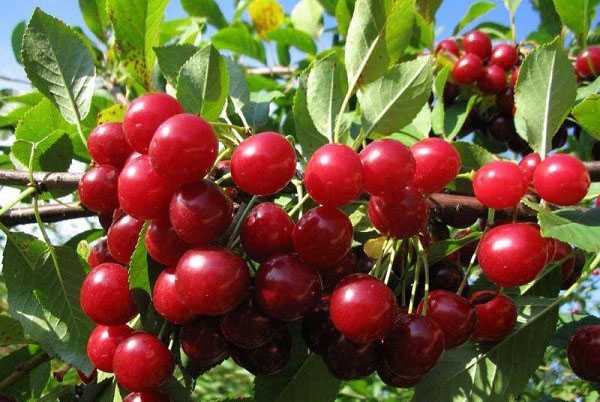
A time-tested variety ideal for the Moscow region. It produces a bountiful harvest of large, ruby-colored fruits weighing 4.5 grams. It is self-fertile, tolerates frosts well, and grows at a moderate height. The plant's only drawback is its susceptibility to fungal diseases.
Nurse
The plant has a pyramidal crown and brown skeletal branches that cling tightly to the pole. This mid-season variety is considered unique due to the impressive size of its juicy and dense fruits, which weigh up to 8 grams. Kormilitsa requires pollination, is resistant to sudden temperature changes, and has strong immunity to common diseases and dangerous insects.
Cinderella
This mid-season variety is tolerant of sudden temperature fluctuations and is resistant to infectious diseases. Fruits weigh up to 4 grams, are oval in shape, and have a sweet and sour taste. The plant is self-fertile, producing a harvest that is not only of high quality but also of high quantity.

Bulatnikovskaya
This self-fertile variety boasts stable yields and the ability to survive short-term frosts. Its reproductive and vegetative organs are moderately sensitive to cold and drought, and are rarely affected by fungal diseases. Disadvantages: uneven fruit ripening and a dull flavour, inferior to other varieties.
Turgenevka (Turgenevskaya)
A low tree, 3 meters tall, with an inverted-pyramidal crown. Fruit can be enjoyed as early as the second month of summer. With sufficient sunlight, the cherries will be juicy and not sour. Requires pollinators, is cold-hardy, productive, and easy to transport.
Radonezh
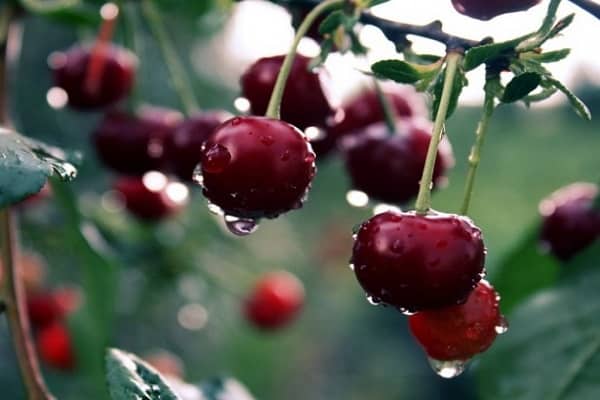
This low-growing plant was developed by Bryansk breeders Astakhov and Kuvshinov. Radonezh is resistant to temperature fluctuations and disease, but produces an average yield. The fruits have a refreshing taste, an attractive dark red hue, and weigh up to 4-4.5 grams.
Late winter-hardy cherries near Moscow
In the autumn, the first frosts begin in the Moscow region, so late varieties must be frost-resistant.
Coral
This cultivar can grow up to 3 meters tall and form an oval-shaped crown. The variety owes its name to the coral-colored skin of its fruit. It is distinguished by its late fruiting, which occurs in August.
Robin
The 3-meter-tall plant has a spherical crown. The berries are dark red, up to 5 grams in size, and have a bright, acidic flavor. It is characterized by late ripening, resistance to severe frosts, and high yield potential.
Apukhtinskaya
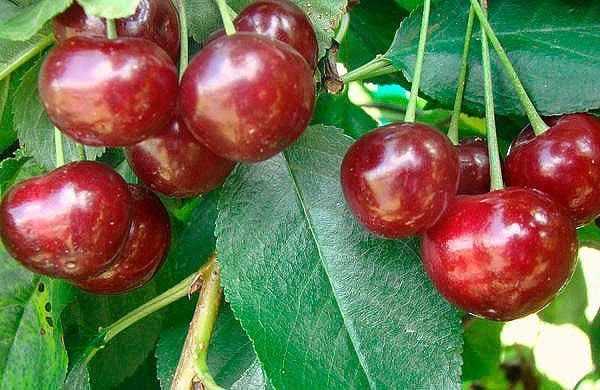
A folk-bred variety with enviable popularity and abundant fruiting. When eaten, the berries have a unique flavor and a slight tartness. Homemakers claim this variety makes excellent jam. It has average resistance to a range of environmental factors during the winter and is often affected by coccomycosis.
Early varieties of cherries
Early cherry varieties are in high demand—they bloom in May, and you can enjoy the delicious berries in June.
Crystal
One of the most common varieties, distinguished by its ability to withstand adverse winter conditions and immunity to coccomycosis. This compact tree grows up to 3.2 m tall, with a pyramidal crown. Fruit development begins in late June, and the fruit weighs from 4.7 to 5.7 g. Each fruit imparts a refreshing sweet and sour taste. However, the plant is susceptible to moniliosis.
Silvia
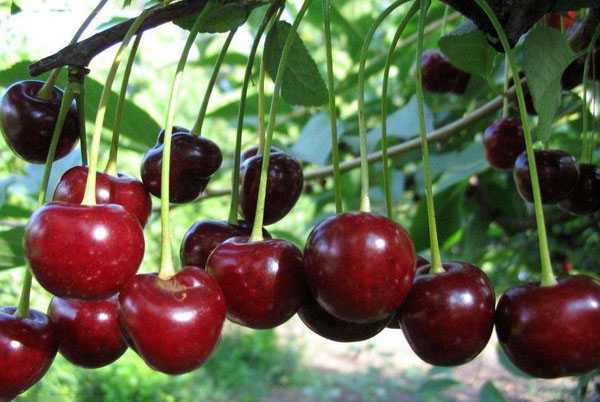
The plant grows 3 m tall and has a dense, conical crown. The fruits are small, up to 2 g, with a tart flavor and a red color. Silva is resistant to severe cold and is easy to transport. Disadvantages: susceptibility to diseases, average yield of small fruits.
Rastorguevskaya
A moderate-sized fruit tree with an attractive, round crown. The fruits are large, weighing up to 4 grams, with red, juicy flesh. Its positive characteristics include a stable yield and excellent flavor. A drawback of this variety is that the plant is susceptible to fungal attacks and frost damage.
Dwarf and low-growing varieties
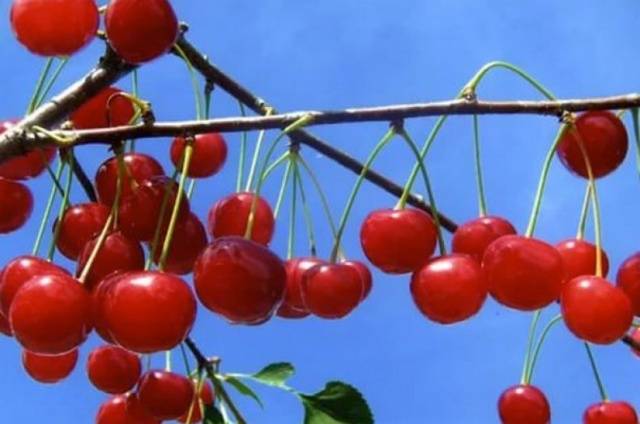
Low-growing cherry varieties are versatile because they take up little land in the garden and are easy to harvest.
Youth
Breeders crossed two varieties, Lyubskaya and Vladimirskaya, to create the Molodezhnaya hybrid. It grows as both trees and shrubs, but reaches a maximum height of 2.5 meters.
It begins fruiting in July. The fruit has a sweet taste with a slight tartness.
It tolerates cold well and produces an impressive harvest, but is susceptible to fungal attacks.
Brunette
A medium-sized cherry tree, up to 2.5 m tall, with a spherical, branched crown. The fruits are round and flattened, weighing up to 4 g and boasting a burgundy hue and stunning flavor. Fruit development begins in July. It is resistant to temperature fluctuations and drought.
Morozovka
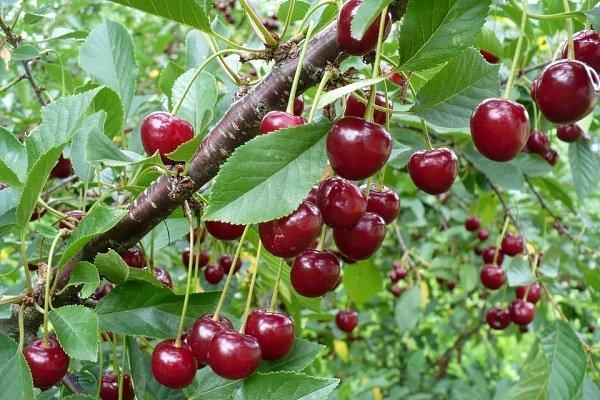
One of the best domestically bred varieties. The tree grows up to 2.5 m tall with a wide, dense crown. The fruits are large, round, weighing up to 5 g, with red flesh and a slight sourness. Advantages: resistance to cold and drought, as well as resistance to common diseases.
Mtsenskaya
By crossing the Zhukovskaya and Lyubitelskaya cherry varieties, breeders developed the short Mtsenskaya cherry. The plant grows up to 2 meters tall, with a branched, oval-shaped crown. The fruits are round, weighing up to 4 grams. They are prized for their firm red flesh and skin. The yield is high, the variety is resistant to sudden temperature changes, and is rarely damaged by pests, although it is often affected by coccomycosis.
Fairy
The plant is characterized by a low height of only 2 meters and a high yield. Its resistance to diseases and frost is average. A disadvantage is the small fruit size.
Bystrinka
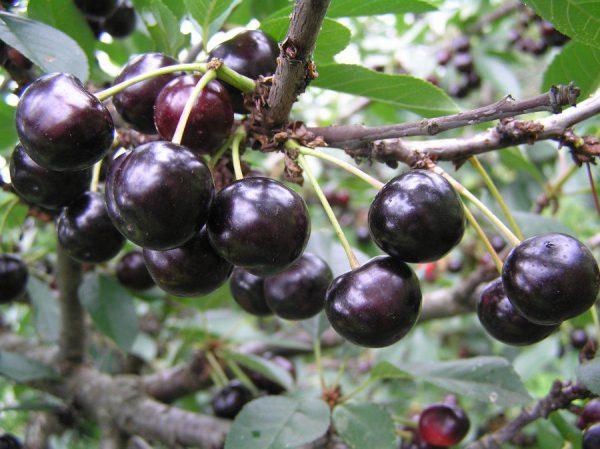
This variety was created by crossing the Zolushka and Zhukovskaya varieties. The small plant grows only 2-2.5 m tall, with a spherical crown. The berries are oval, weighing 4 g, with a burgundy, dense skin and tender flesh. It is partially self-fertile, but requires pollinators; without them, yields suffer.
Lighthouse
A low-growing variety bred domestically, one of the best hybrids, up to 2 m tall with a branched, spherical crown. It is distinguished by its large cherries, up to 6 g, with burgundy skin. A disadvantage of this variety is its high susceptibility to coccomycosis.
Bushy species
Cherry trees, in the form of low shrubs, are a new variety of fruit tree that is gaining popularity among gardeners every year.
Generous
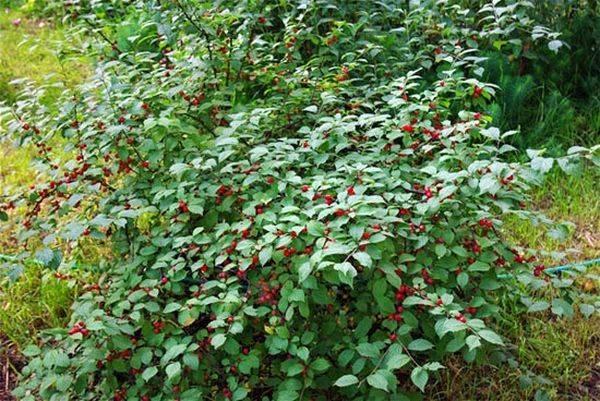
A bush cherry variety, its main advantages are its cold resistance and high yields of both quantity and quality. The fruiting bush grows to 2 m tall, with branched branches. The round, red fruits are small, weighing 3 to 5 g. Due to their sweet, tart flavor and rich, unique aroma, they are prized by homemakers, as they make an excellent base for aromatic jam.
Gnome
A late-ripening, self-fertile variety in the form of a bush, growing from 1 to 1.5 m. The fruits are bright red and weigh up to 4 g. The main advantages of this variety include good annual fruiting, while its disadvantages include a dull flavor and poor resistance to coccomycosis.
Seliverstovskaya
The plant is a medium-sized, multi-stemmed shrub up to 2 m tall with a spherical crown. Small fruits, up to 3.5 g, are red in color and have firm flesh. Advantages: annual fruiting, self-fertility, and immunity to common diseases.
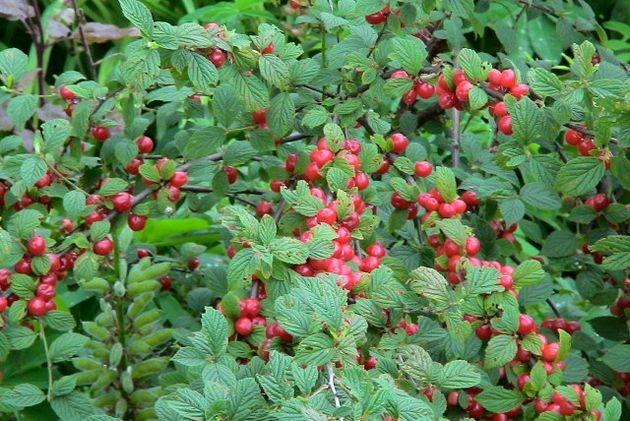
Fiery
The bush grows 1.6-2 m tall with a branched crown. Fruit weight is 6 g. The variety is resistant to cold and lack of moisture, but is susceptible to coccomycosis.
Vole
A medium-sized plant with a spherical crown. The fruits, weighing up to 3 grams, are round and uniform. Its advantages include frost resistance, high yield, and resistance to fungal diseases. Its disadvantages include small fruits and their bland flavor.
Resistant to diseases and pests
No cultivar exhibits resistance to all diseases simultaneously. Some species are relatively resistant to coccomycosis, including:
- Brunette;
- Volochaevka;
- robin;
- Youth;
- Sudarushka;
- Silva.
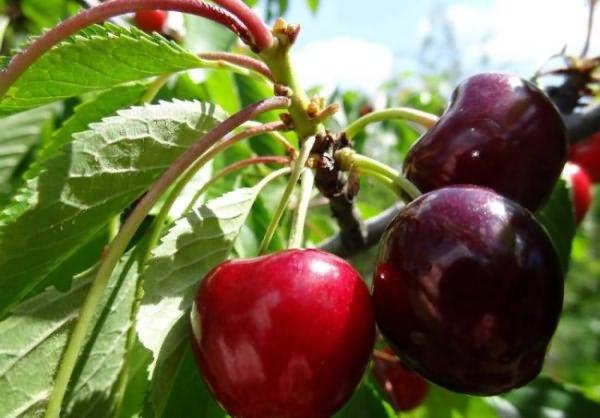
Fruit crops growing in the Moscow region are susceptible to diseases such as:
- Coccomycosis. Affected plants are characterized by yellowed leaves that eventually fall off.
- Moniliosis. The fruits become covered with a white coating and gradually rot. The leaves and branches dry out.
- Clasterosporium leaf spot. Leaves become covered in brown spots, which then develop into holes. Fruit dries out.
Correct selection of variety and compliance with all agricultural standards will help avoid the possibility of plant infection.
How to plant and grow cherries in the Moscow region
Before planting, choose the right place, which should be elevated, ventilated and illuminated, and protected from cold air currents.
Avoid planting the seedling in lowlands, basins, or close to groundwater. Light, loamy soil with a neutral pH is more suitable.
It is recommended to plant in open ground after the snow melts. Dig a hole in the shape of a cube with sides 60 cm wide, spacing the seedlings at least 3 m apart. Place a sturdy stake in the center of the hole, and create a mound of fertile soil at the bottom, on which to plant the cherry tree. Carefully fill the hole with fertile soil, ensuring the root collar is 3-4 cm above ground level.
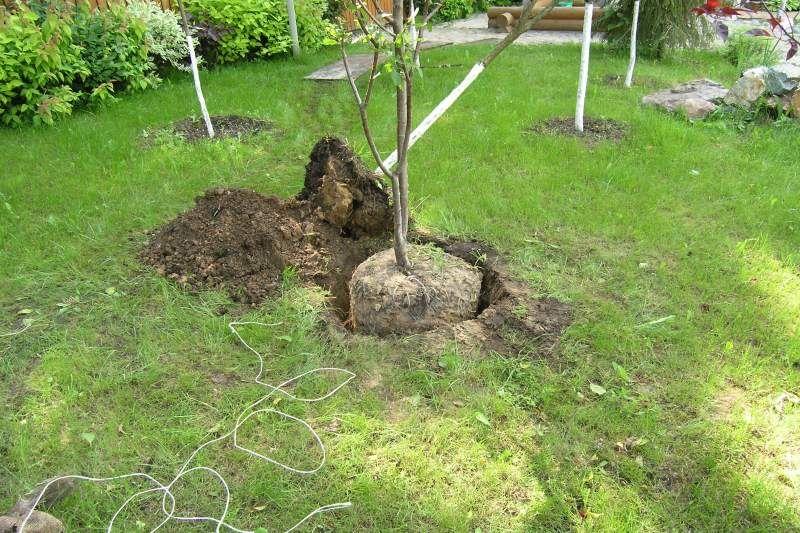
Caring for seedlings is simple:
- Water abundantly. During the first year, this means watering abundantly; subsequently, only during droughts, and loosening the soil after heavy rains.
- Necessary fertilizing. Apply complex fertilizers twice during the growing season. The first fertilizing is done at the end of the flowering period and in the fall after fruiting.
- Mandatory pruning. Prune the crown in early spring after 2-3 years. Rejuvenating pruning of fruit trees is performed every 5-6 years.
- Regular weeding. The plant should be weeded regularly, especially in the first few years. Growing the plant also requires prompt removal of root suckers.
Cherries in the Moscow region can also produce a bountiful harvest of excellent quality, despite the unique climate. The key is to choose the right variety, plant it correctly, and follow the rules and recommendations for care.
Related posts:
 80 Best Eggplant Varieties for Different Regions with Descriptions and Characteristics
 Descriptions of the 20 best cherry varieties for the Moscow region, their planting and care
 The best grape varieties for growing in the Urals, planting and care rules in summer
 Description of 30 varieties and types of Muscat grapes, planting, cultivation and care
 Description and characteristics of the 60 best sea buckthorn varieties, how to choose depending on the region
 Description and characteristics of the 27 best plum varieties for the Urals, planting and care
 Description and cultivation of the 15 best cherry plum varieties for the Moscow region, planting and care rules
 Description of the 30 best plum varieties for the Moscow region, planting and care