
- Growing characteristics by region
- Southern
- Average
- Northern
- The best varieties
- Ultra-early
- Zilga
- In memory of Dombkovskaya
- Alyoshkin
- Muscat White Very Early
- Early ripening
- In memory of Shatilov
- Pink Muscat
- Antario
- Sharov's Riddle
- Beauty of the North
- Crystal
- Cardinal
- Hybrids
- Amur
- Amethyst
- Amursky-1
- Amursky-2
- Amur black
- Bashkir
- White, super-early, high-yielding
- Bui-Tui
- Pinocchio
- Vaskovsky
- Gulya
- Marshmallow
- Katyr-2
- Moscow Steady (Skuin)
- Katunsky
- One
- Pink non-covering
- Taiga
- Teremok
- Hasansky Boussa
- Hasansky sweet
- Siberian bird cherry
- Express
- Amber
- Golden Potapenko
- American
- Seneca
- Valiant
- Venus
- Lucille
- Alpha
- Moores Early
- Reliance Pink Cidis
- European-American
- Lando Noir
- Louise Star
- Somerset Seedless
- Triumph
- How to plant correctly
- Preparing the seedling
- Choosing a location
- Open ground
- Greenhouse
- Soil preparation
- Planting diagram
- How to grow
- Top dressing
- In the spring
- In summer
- In the fall
- Watering
- Mulch
- Formation
- Trimming
- Pinching
- Pinching out stepsons
- Tying to a trellis
- Shelter for the winter
- How and when to open
- Treatment for diseases
- Pest control
- Harvesting and storage
- Propagation from cuttings
- Tips for Beginners
Following proper grape care in the Urals during the summer can help achieve good results. Experienced gardeners recommend choosing varieties that are resilient to severe temperature drops and recurrent frosts. Timely watering, pruning, and protection from diseases and pests are also crucial. Strict adherence to proper agricultural practices helps ensure a bountiful harvest.
Growing characteristics by region
When growing grapes in the Urals, it is worth focusing on the regional characteristics of the region.
Southern
This region is characterized by a harsh climate. It experiences snowy winters and temperatures down to -40 degrees Celsius. Summers are short, characterized by cool temperatures and abundant precipitation. Temperatures fluctuate sharply between day and night.
To grow grapes in the Southern Urals, it's important to consider the climate and follow agricultural recommendations. Standard care will result in the death of the crop. It's recommended to choose frost-resistant and early-ripening varieties.
Average
This region is characterized by more severe frosts. Return frosts are common, which can cause crop losses and even plant death. Choosing regionalized varieties will help avoid this.
Northern
Special protective measures are used to grow grapes in the Northern Urals. To prevent the vines from freezing, special protective structures are used. Locally bred grapes tolerate light frosts well. However, when temperatures drop below -5 degrees Celsius, the plants must be covered.
The best varieties
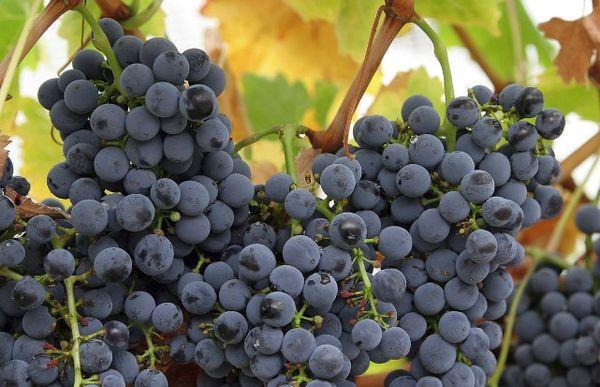
To ensure that grapes grow and develop well in the Urals, it is necessary to pay attention to the choice of crop variety.
Ultra-early
Very early varieties that are frost-resistant are suitable for this region.
Zilga
This is an easy-to-grow crop that tolerates frost well. The berries ripen within four months. This variety produces small clusters weighing 100 grams. The fruits are round and purple in color. They have a sweet and sour taste and a rich aroma. The bush is prone to recovery after frost damage.
In memory of Dombkovskaya
It takes three months for the fruits of this variety to ripen. This variety is characterized by high yields. It can be grown even in conditions of high humidity and heavy rainfall. The berries can remain on the vine until the onset of cold weather. The clusters weigh 400 grams. The fruits are seedless and have a sweet taste. They are characterized by thin skin and medium size. This variety tolerates temperatures down to -30 degrees Celsius.
Alyoshkin
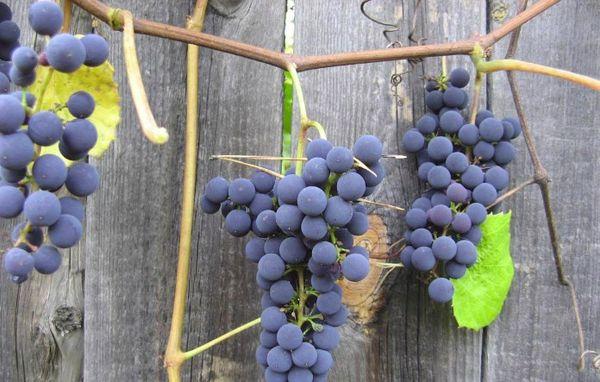
The fruit ripens in 115 days. This variety produces fruit consistently, even in cloudy weather. The clusters are conical and weigh 500 grams. The fruits are large and amber-colored. They have a sweet flavor. This variety has excellent frost resistance.
Muscat White Very Early
This is an ultra-early variety, ripening in no more than three months. The clusters weigh 300 grams. The fruits are characterized by their white color and large size. They have a sweet flavor with hints of muscat.
Early ripening
Early-ripening grape varieties are well suited for cultivation in the region. There are many varieties of these grapes.
In memory of Shatilov
This early crop ripens in 100 days. A good harvest is possible even with heavy rainfall. The bunches weigh up to 600 grams, sometimes reaching 1.5 kilograms. The berries are light in color and sweet in flavor. This variety is characterized by high frost resistance.
Pink Muscat
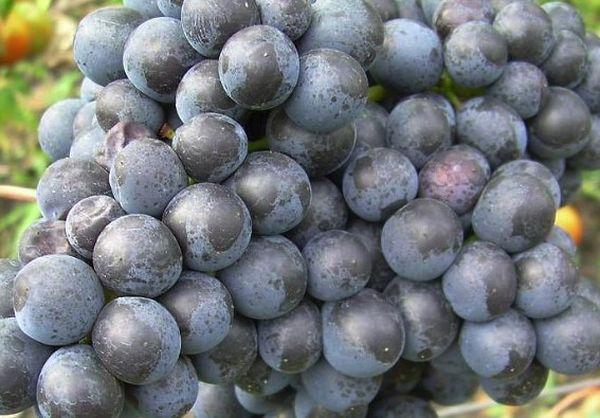
This variety is characterized by conical-shaped clusters. They weigh 600 grams and bear large pink berries. The fruits have a pleasant flavor and a muscat aroma. The variety is resistant to low temperatures.
Antario
This variety is frost-resistant. It produces high-quality fruit with a distinct labrys scent. It is often grown in the Urals. It can be used for ornamental purposes, such as arbour decoration. The plant tolerates temperatures down to -30°C. The clusters weigh 200 grams.
Sharov's Riddle
This variety is characterized by relatively small clusters weighing up to 200 grams. They produce small, dark-blue fruits. The berries have a pleasant flavor and a distinct strawberry aroma. The fruits ripen fairly early.
This variety is characterized by frost resistance. It can survive the winter under snow cover and requires no additional cover.
Beauty of the North
The plant is characterized by a stable yield. Clusters weigh up to 600 grams. The fruits are light-colored and oval-shaped. They have a unique flavor and distinct aroma. The variety easily tolerates low temperatures.
Crystal
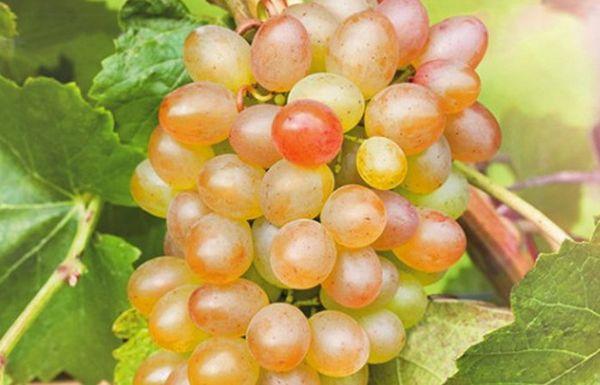
This variety is characterized by its resistance to frost and disease. The fruits are white-green with a slight blush. The grapes are characterized by a stable yield. This variety can be grown in the foothills of the Urals. The bushes are medium-sized and ripen in a medium period.
Cardinal
This American variety produces attractive berries with excellent flavor. However, it's not considered particularly frost-hardy. In the Urals, it's recommended to cover it.
Hybrids
There are many hybrid varieties that can be grown in difficult climatic conditions.
Amur
Amur hybrids are very popular. They are characterized by large berries with excellent flavor.
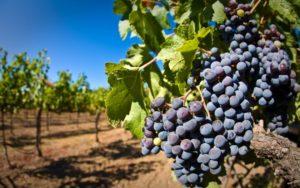
Amethyst
The grapes ripen in late August. The bunches reach 700 grams and are distinguished by a blue-violet color. The plant easily tolerates temperatures down to -30 degrees Celsius and short-term frosts down to -36 degrees Celsius. The sugar content is 25%.
Amursky-1
This is an ultra-early variety that ripens in 70-90 days. Temperatures range from 18-20°C (64-68°F). Ripening occurs in the first half of August. The bush is compact and disease-resistant. It easily tolerates severe frosts down to -42°C (-42°F).
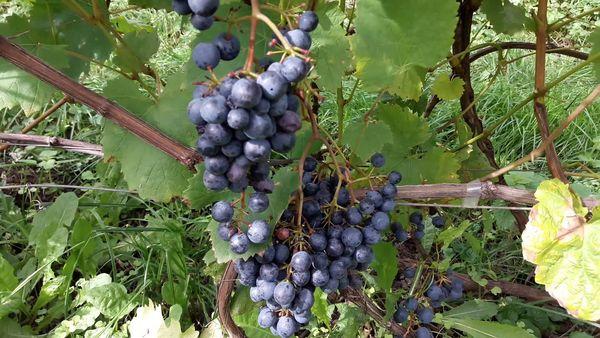
Amursky-2
This hybrid variety was developed by F. I. Shatilov. It's an ultra-early cultivar with black fruit. The berries are medium-sized and have a harmonious flavor. A plant can yield up to 10 kilograms of fruit. The berries can be used to make delicious juices and wines.
Amur black
This ultra-early crop is characterized by high frost resistance—down to -36 degrees Celsius. The fruits ripen within 85-90 days.
Bashkir
This early variety was bred by L.N. Streljaeva. The plant is characterized by small, loose clusters, averaging 27 grams. The berries are round and weigh 0.8 grams. They are covered with a dense skin, containing juicy pulp.
White, super-early, high-yielding
This is an extra-early variety, a Shatilov hybrid. The plant produces large, white fruits.
Bui-Tui
In the central part of the world, this variety can be grown uncovered. It is characterized by high frost resistance and rapid growth.
Pinocchio
This is a hybrid variety of Sharov that ripens early. The bush can be grown uncovered. It is characterized by a medium height. The clusters weigh 30-80 grams. The fruits are white and round.
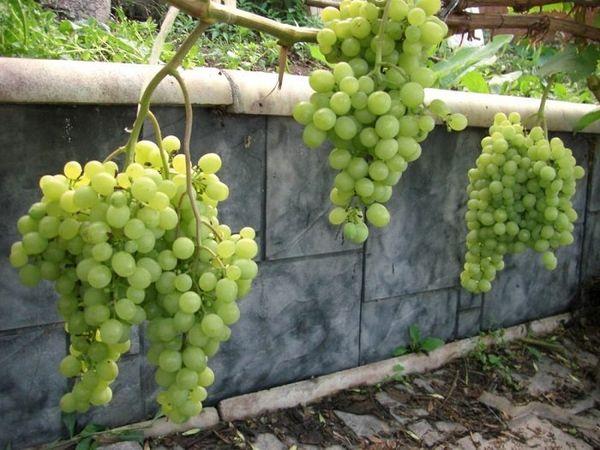
Vaskovsky
This variety is distinguished by excellent frost resistance and high yield. The fruits are black and medium-sized. The clusters are quite large. The berries are low in sugar.
Gulya
This variety is popular in Lithuania and Latvia. It is considered a very early ripening variety. It is recommended to plant it with other varieties that act as pollinators. The berries are medium-sized and round. Inside, the flesh is juicy, with a harmonious flavor and distinct aroma.
Marshmallow
This variety produces medium-sized fruits with a pink color and a dessert-like flavor. The plant is resistant to mildew, frost-resistant, and high-yielding.
Katyr-2
This variety is characterized by blue, oval-shaped fruits. They are medium to large in size and have a unique flavor. Ripe fruits can remain on the bush for a long time. They are resistant to diseases and wasps. This variety is considered an extremely early variety and tolerates frosts well.
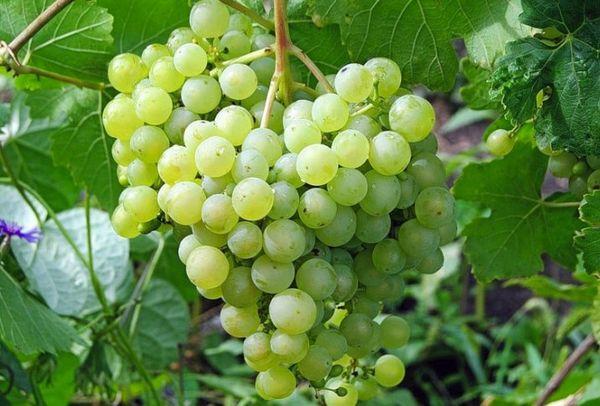
Moscow Steady (Skuin)
This is a complex hybrid variety considered quite resilient. The clusters are small, weighing 50-70 grams. They are characterized by a conical shape and moderate density. The fruits have an amber color and a complex muscat aroma.
Katunsky
This variety is characterized by frost resistance and high yields. It produces white-green fruits with an excellent flavor and muscat aroma.
One
The fruits of this variety ripen in late August. They are pink and weigh 4 grams. The clusters can reach 400 grams. This variety is highly frost-resistant, withstanding temperatures as low as -40 degrees Celsius.
Pink non-covering
This variety was developed by A. I. Vaskovsky. It is an uncovered crop intended for table use. It is characterized by high yields and excellent flavor.
Taiga
This is a vigorous cultivar, with clusters weighing 120-140 grams. Berries weigh 2-3.5 grams. They are black or dark blue in color. The fruit has an excellent flavor. This variety is considered high-yielding, characterized by early ripening and rapid growth.
Teremok
The plant produces medium-sized bushes that are highly winter-hardy. The fruits are black and round. They ripen in late August. The berries can remain on the bush for a long time and are resistant to disease or insects.
Hasansky Boussa
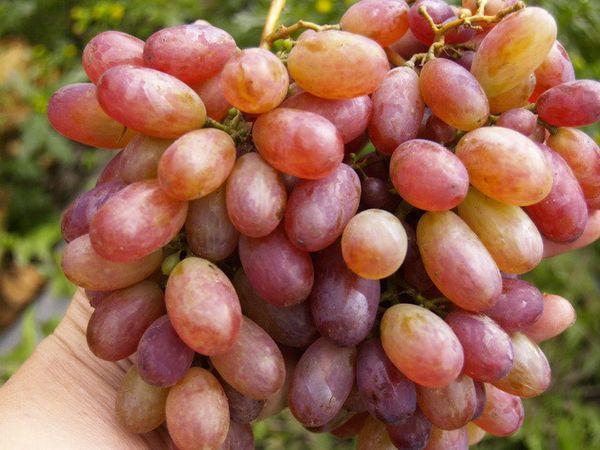
This is a commercial variety characterized by high disease and frost resistance. The bushes are large and highly productive. The plant is quite frost-resistant and resistant to mildew.
Hasansky sweet
This sweet variety was bred in the Far East. It is characterized by a short growing season. The bushes grow quickly, with annual growth reaching up to 5 meters. This is an extremely early crop that can withstand temperatures as low as -35 degrees Celsius. The clusters are small to medium in size, reaching 8-12 centimeters. The berries are flattened and dark blue in color.
Siberian bird cherry
This very early variety produces round, blue-hued fruits. They have a characteristically simple flavor. The aroma is reminiscent of bird cherry. The fruits can remain on the bush for a long time, and their flavor only improves. The variety is considered frost-hardy.
Express
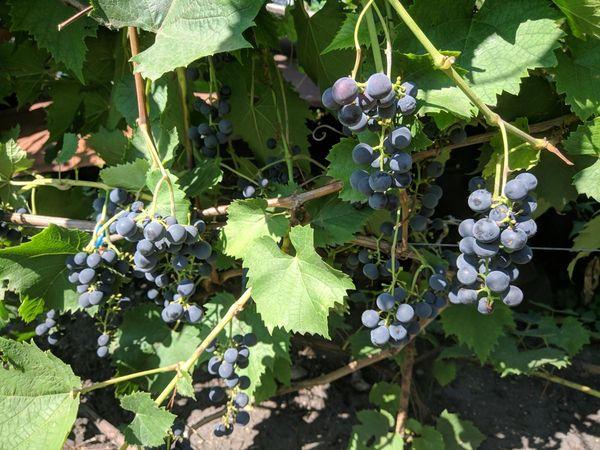
This is an ultra-early crop that ripens even in cold regions. It is characterized by high yields and excellent flavor. The variety is considered universal. The fruits ripen in the first half of September.
Amber
This plant can withstand temperatures down to -34 degrees Celsius. It produces a bountiful harvest every year. The fruits are medium-sized and sweet.
Golden Potapenko
This white variety has unusually shaped berries. It tolerates northern climates well. In warmer climates, the plant's growth slows, and there's even a risk of death.
American
Today, there are many American varieties that are adapted to the harsh conditions of the Urals.
Seneca
This variety is seedless and ripens early. The clusters are medium-sized and loosely structured. The fruits are oval-shaped and red in color. The flesh is quite firm and has an excellent flavor and fruity aroma.
Valiant
This variety is considered quite frost-resistant. It ripens early. The bushes are large, with medium-sized clusters. The fruits are dark blue in color and have a flavor reminiscent of Isabella.
Venus
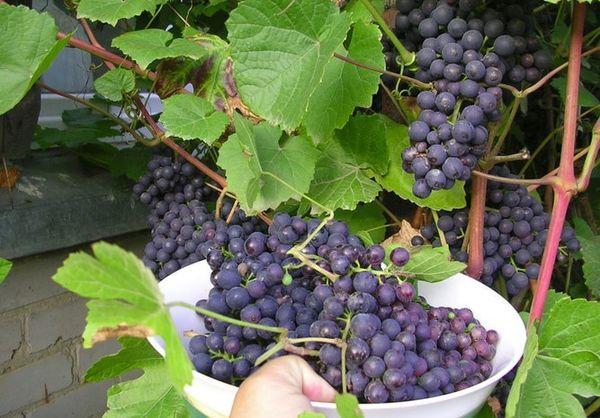
This variety is considered seedless. It is characterized by an early ripening period, lasting 120 days. The clusters are medium-sized, weighing 200 grams. The fruits are quite small, weighing no more than 2-3 grams. The berries are round and blue in color.
Lucille
This pink grape is widely used to make juices and jams. The bunches weigh 320 grams, and the berries reach 3 grams. In cool summers, the berries have a tart taste. In sunny weather, they become sweeter. This variety is characterized by high yields.
Alpha
This variety is considered easy to grow and high-yielding. The bushes grow to large sizes, and the berries ripen quickly. The plant is resistant to fungal diseases and easily tolerates temperatures down to -40 degrees Celsius. The clusters are medium-sized and dense.
Moores Early
The plant can withstand temperatures down to -36 degrees Celsius. This variety is considered high-yielding. It is characterized by a dark purple color. The berries have excellent flavor and ripen in late September. The clusters are medium-sized and conical in shape. To speed up ripening, it is recommended to trim the foliage around the clusters in early September.
Reliance Pink Cidis
This variety produces fruit in late July. It produces clusters weighing 150 grams. They are cylindrical-conical in shape and moderately dense. The berries are small, weighing 2 grams each. They are seedless. The fruits are pink in color and have an excellent flavor. The plant can withstand temperatures as low as -27 degrees Celsius.
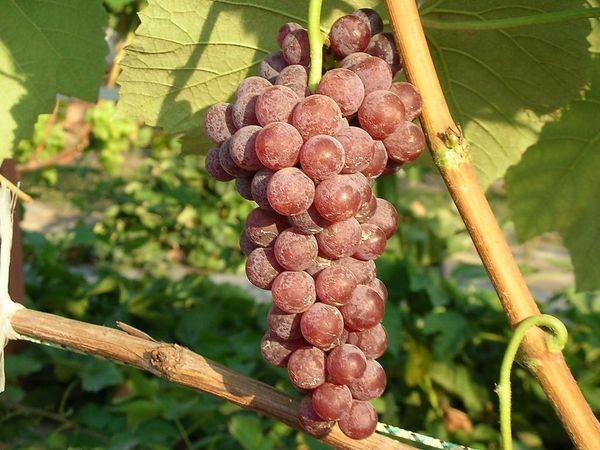
European-American
This group includes approximately 20,000 hybrid varieties. They were developed by breeders in Europe and America.
Lando Noir
This variety was developed by French and American breeders. It tolerates frost well and is characterized by high yields. The fruits ripen quickly. The grapes can withstand temperatures down to -30 degrees Celsius.
Louise Star
This frost-hardy bush boasts consistent yields. Fruit ripens 125-135 days after bud formation. The bushes bear dense, small clusters. The berries are light green and have a medium flavor. This variety is primarily used for winemaking.
Somerset Seedless
This variety can tolerate temperatures down to -30-34 degrees Celsius. It is characterized by early ripening. The clusters are small to medium in size, bearing small pink fruits. These grapes are characterized by excellent flavor and a low yield.
Triumph
This is an American table grape. It is characterized by vigorous shoots and long clusters. The plant bears large, oval fruits. The crop yields fruit in late August. The varietal characteristics improve with age.
How to plant correctly
To ensure the full development of the crop, it is important to carry out planting work correctly.
Preparing the seedling
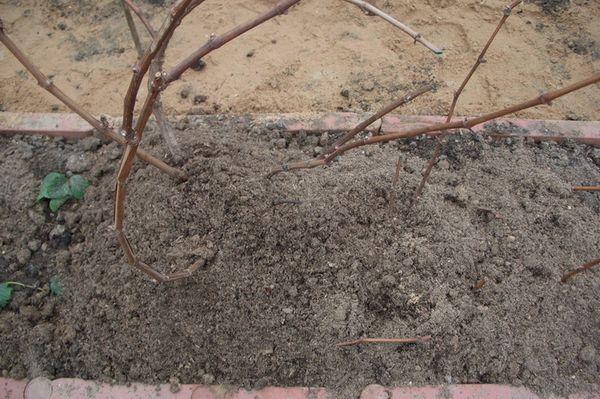
To prepare bushes for planting, you should do the following:
- Soak the roots in clean water for 2 days. You can also use growth stimulants, such as Kornevin.
- After this, carefully examine the condition of the roots. Any damaged parts should be removed.
- Preserve the roots at the two lower nodes. Trim the remaining elements with a knife.
- Trim the ends of the remaining roots to 25 centimeters.
- Inspect the lateral shoots and leave only the two strongest ones. These should be cut back to 3-5 buds. Remove side shoots.
Choosing a location
It's recommended to plant grapes on a slightly elevated site. Keep in mind that the bushes should face south or east. Young vines should not be exposed to shade.
Open ground
Cuttings can be planted in open soil only if the soil is completely warm. There should be no risk of frost. Cuttings should be hardened off beforehand.
Greenhouse
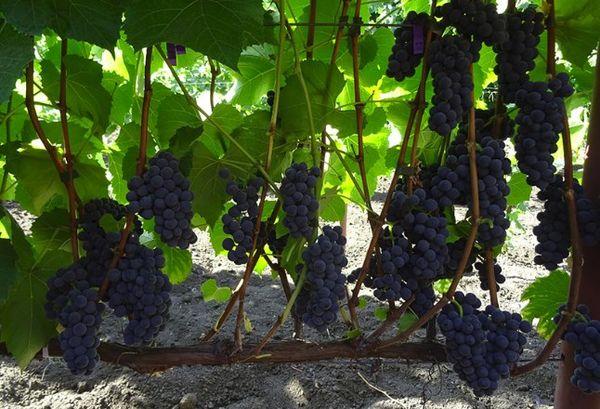
Preparatory work for growing cuttings in a greenhouse should begin no earlier than February. It is recommended to germinate the planting material first. A heating system should be installed when growing grapes in a greenhouse.
Soil preparation
The planting hole should be dug a couple of months in advance. It's recommended to water it to compact the soil and add phosphate fertilizer. After two months, place the seedling in the hole and cover with soil.
Planting diagram
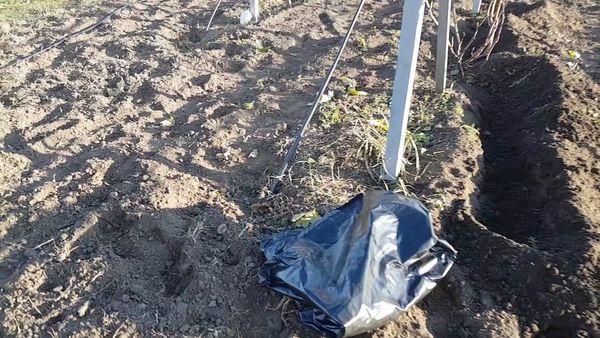
If you plan to plant several bushes, you can dig a trench for them. It should be at least 1 meter wide and deep. Place a drainage layer of large stones at the bottom. The layer should be 20-30 centimeters thick.
Next, place a 10-15 cm layer of expanded clay, and top it with a mixture of garden soil, humus, and sand. Fertilizers containing potassium and phosphorus can be added to the mixture.
How to grow
To ensure the plant thrives, it is recommended to provide it with comprehensive care. This includes timely watering, fertilizing, and pruning.
Top dressing
Proper grape care is impossible without essential fertilizing. This isn't necessary during the first two to three years. The plant receives sufficient fertilizer from the planting process.
In the spring
To grow grapes, add chicken manure in early spring. Apply half a bucket of the substance per bush. Then, water the trench generously and cover with soil.
In summer
In July or August, ammonium nitrate and potassium magnesium sulfate can be used. Wood ash infusion is also highly effective.
In the fall
Grapes should be fertilized in the fall every 3-4 years. This helps to enrich the soil with micronutrients. These are applied in early fall or after harvest. Potassium salt and superphosphate are commonly used.
Watering
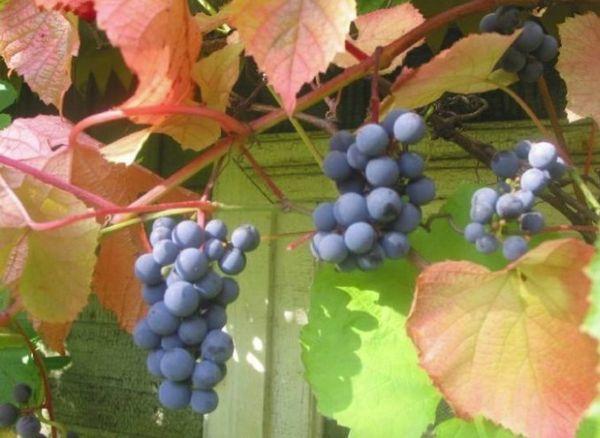
In the Urals, it's recommended to water grapes infrequently but generously. Depending on the temperature, the soil should be moistened 2-6 times a year. Water the plant at the roots, avoiding contact with the leaves. It's best to water in the evening.
Mulch
Mulching the soil helps retain moisture and combat erosion. Compost, grass clippings, or sawdust are used for this purpose.
Formation
Regular pruning helps improve the flavor of the fruit and increase its size. The first pruning should be done in mid-March. This is done before the sap begins to flow. All branches that have not yet produced shoots are removed. These should be pruned during the season, immediately after they are identified.
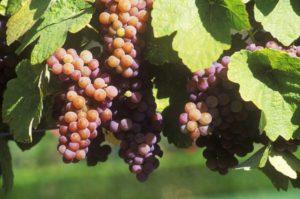
In summer, trim the ends of shoots that have dried out over the winter. It is also recommended to regularly remove side shoots and weak branches, and remove sparse shoots. In September, thin out the crown and remove some leaves that shade the clusters.
Trimming
To care for grapevines, regular pruning is recommended. This procedure is performed starting at 2-3 years of age. It increases yield, facilitates wintering, and helps shape the bush properly.
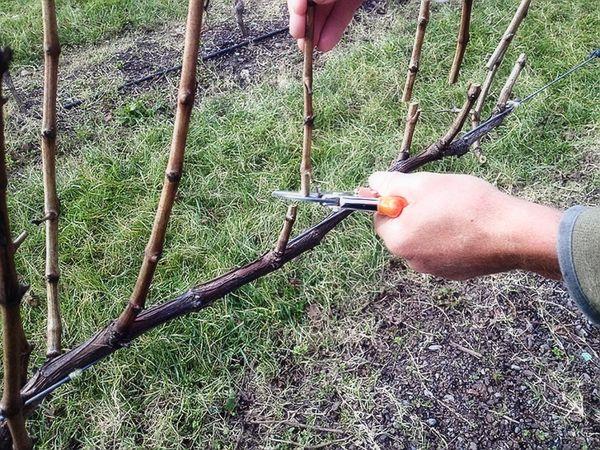
The main pruning should be done after harvest. At this point, it's time to shape the fruiting branches. It's also recommended to pay attention to replacement shoots. They should have at least two buds. From these, a new vine and shoot will emerge. A fan-shaped method with four branches is suitable for growing grapes in the Urals.
Pinching
This procedure is aimed at removing only the upper parts of the shoots. It is performed during the flowering period.
Pinching out stepsons
In summer, it's necessary to remove side shoots. This helps regulate the plant's nutrition and improve ventilation and lighting.
Tying to a trellis
Last year's vines need to be tied to a trellis to establish their growth direction. This should be done in early June, when there is no risk of frost.
Shelter for the winter
Grapes should be covered when the topsoil freezes and the temperature drops to -5 degrees Celsius. In the Urals, this occurs around mid-November. Covering grapes too early can lead to mold.
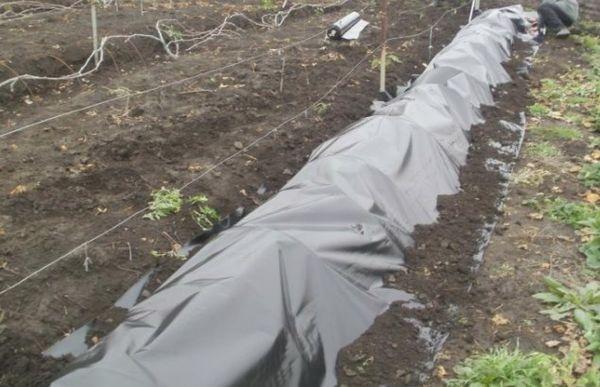
To prevent the vine from getting wet and rotting in the spring, you can place it on a dry layer of pine needles. A wooden trellis is also acceptable.
In the Urals, it's recommended to carefully cover grapevines. To do this, cover the vines with spruce branches, use several layers of non-woven fabric, or use tarpaulin. For smaller plants, a box is suitable. Arrange the shoots in a ring and cover them with pine needles. Then place the box on top. Finally, lay spruce branches on top.
There must be a snowdrift above the bush. It should be at least 40 centimeters thick. If there is only a small amount of snow, it is recommended to create the snowdrift yourself.
In a greenhouse, vines can be bent down and covered with synthetic padding. Sawdust or an old blanket will work well for this purpose. If the greenhouse has a removable roof, the standard method—under the snow—can be used.
How and when to open
It's best to uncover the vines in the first half of June. It's important to monitor the temperature under the plastic wrap. It should be no more than 5 degrees Celsius. Otherwise, there's a high risk of rot. After the snow melts, remove the plastic wrap periodically. This will help the vines breathe properly.
Treatment for diseases
Grapes can be susceptible to seasonal and chronic diseases. Failure to treat the plants promptly can result in reduced yields and even the death of the entire plant. Preventative treatment can help prevent the development of these diseases.
The first spraying is recommended after spring pruning. A solution of ferrous sulfate is used for this purpose. Use 300-500 grams of the solution per 10 liters of water. The second treatment is performed when the buds begin to swell. Actellic is used for this purpose.
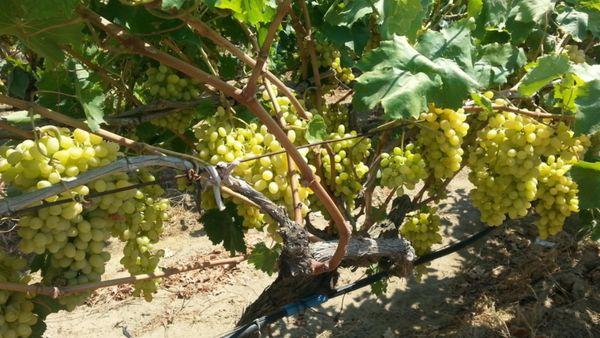
The third treatment is performed at the end of April. Horus is used for this. 12 grams of the substance is used per 10 liters of water. The fourth treatment is performed before flowering. Acrobat MC, Topaz, and Actellic are used for this. The final treatment is performed when the berries are setting. Ridomil Gold, Topaz, and Actellic are used for this.
Pest control
Sometimes grapes suffer from attacks by dangerous pests. They are attacked by spider mites, aphids, and other parasites. In simple cases, treatment with folk remedies is sufficient. In advanced situations, you won't be able to do without insecticides.
Harvesting and storage
When the fruit ripens, carefully inspect the bush and remove any damaged clusters. In September, it's recommended to trim some of the leaves. This will help the berries receive more sunlight.
After harvesting, the bushes require generous watering. It is recommended to use 20 liters of water per bush. Exceptions are cases where the plant is planted in clay soil or in an area with a high groundwater table.
Propagation from cuttings
Grapes are propagated by cuttings. It is recommended to harvest them in the fall. Mature vines, 8-10 mm thick, should be used. They should have 4-5 buds.
Soak the planting material in water for two days, then store it in a basement. The temperature should be 7°C (45°F). Sprinkle the bushes with sand in the hole or place them on a shelf. Store the cuttings in an open bag.
To speed up seedling growth, prepare them for planting in winter. The room temperature should be between 26 and 28 degrees Celsius. Watering is recommended every week. To prevent the top layer of grapes from drying out, it's a good idea to coat them with paraffin.
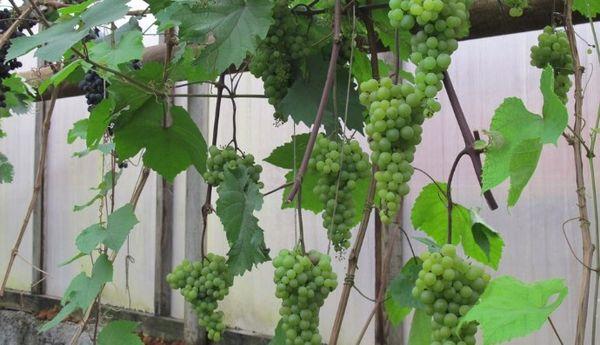
At the end of April, the seedlings are gradually hardened off. It is recommended to plant them in the soil between May 10th and 15th. The root system will form within 20 days.
Tips for Beginners
To successfully grow grapes in the Urals, it's important to follow these basic recommendations:
- First of all, it is worth giving preference to zoned varieties;
- It is not recommended to plant cuttings too early - subsequent frosts will lead to their death;
- provide quality care.
Growing grapes in the Urals isn't all that difficult. To achieve good results, you need to provide the plant with quality care. This should include timely fertilizing, pruning, and watering.
Related posts:
 Descriptions of the 20 best cherry varieties for the Moscow region, their planting and care
 Which tomato varieties are best for open ground?
 Description and characteristics of the 45 best types of peaches, growing rules
 What varieties of tomatoes are best to plant in a polycarbonate greenhouse?
 The best and new varieties of black currant for growing in the Urals, planting and care
 Methods for planting and propagating cherries at home
 Beginner's Guide to Growing Grapes in Open Ground in Central Russia
 80 Best Eggplant Varieties for Different Regions with Descriptions and Characteristics