
- History of the variety
- Regions for cultivation
- Pros and cons of Krasen grapes
- Description and characteristics
- Appearance
- Fruiting
- Flowering and pollination
- Ripening time
- Productivity and taste
- Where are berries used?
- High frost resistance
- Is the variety susceptible to pests and diseases?
- Planting technology
- Selection of seedlings
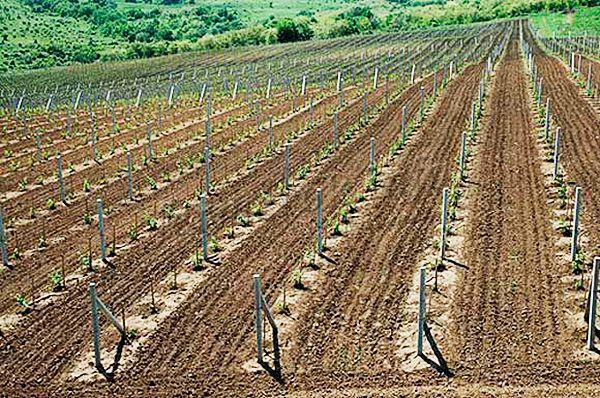
- Preparing the site and planting hole
- Timing and rules for planting operations
- Caring for Krasen grapes
- Watering and fertilizing
- Formation of fruit-bearing vines
- Loosening and mulching the soil
- Preventive treatments
- Preparing the vines for winter
- Reproduction of the variety
- Reviews
- Conclusion
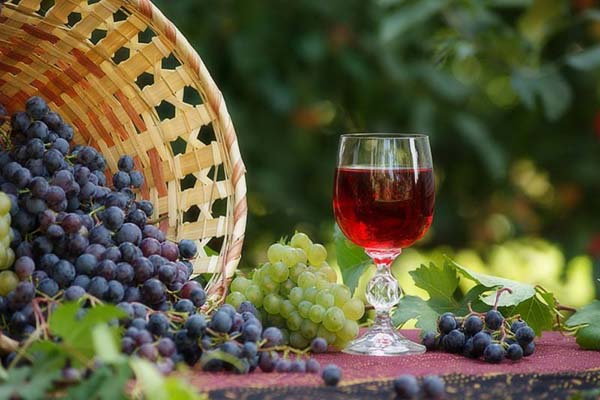
The Krasen grape variety has a rich flavor. Gardeners note that this variety is almost disease-free and rarely attacked by pests. It also thrives in both cold and hot climates. With proper planting, it will produce a harvest the following year. This variety is used to make grape puree, dried raisins, and the berries are eaten fresh. The main use of the Krasen grape variety is winemaking.
History of the variety
Krasen was created by crossing two varieties: the Super Early Seedless Magarach and the Magarach Antey. These varieties are the most resistant to frost and pests.
According to official records, the variety was developed by Yalta scientists at the Magarach Scientific Institute of Grapevine. It's worth noting that this educational institution was founded by Prince M.S. Vorontsov on the premises of the Nikitinsky Botanical Garden. The institute awarded patent No. 06285 to the Krasen grape variety.
Regions for cultivation
The variety is considered universal and is suitable for cultivation in areas with both mild and harsh winters. The 6 most favorable regions for planting Krasenya are:
- Krasnodar Krai.
- Crimea.
- Cherkasy region.
- Kyiv region.
- Rostov region.
- Voronezh.
Pros and cons of Krasen grapes
Beginners will find Krasen easy to care for, even if this is their first time planting grapes. Positive characteristics of the grape:
- resistance to arid climate;
- undemanding to soil composition (even clay soil or soil with sand in it will do);
- ease of care;
- stable harvest every year;
- versatility of fruits in use;
- absence of bones;
- convenience for growing in industrial volumes;
- good transport tolerance;
- long-term storage.
The disadvantages of grapes appear due to improper care:
- demanding dense formation;
- susceptibility to the fungal disease oidium (powdery mildew).
An effective way to combat powdery mildew is with the help of the following preparations: Thiovit Jet and Cumulus DF.
Description and characteristics
Krasen grapes are used for both table and wine production. They ripen in approximately 140 days. In southern regions, the harvest can begin in late August.
Appearance
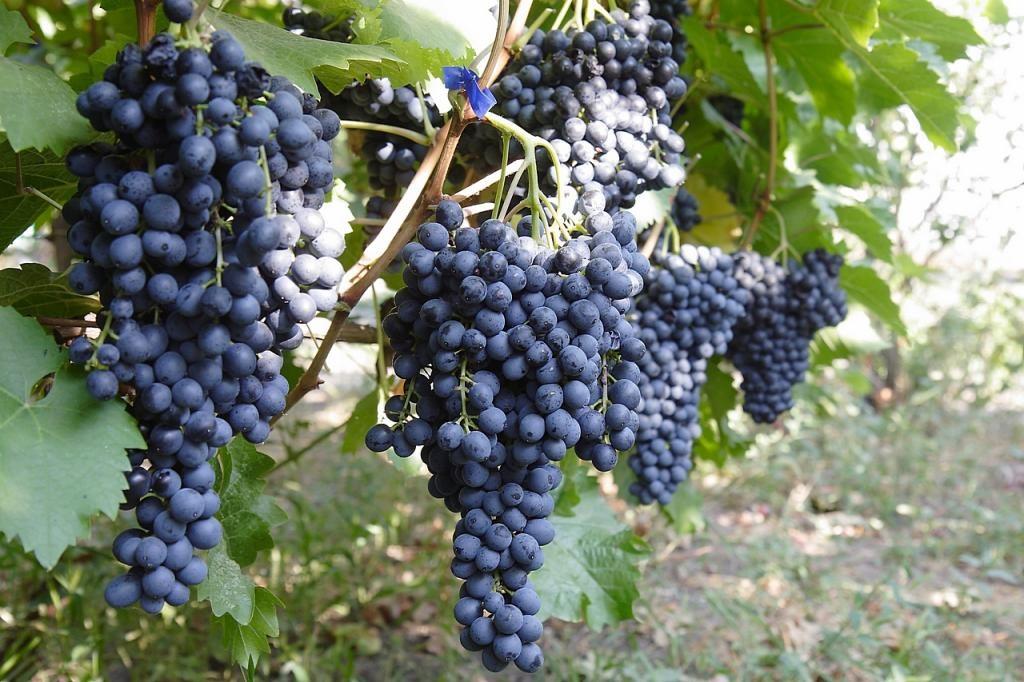
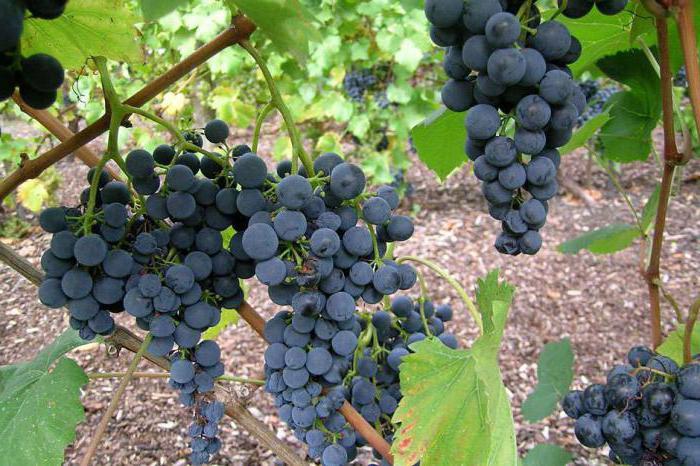
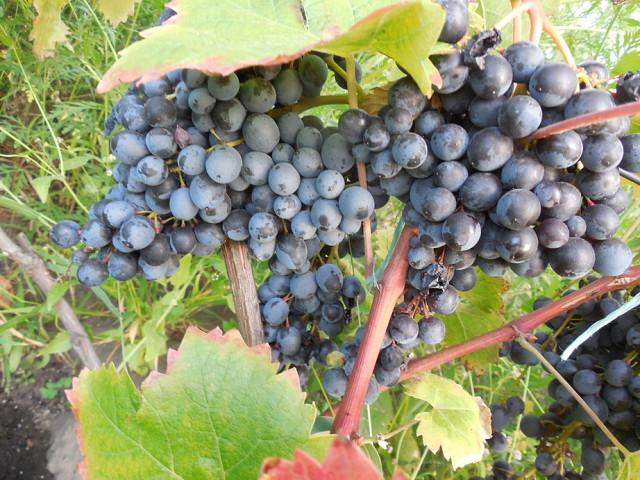
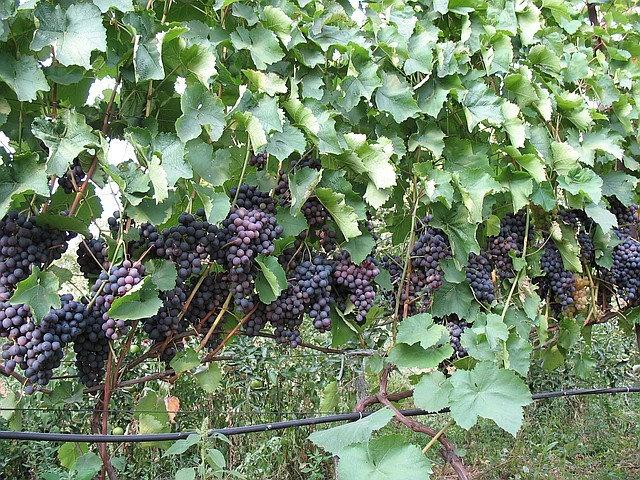
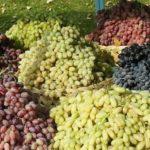
The bushes of this variety are vigorous, with prominent buds that open well. The grape clusters are large, pointed, conical, and medium-sized, with a loose structure. Each cluster weighs between 500 and 700 grams. The grapes have a black hue.
Take a look Also
Fruiting
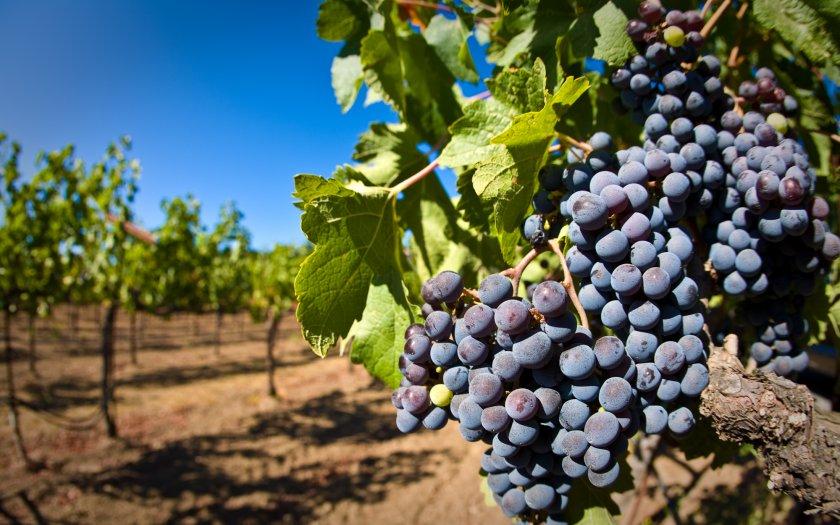
All grape buds bear fruit. In the south, the harvest can be picked in late August, and in the north, in September. To ensure the grapes are ideal for winemaking, harvesting is delayed for 14-20 days. This is necessary to allow the berries to overripen.
Flowering and pollination
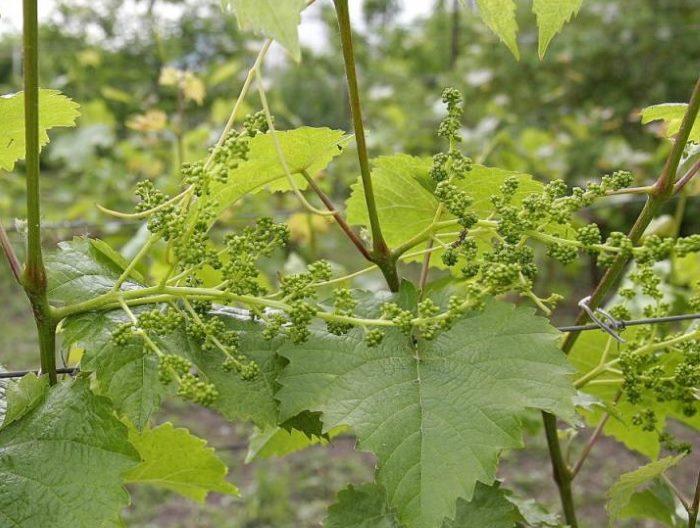
The flowers of the Krasen grape are cross-pollinated (using pollen from another plant). In rare cases, they self-pollinate (using their own pollen). Pollen is most often transferred by insects and wind.
The yield increase of Krasen with good pollination is from 20% to 40%.
The flowering period lasts from 8 to 14 days, depending on the region. The Krasen variety typically blooms from May to late June. The buds are known to open in 6-11 hours. Summer weather and temperatures ranging from 15 to 30°C (59 to 86°F) promote the formation of numerous ovaries.
Ripening time
This mid-season variety ripens in 130-140 days. The further north the bushes grow, the longer the ripening period. In colder areas, the harvest can be as early as mid-September, and for winemaking, as late as September.
Productivity and taste
The variety is highly productive. A single branch can produce two vines weighing between 500 and 800 grams. Approximately 180 centners of grapes can be harvested from one hectare of land. The berries have a harmonious Muscat flavor. Unripe grapes have a nightshade-like aftertaste, but this disappears when fully ripe. The pulp contains a large amount of dark juice. The must yield reaches up to 80%.
Where are berries used?
The berries' sugar content reaches 29%. In addition to being used in winemaking, the Krasenya variety is used to make a variety of homemade preserves. Krasenya berries are used in cooking:
- grape puree;
- frozen fruits in the freezer for the winter;
- raisin;
- fruit drinks and compotes;
- jams and preserves.
In 2008, Krasen was included in the Register of Varieties for professional use.
High frost resistance
The variety thrives in northern regions of Russia, such as the Omsk, Novosibirsk, and Barnaul regions. This is due to its frost resistance; for example, the bushes can survive winters at -25 degrees Celsius.
Is the variety susceptible to pests and diseases?
Grapes are often susceptible to fungal infections and mold. Farmers treat the bushes with fungicides up to four times per season. Powdery mildew is the most common culprit. If the bushes become infected, they will need to prune the affected branches.
Planting technology
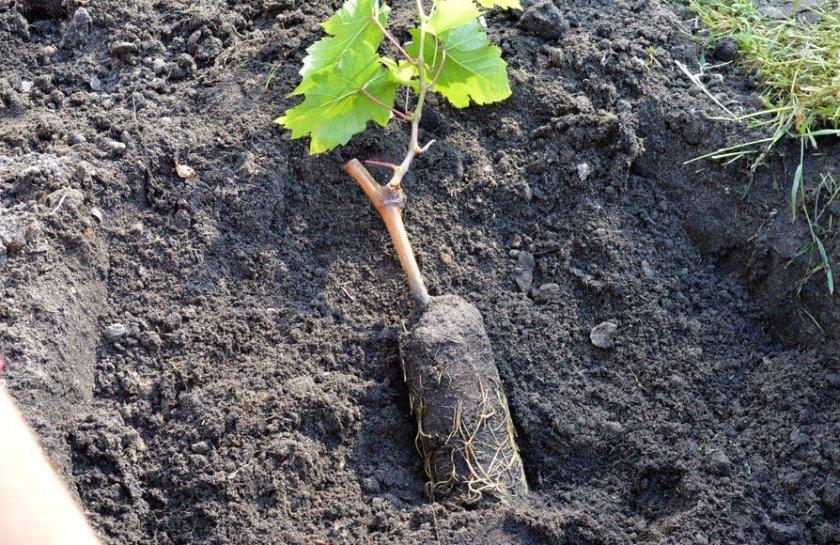
The Krasen grape variety is considered easy to adapt to. With proper care, the bush quickly establishes itself in the soil and begins bearing fruit within one to two years after planting. In the spring, it is planted in prepared holes and watered generously.
Selection of seedlings
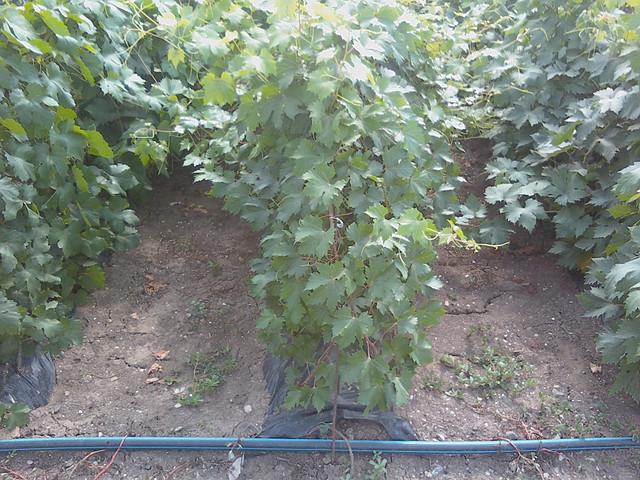
A high-quality, first-grade seedling should have 3-4 roots. Their base thickness should be no thinner than 2 millimeters.
You can also buy second- or first-grade seedlings, but you will have to grow them yourself before planting them in your garden.
Preparing the site and planting hole
Grapes require a lot of sunlight. For this reason, they are always planted in the spring, and the hole for the seedling is prepared in the fall. Drainage, topsoil, and fertilizer are added to the bottom. If the hole wasn't prepared in the fall, it can be done during the warmer months. This will allow the seedling to take root longer.
Timing and rules for planting operations
The best temperature for planting grapes is between 5 and 15 degrees Celsius. Don't rush into planting hybrids if there's a risk of spring frost. The optimal time for planting seedlings in the ground is late March or early May. You can also plant the bushes in the warm autumn, but no later than early October.
Caring for Krasen grapes
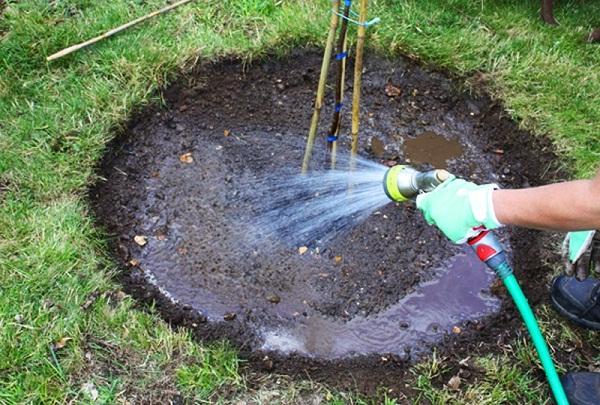
After planting, the seedling should be watered generously several times. If the weather is rainy, you can skip watering. If the seedling was planted too early and there is a high risk of frost, stop watering to delay fruit set.
Watering and fertilizing
During hot weather, one to two buckets of water should be added per bush. Seedlings should be watered 2-3 times per season. Initially, the fertilizer added to the holes before planting will be sufficient.
Once the bushes begin to bloom, they can be fed with mineral and organic fertilizers. To prevent the grapes from becoming accustomed to nutrient-rich fertilizers, it is recommended to alternate the fertilizers. Potassium can be added during fruit ripening.
Formation of fruit-bearing vines
Grape clusters begin to form in June, but the berries are only edible from mid-August. The Krasen variety typically ripens fully in late summer, and in the north, by mid-September. The vines produce uniformly conical clusters of round grapes.
Loosening and mulching the soil
In the spring, it's common to mulch the soil around bushes to conserve soil moisture and reduce weed growth. During the summer, the soil around the bushes should be loosened to a depth of 10-15 centimeters as weeds emerge and a crust forms on the surface.
Preventive treatments
Each stage of bush development requires treatment, as diseases and pests may vary at different times of the year. Medicinal fertilizers and sprays are applied when buds swell, when leaves form, and when berries form from the inflorescences. The next treatment can be done in midsummer. The final preventative treatment is carried out after harvest.
Preparing the vines for winter
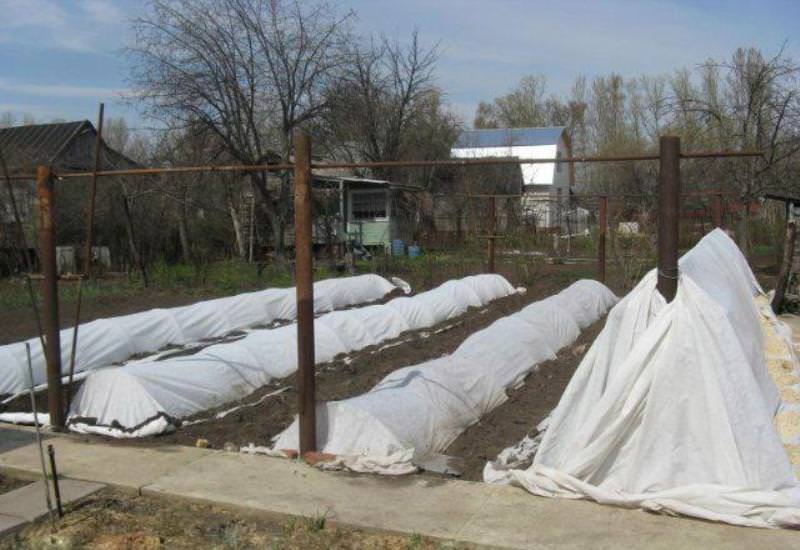
In the south, there's no need to cover the bushes for the winter if the winter is mild. In the north, it's recommended to cover the vines before frost. Straw mats and other suitable materials are used for this. Oilcloth can also be used.
Reproduction of the variety
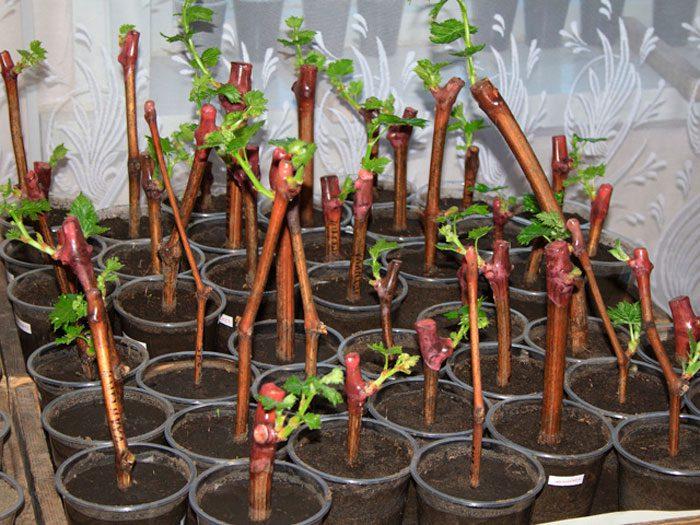
Krasenya vines can be propagated by division or cuttings. Cuttings root easily in the soil and easily grow into seedlings. Experts recommend propagating the grape in the spring. The plant produces a smaller harvest in the fall.
A cutting planted in mid-spring will be able to take root by summer and become established in the ground before the cold weather arrives.
Some gardeners propagate grape vines by layering. This involves rooting the shoots. The shoots don't need to be separated from the main plant. The main rule is to not take more than two layers from the mother plant.
Reviews
Ilya, Moscow.
"I chose this grape variety because it accumulates the least amount of chemicals and fungicides. It sprouted in just two years after planting."
Marina, Crimean region.
"Krasen bushes are easy to care for because they're undemanding and adapt easily to soil and climate. The first seedlings sprouted the following year."
Conclusion
This variety will be highly appreciated by both experienced and novice gardeners. Krasenya's main distinction from other dark grape varieties is its flavor. With proper fertilizing and timely watering, it will produce a bountiful harvest.
Related posts:
 How to grow grapes in the Moscow region in open ground without a greenhouse
 Description of the Julian grape variety, planting and care instructions
 Description of the Krasotka grape variety, planting and care technology
 The ripening time of grape vines by variety, how to speed up the process, and what to treat the plant with
 Description of 30 varieties and types of Muscat grapes, planting, cultivation and care
 Description of 30 grape varieties for Siberia, planting and care for beginners
 The best grape varieties for growing in the Urals, planting and care rules in summer
 Beginner's Guide to Growing Grapes in Open Ground in Central Russia