
- Features of cultivation
- Regions
- West
- East
- North
- Growing system
- No. 1
- No. 2
- The best varieties
- Ultra-early
- Tukay
- Super-early Red Muscat
- Muromets
- Russian Corinth
- Sharov's Riddle
- Pinocchio
- Transfiguration
- Express
- Early
- Rusven
- Arcadia
- Cardinal Lux
- Fairy
- Early Bashkir
- Early Russian
- Codryanka
- Solovieva-58
- Mid-late
- Katyr
- Dubinushka
- Kishmish Zaporizhzhya
- Siberian
- Amur
- Amethyst
- American
- Alpha
- Lando Noir
- Somerset Seedless
- Landing
- Preparing the seedling
- Choosing a location
- Open ground
- Greenhouse
- Scheme
- Agricultural technology
- Top dressing
- In the spring
- In summer
- In the fall
- Watering
- Mulch
- Formation
- Trimming
- Pinching
- Pinching out stepsons
- Garter
- Hardening
- Shelter for the winter
- Diseases and pests
- Harvesting
- Basic recommendations for beginners
The years of hard work by breeders to develop resistant varieties are paying off. Thanks to their diligent efforts, residents of northern regions now have the unique opportunity to plant once-southern crops in their gardens. By choosing the right variety adapted to local weather conditions, following proper cultivation techniques, and providing reliable winter shelter, grapes can ripen even in Siberia.
Features of cultivation
Growing techniques in Siberian conditions differ significantly from those in the South. Here, grapes are undisturbed by diseases and pests. However, gardeners must put in incredible effort to protect the plants from winter and subsequent frosts.
Regions
Climate conditions vary significantly across Siberia. Not every region can successfully grow grapes outdoors and ensure they bear fruit.
West
Summer temperatures reaching 35°C and long sunny days favor the ripening of once-heat-loving grapes in Novosibirsk and surrounding towns. However, winter temperatures here often drop below -30°C. Growing grapes and ripening berries in such conditions is problematic and is only possible with careful winter insulation.
East
The harsh continental climate of Eastern Siberia is the main obstacle to harvest. Temperatures below -40°C are common here. Summers are also not particularly hot. The highest temperature in favorable years does not exceed +15°C. Deep snow cover, up to 25 cm thick, melts very slowly and often leads to plant damping off.
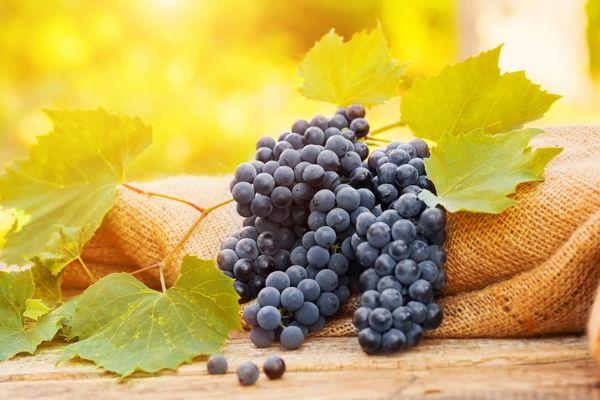
During the summer, there's usually enough sun for the harvest to ripen. However, the lack of rain complicates matters. Under these conditions, only early and ultra-early grape varieties have time to ripen.
North
Grapes are heat-loving plants, and northern Siberia experiences an annual heat deficit. Summer is virtually nonexistent here, as temperatures rarely rise above 10°C. A serious obstacle is the long, frosty winter, with extended periods of temperatures below -40°C. Under these conditions, snow doesn't have time to melt and remains year-round.
Growing system
The harsh Siberian climate dictates its own rules for farming. Given the low winter temperatures and short, cool summers, two methods have been developed for successfully growing grapes. Let's examine each in detail.
No. 1
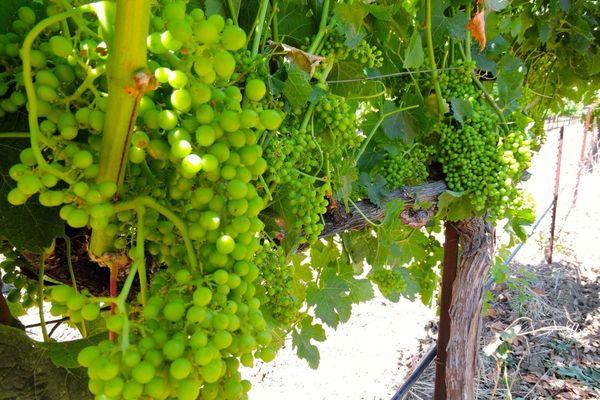
Siberian viticulture system No. 1 involves the following steps:
- During the winter, young seedlings are stored in basements and other rooms, securely protected from frost.
- To protect the root system of early grapes from freezing, they are grafted onto winter-hardy varieties.
- Before planting, prepare a deep planting trench. Fertilize the soil well with organic matter.
- In case of expected return frosts, the plant is completely covered with fabric material.
- Grapes aren't pruned in spring or summer. Formative and health-improving pruning is done in late autumn.
- Grapes require a clear root zone. Growing flowers or other plants underneath is not permitted.
Following the above steps will help protect the plant from severe frosts and ensure good harvests every year.
No. 2
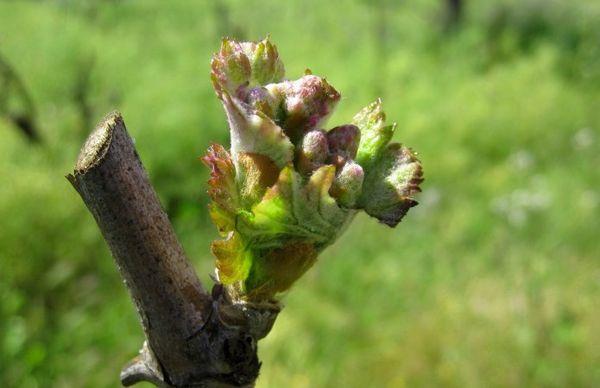
The second system of growing grapes is slightly different:
- For planting, use cuttings prepared in the fall. They are stored in a cool room. In February, the cuttings are placed in buckets or other suitable containers for germination and kept there for 1-2 years.
- When transplanting into open ground, use a sparse planting pattern. Grapes are planted in pre-prepared and well-fertilized trenches.
- The absence of weeds in the root zone provides the grapes with a sufficient amount of nutrients.
- Formative pruning is carried out at the end of October, and pinching is carried out in the spring and throughout the summer.
- For the winter, the grapes are placed in trenches and carefully insulated with film, fabric material and spruce branches.
Despite cold winters and recurrent frosts, this system promotes the development of strong, high-yielding bushes and protects grapes from severe frosts.
The best varieties
The following varieties are used in suburban areas of Siberia:
- ultra-early;
- early;
- mid-late.
Planting several varieties with different ripening times allows you to enjoy delicious berries from July to September.
Ultra-early
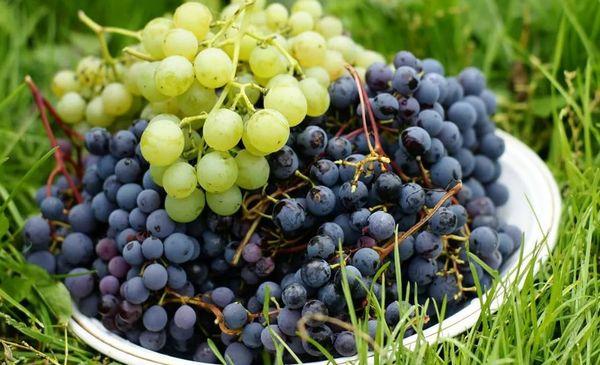
For Siberia, ultra-early grapes are a real find. During the short summer, even with cool temperatures, they ripen and delight gardeners with delicious berries. However, they require careful attention to weather conditions and, if recurrent frosts are expected, reliable shelter.
Tukay
Frost-resistant grapes Tukay is a very early variety. It takes just 100 days from bud break to harvest. It produces small, light-green, firm-skinned berries weighing approximately 4 grams. The berries ripen in large clusters, hold well on the vine, and store well.
Super-early Red Muscat
The Red Muscat grape has a pleasant muscat flavor. This vigorous vine produces delicious berries weighing up to 5 grams. They are borne in large clusters, do not fall from the branches, and are highly transportable. This winter-hardy variety survives temperatures down to -23°C. When grown in Siberia, it requires reliable protection from severe frosts.
Muromets
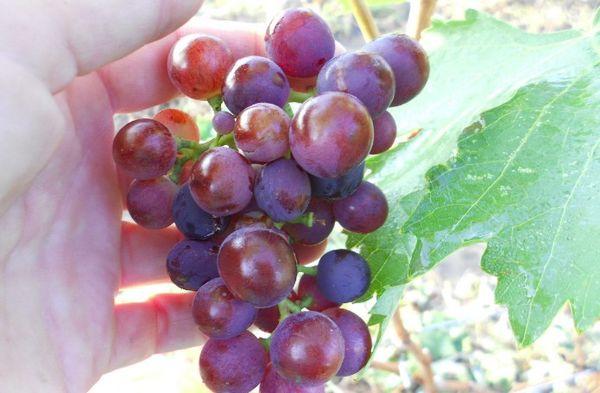
The high-yielding Muromets grape variety boasts moderate winter hardiness and tolerates temperatures down to -25°C. It is a vigorous plant, growing up to three meters tall. The color of young shoots resembles a spiderweb-like coating. The dark purple berries are gathered in large clusters averaging approximately 400 grams. In favorable years and with careful care, this figure can increase to a kilogram. The average weight of each berry is approximately 5 grams.

Russian Corinth
The short ripening period of the Russian Korinka grape is intriguing and attracts the attention of grape lovers, as the berries are ready to eat within 110 days of the growing season. The grape produces golden-yellow berries with fleshy pulp, gathered in medium-sized clusters weighing up to 300 grams. Its stems are tall, often reaching three meters in height. They bear green, lightly pubescent leaves.
Sharov's Riddle
The vigorous Zagadka Sharova grape grows up to 4 meters in height. It produces dark-blue berries weighing up to three grams and containing three small seeds. Cluster weight varies depending on weather conditions and ranges from 100 to 600 grams. The vine is winter-hardy, easily tolerating temperatures down to -32°C. During periods of prolonged frost, the roots rarely freeze.
Pinocchio
The low-yielding, medium-sized Buratino variety is often grown as an ornamental plant. By the end of August, it produces small, very sweet berries weighing up to 2.8 grams. Once ripe, they hang on the branches for a long time without falling off. The plant loves moisture and requires frequent watering.
Transfiguration
The medium-sized "Preobrazhenie" variety requires shelter when grown in regions with low temperatures. It produces large, fleshy berries weighing approximately 11 grams, gathered in large clusters. Under favorable conditions, a cluster averages 750 grams.
Express
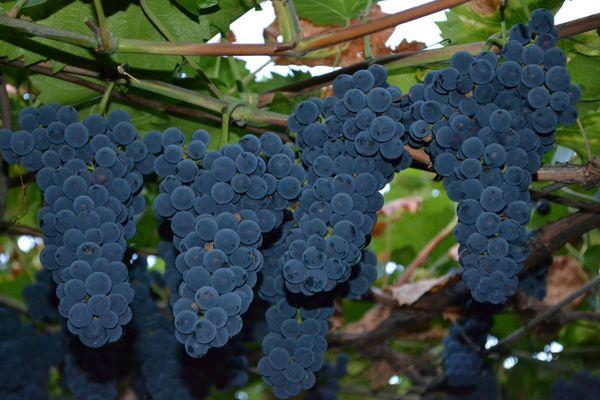
By the end of August, the Express grape produces delicious black berries. This variety is frost-resistant at temperatures down to -30°C. However, when grown in Siberia, it requires shelter.
Early
Early grape varieties ripen in no more than 120 days. However, producing large harvests requires considerable effort. Grapes in harsh conditions require year-round care: in the fall, they are protected from winter frosts, and in the spring, from recurrent frosts.
Rusven
Rusven grapes have a subtle muscat flavor. Regardless of weather conditions, delicious, pink-hued berries weighing 55 grams ripen on the vines in 110 days. The cuttings quickly acclimatize during germination and produce their first small harvest the following year. The plant tolerates temperatures down to -27°C, but does not like high humidity.
Arcadia
The Arcadia variety produces large yields of delicious berries. Large clusters of tasty, large berries with medium-thick skins ripen as early as August. The grapes tolerate temperatures down to -21°C. When grown in regions with harsh winters, they require protection.
Cardinal Lux
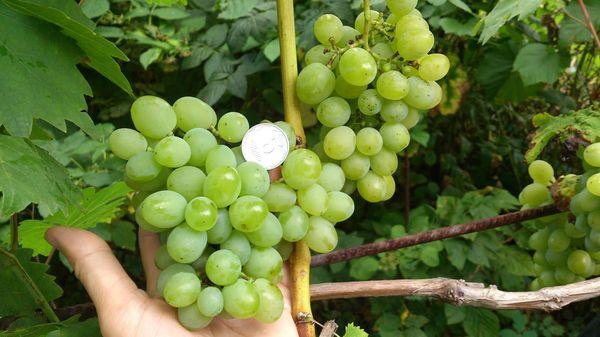
The medium-sized Cardinal Lux grape variety can withstand temperatures down to -26°C. It is sensitive to recurrent frosts and requires adequate cover during this period. The yield depends on weather conditions. In favorable years, delicious berries weighing up to 10 grams ripen on the branches. They are collected in large clusters. Individual clusters often weigh over 600 grams. The berries are highly transportable and have a long shelf life.
Fairy
The winter-hardy Fairy grape can withstand temperatures down to -25°C. Cuttings take root poorly and require the use of a rooting agent. Regardless of weather conditions, this variety produces large annual harvests of fleshy berries. They are borne in large, conical clusters.
Early Bashkir
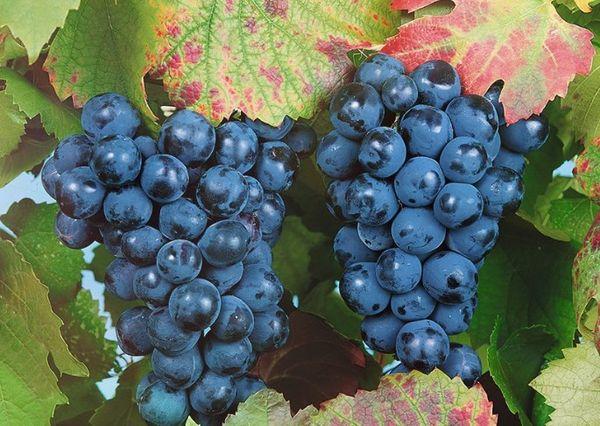
Since Early Bashkir grapes require additional pollination to form fruit, it should be grown in a garden with other varieties with a similar flowering period. This variety produces dark purple berries weighing approximately 0.8 grams, gathered in small clusters.
Early Russian
Early Russian grapes are ready to harvest 105 days after bud break. A mature plant is a medium-sized bush, producing medium-sized bunches of up to 400 grams. The berries are sweet, large, and a rich pink color, weighing approximately 4 grams on average. They have a long shelf life and are easy to transport. Russian grapes are quite frost-hardy, tolerating temperatures down to -23°C. However, when grown in Siberia, they require reliable cover.
Codryanka
The Kodryanka variety produces large, dark purple fruits weighing up to 16 grams. They are borne in large clusters weighing up to 600 grams each. With proper care, this variety produces abundant fruit. The fruits ripen within 110 days after bud break, remain attached to the branches for a long time, and do not fall off.
Solovieva-58
The Solovieva-58 grape produces small, golden-hued berries weighing up to 2.5 grams. The harvest ripens in late August. The plant easily tolerates frosts down to -32°C. When grown in regions with lower temperatures, it requires protection to prevent freezing.
Mid-late
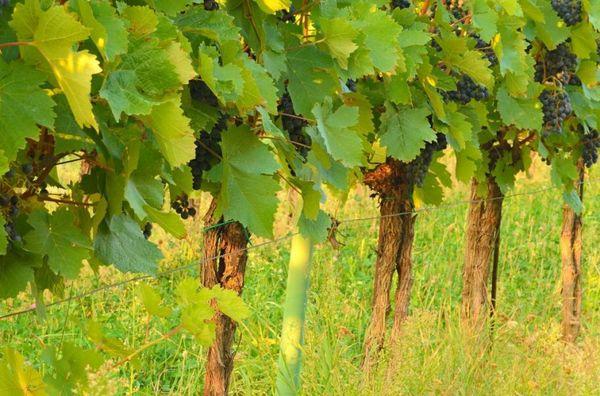
The growing season for mid-late grape varieties lasts up to 145 days. In Siberian conditions, they don't always have time to ripen.
Katyr
The vigorous Katyr variety produces sweet-and-sour black berries weighing up to 3.9 grams. A single mature bush yields up to 5.6 kg. It ripens no earlier than the second half of September. Early autumn frosts can cause the crop to freeze.
Dubinushka
Dubinushka, a high-yielding, late-ripening grape variety, produces large, light-green berries weighing up to 8.2 grams. They are borne in clusters weighing up to 660 grams. They ripen in late September or early October. Under unfavorable growing conditions and an imbalance in watering, berry cracking is often observed.
Kishmish Zaporizhzhya
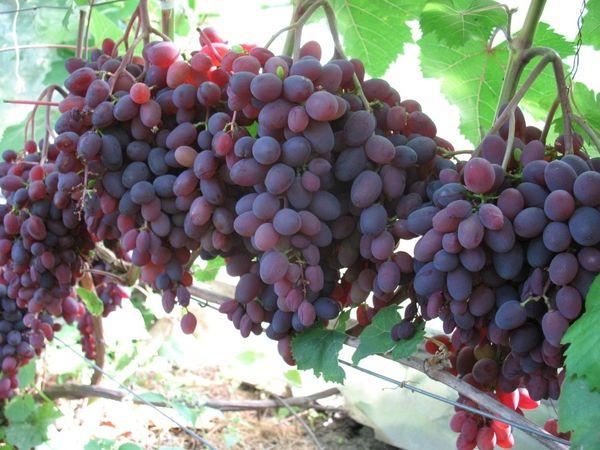
Kishmish Zaporizhzhya grapes are harvested in very large clusters. Individual clusters weigh up to 1,500 grams. The berries are small, growing to no more than 2.5 grams. They are dark red or deep purple in color. The flesh is juicy and fleshy, with a pleasant marmalade flavor.
Siberian
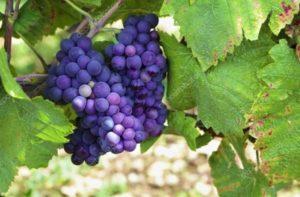
Siberian grape varieties have been developed from wild-growing analogues. Despite the harsh climate, they can be grown without shelter.
Amur
The Amur grapevine grows up to 25 meters long. In late September, it produces purple or black fruits with juicy flesh and a tart flavor. They are gathered in medium-sized clusters weighing up to 250 grams.
Amethyst
The Amethyst grape variety is noted for its exceptional frost resistance. It tolerates temperatures down to -35°C. There are three varieties of this variety:
- super early;
- Samara;
- Novocherkassky.
In just 90-110 days, delicious berries with a muscat flavor ripen on the branches. Each berry weighs between 6-8 grams. This variety is excellent for eating and making wine. It stores well and is easy to transport.
American
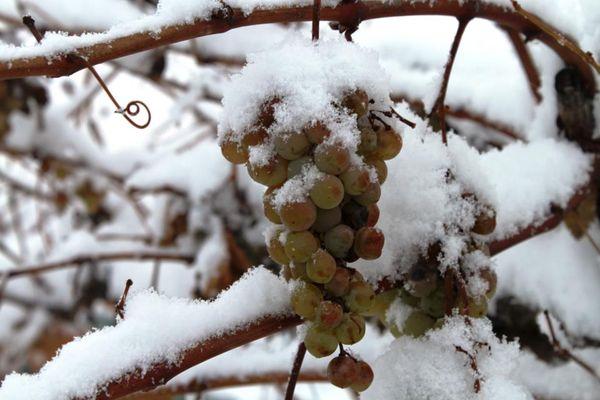
Most American grape varieties were bred from wild grapes, so they share common flavor notes and high sugar content. These plants are undemanding in terms of care and soil composition. Regardless of weather conditions, they produce uniform harvests every year. They tolerate temperatures as low as -35°C. Young shoots quickly recover from frost.
Alpha
The mid-season technical grape variety Alpha produces medium-sized, black berries with a purple or dark red hue. They are distinguished by their high acidity. These plants are often planted as ornamental crops for landscaping in suburban areas or used as rootstocks for less winter-hardy varieties.
Lando Noir
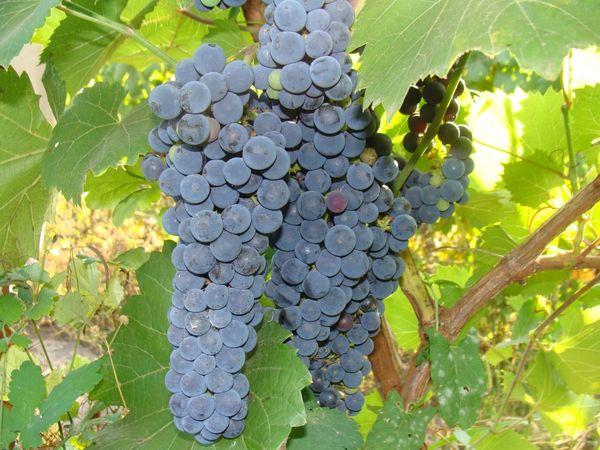
The high-yielding, early-ripening Lando Noir variety is a vigorous plant producing small clusters of medium-sized, blue berries. Late bud break, when grown in Siberian conditions, prevents frost damage and ensures good harvests each year. The variety tolerates temperatures down to -29°C. It is grown for red wine production.
Somerset Seedless
The Somerset Seedless seedless grape is characterized by early ripening and increased frost resistance. It can withstand winter temperatures as low as -34°C. It produces small, pink berries with a pleasant, delicate flavor.
Landing
Grape cuttings are not planted in open ground immediately. For the first two years, they are grown in buckets or large containers. With the arrival of the first real frosts, they are moved to a basement or a cool room with an air temperature of about 2-3°C.
Don't rush into storing the seedlings in the cellar too early. In early autumn, the grapes are actively preparing for winter and ripening. In mid-October, with the arrival of stable low temperatures, they are treated and stored for the winter.
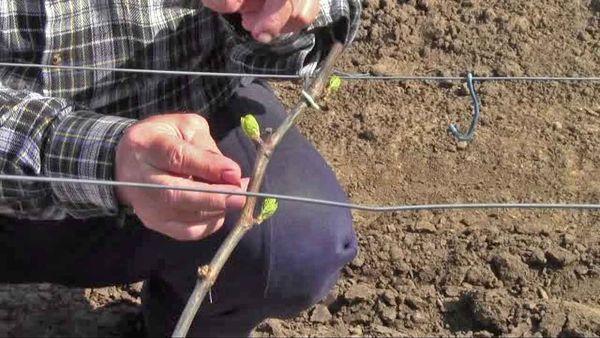
In the third year, seedlings from buckets can be planted in open ground. Transplanting is carried out at temperatures no lower than 15°C, in cloudy weather.
Preparing the seedling
Before transplanting, seedlings are hardened off. To do this, they are placed outdoors, gradually increasing the time spent there. The day before planting, the container containing the seedling is thoroughly watered.
Select healthy plants for planting, paying attention to the root system. It should be free of damage, rot, and mold. A well-developed root system can be placed in a clay slurry with a small amount of rooting agent added before planting.
Choosing a location
Grapes require plenty of sun to ripen, so they should be planted in well-lit areas. Avoid low-lying areas, as cold and constant dampness are most noticeable here. Grapes will grow slowly and are often susceptible to frost or rotting. High groundwater levels also negatively impact plant growth and development. A south-facing site is the most suitable location for grapes.
Open ground
The harsh Siberian climate requires grapevines to be planted in pre-dug, deep trenches at least 50 cm wide and up to a meter deep. To prevent soil from collapsing during root growth, the trench is lined with boards.
Very early and early varieties are most often planted in open ground. If later varieties are planted, there's a high risk of the ripening fruit being frozen by the first autumn frosts.
Planting is carried out in the following sequence:
- A drainage layer is placed at the bottom of the trench. The trench is filled with a mixture of soil, humus, and phosphorus-potassium fertilizers, with a small amount of sand added.
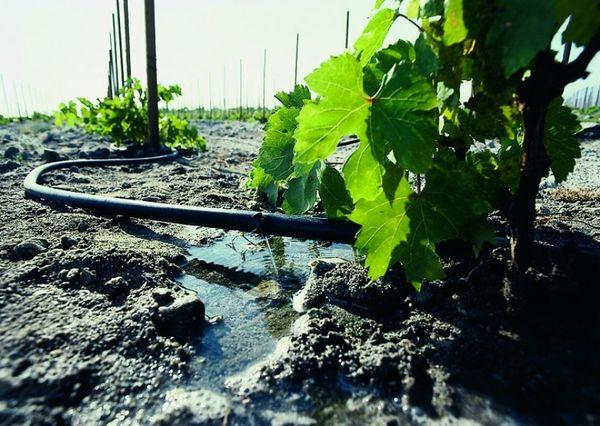
- To prevent water from spreading during irrigation and ensure it reaches the root system directly, a small-diameter vertical pipe is installed near each seedling. The plants are watered and fertilized through it.
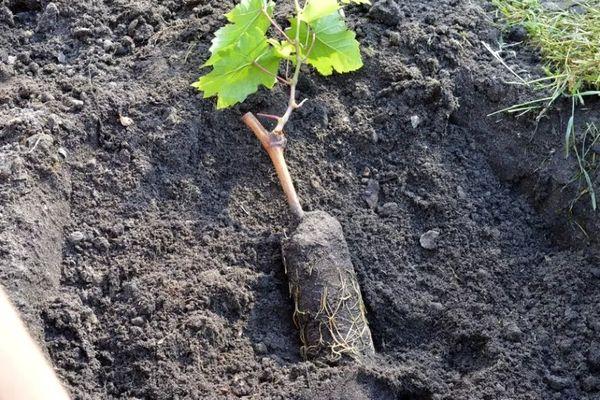
- The seedlings are removed from the bucket along with the soil. They are carefully placed in the hole, covered with soil, and thoroughly watered with water and rooting agent. The root collar is then pushed down a few centimeters.
For fast-growing vines, strong trellises with stretched wire are installed.
Greenhouse
A promising option The use of greenhouses is one of the main methods of growing grapes in Siberia.This requires robust structures at least three meters tall. Additional lighting and heating equipment will allow for the planting of later-ripening varieties and good yields.
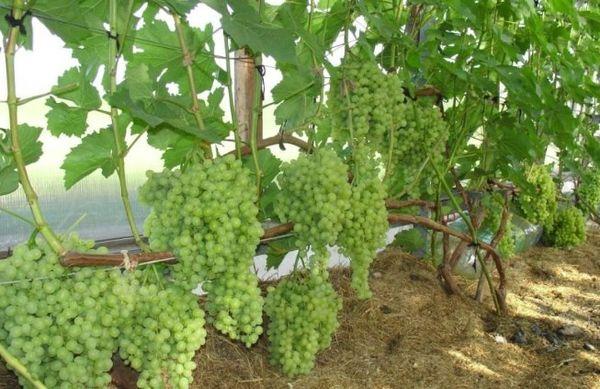
Growing grapes in greenhouses has certain drawbacks. The absence of bees and other insects can significantly impact yields. To ensure proper fruit set in greenhouses, specialized varieties are used or hand pollination is used.
Scheme
When grown in Siberia, grapes have a particular need for sun and nutrients. Planting seedlings in a single row at least 2-3.5 meters from neighboring plants and tall trees will prevent sun deficiency and ensure ample moisture and essential nutrients.
Agricultural technology
To grow good crops in Siberia, it's important to carefully follow the necessary agricultural steps and ensure:
- sufficient watering;
- fertilizing plants in the required quantities;
- correct pruning;
- reliable insulation for the winter.
Timely completion of the above steps allows you to form a healthy plant that easily reacts to winter cold.
Top dressing
It's impossible to grow a good harvest without fertilizing plants. Preparing the planting hole with plenty of compost and adding phosphorus and potassium fertilizers provides the plant with sufficient essential micronutrients for several years. Only in the third or fourth year do grapes begin to receive additional nutrients.
In the spring
To grow large harvests, grapes need to be cared for year-round and maintained healthy from early spring to late fall. While grapes aren't blooming, they are fed with mineral fertilizers and boric acid. This is essential for abundant flowering and fruit formation. A second spring feeding is carried out using phosphorus-containing fertilizers.
In summer
In July, grapes are fed with nitrogen-containing fertilizers. In August, nitrogen is no longer applied. In the second half of summer, ash infusion, superphosphate, and mineral fertilizers are used.
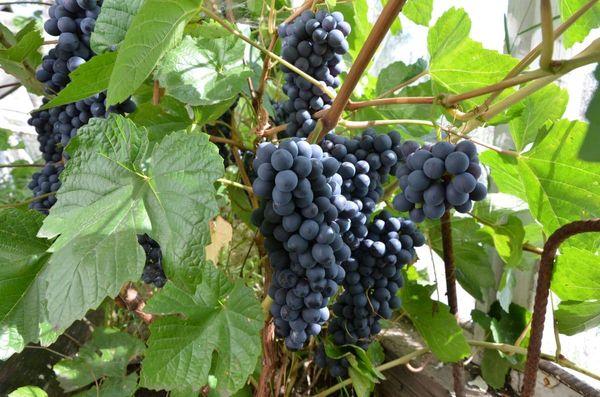
During the ripening period of berries, the use of boric acid will help increase the sugar content of grapes.
In the fall
Proper autumn care of grapes ensures the bush is well prepared for winter. After harvesting, it is fed with complex fertilizers. This will provide the plant with essential micronutrients. Mulching with rotted manure and subsequent generous watering will provide the soil around the roots with the necessary amount of organic fertilizer.
Watering
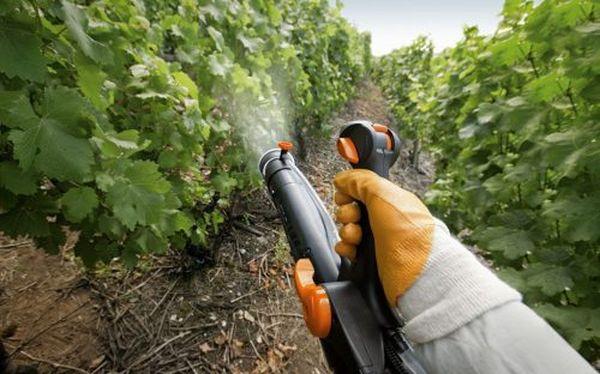
Young seedlings are watered every two weeks, carefully monitoring the soil to ensure it remains slightly moist. Mature plants, depending on weather conditions, are watered at least 4-5 times per season. Watering is stopped once the berries have ripened. In October, the vineyard is thoroughly moistened, helping it prepare for winter.
Mulch
To avoid frequent weeding during the summer, conserve moisture, and protect the roots from freezing, mulch the soil under the grapes. Use spruce branches, straw, or dry grass for this purpose.
Formation
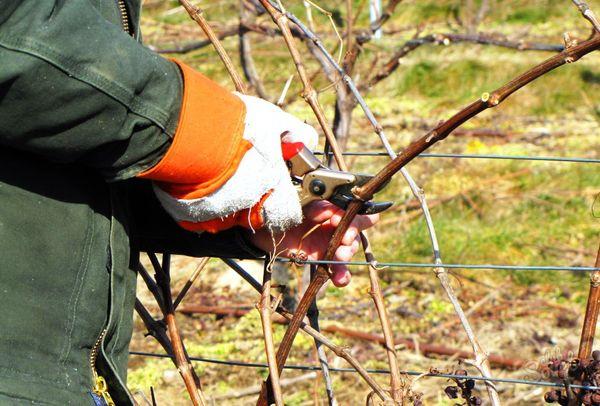
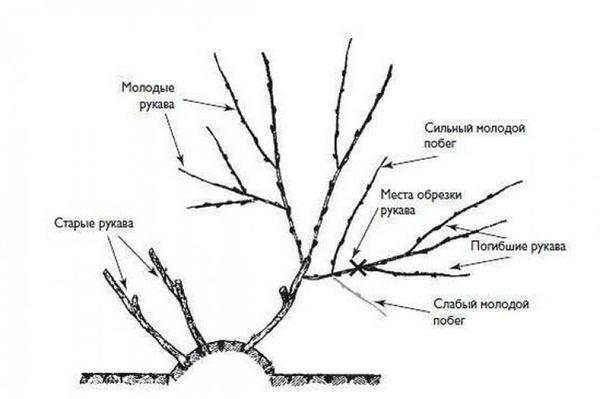
Three-year-old bushes require shaping. This is done in the fall, after the harvest and the leaves have fallen.
Trimming
The first stage of pruning is carried out in the following sequence:
- remove dry and damaged shoots;
- cut out the weak ones;
- remove the fruiting vines.
Before covering the grapes for the winter, a second pruning stage is performed. Of the two adjacent shoots, the more developed one is left. The second one is pruned, leaving a single leaf.
Pinching
To form fruiting vines and encourage fruit development, shoots are pinched. Pinching accelerates bush growth and properly shapes the crown.
Pinching out stepsons
Side shoots, or second-row shoots, use up a lot of nutrients and often cause deficiencies in fruiting shoots. Removing side shoots will increase fruiting. When they have 5-6 leaves, pinch them out, leaving one leaf at the base.
If the main shoots were severely damaged as a result of recurrent frosts, the grapes are not side-sonned.
Garter
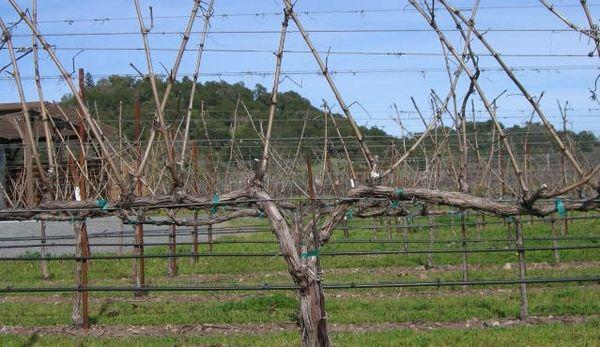
Staking will prevent the vines from growing wild and make caring for them easier. Vertical trellises with horizontally stretched wires are used as supports. The bottom row of grapes is planted at a height of about 40 cm from the ground. The number of tiers depends on the age of the vine and does not exceed six.
Hardening
Hardening off the grapes will make life easier and prepare them for Siberian frosts. The first hardening of seedlings is done before planting them outdoors: They are brought from indoors into the fresh air, gradually increasing the interval.
Hardening off grapes in open ground requires minimal intervention. As a result, the plant grows stronger and quickly adapts to natural conditions.
Shelter for the winter
In Siberia, grapes are grown exclusively under cover. When the average daily temperature reaches zero, insulation is applied. This is done in the following order:
- Choose a dry, sunny day for the work. If there has been rain, wait until the plants are completely dry: this will prevent moisture from getting under the cover and causing fungus to spread.
- The vines are removed from the trellises and carefully laid in a trench on dry bedding.
- Cover the vineyard completely with plastic or fabric, securing it securely. You can also cover the top with spruce branches or any other branches.
With the onset of spring sap flow, the pine branches and plastic are removed, leaving only the covering material, or a greenhouse is installed on arches. The insulation is completely removed only in late spring, when the weather stabilizes.
Diseases and pests
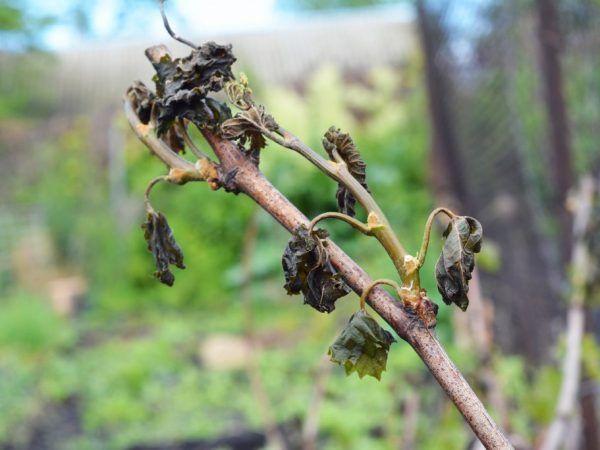
Growing grapes in Siberia has one undeniable advantage: the plants here rarely get sick and do not require the use of protective chemicals.
Harvesting
Ripening time varies by variety and lasts from June to September. Ripe berries are easy to recognize: depending on the variety, they turn dark blue or golden.
Grapes are harvested in dry weather very carefully, taking care not to remove the bloom. This will prolong the shelf life of the harvest. A dry room is used for storage. Here, the grapes are hung by their stems. Larger quantities can be stored in crates.
Basic recommendations for beginners
Growing grapes in Siberia is possible if certain conditions are met:
- choose zoned varieties with early or very early ripening period;
- use healthy seedlings with a strong root system;
- choose a suitable location for the vineyard;
- adhere to planting patterns, trying to avoid competition between bushes for nutrients and light;
- prune the vineyard in a timely manner.
Grapes are considered a southern, heat-loving plant. However, they can also be grown in Siberia. Efficient cultivation and good yields are facilitated by using regional varieties and careful winter insulation.
Related posts:
 Description of 30 varieties and types of Muscat grapes, planting, cultivation and care
 Beginner's Guide to Growing Grapes in Open Ground in Central Russia
 How to grow grapes in the Moscow region in open ground without a greenhouse
 The best grape varieties for growing in the Urals, planting and care rules in summer
 The ripening time of grape vines by variety, how to speed up the process, and what to treat the plant with
 Description of the Julian grape variety, planting and care instructions
 Description of the Krasotka grape variety, planting and care technology
 Description and characteristics of the Syrah grape variety, where it grows