
- History of creation and selection
- The best representatives
- Lydia
- Alyoshkin
- Alpha
- One, or the Amur Breakthrough
- Crystal
- Sharov's Riddle
- Skuin 675, or Moscow's compliant
- White Muscat
- Isabel
- Platovsky
- Marquette
- Northern Saperavi
- Don agate
- Delight
- Beauty of the North
- Muromets
- Northern
- Taiga emerald
- High-yielding table grape
- Early Russian
- Pinocchio
- Early Magarach
- Tukay
- Svetlana
- Solar
- Milady
- Codryanka
- Hope
- Particularly resistant non-covering hybrids
- Reline Pink Seedless
- Taiga emerald
- Valiant
- Triumph
- Kay Gray
- Moore Early
- Venus
- Lando Noir
- Louise Swenson
- Somerset Seedless
- Prairie Style
- Vaskovsky
- Shatilova
- Gulya
- Hasan Boussa and Hasan Sweet
- Siberian bird cherry
- Bashkir early
- How to choose the right variety
- Features of cultivation
- Tips and advice from experienced gardeners
- Result
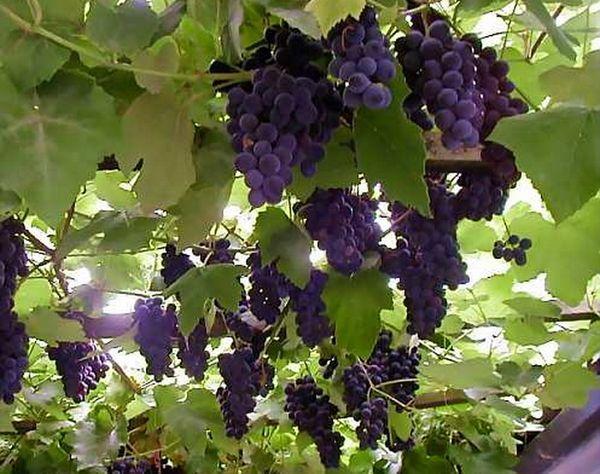
Gardeners prefer frost-hardy grapevine varieties. This choice offers advantages not only in terms of care but also in terms of yield. A properly selected variety is rarely susceptible to disease and can be used for storage and transportation.
History of creation and selection
Winter-hardy grape varieties began to be developed under the guidance of I.V. Michurin. In the first half of the 20th century, grape seedlings were first bred that could withstand low temperatures without reducing their yield or requiring winter shelter.
Later in the 1960s, sectioning frost-hardy varieties gained popularity, and new types of grapevines began to appear, each with distinctive characteristics and popularity among gardeners. These varieties are distinguished by their ability to independently repair damaged cells and form new shoots. These varieties are distinguished by their high yield and excellent fruit flavor.
The best representatives
Among the range of frost-resistant grape varieties, there are representatives that are preferred by gardeners.
Lydia
This table grape variety can tolerate low temperatures and has a sweet flavor and juicy flesh. The fruits are small and round. The grapes are often used to make wine.
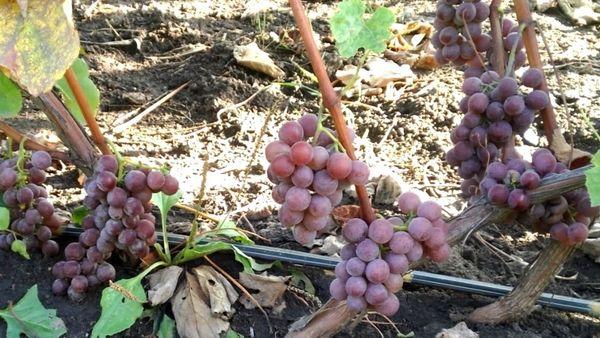
Alyoshkin
An early-ripening dessert grape. Its cluster size varies. The berries are light green and the flesh is sweet. The advantage of this variety is that the grapes are seedless, and there is no need for frequent fertilizing to ensure a productive harvest.
Alpha
The distinctive features are the bush growth and long vines. The berries are dark blue and contain a lot of sugar. They are suitable for both canning and winemaking.
One, or the Amur Breakthrough
The grape produces dense, dark-purple clusters. The bunches are dense. It can be used for canning and winemaking. The berries are sweet and sour, with tart notes.
Crystal
The berries are round and light green. The clusters are large and the berries are sweet. It tolerates winter well and is not susceptible to fungal diseases.

Sharov's Riddle
A distinctive feature of this variety is its pleasant strawberry aroma. The clusters are large, and the berries are medium-sized. The bushes are small with thin shoots, requiring support during fruit set and ripening.
Skuin 675, or Moscow's compliant
This grape variety was bred specifically for cold-weather regions. It has high resistance to diseases and pests such as grape aphids. The grapes are light green.
White Muscat
The distinctive feature of this variety is the size of the bunches. The grapes are large and green. The skin is dense, and the flesh is juicy and sweet.
Isabel
The berries are dark in color and have a rich flavor. They are winter-hardy and resistant to pests and diseases.
Platovsky
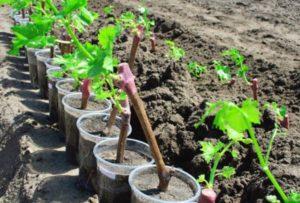
The distinctive features of this crop are its early ripening period and sweet flesh. The bushes are resistant to diseases and pests.

Marquette
This variety has appeared relatively recently. It can withstand temperatures as low as -38 degrees Celsius. The berries are large and high in sugar. The skin is blue and thin, suitable for winemaking.
Northern Saperavi
Belongs to the wine grape variety. The bunches are dense and cone-shaped. The grapes are dark blue. The taste is sweet and sour, with tart notes.
Don agate
This hybrid is characterized by its high yield and early ripening. It is a wine grape and contains a low amount of sugar, making it a dietary choice. The grapes are blue with a distinctive gray bloom.
Important: This cultivar is distinguished by its underdeveloped shoots and small clusters. It is often used to decorate arbors and gardens.
Delight
It ripens in mid-July and produces large fruits. The skin is white. The flesh is juicy and rarely attacked by pests, including wasps. This plant has moderate tolerance to low temperatures and does not require winter shelter.

Beauty of the North
The clusters are medium-sized. The skin is pink. It has a pleasant sweet and sour flavor. It is resistant to rot and grape aphids.
Muromets
Ripens early, the bush is distinguished by its large size and strong roots. The berries are sweet, large, and purple.
To prevent aphids from attacking the crop, parsley should be planted under the bushes.
Northern
A table crop that tolerates low temperatures. The clusters are small and cone-shaped. The berries are dark blue. This type of plant is often used as a garden ornament.
Taiga emerald
A versatile crop used in a variety of applications. The bushes are large and spreading. The clusters are small, producing dark berries with a gray bloom.
High-yielding table grape
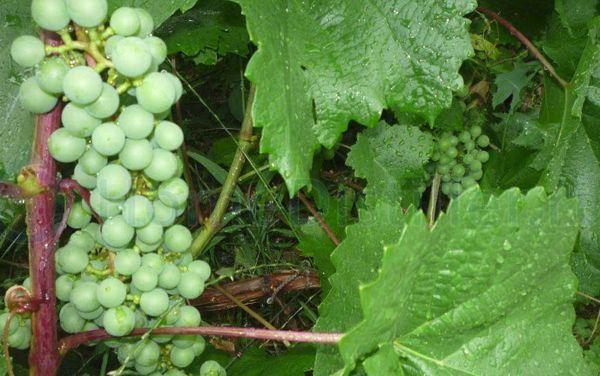
This variety is distinguished by the size of its clusters. The berries are large and dark in color. They have a pleasant sweet flavor and are suitable for storage and transportation.
Early Russian
The clusters are small, the berries are medium-sized, pink, and have a sweet flavor and tender flesh.
Pinocchio
The bush is large. The grapes are light green, sweet and tart. A distinctive feature are the elongated clusters.
Early Magarach
The crop first appeared in Crimea. It is highly resistant to disease and low temperatures.
Tukay
A distinctive feature of this variety is that it requires no maintenance and can be grown in any conditions. Despite its small size, the berries have a sweet taste. They ripen in early July.
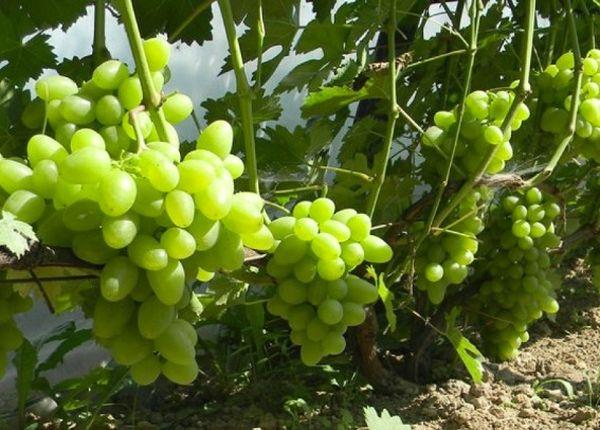
Important: This variety requires regular pruning. If left unpruned, the vines can be susceptible to felt mites.
Svetlana
It has a pleasant flavor and requires little care. It boasts large bushes and large berries. It's suitable for long-distance transport and storage.
Solar
The clusters are large, with medium-sized, slightly elongated, light green grapes. This allows for a large harvest in midsummer. However, in high humidity, the berries fall off and rot.
Milady
It tolerates low temperatures and is rarely affected by pests. The clusters are elongated, with medium-sized, dark blue berries.
Codryanka
It is characterized by simple growing conditions. The fruits are elongated and purple. The flavor is sweet, and the fruits can remain on the shoots for a long time without deteriorating.
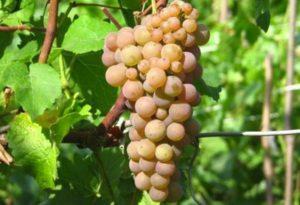
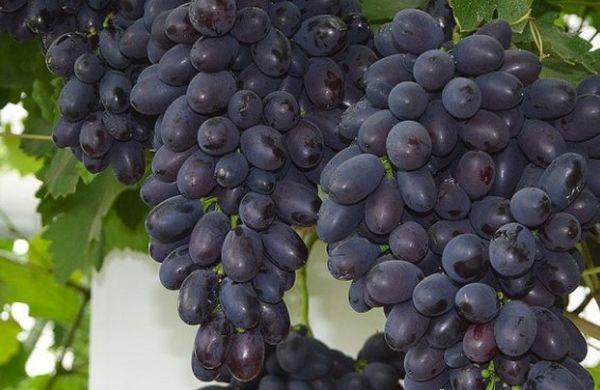
Hope
A table variety, it ranks among the highest in yield. The fruits are large and purple. Clusters can weigh over 1 kg. It can be susceptible to pest attacks, so it's recommended to treat the bush with special pesticides as a preventative measure.
Important: This crop tends to increase in cluster size each year, but to achieve this, it's necessary to prune the bushes regularly.
Particularly resistant non-covering hybrids
Varieties designed for growing in regions with cold weather conditions. The advantage of these crops is that they don't require covering. Exposure to low temperatures doesn't affect their yield.
Reline Pink Seedless
The variety's distinctive feature is that it is seedless. Its drawbacks include small, pink berries.
Taiga emerald
Despite its versatility, this variety requires no winter cover. It is disease-resistant and tolerates low temperatures well.
Valiant
Ripens early and is resistant to temperatures down to -40 degrees Celsius. The bush is small, the vines are slender, and the berries are dark in color.
Triumph
Before winter, most of the shoots die off on their own, so pruning is not necessary. The clusters are large with large, light green berries.
Kay Gray
This hybrid plant is distinguished by its tall bushes and extremely early ripening period. The clusters are large, and the berries are white. The flavor is tart, and the flesh is tender.
Moore Early
The grape ripens early, producing round, tart berries. Its advantage is its large, densely structured clusters. It is often used by gardeners for winemaking.
Venus
The plant requires little maintenance and grows in almost any conditions. The berries are small and have a sweet, delicate flavor. The skin is dark blue. The vine is often used as a garden ornament.
Lando Noir
The plant has a mid-season ripening period, is easy to care for, and is rarely affected by disease. The clusters are small and loose, producing sweet, medium-sized, dark blue fruits.

Louise Swenson
This variety has a mid-season ripening period. The clusters are large and dense. The berries are green. The flesh is juicy and sweet. It produces fruit regardless of weather conditions. It is resistant to fungal diseases.
Somerset Seedless
The plant is small in size. The clusters are small and loose, with medium-sized grapes that have a high sugar content. The skins are light pink. Once ripe, they can remain on the vines for a long time.
Prairie Style
It tolerates temperatures down to -40°C (-40°F) and requires no cover. The bush has hidden buds that produce new shoots if damaged. The bush is medium-sized. The grapes ripen early, producing large bunches. The berries are light white.
Vaskovsky
Ripens early and can be used for winemaking or canning. Tolerates moderate temperatures. The red, sweet berries are suitable for storage.

Shatilova
The bush is medium-sized, and the vine has light-colored bark, making it suitable for regions with cooler weather and short summers. The berries are round and light green.
Gulya
The grapes are sweet and dark in color. The clusters are small and branched. They are most often used to make wines and wine-based beverages.
Hasan Boussa and Hasan Sweet
The Khansky grape variety is distinguished by its robust vines and developed roots. The berries are large and blue or purple. The clusters are dense, and this variety is most often used for juice and wine production.
Siberian bird cherry
This cultivar has slender vines and is often used to decorate arbors. The clusters are compact and small, with blue berries. The grapes are fragrant and sweet.
Important: The plant tolerates low temperatures, but root buds can often be damaged during spring thaws. Therefore, it is necessary to protect the roots from this problem.
Bashkir early
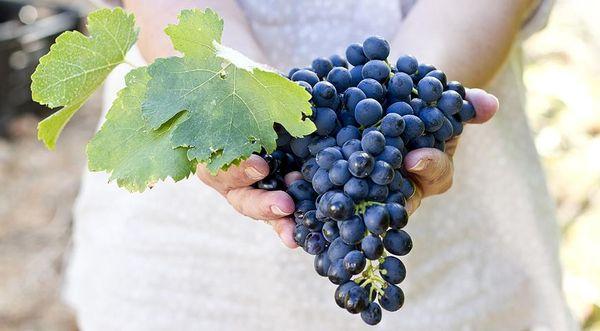
The variety is distinguished by its early ripening period and large leaves. The plant is resistant to diseases and adverse weather conditions. The grapes are dark blue.
How to choose the right variety
Gardeners who want to harvest grapes without worrying about winter shelter should choose the right variety. To do this, consider the following:
- The gardener's region. Frost-hardy varieties can tolerate a wide range of low temperatures. Therefore, this factor must be taken into account when choosing a variety.
- What are the grapes used for? Large grapes are most often used for food, as they are more fleshy. Small grapes are used to make wines and beverages, as they contain a large amount of juice.
- Pest protection. Frost-hardy varieties are often immune. It's important to consider the pests common to the growing region.
| Region | Variety |
| Middle zone |
|
| Northern regions |
|
| Southern regions |
|
Gardeners choose varieties based on their individual preferences.
Features of cultivation
Growing frost-resistant grapes has the following features:
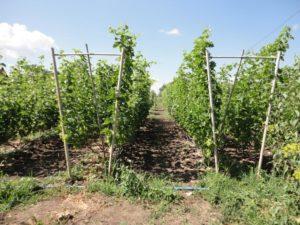
- The plant's vines require no protection. Even if tissue is damaged, they recover on their own or are replaced by new shoots.
- In order for the plant to produce a harvest, it is necessary to prune and rejuvenate the bush in the spring.
- The plant requires frequent watering.
- During the ripening period of the bunches, it is necessary to add additional nutrients, since everything goes into the development of the berries.
During the first three years after planting, covering the seedling is mandatory. After that, no covering is needed.
Tips and advice from experienced gardeners
To maintain the health of the bush, it is necessary to follow these recommendations:
- Non-covered varieties must be supported with special supports that are not removed during the winter;
- In spring, it is necessary to use mullein infusion to increase the harvest;
- Frost-resistant varieties have large bushes, so the area must be allocated for such plantings;
- A technical type of crop containing a large amount of juice is used to prepare juice and wine.
The rules and recommendations will allow you to get a harvest every year.
Result
Frost-hardy grapes are productive and easy to grow. They are rarely susceptible to disease or pests. When choosing a variety, consider the growing region and the intended use of the plant.
Related posts:
 Beginner's Guide to Growing Grapes in Open Ground in Central Russia
 The best grape varieties for growing in the Urals, planting and care rules in summer
 Description of 36 of the best sweet and large varieties of gooseberries
 Description of 30 varieties and types of Muscat grapes, planting, cultivation and care
 Descriptions of the 20 best cherry varieties for the Moscow region, their planting and care
 Description of varieties of sowing peas and cultivation, to which family they belong
 Description and characteristics of the 45 best pear varieties, how to choose
 Which tomato varieties are best for open ground?