
- Description and characteristics of the culture
- Selection criteria
- Color
- Size
- Taste
- Adaptability to local climatic conditions
- Productivity
- Resistance to diseases and pests
- Features of different species and varieties
- Early
- Mid-season
- Late-ripening
- Thornless
- Frost-resistant
- Shaggy
- Desserts
- Tall
- Review of popular varieties
- Ural emerald
- Prune
- Spring
- Krasnoslavyansky
- Beryl
- Northern Captain
- Date
- Grushenka
- Commander
- Kolobok
- Amber
- Honey
- Lada
- Canned goods
- Consul
- Invicta
- Russian yellow
- Bogatyr
- Redball
- Plum
- Grossular
- Belarusian red
- Green rain
- Neslukhovsky
- African
- Eaglet
- Tatiana
- Baltic
- Affectionate
- Freedonia
- Royal
- Defender
- Peach
- Michurinets
- Nutmeg
- Phoenix
- Selection recommendations for regions
- Southern
- Central Russia and the Moscow region
- Siberia and the Urals
- Old Soviet gooseberry varieties
- A brief overview of promising varieties
Gooseberry varieties and types are extremely diverse. Every year, breeders create new and more resilient varieties. Each subspecies of the berry has its own characteristics, positive and negative qualities. When choosing seedlings for your garden, it's important to consider the future planting and growing location.
Description and characteristics of the culture
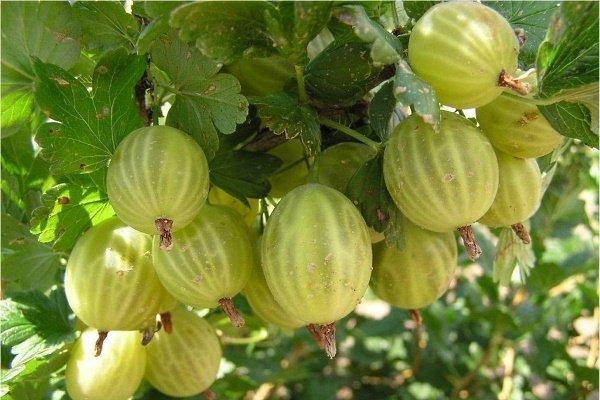
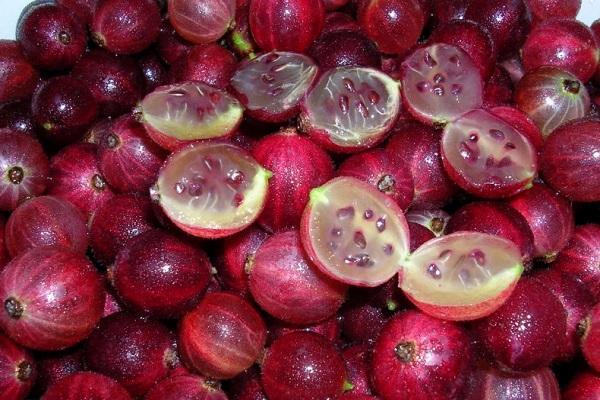
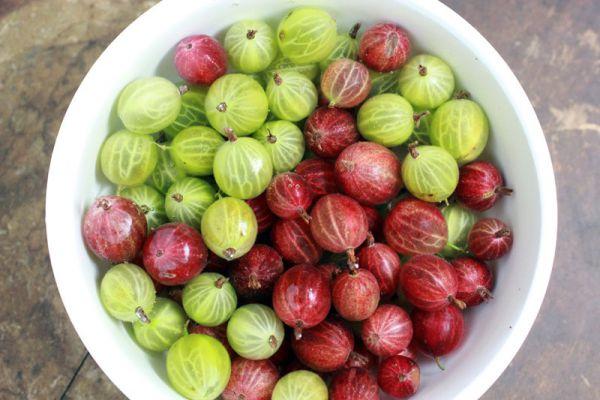
Gooseberries are shrubs up to 1.5 m tall. The leaves are green and dissected into 3-5 parts. The shoots are woody and have thorns. The berries range in size from 2 g to 15 g, and come in a variety of colors: yellow, green, red, and black. The pulp is gelatinous and green, containing seeds that are retained for seeds.
The berries taste like currants, with sugar content ranging from 12 to 18% and acidity from 9 to 12 g per 100 g of product. The plant requires little care and prefers well-lit areas protected from northern winds.
Important! Subject to all agricultural practices Gooseberries are rarely affected by fungal diseases and harmful insects.
Selection criteria
When choosing a particular variety, consider color, size, taste, climate adaptability, yield, and disease resistance.
Color
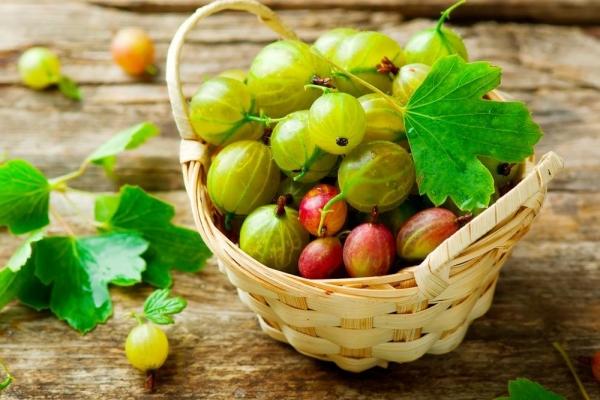
Gooseberries come in green, pink, yellow, and purple. The green variety is considered the most natural. All other colors are hybrids. Choose a variety based on your color preferences.
Size
To obtain a large and robust harvest, choose large-fruited varieties. Large berries are one of the important criteria for choosing a variety. Large fruits are easy to pick, store well, and produce a high yield.
Taste
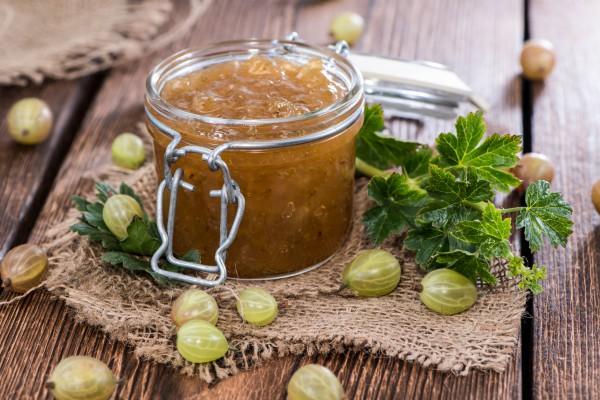
A sweet taste is an important sign of a good gooseberry. All gardeners want to grow delicious berries with a high sugar content. When processed, they produce the most delicious compotes and jams.
Adaptability to local climatic conditions
To ensure the plants thrive, it's recommended to choose regionalized gooseberry varieties. These are specifically designed for specific climate zones. Under these conditions, the bush will produce the maximum yield and have a high survival rate.
Productivity
High-yielding varieties are valued not only by gardeners but also on an industrial scale. They are most often grown for processing and sale. These varieties also offer good transportability.
Resistance to diseases and pests
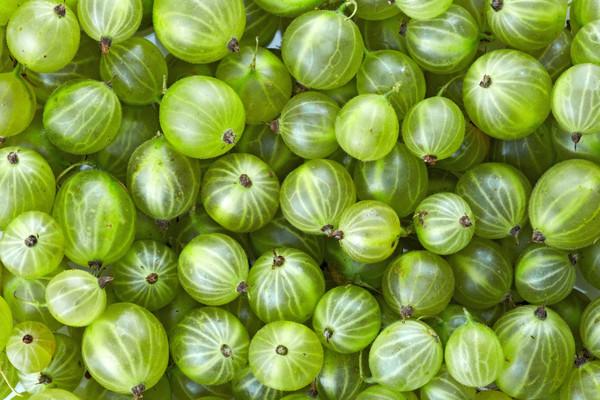
The stronger and more resilient a gooseberry's immunity, the fewer problems it will encounter when growing it. This means it's virtually immune to fungal and pest attacks. However, frequent overwatering and poor agricultural practices significantly increase the risk of infection, as gooseberries weaken their immunity.
Features of different species and varieties
Gooseberries are divided into varieties with different ripening times, resistance and sugar content.
Early
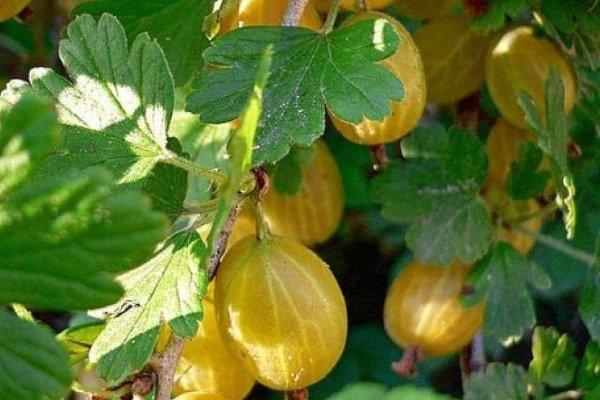
Yellow-fruited gooseberry varieties ripen in 100 days. They are suitable for cultivation in the North. Their ripening period allows the berries to fully mature. They can also be grown throughout Russia.
Mid-season
These varieties are ideal for growing in temperate climates. Ripening time is up to 120 days. They come in green, red, and dark colors. They produce their highest possible yields in the south.
Late-ripening
A vigorous shrub. They ripen in mid- to late September. They have strong stems and a well-developed root system. Gooseberries grow vigorously and produce a large harvest.
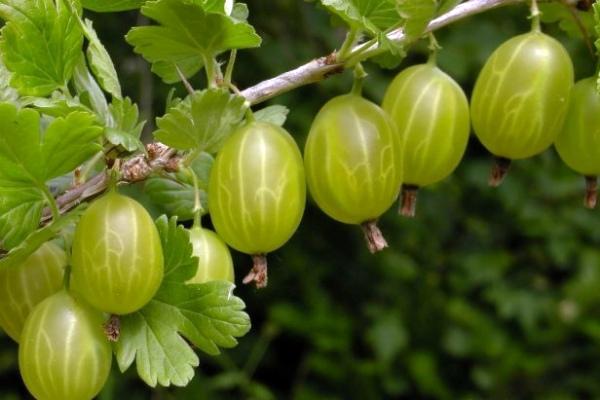
Thornless
A distinctive feature of this variety is the absence of thorns on the stems. This makes many tasks easier: pruning, shaping the crown, and harvesting. It's often difficult to avoid getting your hands on gooseberry thorns.
Frost-resistant
High frost resistance allows gooseberries to easily withstand the harshest winters. This quality makes them suitable for growing in Russia's northern regions. However, young bushes must be protected for the winter during the first three years. Frost resistance manifests itself after fruiting begins.
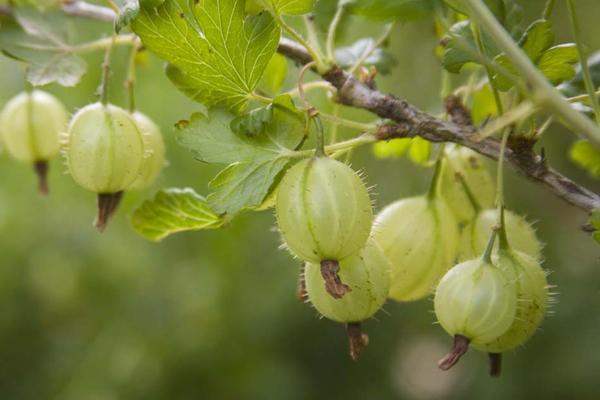
Shaggy
Hairy gooseberries are berries with a slightly pubescent skin. They come in green, red, and black. The hairs serve a protective function, preventing infection and thickening the skin.
Desserts
These varieties contain the maximum amount of sugar. They taste very sweet and are suitable for making compotes and jams. Their acidity is low. The berries sell well and have a presentable appearance.
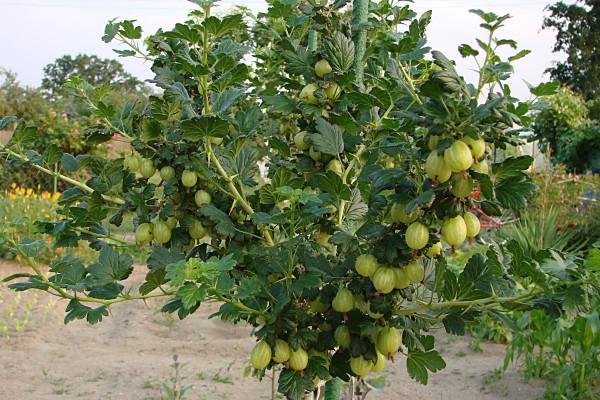
Tall
Tall gooseberry bushes reach a height of about 1.5 m. They take up a large area in the garden. They are suitable for large gardens and fit perfectly into landscape designs. They exhibit maximum frost resistance and high yields.
Review of popular varieties
The most popular varieties are found not only in gardens but also in industrial cultivation.
Ural emerald
A dessert variety, the berries are high in sugar. Yields up to 7 kg per bush. The fruits are medium-sized, rich emerald in color, and oval in shape. They tolerate frost and spring frosts well. They are resistant to powdery mildew.
Prune
The fruit transports well. The berries are medium-sized, up to 5 g each, and the bushes are medium-sized with a compact crown. Frost and drought resistance are present. It is resistant to powdery mildew. The berries are purple and round. Yields up to 5 kg per plant. This variety is a cross between plum gooseberry and thornless gooseberry. Its distinguishing feature is its thornlessness.
Spring
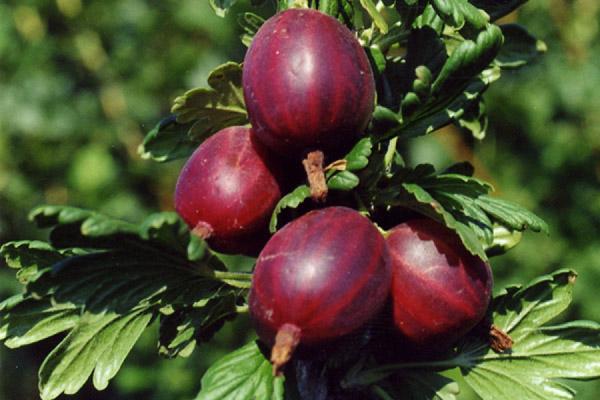
Tall bushes produce medium-sized berries, weighing up to 6 g, with a yellow-green color. The fruits are large and round. The plant is characterized by high frost resistance and strong immunity to fungal infections. The yield is 7 kg per bush.
Important! Regionally developed varieties are the most suitable for each region.
Krasnoslavyansky
A large-fruited gooseberry variety. It produces berries up to 10 g in weight, crimson in color, and excellent flavor. The shoots have small thorns. The bush is medium-sized and spreading. Ripening occurs in early August. Fruiting begins in the second year. The maximum yield is 7 kg per bush.
Beryl
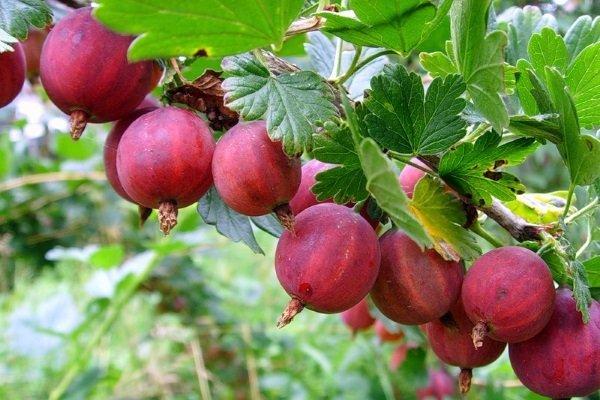
A medium-sized shrub with a spreading crown, ripening in mid-season. It produces berries weighing up to 10 grams, with a bright green, rich coloring and a spherical shape. Each bush can yield up to 13 kg of fruit when grown in favorable conditions. Fruiting begins in the second year of growth. This variety copes well with drought and severe northern frosts. It is also resistant to fungal diseases.
Northern Captain
A tall shrub with a narrow crown. It produces medium-sized fruits weighing up to 4 g, dark burgundy in color. It has excellent flavor, with a sugar content of 16%. The shoots have a small number of thorns. It easily adapts to drought and frost, ripens at a medium rate, and is suitable for all regions. The maximum yield is 12 kg per plant. Fruiting is gradual; after the berries are picked, new ones begin to form in their place.
Date
A tall, spreading bush, it takes up a lot of space in a garden. The fruits are large, burgundy-red, and contain numerous seeds. The shape is round, slightly tapering toward the top. Ripening occurs in several stages. A single bush can yield up to 60 kg of fruit. This yield is achieved by the fifth year of vegetation; in the first three years, 5 to 13 kg are harvested. The shrub easily tolerates frosts and is also resistant to some fungal diseases.
Grushenka
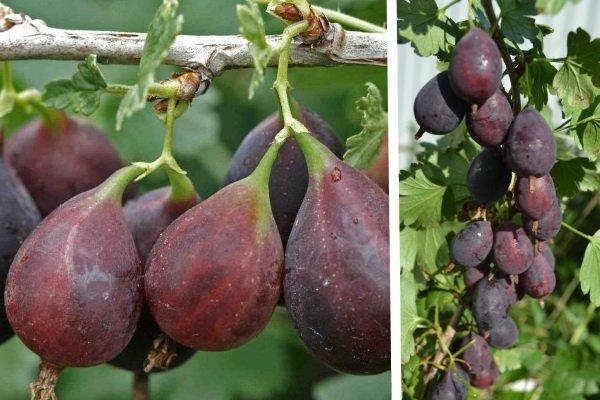
The stems are thornless. The bushes are medium-sized, bearing bright purple, pear-shaped berries. They have a pleasant sweet flavor. Each berry weighs 5-7 g. Frost resistance is high; even the buds survive spring frosts.
Commander
This thornless gooseberry variety produces rich red-brown berries with an incredibly sweet flavor. Each berry weighs 5 grams, and each plant yields up to 7 kg. It tolerates moderate frosts well, but is not suitable for northern regions. The thornless stems make harvesting much easier.
Kolobok
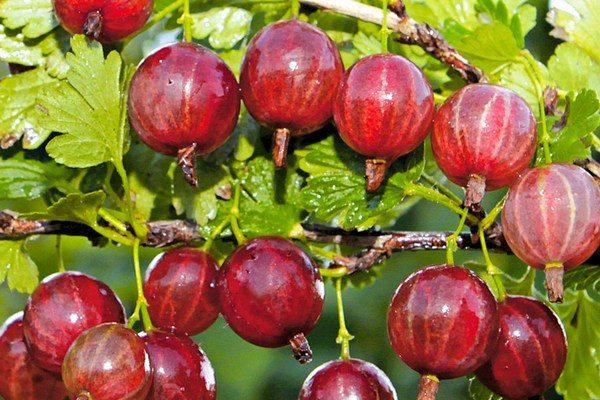
The low-growing bushes produce medium-sized, pink-colored berries. They ripen mid-season and produce high yields, up to 10 kg per plant. The fruits are round, elongated, and have a pleasantly sweet, tart flavor. Harvesting begins in late July.
Amber
The fruits are light golden in color and large. The stems are adorned with single spines and ripen early. Gooseberries have a pleasant sweet flavor and are suitable for growing in all regions of the country. They are characterized by high frost resistance and disease immunity.
Honey
A medium-sized shrub with a spreading crown and bright green leaves with olive hues. The stems are brown and densely covered with spines. The berries are yellow-golden, medium-sized, and weigh up to 6 g. They have excellent flavor and contain 18% sugar. The plant tolerates frost and drought. It is susceptible to disease and insect attacks.
Lada
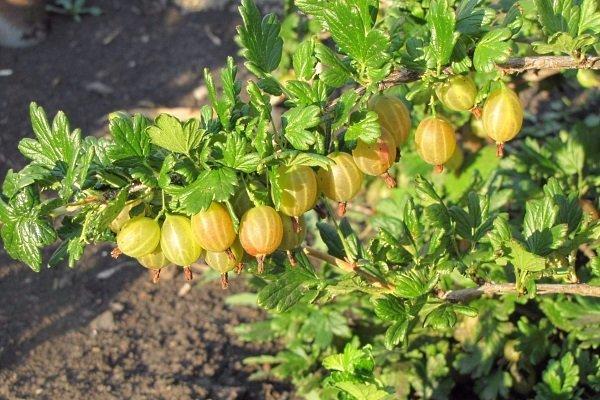
A medium-sized shrub with a spreading crown, branches oriented in different directions. This is a late-ripening variety. The berries weigh up to 8 grams each, are burgundy in color, and yield is average. Fruiting begins in the second year of growth. Peak yield occurs very early. The plant is frost- and drought-resistant. It is resistant to powdery mildew and fruit rot. The berries have a sweet taste due to their high sugar content. They are suitable for fresh consumption and processing.
Canned goods
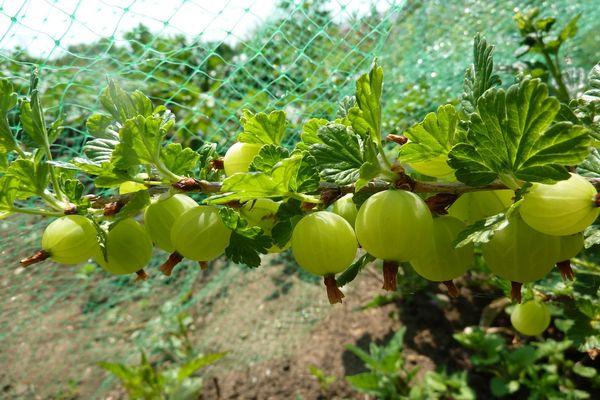
A tall shrub with a semi-spreading crown. The shoots are oriented in different directions. It is a mid-season variety. The fruits are small, up to 2 g in size, rich green, and round. The flavor is average, and the shoots have thorns, gathered in clusters of 2-3. It has average cold tolerance and is immune to some fungi. Drought tolerance is average. It is suitable for cultivation in temperate regions.
Consul
Red gooseberries are renowned for the size of their berries, each weighing up to 7 g. They have a pleasant, sweet flavor. The bushes are tall, reaching over 1.5 m in height. The leaves are medium-sized and light green. This variety is considered mid-season.
Invicta
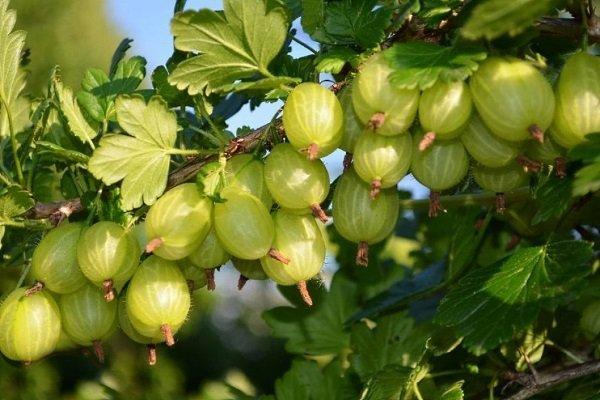
Shrubs with a spreading crown and light green foliage. The plants are highly resistant to frost and fungal infections. The fruits are medium-sized, up to 5 kg each, and green. They have a sweet and sour taste.
 Important! Fungal diseases are the most common ones affecting gooseberries.
Russian yellow
These low-growing plants are characterized by high frost resistance and strong immunity to fungal diseases. The berries are golden in color. They have excellent flavor, and their low growth rate allows for compact planting.
Bogatyr
A late-ripening gooseberry. The bushes are medium-sized and compact. The foliage is dissected and light green. The stems are brown, woody, and sparsely thorned. The berries are very large, weighing up to 22 g, round, and yellow-green with a pink blush. They have a high sugar content, making them a dessert variety. The flesh is fleshy and juicy, and contains seeds.
It is resistant to frost and fungi.
Redball
A mid-season plant. The berries are bright pink, medium-sized, weighing up to 6 g. Yields up to 7 kg per bush. Harvesting begins in May. The bush is medium-sized, with a semi-spreading crown, dark green foliage, and thornless, woody, brown stems. It is frost-resistant and powdery mildew-resistant. Suitable for growing in northern regions.
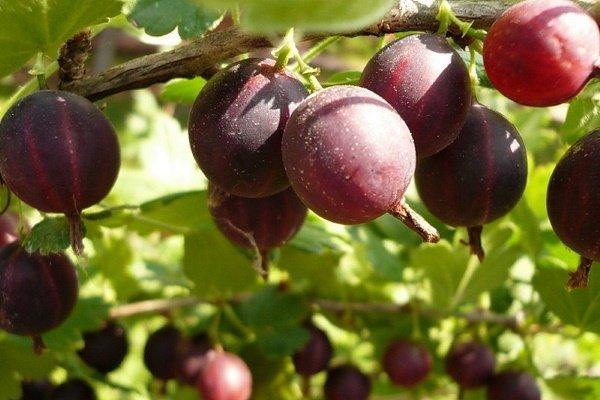
Plum
This medium-sized gooseberry has a spreading crown. Ripening time is mid-season, and the foliage is green and dissected. The stems are brown and heavily thorned. The berries are large, up to 12 g, and bright purple. When overripe, the skin becomes very dense. The flavor is excellent, with a sugar content of 16%. The fleshy pulp contains seeds. This variety is frost- and drought-resistant. It is immune to fungi.
Grossular
A thornless gooseberry variety. Resistant to frost, drought, virtually all diseases, and sudden temperature changes. Ripening time is average. The bush has a spreading crown and is medium-sized. The leaves are green, elongated, teardrop-shaped, and the stems are brown and thornless. The flavor is excellent. The skin is thick, making the berries easy to transport. Yields up to 5 kg per gooseberry, with medium-sized berries weighing up to 6 g each.
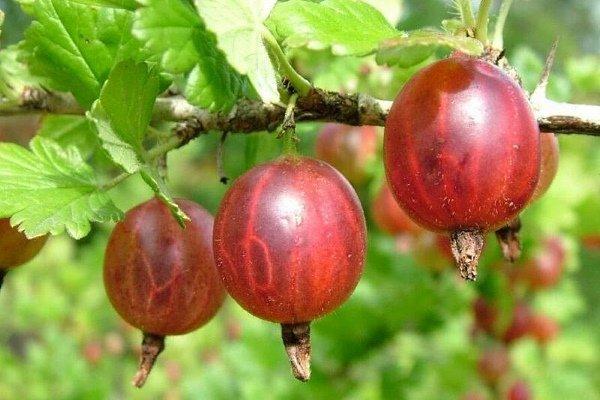
Belarusian red
A result of Belarusian selection, this variety is suitable for temperate climates. The bush is medium-sized and semi-spreading. Ripening occurs in mid-June. The fruits weigh up to 5 grams, are pinkish-purple in color, and are round. The berries have light veins. The foliage is dark green, and the stems are gray-brown with thin spines. This gooseberry has a sweet and sour taste and is suitable for fresh consumption and processing.
Green rain
The berries are characteristically bright green, round, teardrop-shaped, and weigh up to 8 g. The yield per bush is 5 kg. The plant is medium-height, with a spreading crown. The stems are covered with fine needles. The fruits ripen by early August. They are resistant to fungal diseases, frost, and drought. The taste is pleasant, with a sugar content of 15%.
Important! The higher the sugar content, the sweeter the berries.
Neslukhovsky
This variety has been cultivated since 1970. The bushes are medium-sized, with a spreading crown. The branches are strong, with few thorns. The berries are large, covered with a dense burgundy skin, weighing up to 7 g. The yield per bush is 7 kg. It is resistant to septoria, powdery mildew, and frost. It easily tolerates frost.
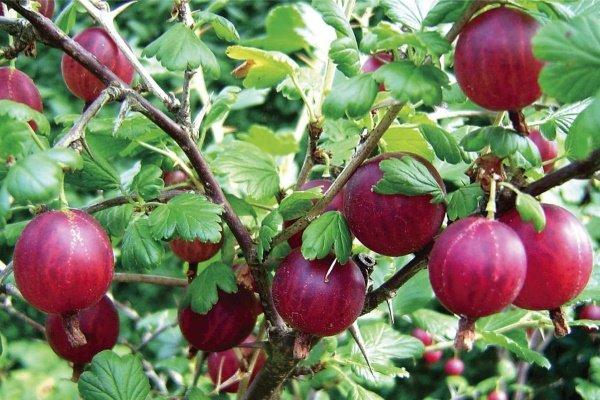
African
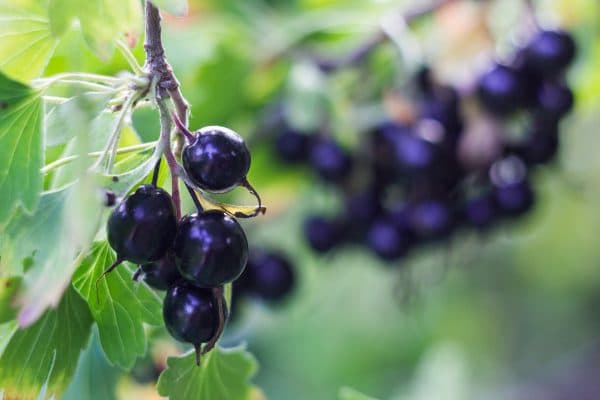
The shrub produces black berries weighing 2-3 grams, which contain a large amount of vitamin C. The plants are small, with a compact crown. They tolerate drought well and are resistant to fungi. The stems are virtually thornless.
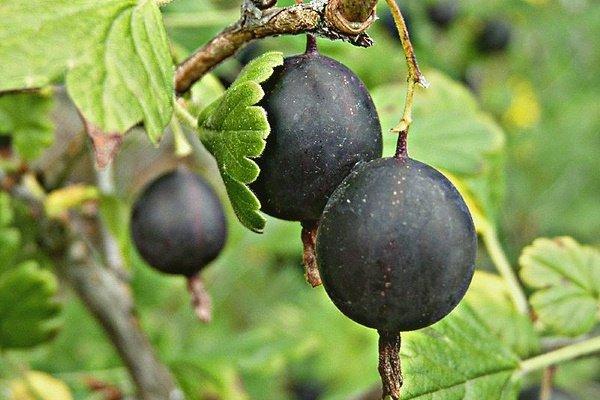
Eaglet
Black gooseberry. Medium-sized bushes with a compact crown. Resistant to fungal diseases, frost, and drought. The fruits are small, up to 6 g, and covered with a thick skin. The stems are thornless. Very popular among amateur gardeners. The fruits ripen early, the flesh is green with red veins, and the taste is pleasant, with a rich, sweet flavor.
Tatiana
A medium-sized plant with a mid-season ripening period. Fruits are harvested in late or mid-July. Suitable for growing in temperate climates. It is frost-resistant and has moderate disease resistance. The stems bear small spines. The berries are large, yellow-green, and yields high.
Baltic
This green, medium-sized, compact gooseberry bears fruit up to 6 grams in size, green in color, and round in shape. The maximum yield is 10 kg per bush. The leaves are dark green, and the stems are brown with a few spines, gathered in bunches of 3-4. It is resistant to powdery mildew, as well as frost and heat. It is a versatile variety. The berries are densely packed on the branches.
Affectionate
The berries are red with a slight white waxy coating. The bush is medium-sized and compact. The branches are closely spaced. The foliage is dark green. The stems have short, solitary thorns, which are almost invisible. It is resistant to low temperatures, sudden changes in weather conditions, and heat. It is also resistant to fungal diseases. The yield reaches 5 kg per plant.
Freedonia
This mid-season gooseberry is medium-sized and compact, making harvesting much easier. The fruits are reddish-burgundy, weighing up to 8 grams each. Yields are high, up to 9 kg per bush. The stems are thornless. The plant is resistant to frost and drought, as well as some fungi.
Royal
A large-fruited variety with a mid-season ripening period. Ideal growing conditions are central Russia. Yields exceed 10 kg per plant. The berries are light green, and the skin is thick, making them suitable for long-distance transport. The stems have a few thorns.
Defender
A tall shrub with dense stems. It requires ample space. It produces black fruits weighing up to 8 g. The yield is average, and the ripening period is late. It is suitable for cultivation in the south. It is resistant to frost, drought, and some fungi. The shoots are tipped with small spines. The foliage is light green, with dissected blades and wavy edges.
Take a look Also
Peach
The berries are a rich golden color, large, weighing up to 9 g, and round in shape. They have a pleasant sweet flavor reminiscent of peaches. The bush grows tall, up to 1.7 m, with a spreading crown, requiring ample space. It is resistant to frost, drought, and most fungal diseases. The leaves are dark green, and the brown stems are practically free of needles.
Michurinets
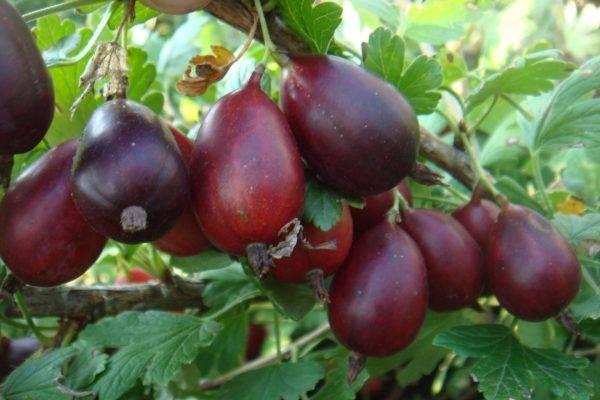
The fruits are a vibrant burgundy color, pear-shaped, and medium-sized, weighing up to 7 g. This mid-season gooseberry is medium-sized, with a spreading crown. The berries ripen in mid-July. The yield is average, up to 6 kg per bush. The berries have a pleasant sweet taste, with a sugar content of 16%. The leaves are green, wrinkled, shiny, and covered with a waxy coating.
Nutmeg
Developed by Russian scientists, this mid-season gooseberry variety grows tall with a spreading crown. The medium-sized berries are green with a burgundy blush, densely packed on the branches. The stems are covered with spines, gathered in clusters of 3-4. The berries are highly flavorful, with a slight Muscat flavor, and are suitable for winemaking. The leaves are dark green and wrinkled. They are highly resistant to low temperatures and moderately resistant to fungi and diseases.
The presence of a nutmeg note makes gooseberries more pleasant to taste.
Phoenix
A mid-season variety with a medium height and a semi-spreading crown. It produces rich golden-colored berries weighing up to 6 g. The yield is average, with each plant yielding 6 kg. The leaves are light green, large, and wrinkled. The flavor is excellent, with a sugar content of 17%. Phoenix is resistant to powdery mildew and frost. Fruiting begins in the second year, with peak yields reached in the third to fifth year.
Selection recommendations for regions
Each region has its own regionalized varieties. In the south, central, and northern regions, gooseberry varieties are distinguished by their adaptability and tolerance to specific conditions.
Southern
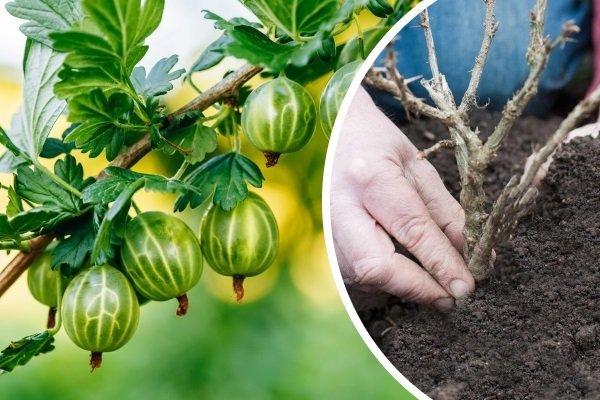
For the Central Black Earth Region, it's recommended to choose varieties that tolerate prolonged drought well. Ripening times can vary, as summer in the south lasts until the end of September. Any gooseberry variety will ripen fully. It's also recommended to choose bushes with a well-developed root system.
The plant prefers well-lit, sunny locations. However, in the Central Black Earth Region, the sun is scorching, which can cause leaf burn. For protection, cover the plants with calico fabric.
Central Russia and the Moscow region
Gooseberries with a mid- to early-season ripening period, lasting up to 125 days, are suitable. Frost resistance should be moderate to high. In this region, winter temperatures drop to -25°C. Good frost tolerance will significantly ease the task of caring for the plants.
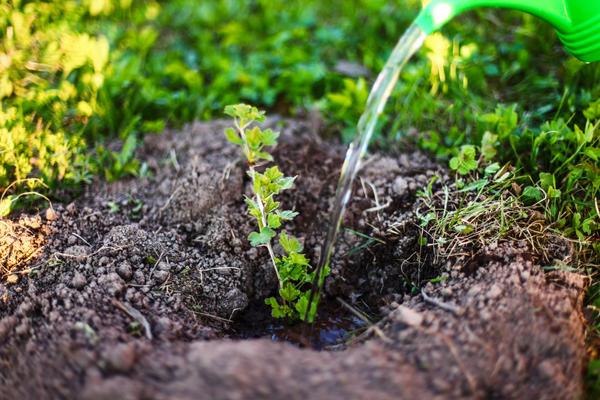
Zoned varieties for the central zone and the Moscow region boast high yields, a variety of berry colors, moderate frost and drought resistance, and they also tolerate the sudden changes in weather conditions typical of these areas.
Siberia and the Urals
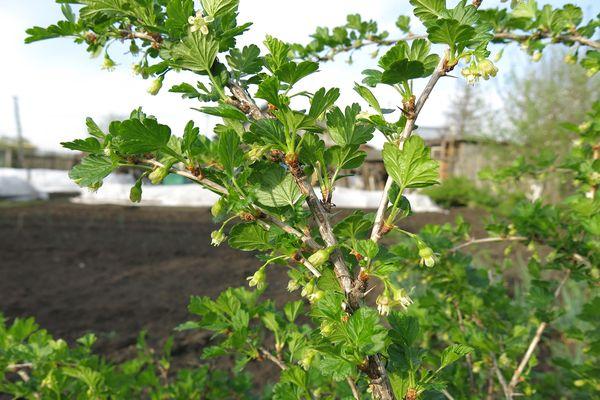
In this region, summer lasts only 90 days. To ensure a good gooseberry harvest, you need to choose early-ripening varieties that are resistant to harsh Siberian frosts, have a strong immune system, and can easily cope with temperature fluctuations.
Regionalized varieties possess all the necessary qualities; they are being developed by scientists at the Siberian Agricultural Institute. They are fully adapted to the northern climate. For the north, it's important to choose varieties with frost resistance down to -38°C.
Old Soviet gooseberry varieties
Gooseberries have been cultivated for several decades. Scientists have been working on new varieties since Soviet times. Many varieties were popular back then and are still grown today. The most popular are:
- Avenarius;
- Barrel;
- English yellow;
- Brazilian;
- Warsaw;
- Bottle green;
- Date;
- Houghton;
- Mysovsky 37;
- Russian;
- Five-year plan;
- Change.
All of these varieties were in high demand during the Soviet era. They could be found not only in private gardens but also in greenhouses for industrial berry sales. Many of these varieties are still found in dachas.
A brief overview of promising varieties
Promising gooseberry varieties should incorporate the best qualities, such as thornlessness, frost and disease resistance, large fruit, and high yield. The best large-fruited varieties include:
- Kolobok;
- Defender;
- Cooperator;
- Leningrader;
- Spring;
- Amber;
- Date;
- Ural thornless;
- Beryl;
- Ural emerald;
- Krasnoslavyansky.
The best winter-hardy varieties of berries include:
- Aristocrat;
- Harlequin;
- White Nights;
- Commander;
- Strawberry;
- Grushenka;
- African;
- Commander;
- Russian yellow.
Thornless gooseberry varieties are in high demand these days. The absence of thorns significantly improves the harvesting process. These varieties include:
- Sirius;
- Chernomor;
- Naughty boy;
- Anniversary;
- Eaglet.
Related posts:
 Description of 34 best gooseberry varieties for Siberia and the Urals, cultivation techniques
 22 Best Large-Fruited Gooseberry Varieties for the Moscow Region: Planting and Care
 When and how to properly pick gooseberries with your own hands to avoid getting pricked
 Description of the Hinnonmaki gooseberry, varieties, planting and care
 Description and characteristics of the gooseberry variety Commander, planting and care
 Description of the Malachite gooseberry, varieties, planting and care
 Pests and diseases of gooseberries and their control using chemical and folk remedies
 Sulfur control of powdery mildew on gooseberries using folk and chemical remedies