
- Description and Features
- Reasons
- Diagnostics
- Can you eat contaminated berries?
- What does it look like?
- Effective ways to fight
- Chemical treatment
- HOM
- A solution of copper or iron sulfate
- "Topaz"
- Nitrofen
- Tilt KE
- Traditional methods of treatment
- Wood ash solution
- Onion peel
- Garlic arrows
- Soda solution
- Serum
- Iodine solution
- Rapeseed oil
- Dry mustard
- Mullein
- Green stuff
- Aspirin
- Ammonium nitrate
- Potassium permanganate
- Field horsetail
- Tansy
- Spraying with soda ash
- Fungicides
- Planriz
- Fitosporin
- "Pseudobacterin-2"
- Trichodermin
- Trimming
- Prevention and protection
- Agricultural technology requirements
- Thinning
- Treatment with boiling water
- Autumn digging
- Loosening
- Wood ash infusion
- Preventive solution from tansy
- Regulating the amount of nitrogen fertilizers
- After harvesting
- Resistant varieties
- Kolobok
- Finnish
- Ural grapes
- Kuibyshevsky
- Houghton
- Senator
- African
- Anniversary
- Harlequin
- Particularly vulnerable varieties
- Russian
- Golden Light
- Triumphal
- Lefort seedling
- Prune
- Features of the fight against American powdery mildew
Powdery mildew negatively impacts the development of gooseberries. This fungal virus affects all parts of the bush and spreads if left untreated. Knowing and applying the right measures to combat powdery mildew on gooseberries can prevent the death of your plants.
Description and Features
Powdery mildew, also known as powdery mildew, is a fungal disease caused by microscopic fungi found in the soil. This virus affects most crops. While the symptoms are similar for all plants, the pathogens that cause the infection vary. As a result of gooseberry damage, the quality of the harvest is significantly reduced, the berries become smaller and lose their shape. Over time, the bush withers and dies.
Reasons
There are several common causes of powdery mildew. The harmful fungi are most active in the following situations:
- a period of prolonged rains or high atmospheric humidity (60-80%) at an ambient temperature of 15-27 degrees;
- frequent and sudden changes in temperature;
- radical pruning performed to rejuvenate a planting;
- increased nitrogen content in the soil;
- strong thickening of plantings;
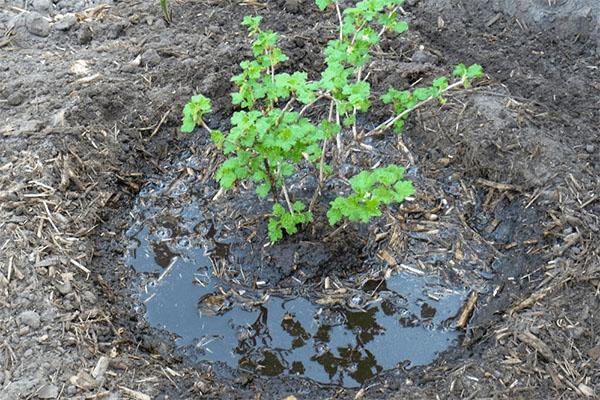
- violation of the irrigation regime (constant drought or stagnation of liquid).
Diagnostics
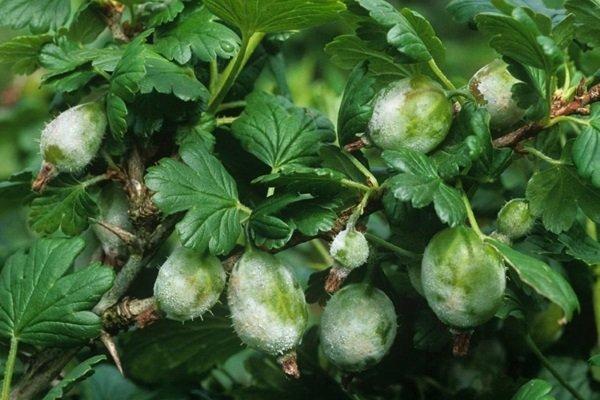
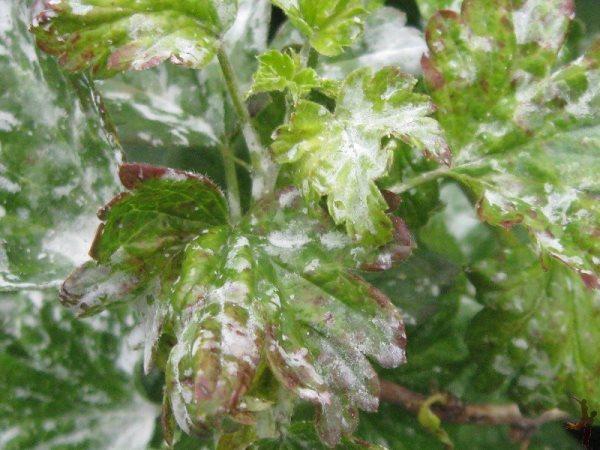
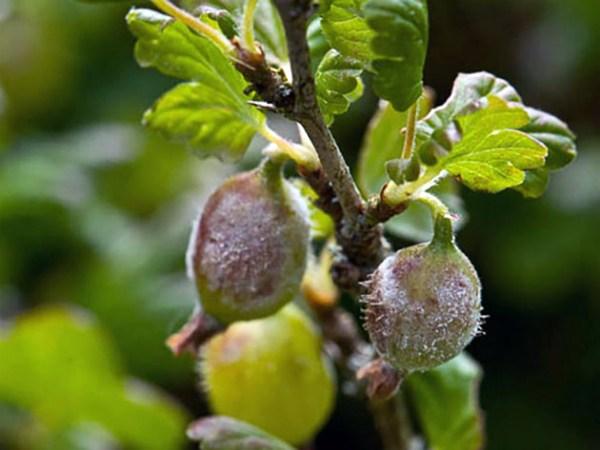
The initial sign of powdery mildew in gooseberries is the formation of a white mycelial coating. If this coating appears on the plant, it should be inspected for other signs of the disease. The coating, with visible droplets of moisture on the surface, forms on leaves, petioles, young shoots, fruit stalks, and the berries themselves. The stems and leaf blades closest to the ground are initially affected, after which the disease progresses and affects the entire bush.
If you look closely at the plaque, you'll notice ulcers forming where the mycelium attaches to the plant. The fungus absorbs nutrients from the plant, causing the bushes to wilt and lose their decorative qualities. Furthermore, photosynthesis is disrupted in the affected leaves. Cracks appear on the fruit, allowing rot pathogens to enter, leading to re-infection.
Can you eat contaminated berries?
Powdery mildew does not pose a health risk. Infected gooseberries are safe to eat. Wash off any powdery mildew before eating. In severe cases, it's easier to peel the entire skin rather than wash off the mildew.
The appearance of affected berries is significantly worse than that of healthy specimens. Besides eating the berries fresh, you can make jam or preserves from them.
It's important to understand that this disease is a fungal infection, and fungi reproduce through spores. They can cause allergic reactions in people with allergies. Therefore, it's best to consume affected berries in small quantities, mixing them with healthy ones.
What does it look like?
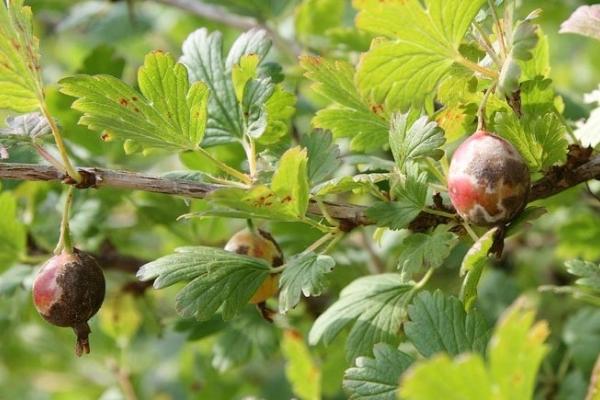
The disease is indicated by a web-like, loose white coating that eventually develops into brown spots. If left untreated, affected shoots and leaves will dry out and curl. Affected fruits become deformed and fall off before fully ripening.
Effective ways to fight
Depending on the extent of plant damage and available options, it is worth choosing one of the methods for combating the disease.
Chemical treatment
Chemical treatments can effectively eliminate the virus and preserve the gooseberry harvest. There are several suitable chemicals, each with different compositions and plant-specific effects.
HOM
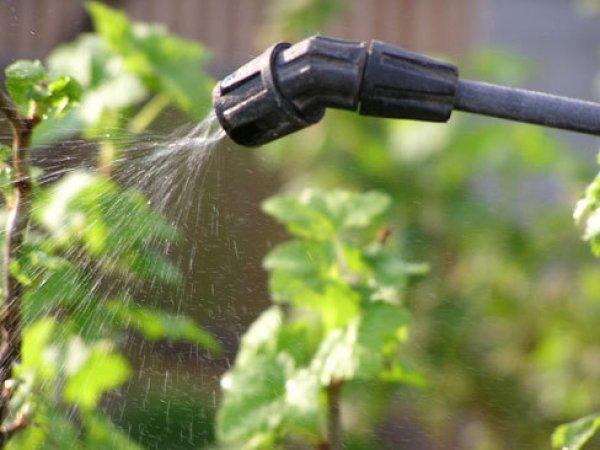
The fungicide "HOM" is a copper oxychloride used to combat a wide range of plant diseases. To achieve the desired effect, the fungicide must be applied strictly according to the instructions. Treatment is carried out by spraying plants during the growing season, excluding flowering. Treatment is ineffective before bud break and after leaf fall.
Take a look Also
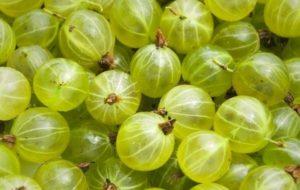
Before using HOM, prepare a solution by mixing the powder with water at a rate of 40 g per bucket of liquid. For better adhesion, add half a glass of skim milk to the mixture. Apply the prepared fungicide immediately by spraying the white coating on the leaves from all sides. It is recommended to apply the solution in dry, windless weather, when the temperature does not exceed 30 degrees Celsius. The effect of the spray lasts for a couple of weeks. If precipitation occurs during this period, repeat treatment.

A solution of copper or iron sulfate
Copper or iron sulfate helps disinfect the soil and plants. Fungicide treatment eliminates powdery mildew and prevents the recurrence of fungal diseases. A solution for treating gooseberries is prepared by mixing 50-75 g of the solution with 10 liters of water. Plants are sprayed after the leaves have fallen, allowing the solution to better affect the stems and branches.
"Topaz"
Topaz is intended for the treatment and prevention of powdery mildew. Its main active ingredient is penconazole. Treatment of gooseberry bushes with Topaz provides comprehensive protection for 15-20 days with moderate virus growth. Topaz has a therapeutic effect during the first four days after infection.
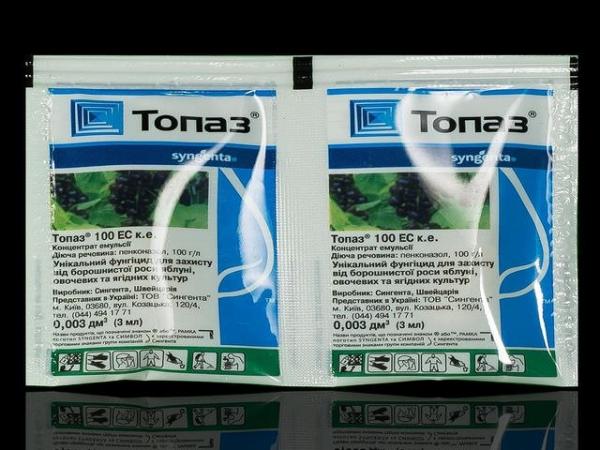
A distinctive feature of this product is its rapid action. Topaz is capable of stopping mycelial growth on infected plants within a couple of hours of application. Thanks to its systemic activity, it effectively protects the most vulnerable parts of plants.
Nitrofen
The paste-like substance "Nitrofen" produces results after just one application. To spray gooseberries, dissolve 200 g of the paste in 10 liters of water. "Nitrofen" is safe for humans and animals, so it is often used to disinfect soil and treat fallen leaves.
Tilt KE
Tilt KE is most effective during the early stages of viral development. It has a protective and therapeutic effect, and also stops sporulation.

Traditional methods of treatment
Besides chemicals, there are folk remedies for combating powdery mildew. These methods involve using readily available materials.
Wood ash solution
Wood ash can be used not only as an organic fertilizer but also to combat viruses. To treat powdery mildew, water the plants with an ash solution or dust them with it.
Onion peel
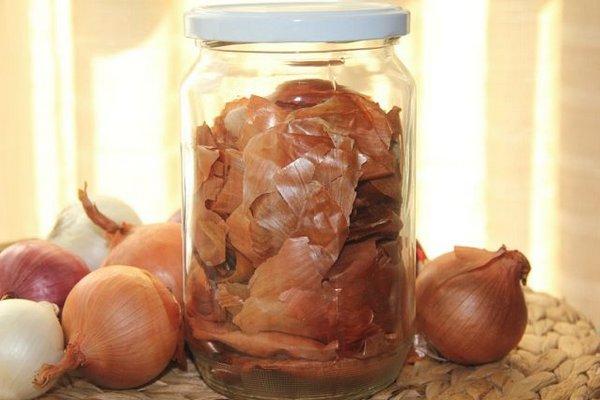
To prepare an onion peel infusion, take 300 grams of onion peel and pour 10 liters of boiling water over it. After the solution has steeped for two days, strain it and water the gooseberry bushes. This treatment is most effective before and after flowering.
Garlic arrows
Garlic shoots can also be used to make a remedy against powdery mildew. The infusion is prepared in a similar way to the previous method. Pour the resulting solution into a spray bottle and spray the plants.
Soda solution
Mix 2 tablespoons of baking soda with 2 liters of water and a spoonful of dish soap to create a solution to protect shrubs from viral diseases. Spray the above-ground portions of plants with the solution.
Serum
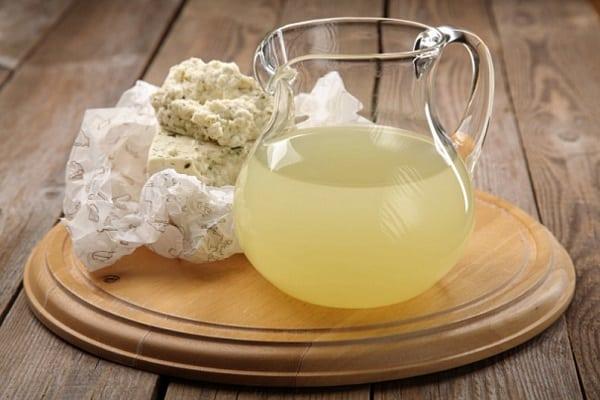
When treated with whey, a film forms on the leaves that destroys the fungal mycelium. The whey is mixed with water at a ratio of 1:10 and sprayed on plants several times at three-day intervals during dry weather.
Iodine solution
A weak solution of iodine in water is suitable for treating leaves and stems. This solution destroys the plaque and reduces the risk of viral recurrence.
Rapeseed oil
Treating gooseberries with rapeseed oil helps save the bushes and improves the appearance of the plants. To prepare a working solution, add 80-100 ml of oil to 10 liters of water and spray.
Dry mustard
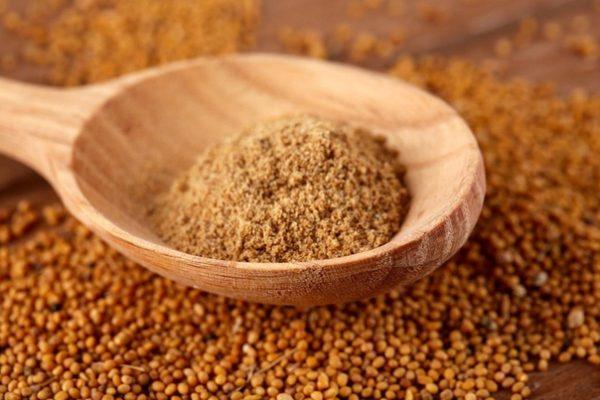
In early summer, sprinkle dry mustard between emerging gooseberry bushes. A mustard solution can also be used to treat the plants.
Mullein
Mullein is dissolved in water at a ratio of 1:3 and left to steep for three days. The mixture is then diluted again with water in the same ratio and filtered. Gooseberries are treated before and after flowering, as well as before leaf fall.
Green stuff
Brilliant green is often used to enrich gooseberries with beneficial micronutrients, but it also protects the plants from fungus. Bushes are treated with a concentrated solution of 20 drops of brilliant green mixed with 1 liter of water.
Aspirin
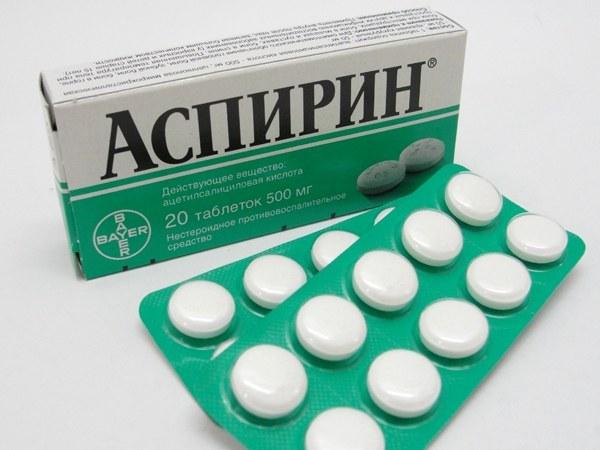
Mix a crushed aspirin tablet with a spoonful of baking soda, add a little detergent, and pour in 5 liters of water. Apply this mixture to the gooseberries every two weeks.
Ammonium nitrate
Using a ratio of 50 g of ammonium nitrate per 10 liters of water, dissolve the substance to obtain a ready-to-use solution. Gooseberries are treated after flowering.
Potassium permanganate
Dissolve 1 g of potassium permanganate in 4 liters of water and apply to the bushes 2-3 times at weekly intervals. If possible, spray after rain.
Field horsetail
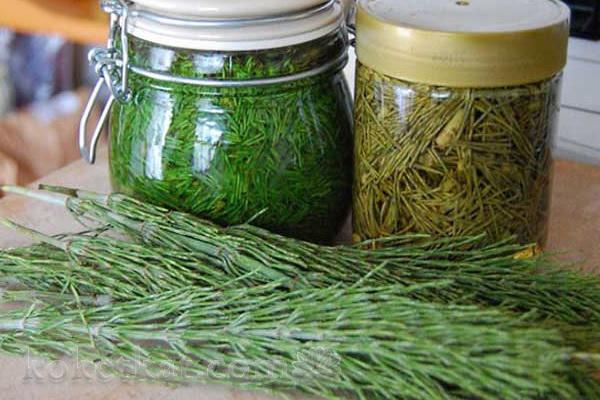
A decoction of horsetail suppresses the pathogens that cause many fungal infections. To achieve the desired effect, apply 3-4 treatments every 5 days.
Tansy
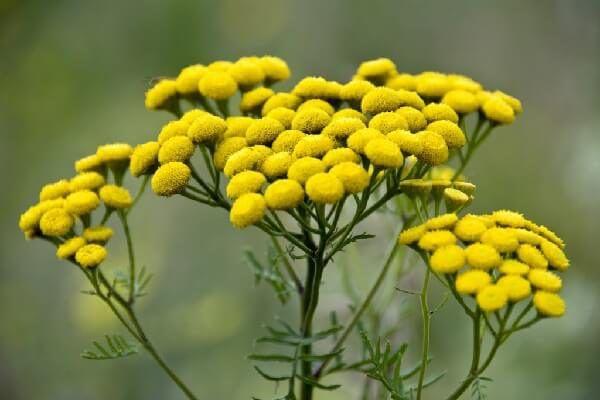
Add 30 grams of dried tansy to a bucket of water, let it steep for 24 hours, then simmer for 2 hours and strain. Apply the cooled solution to the gooseberry bushes and the soil beneath them.
Spraying with soda ash
When using washing soda, mix it with liquid soap and water. Pour the solution into a spray bottle and spray the affected gooseberry leaves.
Fungicides
Ready-to-use fungicides have a comprehensive effect on plants. Their composition allows them to be used effectively to combat powdery mildew.
Planriz
Planriz has a biostimulating effect and protects plants from the virus. The fungicide can be used at any stage of plant development.
Fitosporin
The natural biofungicide Fitosporin contains live soil bacterial cells. The bacterial waste products inhibit the growth of fungal spores, neutralizing harmful microflora.

"Pseudobacterin-2"
The fungicide "Pseudobacterin-2" not only treats shrubs against powdery mildew but also has a pronounced growth-promoting effect. It can also be used preventatively.
Trichodermin
Treatment with Trichodermin saturates the soil with substances that destroy plant pathogens. It also improves the plant's immunity and promotes vigorous growth.
Trimming
Removing diseased parts of gooseberries helps slow the spread of powdery mildew. Also, when pruning gooseberries, remove dried leaves and old shoots, which continue to absorb nutrients.
Prevention and protection
Regular preventative maintenance reduces the risk of shrub damage. Spraying with fungicides and organic compounds is used for protective purposes.
Agricultural technology requirements
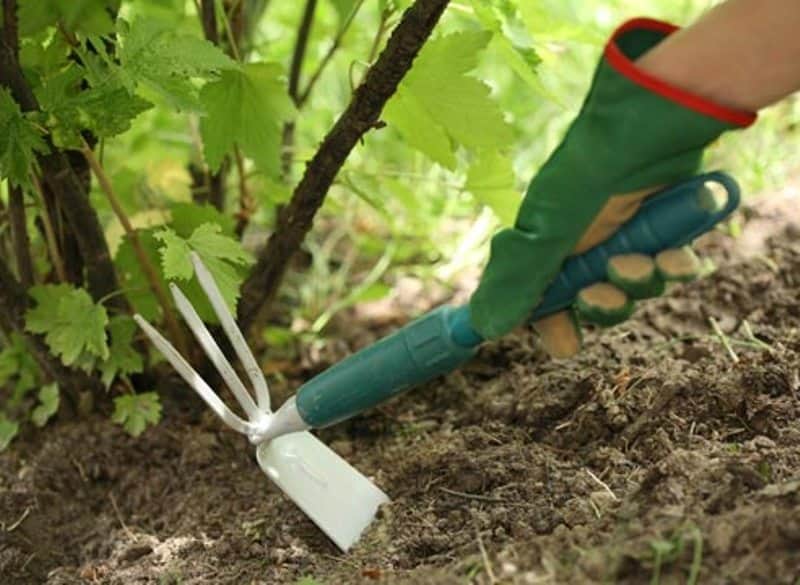
Following basic agricultural practices helps gooseberries grow and remain disease-free. This includes regular care, weed removal, fertilization, and other measures.
Thinning
The risk of powdery mildew increases in dense plantings. To combat the virus, thin out the bushes and remove overgrown branches.
Treatment with boiling water
To kill some of the harmful spores in the soil, you can treat it with boiling water. This treatment replaces one of the scheduled waterings.
Autumn digging
Digging brings soil containing spores to the surface, where they freeze when winter sets in. An additional benefit is improved air exchange.
Loosening
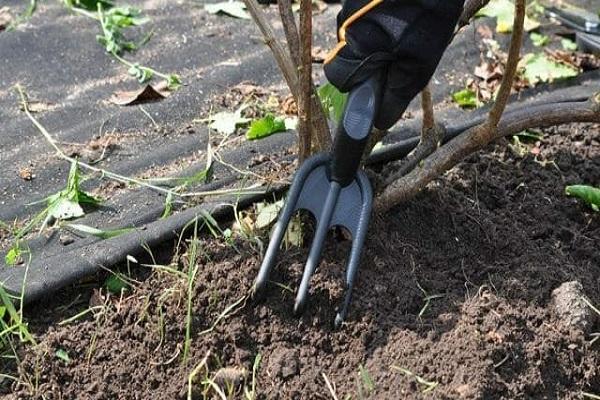
It's recommended to loosen the soil after each watering of the gooseberry bushes to ensure water penetrates the deep roots. It's important not to damage the roots during the loosening process, as this can disrupt the growth process.
Wood ash infusion
Watering plants with wood ash infusion helps saturate the soil with nutrients. This organic fertilizer has a positive effect on plant growth and serves as a preventative measure against powdery mildew.
Preventive solution from tansy
Tansy infusion is used to water the soil around the bushes and to treat the above-ground parts. To prevent powdery mildew, this treatment can be repeated weekly.
Regulating the amount of nitrogen fertilizers
A lack or excess of nitrogen-containing fertilizers leads to improper crop growth. To reduce the likelihood of powdery mildew, it is recommended to use complex fertilizers containing the optimal amount of nitrogen.
After harvesting
After harvesting gooseberries, clear the soil of plant debris and loosen it. Untreated soil encourages the development of dangerous spores.
Resistant varieties
Some gooseberry varieties have increased resistance to powdery mildew. Beginner gardeners are advised to choose varieties with high immunity.
Kolobok
The Kolobok variety grows vigorously, up to 1.5 m tall, with a moderately spreading, dense habit. The branches bear occasional single thorns. The berries, weighing up to 7 g, are round in shape. The fruit has a sweet and sour flavor.
Finnish
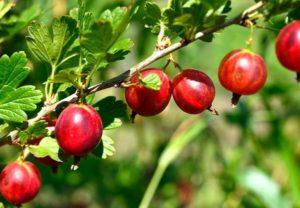
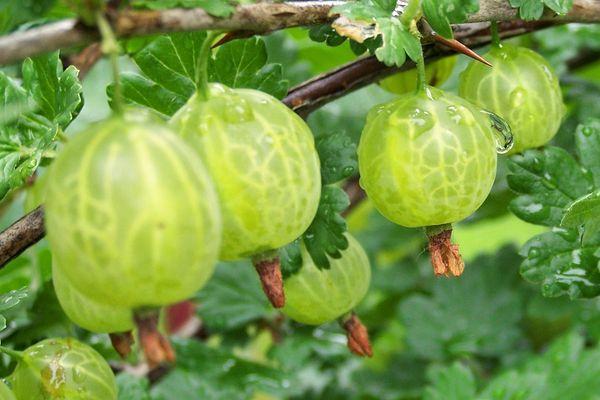
The Finnish gooseberry forms low-spreading bushes with a rounded crown. The fruits are yellow-green, round, and thin-skinned. This variety is resistant not only to powdery mildew but also to severe frosts.
Ural grapes
The tall bushes consist of straight shoots bearing numerous thorns. The fruits ripen towards midsummer. The average gooseberry weight is 4 g.
Kuibyshevsky
This medium-sized gooseberry variety forms dense bushes with a spherical crown. The berries are oval in shape and weigh between 3.5 and 8 grams. The variety is winter-hardy and prone to bushiness.
Houghton
The hybrid variety Houghton is resistant to drought and viral infections. It produces numerous shoots covered in thorns. The bushes are medium-sized, dense, and spherical.
Senator
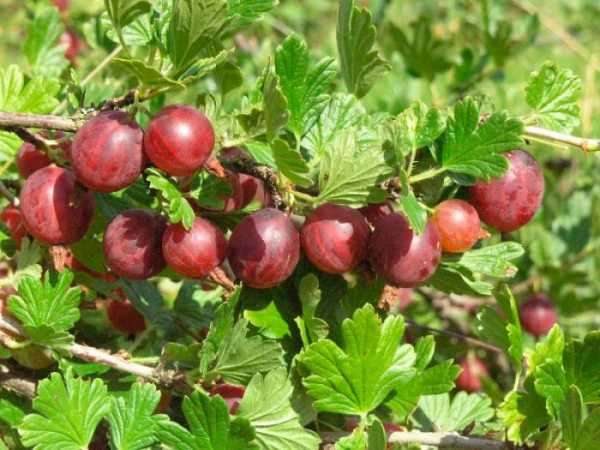
Gooseberry Senator It is a frost-resistant plant with dense, vigorous shrubs. Its characteristic features include thickened branches that take on a woody structure.
African
The African variety produces sweet and sour oval-shaped fruits. The bushes are gently spreading, reaching a height of no more than 1.3 m. With proper care and favorable environmental conditions, fruiting begins within a year. This variety is prized for its high yield and ease of cultivation.
Anniversary
A mid-season variety with an early ripening period, the Yubileiny gooseberry is frost-resistant and forms tall, thorny bushes. The fruits are round or oval, weighing 4-5.5 g, bright yellow, and minimally pubescent. The harvest is used for fresh consumption, jam, and compote.

Harlequin
The Harlequin variety is suitable for growing in regions with harsh climates. The gooseberry bushes are medium-sized, virtually thornless, and hairless. The berries weigh 2.7-5.4 g and have a sweet and sour flavor. The flesh is juicy, dense, and starchy.
Particularly vulnerable varieties
Some gooseberry varieties are more susceptible to powdery mildew than others. When choosing the right variety, consider its susceptibility to viral infections to avoid losing your harvest.
Russian
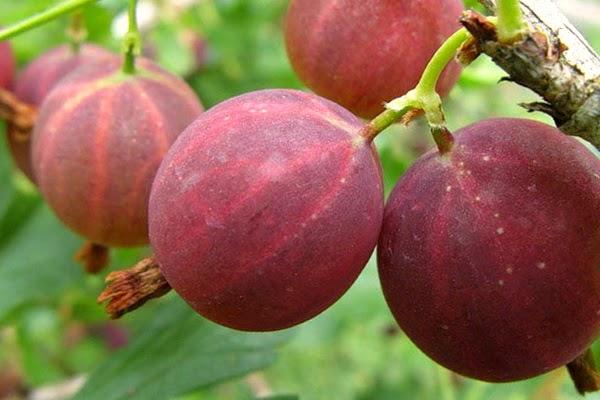
The mid-late-ripening gooseberry variety "Russkiy" forms low, slightly branched bushes. The shoots are thick, curved, and light green. Over time, the shoots acquire a woody structure and turn brownish. The berries are oval, dark red, and have a waxy coating.
Golden Light
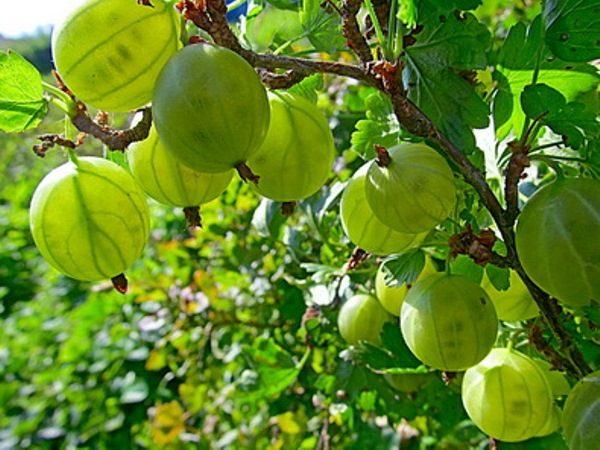
Each Zolotoy Ogonyok gooseberry bush produces 12-14 kg of fruit. Fruiting begins only in the third year after planting. The berries weigh 3-4 g, are yellow, and egg-shaped. Berry weight depends on the moisture content of the plants.
Triumphal
One of the most productive gooseberry varieties is Triumfalny. Its advantages also include high winter hardiness and early harvest. The bushes are vigorous, with a dense crown and thin, spiny shoots. This variety is propagated by green cuttings and layering.
Lefort seedling
The Lefor Seedling variety, with a mid-early ripening period, bears fruit on vigorous bushes. The berries are small, red, thin-skinned, and have excellent flavor and a distinct aroma. The Lefor Seedling gooseberry is winter-hardy and can withstand temperatures below -30 degrees Celsius.
Prune
Compact bushes reach a height of 1.5 m, forming moderately spreading branches with few thorns. Each berry weighs 4.5-6 g. The fruit color ranges from bright red to almost black when fully ripe. With proper care, the yield exceeds 4 kg. The Prune variety is highly frost-resistant and easy to transport.
Features of the fight against American powdery mildew
Powdery mildew attacks young gooseberry shoots, causing them to become deformed and die. The disease also destroys leaf blades and berries. To treat the infection, a comprehensive approach is required, alternating fungicide treatments with organic matter. Preventative measures are also essential to reduce the risk of recurrence.
Related posts:
 Pests and diseases of gooseberries and their control using chemical and folk remedies
 Description of 36 of the best sweet and large varieties of gooseberries
 TOP 20 ways to preserve fresh gooseberries for the winter
 Description of the Malachite gooseberry, varieties, planting and care
 Description of the Belarusian Sugar Gooseberry variety, planting and care instructions
 Description of the English Yellow gooseberry variety, planting and care
 10 Best Gooseberry Mojito Compote Recipes for the Winter
 11 Best Gooseberry Jam Recipes with Orange and Lemon for the Winter