
- Preventive measures
- Agricultural technology requirements
- Thinning
- Cleaning up leaves
- Loosening the soil
- Treatment with boiling water
- Spraying
- Diseases
- Powdery mildew
- Anthracnose
- Septoria
- Columnar rust
- Mosaic
- Verticillium wilt
- Alternaria
- Ascochytosis
- Spheroteka
- Scab
- Goblet rust
- Gray rot
- Pests and control methods
- Aphid
- Caterpillars
- Currant glasshouse
- Currant gall midge
- Kidney mite
- Spider mite
- Firefly
- Gooseberry sawfly and geometer moth
- Leaf roller
- Leaf-eater
- How to properly treat bushes
- In the spring
- After flowering
- In summer
- From pests
- In the fall
- Problem solving
- Does not grow or grows poorly
- Does not bear fruit
- The leaves are turning red
- Shoots or leaves dry up
- Damaged leaves
- Berry fall
- White plaque
- Brown spots
- Bright yellow pattern on the leaves
- Currant jewelweed
- Black plaque
- Gray coating
- Necrosis
- Folk remedies
The development of gooseberry diseases leads to the suppression of bushes and reduced yields. Regular preventative maintenance and prompt treatment of emerging infections help prevent plant death. Control measures depend on the specific disease and the condition of the plantings.
Preventive measures
Regular preventative maintenance requires little effort from the gardener and promotes healthy crops. Standard preventative maintenance includes a number of simple steps.
Agricultural technology requirements
Adherence to basic agricultural practices includes timely watering, shaping shrubs, tilling the soil, applying fertilizer, and other measures. Most gooseberry varieties are easy to care for, but neglecting agricultural practices can negatively impact their growth.
Thinning
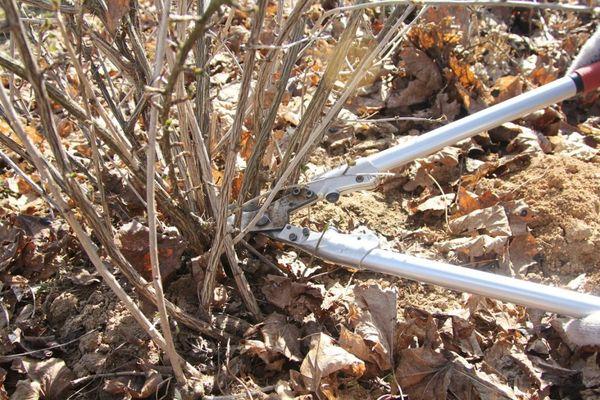
Thinning is recommended every year in early spring or late fall. Some gooseberry varieties tend to become dense, which leads to problems with excess moisture and insufficient natural light. Thinning involves removing 3-5 old, browned branches that are not producing fruit. Branches should be cut right to the root, leaving no buds.
During thinning, you should also remove shoots that are beginning to crack, dry out, or show other signs of damage. Inspect the plants for branches growing in an abnormal position. These branches should also be removed to ensure proper growth and improve fruiting.
Cleaning up leaves
Fallen leaves from shrubs should be removed, as they can harbor and breed pathogens, harmful insects, and spores. Typically, removal is done in the fall, after the leaves have completely fallen. It's also acceptable to rake the leaves several times during the season. If left under the shrub, they will eventually begin to rot, which will negatively impact the plant's growth.
Loosening the soil
In late April and early May, the area around the bushes is loosened to a depth of 6-8 cm, the soil surface is leveled with a rake, and weeds are removed. In the fall, the soil is tilled with a pitchfork to a depth of 10-12 cm. If mulching is not used, lightly loosen the soil after each watering to allow moisture to reach the roots located in the lower soil layers.
Treatment with boiling water
Early spring treatment of gooseberry bushes with boiling water is a popular method of disease control. Insect larvae and pathogens often inhabit old shoots and dried leaves. As ambient temperatures rise, pathogens awaken and cause damage to the plants. Treatment with boiling water eliminates pathogens and pests without the use of chemicals.
Spraying
As a preventative measure, it is recommended to spray the bushes with insecticides and fungicides several times during the season. Spraying gooseberries has a positive effect on the growth and development of the plants, reducing the risk of disease.
Diseases
Diseases common to gooseberries have characteristic signs by which plant damage can be detected. Various infections can be eliminated with the help of special means, so it is important to correctly diagnose gooseberry disease.
Powdery mildew
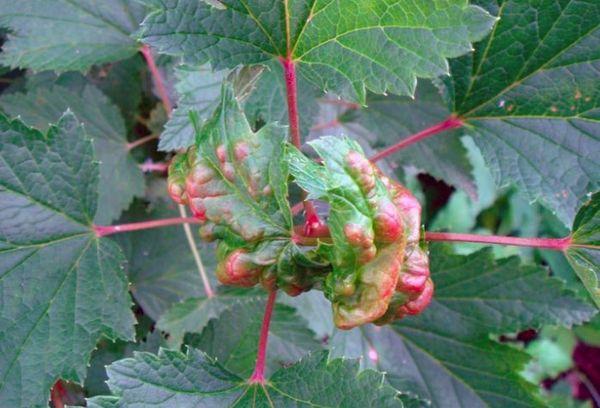
Detect presence powdery mildew on gooseberries You can tell by the loose, web-like, white coating. Over time, brown spots form under the coating. Cracks appear on the fruit, after which they begin to fall off before they are fully ripe.
If powdery mildew isn't treated promptly, the disease will not only affect the fruit, but also the shoots and leaves, which will begin to turn yellow and curl. As the virus progresses, the bushes stop bearing fruit and eventually die.
Anthracnose
The fungal disease anthracnose affects a wide range of crops, including gooseberries. The infection is spread by insects, wind, and rain. Weakened plants with low immunity or those damaged by mechanical stress are most susceptible to anthracnose. Conditions favorable for the development of anthracnose include high humidity and ambient temperatures above 27°C (80°F), acidic soil, and a deficiency of phosphorus and potassium.
In gooseberries, anthracnose manifests itself as small, reddish-brown spots on the leaves that gradually enlarge. Affected leaves fall off, and the disease spreads to the berries. To combat anthracnose, the soil is treated with a weak solution of Bordeaux mixture, and the above-ground parts of the plants are sprayed with fungicides.
Septoria
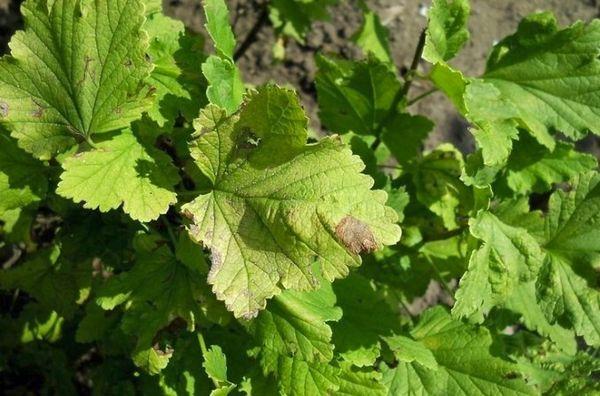
Septoria leaf spot causes round, gray spots to appear on gooseberry leaves. These spots then develop dark spots, which are the sites of mature spores. Over time, the affected leaves dry out, curl, and fall off.
To combat septoria leaf spot, collect and burn all fallen leaves and other plant debris. The soil around the bushes should be thoroughly loosened in the spring and fall. Treatments with fungicides, copper sulfate, and Bordeaux mixture also help eliminate septoria leaf spot. Since septoria leaf spot often affects plants that are deficient in nutrients, regular fertilization is essential.
Columnar rust
Columnar rust pathogens can affect all parts of shrubs—leaves, shoots, inflorescences, and berries. The disease causes significant crop losses and negatively impacts the health of the planting. A characteristic symptom of the disease is a rusty coating that appears as small spots. Affected leaves become deformed and fall off, berries develop lopsided, and shoots stop growing.
Take a look Also
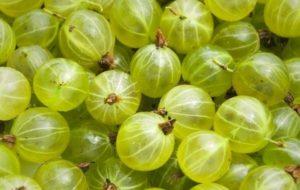
For control and prevention, spray plants with fungicides. After the leaves have opened, apply a 1% Bordeaux mixture, and during bud swelling, apply a 3% solution. Specialized fungicides, such as "Kuproksat," can also be used.
Mosaic
Gooseberry mosaic is also often called vein border disease. Affected plants virtually stop growing and produce poor fruit. The primary vector of the disease is aphids, so preventative measures should include pest control.
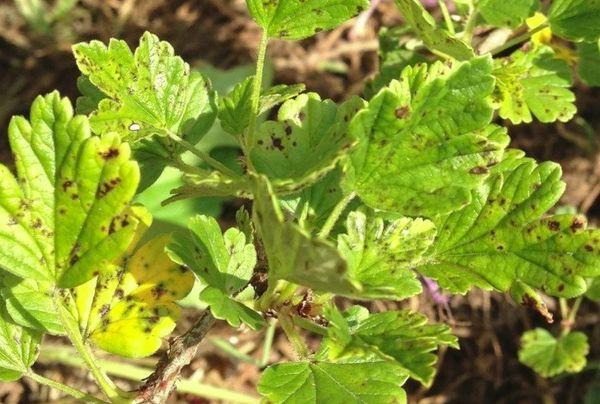
Bright yellow stripes appear along the main veins of affected leaves. If left untreated, the leaves become smaller and wrinkled.
Verticillium wilt
The disease attacks the plant's roots, cutting off nutrients from reaching the growing shoots. Leaf blades lose color and shape, gradually wither, and dry out. Verticillium wilt most often affects gooseberries grown in heavy clay soil or in areas with stagnant water. The infection can persist in infected crops and plant debris.
Alternaria
Gooseberry bushes affected by Alternaria wilt become covered with mold and a dark coating. The main danger of the disease is that the dangerous spores are carried by wind, raindrops, and insects. Alternaria wilt can destroy more than half of the fruit. Affected berries fall off, leaves darken and fall off, and shoots rot.
Upon noticing the first symptoms of Alternaria blight, treat the plants with a copper sulfate solution or a complex fungicide. Sprays should be applied at intervals of a couple of weeks until the infection symptoms disappear completely.
Ascochytosis
Ascochyta blight causes the appearance of round or angular spots with a dark border. The spots are randomly distributed across the entire leaf surface, and as autumn approaches, fruiting bodies form on the affected tissues, where the fungus persists throughout the winter. If the infection progresses severely, the affected leaves fall off, which negatively impacts the shrub's frost resistance.
Ascochyta blight control involves spraying the plant with fungicides. Treatments are repeated several times at 10-14 day intervals. It's also important to remove plant debris, as it harbors the infection.
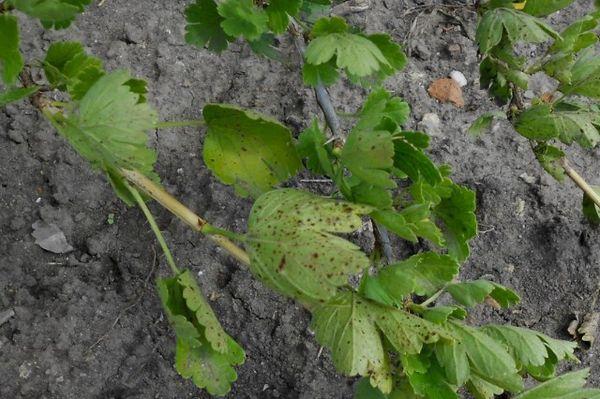
Spheroteka
Sphaerotheca is a fungal disease. It is caused by a powdery mildew that attacks all parts of the plant, causing a bloom. Young leaf blades infected with Sphaerotheca begin to curl, and shoots become misshapen. Affected berries become smaller and have a poor marketable appearance.
Affected plants should be treated as soon as the first symptoms of spheroteka are detected. Shrubs should be treated with a solution of soda ash to prevent the spores from damaging the crop. Subsequently, specialized fungicides should be used, including Kumulus, Acrex, Nitrafen, and others.
Scab
The initial symptoms of scab appear on gooseberry leaves. Velvety spores in the center of the leaf blades indicate the disease's progress. The bloomy spots gradually expand, leading to leaf drying. Affected berries become distorted, crack, and lose their flavor.
To treat scab, remove all fallen leaves from under the shrub to stop the disease from progressing, then apply copper sulfate or other fungicides. The number of sprays depends on the condition of the plantings and the progression of the disease.
Goblet rust
A clear sign of cup rust is orange spots with spore pads. Spores typically appear in early spring and are subsequently dispersed by wind or pests. Affected leaves become deformed, dry out, and fall off.
Cup-shaped rust can be eliminated by treating it with fungicides. Suitable sprays include Bayleton, Topaz, HOM, and Abiga-Peak. When spraying in rainy weather, it's best to treat the affected shrubs with a mixture of copper sulfate and soapy water.
Gray rot
Gray mold in gooseberries occurs rarely due to improper care. The rot develops on the lower part of the shoots, leading to their death and the spread of infection to the berries. Ultimately, the bush dies or yields are significantly reduced.
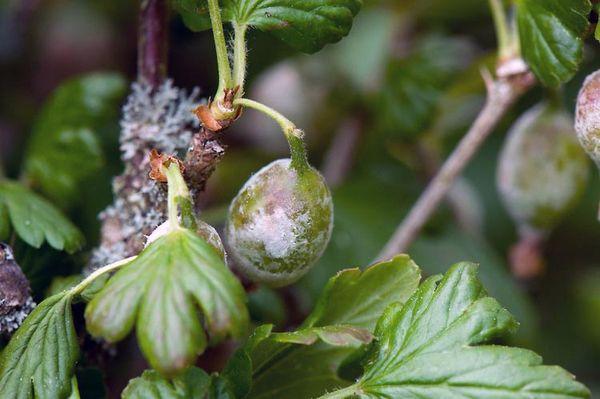
Once gray mold is detected, no special treatment is required. Simply pick and destroy affected berries to prevent the fungus from spreading throughout the plant. As a preventative measure, regular thinning of the plantings is recommended to ensure adequate ventilation and improve light exposure.
Pests and control methods
In addition to infections, gooseberries are also susceptible to harmful insects, which feed on various parts of the plant and impair its growth. The crop is prone to attacks by numerous pests, so it's recommended to regularly inspect the plantings to detect insects promptly and take preventative measures.
Aphid
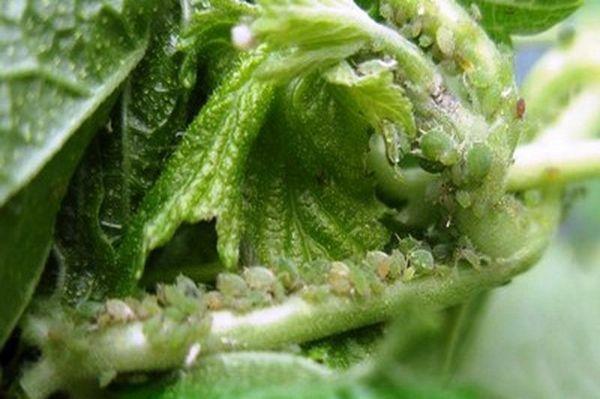
Gooseberry aphids are small parasites, no larger than 2 mm. A characteristic feature of aphids is their mass attacks—the pests settle on plants in colonies and absorb the sap from emerging buds. The aphids gradually spread to neighboring branches and leaves, causing shoots to become distorted and leaf blades to curl.
To combat an aphid infestation, a combination of chemical and folk remedies is necessary. Specialized insecticides such as Fitoverm, Aktara, Fufanon, Arrivo, and Tanrek can be used. In addition to insecticides, treatments can be carried out with vinegar solutions, ammonia, tobacco infusion, boric acid, and other substances.
Caterpillars
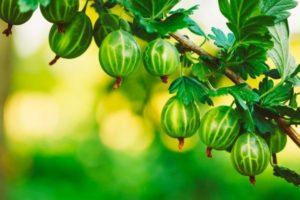
Various types of caterpillars can infest gooseberry bushes and negatively impact the growth and fruiting of the plants. The pests chew through the leaves, causing them to rot, and also consume the fruit. Typically, one adult caterpillar can damage 6-8 large gooseberries. To repel caterpillars, treat the bushes with insecticides. Large caterpillars can be removed from the bushes by hand.
Currant glasshouse
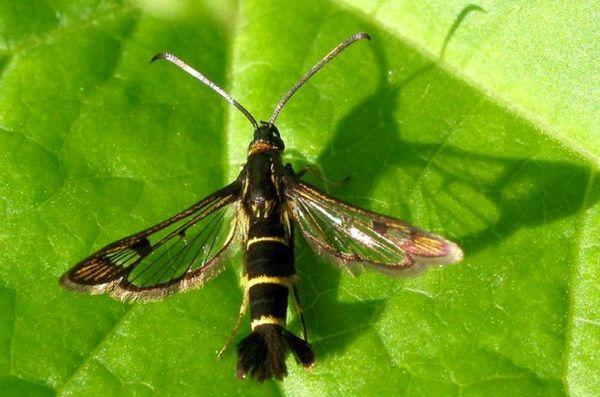
Many berry crops, including gooseberries, are susceptible to damage from the currant glassworm. These pests resemble butterflies with narrow wings, orange-rimmed edges, and black veins. Depending on weather conditions, the glassworm lays eggs in May or June. After a few days, tiny caterpillars hatch, burrowing into the stem and eating it from the inside.
If the glasswing is not removed promptly, its offspring will spread throughout the stem, all the way to the base. The central part of the stem will turn black, and the entire bush will gradually wither. Getting rid of the glasswing is quite difficult, as it grows inside the stem. To combat the pest, prune most of the branches, thoroughly loosen the soil, and add a mixture of tobacco dust and wood ash.
Currant gall midge
Currant gall midges are yellow-brown, dipterous parasites no larger than 4 mm. These insects resemble mosquitoes in appearance, but are distinguished by their elongated antennae and the presence of hairs on their bodies. The following varieties of gall midges are distinguished:
- Flower. Pest larvae damage flower buds, causing them to swell and lose their natural color. Deformed buds fall off, leading to reduced yields.
- Stem gall midge. Parasites penetrate cracks in the stem and actively absorb the sap. As a result of stem gall midge infestation, the shoots dry out.
- Leaf spot. The most common type of parasite, it deforms leaf blades or causes them to curl.
Gall midges pose a particular threat to young shrubs. Annual plants can be killed by the pest, significantly reducing yields. To combat the insect, it is necessary to carry out treatment with chemicals.
Kidney mite
Small mites settle in plant buds and inside shoots. Affected parts of the bushes begin to wilt, and the female mites emerge to the surface. After leaving the buds, the pests seek out young shoots, where they feed and reproduce. The presence of the parasites can be detected by the enlarged buds, which swell significantly and become rounded.
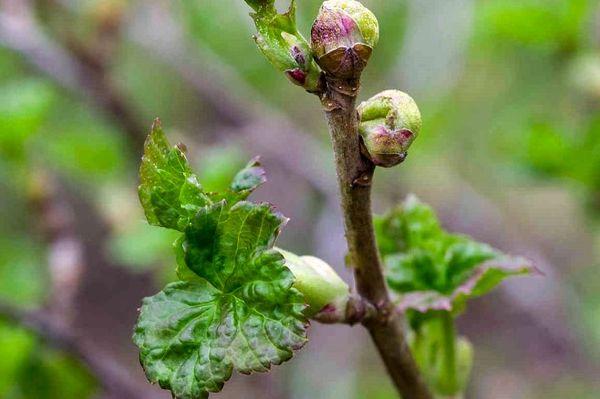
Control measures for bud mites include removing affected buds or pruning some gooseberry shoots. In cases of severe infestation, entire branches may need to be removed. To detect mite infestations early, regularly inspect the bushes.
Spider mite
This species of spider mite is small, making it virtually impossible to spot. Adults are no more than 5 mm long. Depending on the species, mites vary in color, but green mites are most commonly found on gooseberries. Spider mites live in the soil or in the axils of leaf blades.
An effective way to combat spider mites is to spray the shrub with chemicals. Among the effective acaricides, you can use Fitoverm, Actellic, or Flumite.
Firefly
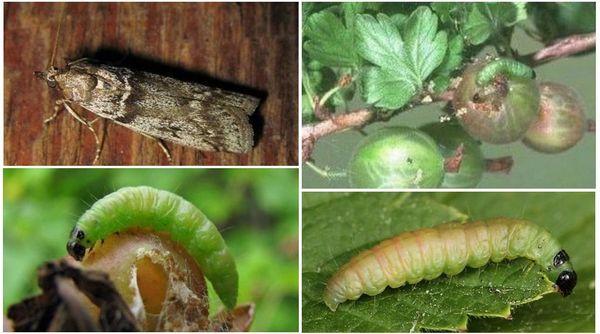
Dark-brown moths settle in the soil beneath gooseberry bushes and lay their eggs. One generation of pests develops completely within a season. Dry, hot summers increase the likelihood of an increase in larval numbers. The hatching insects consume the foliage, flower stalks, and berries of the gooseberry bush.
Since the moth overwinters in a cocoon formed in the topsoil, it's necessary to periodically dig up the soil under the gooseberry bush. Hilling the plants is recommended near the beginning of autumn. In severe cases, you can combat the moth by spraying the bushes with a wood ash infusion. To do this, mix 3 kg of ash with 10 liters of water, let it steep for two days, then strain and pour into a spray bottle.
Gooseberry sawfly and geometer moth
Sawflies damage various berry plants, including gooseberries. A common species is the yellow gooseberry sawfly. Individuals overwinter in cocoons in the ground, and in spring, they hatch and lay eggs on the tissue of young leaves. After hatching, the larvae chew through the leaves, leaving numerous holes on their surface. Over time, the parasites can completely consume the leaf blades, except for the veins.
Geometrid moths are small butterflies with yellow-black wings that infest gooseberries. They feed on newly grown leaves and lay eggs. Since geometrid moths and sawflies have similar effects on gooseberry bushes, pest control measures are similar. You can get rid of the insects by treating the plants with insecticides or dusting them with wood ash.
Leaf roller
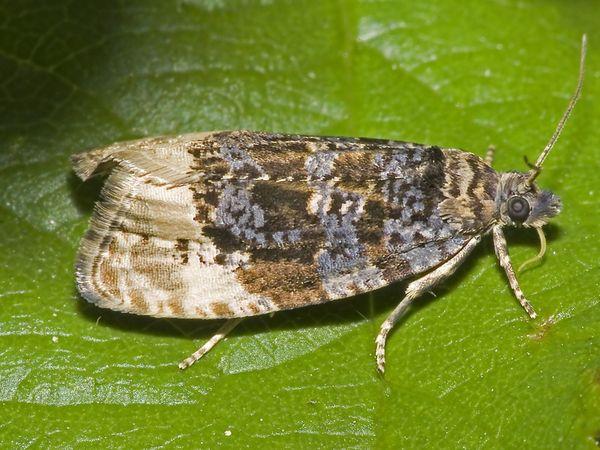
Leaf rollers are small moths that lay eggs on gooseberry leaves. The hatched caterpillars feed on the green parts of the plant and cause general plant damage. In spring, the caterpillars infest the inflorescences and burrow into the buds, covering them with webs. Leaf rollers typically infest shrubs from late May to mid-autumn.
If possible, control leaf rollers before gooseberry bloom. The primary control measure is spraying the plants with insecticides. If there are large infestations of harmful insects on the bushes, the easiest way is to cut off and destroy the leaf roller eggs.
Leaf-eater
Leaf-boring beetles are black beetles no more than 6 mm long. They chew large holes in leaf blades, which negatively impacts the overall growth of plants and leads to reduced fruiting. In the case of a massive leaf-boring infestation, gooseberry bushes die prematurely.
Gooseberry pest control measures include spraying plants with Fufanon at bud break and immediately after flowering. Products with similar effects, such as Karbofos and Kemifos, can also be used.
How to properly treat bushes
To achieve the desired effect from plant treatment, several factors must be considered. When planning a spray, consider the time of year, the condition of the crop, the stage of gooseberry development, and the surrounding conditions.
In the spring
Among many crops, gooseberries are one of the first to begin growing in the garden. Spring treatment should be done early, immediately after the snow melts. Early treatment eliminates most overwintered pests and fungal spores. During this period, specialized insecticides or a solution of copper sulfate and urea can be used. Large pests are removed by hand, and crooked gooseberry shoots are trimmed with pruning shears.
After flowering
Once the flowering stage has passed, it's sufficient to spray the gooseberries for preventative purposes. To protect the plants, treat them with insecticides against pests and fungicides against diseases.
In summer
During the summer, gooseberries are treated with biological preparations. Recommended products include Fitosporin, Bitoxibacillin, and Fitoverm.
From pests
An effective way to control gooseberry pests is to use insecticides. For small infestations, a single spray is sufficient.
In the fall
To be on the safe side, additional treatment with biological products is recommended in the fall. If the plant is weakened, folk remedies are also worth trying.
Problem solving
Many gardeners encounter problems when growing gooseberries. To avoid damaging the plants, it's important to learn about possible solutions.
Does not grow or grows poorly
Poor gooseberry growth can be caused by an unsuitable location or a lack of fertilizer. In the former case, repotting is necessary, while in the latter, applying the appropriate fertilizer is sufficient.
Does not bear fruit
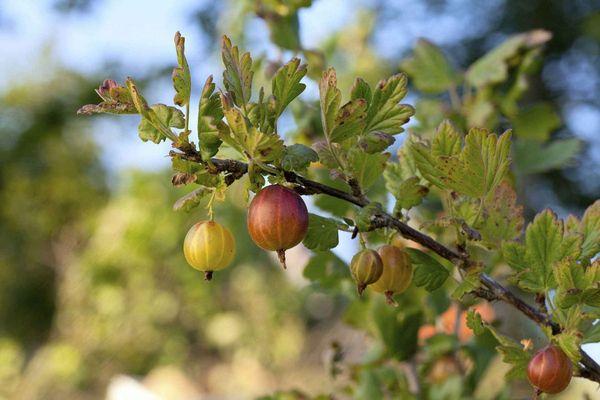
A likely cause of gooseberry fruiting failure is the presence of old branches. To ensure fruiting, gooseberries require periodic pruning. Pruning not only encourages the active growth of new shoots but also helps create a decorative appearance.
The leaves are turning red
If the leaves are red, this is due to a lack of iron and boron in the soil. Applying appropriate fertilizers can help restore the foliage's natural color.
Shoots or leaves dry up
Drying of plant parts occurs due to pest infestation or infection. Depending on the disease, gooseberries are treated with insecticides and fungicides.
Damaged leaves
When leaves dry out and curl, they're infected with a virus. The problem can be eliminated by treating the leaves with a commercially available solution or a boiled wood ash solution.
Berry fall
Most often, fruit drop is caused by gooseberry sawflies. Fruit drop can be stopped by controlling this harmful insect.
White plaque
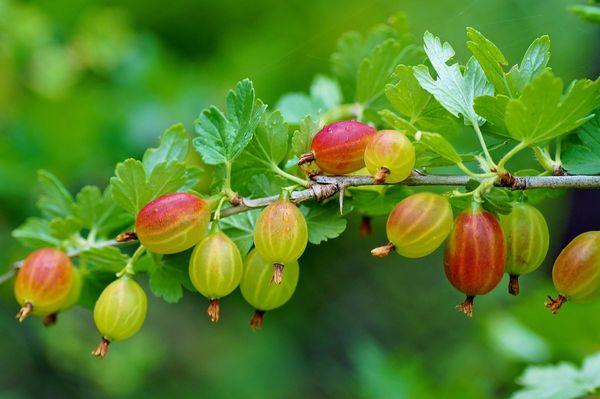
The appearance of a white coating may be due to powdery mildew. To preserve the gooseberry harvest, standard disease control measures should be taken.
Brown spots
When gooseberries are covered with small brown spots, it's a sign of anthracnose. Treating the plant with Bordeaux mixture helps eliminate the infection and restore normal growth.
Bright yellow pattern on the leaves
The formation of bright yellow patterns on the surface of gooseberry leaves is a sign of viral infection. Treatment depends on the specific disease, so it's important to inspect the plant and identify the underlying cause based on other symptoms. Affected gooseberry leaves can be pruned to prevent the spread of the infection.
Currant jewelweed
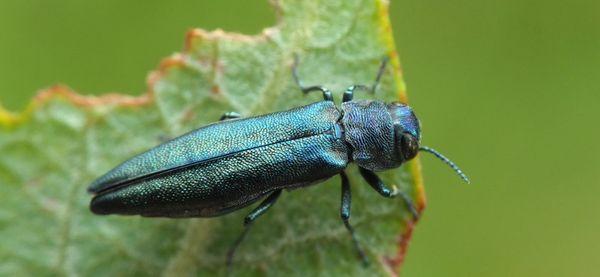
Beetles known as currant borers infest gooseberries in early summer. They feed on foliage and lay eggs on the bark of shoots, covering them with slimy shields. To kill the larvae, cut off and burn wilting and drying gooseberry shoots. Several treatments with intestinal poisons are carried out throughout the spring.
Black plaque
Black mold is caused by fungal pathogens. Treatment involves removing affected gooseberries and treating the plants with a solution of Fitosporin. The primary preventative measure is strict adherence to agricultural practices.
Gray coating
The formation of a gray coating on gooseberry leaves and fruit is caused by rust. As with black coating, gooseberry bushes are treated by spraying with the agrochemical "Fitosporin."
Necrosis
Leaf necrosis begins on gooseberry leaves, causing their margins to die. Gradually, the necrotic spots turn gray and spread to the fruit. The cause of leaf necrosis is a lack of nutrients and improper plant care. Following proper agricultural practices and regularly applying fertilizers can help prevent leaf necrosis.
Folk remedies
Periodic treatments with folk remedies can reduce the risk of various problems when growing gooseberries. Preventatively treating the soil around gooseberry bushes with a tansy solution has shown good results. To prepare the solution, mix 30 grams of tansy with 10 liters of water. Then, let the mixture steep for a couple of days, strain, and water.
Related posts:
 Sulfur control of powdery mildew on gooseberries using folk and chemical remedies
 Description of 36 of the best sweet and large varieties of gooseberries
 TOP 20 ways to preserve fresh gooseberries for the winter
 Description of the Malachite gooseberry, varieties, planting and care
 Causes and treatment of eggplant pests and diseases, how to combat them at home
 22 Best Large-Fruited Gooseberry Varieties for the Moscow Region: Planting and Care
 10 Best Gooseberry Mojito Compote Recipes for the Winter
 Description of the Belarusian Sugar Gooseberry variety, planting and care instructions