
- Description and characteristics of the culture
- Criteria for choosing a variety
- Frost resistance
- Resistance to temperature changes
- Resistance to diseases and pests
- Drought resistance
- Groups
- European
- American
- Hybrid
- Features of different types
- Early
- Mid-season
- Thornless
- Winter-hardy
- Large-fruited
- Desserts
- New
- Greens
- Self-fertile
- Review and rating of the best varieties
- Spring
- Kolobok
- Sirius
- Grushenka
- Ural
- Northern Captain
- Belarusian sugar
- Malachite
- Krasnoslavyansky
- Russian yellow
- Commander
- Senator
- Anniversary
- Eaglet
- Ural thornless
- Serenade
- Pax
- Gentle
- African
- Beryl
- Consul
- Ural emerald
- Common mistakes when choosing
- Features of cultivation and care in the region
- Choosing planting dates
- Top dressing
- Preparing for winter
- Trimming
The best varieties of gooseberries For the cool Moscow region, varieties must meet certain requirements not only for appearance and taste, but also for ripening time, disease resistance, and tolerance to adverse weather conditions. Choosing the right plant can be challenging even for experienced gardeners, let alone beginners. To ensure a high-quality harvest, it's necessary to carefully study the characteristics and features of the variety you choose.
Description and characteristics of the culture
Gooseberries are a heat-loving plant. In the wild, they grow in Asia, South America, and the sunny Caucasus. Growing these tasty and healthy berries was a dream not only for those living in warm climates but also for those living in temperate climates. Thanks to the work of breeders, gardeners now have this opportunity. They now have a wide selection of cultivars and varieties, differing not only in ripening time but also in fruit appearance, taste, and aroma.
Gooseberries are considered an undemanding and easy-to-grow crop. However, in the damp and cool conditions of the Moscow region, even they require preventative treatments against pests and diseases, as well as timely fertilizing.
Criteria for choosing a variety
The Moscow region's climate imposes its own requirements on the selection of garden plant varieties. Gooseberries are no exception.
Frost resistance
In the winter, temperatures in the temperate zone can drop to -30°C, so it's important to choose a frost-resistant variety that can tolerate these temperatures outdoors. The plant should also retain its ability to bear fruit.
Resistance to temperature changes
Temperature fluctuations are common in the Moscow region, especially in winter. Thaws alternate with severe frosts, and in spring, spring frosts are dangerous. In addition, gooseberries must be able to adapt to prolonged periods of rain and a small number of sunny days.
Resistance to diseases and pests
Due to the high humidity and temperature fluctuations in the Moscow region, plants are susceptible to diseases and pests. The most common are powdery mildew, rust, and spotting. Mildew is considered an insidious and dangerous disease, difficult to treat, so experienced gardeners recommend proactively treating plants in risky areas.
Drought resistance
Due to the unstable weather conditions, gooseberries suitable for growing in the Moscow region must not only have good frost resistance and disease immunity, but also drought tolerance. During the summer heat, the bush often experiences moisture deficits.
Groups
All gooseberry varieties grown by gardeners are conventionally divided into several groups. Each has its own distinctive characteristics.
European
European gooseberry varieties are distinguished by their large berries and excellent flavor. Their disadvantages include poor reproductive ability and weak disease resistance.
American
The American variety is the direct opposite of the European one. The shrub produces a large number of small but tasty berries. It also has high resistance to pathogens. The plant propagates by both cuttings and layering, showing good survival rates.
Hybrid
Ideal for Moscow region gardeners, this hybrid American-European gooseberry variety produces not only large berries but also a distinctive flavor. The plants are highly productive and have moderate resistance to diseases and pests.
Features of different types
Gooseberry varieties differ from each other in parameters, according to which gardeners also combine them into groups and subgroups.
Early
Early-ripening varieties delight gardeners with healthy and tasty fruit as early as the second half of July. They vary not only in fruit size, but also in color, shape, and the presence of thorns on the bushes. These varieties have proven themselves to be particularly suitable for the Moscow region:
- Eaglet;
- Spring;
- Vladil;
- Russian;
- Amber.
Mid-season
Mid-season varieties yield fruit towards the end of July or early August. Experienced gardeners identify the best among them:
- Krasnoslavyansky;
- Beryl;
- Northern captain.
Thornless
Breeders surprised gardeners by introducing thornless gooseberry varieties. This feature was well-received, and these varieties began to gain popularity, although they failed to completely replace the classic thorny bushes due to several shortcomings.
Winter-hardy
It's rare to find gooseberry varieties that are sufficiently resistant to low temperatures and have satisfactory characteristics in other respects. Breeders continue to work in this area, annually introducing noteworthy new varieties to the market. These bushes can withstand winter temperatures down to -30°C without additional cover.
Large-fruited
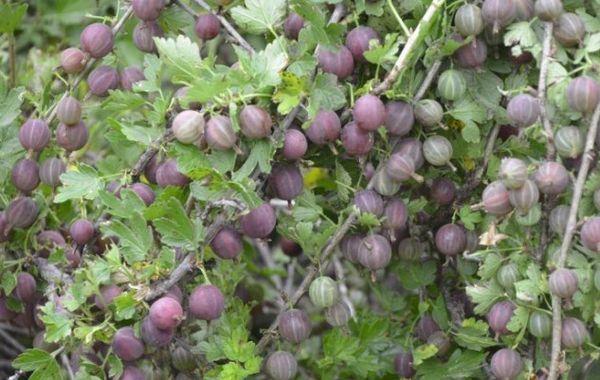
Large gooseberries have always been popular with gardeners. In the Moscow region, these varieties also produce a good harvest. The average fruit weight of a large-fruited variety is about 5 grams, with some specimens exceeding this. They have excellent flavor and firm flesh.
Desserts
These are the most delicious varieties, and they're a must-have in any garden. These berries will satisfy even the most discerning palates and win the hearts of those less fond of gooseberries.
New
Most Moscow region gardeners prefer old, tried-and-true varieties when growing gooseberries. However, there are equally worthy new varieties on the market that can satisfy any needs and preferences. These include:
- Belarusian sugar;
- Cossack;
- Sirius;
- White nights.
Greens
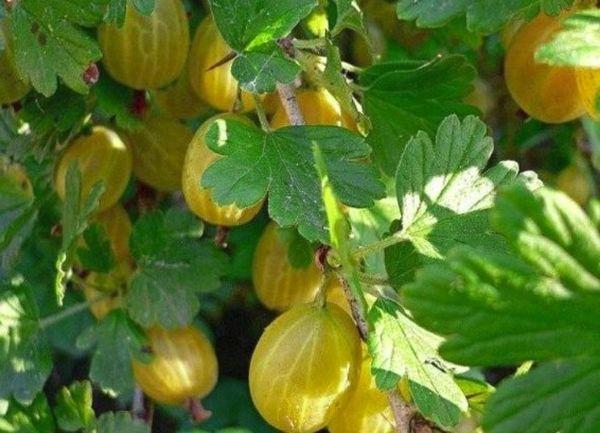
For some gardeners, the color of gooseberries is crucial. Green varieties make beautiful emerald jam, and fresh gooseberries impress with their balanced sweet and sour flavor. These bushes have been grown in the Moscow region for quite some time and have already become a favorite among gardeners.
Self-fertile
A distinctive feature of self-fertile gooseberry varieties is that they don't require a pollinator to be planted nearby and produce excellent fruit even with just one bush planted in the same area. Their yield is also relatively unaffected by adverse weather conditions, with the exception of frost, which can destroy flower buds and fruit sets.
Review and rating of the best varieties
During the cultivation of gooseberries in the Moscow region, gardeners have managed to identify the best varieties that can satisfy most of their needs.
Spring
This variety is ideal for those with minimal time to care for their bushes. The harvest ripens even in extreme conditions. The oval, yellow-green fruits have a pleasant sweet flavor and are suitable for all types of preserves. With proper care, the berries weigh up to 8 g, while without it, they only weigh 5 g.
Kolobok
A temperature-resistant and frost-hardy variety, producing large, tasty fruits weighing approximately 7 g. The thorns on the branches are sparse and solitary. This gooseberry is highly resistant to diseases and pests. The fruits develop a beautiful burgundy color when ripe.
Sirius
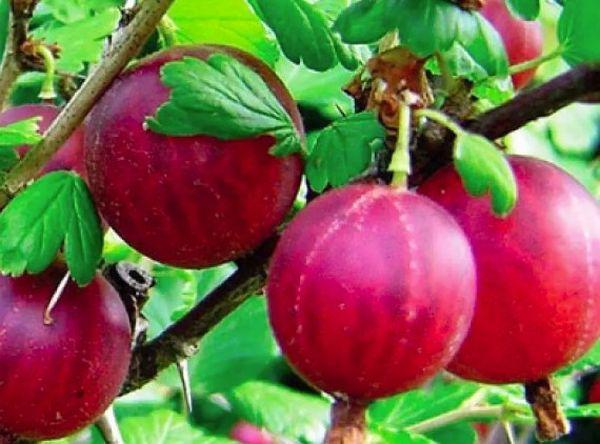
A red-fruited, thornless variety with a mid-late ripening season. The bush is upright and not very dense. The plant tolerates low temperatures and prolonged drought well, and has few thorns. It has good disease resistance.
Grushenka
The shrub tolerates temperature fluctuations and is resistant to most common pathogens. The fruits weigh no more than 5 grams but are distinguished by their unique shape. As they ripen, they turn brown.
Ural
A cold-hardy variety, able to withstand temperatures down to -36°C. Fruits average 8g in weight, producing a high yield.
Northern Captain
A popular variety with high yields. Each bush produces up to 12 kg of fruit with proper care. The berries have a balanced sweet and sour flavor.
Belarusian sugar
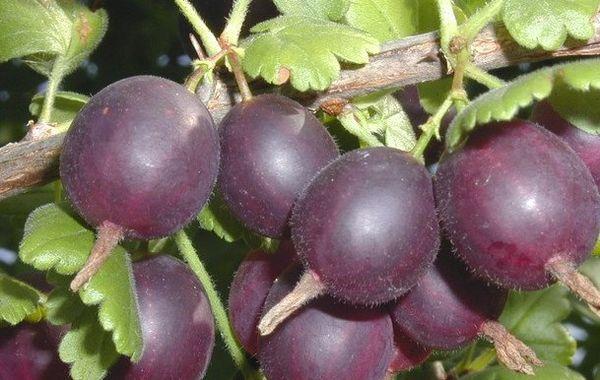
This gooseberry variety tolerates temperatures down to -30°C. The berries are quite large, and the bushes produce a high yield.
Malachite
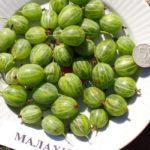
A time-tested gooseberry, known to gardeners since 1959 and developed through experimental breeding. The bush is small and compact. Fruiting is consistent, with medium-sized berries. The harvest is suitable for transportation and short-term storage. The fruit has a pleasant flavor, with a subtle tartness.
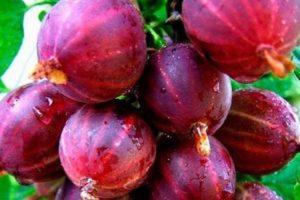
Krasnoslavyansky
This variety attracts gardeners not only with its sweet and large berries, but also with its high frost resistance, which is a delight for residents of the Moscow region.
Russian yellow
A gooseberry variety well adapted to temperature fluctuations. Its distinctive feature is a light waxy coating. Each fruit averages 6 g.
Commander
This variety differs from others in that its fruits are not only dark in color but also taste very similar to blackcurrants. They are quite large and thin-skinned. Komandor is considered one of the most frost-resistant gooseberries.
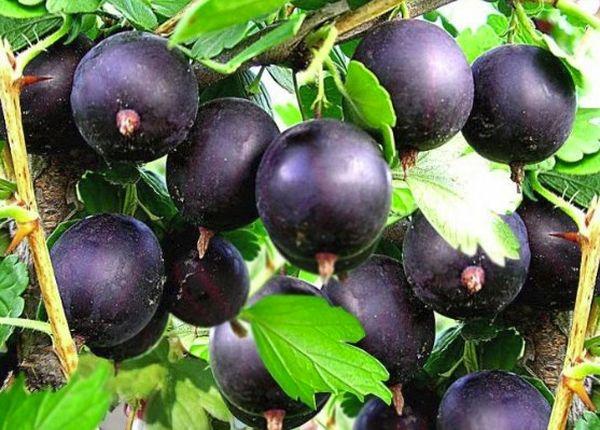
Senator
The plant tolerates temperatures down to -39°C and has the positive property of increasing yields over the years. The berries have a balanced sweet and sour flavor.
Anniversary
The Yubileyny gooseberry variety is cultivated primarily for its large berries, suitable for long-term storage and long-distance transport. The berries are oval and acquire a beautiful yellow color when ripe. They have a sweet, slightly tart flavor. The bush is compact, with small thorns.
Eaglet
An early, dark-fruited variety with berries weighing approximately 6 grams. They have a sweet, pleasant flavor. The bush is completely thornless and characterized by high yields. The plant is frost-resistant and resistant to fruit rot.
Ural thornless
An excellent variety with high yields and excellent fruit flavor, it boasts high frost resistance. Gardeners note that the bush can set fruit too early, which can result in future harvests being damaged by subsequent frosts.
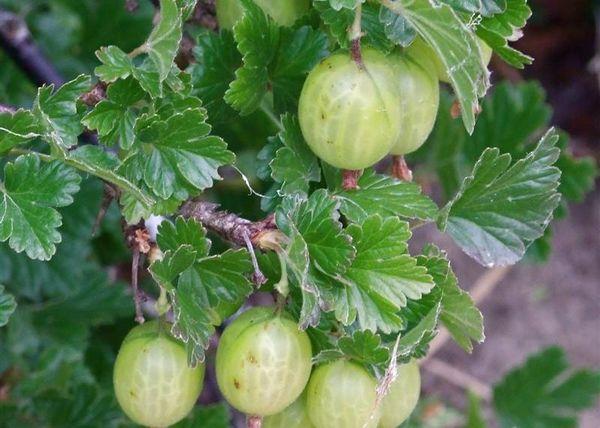
Serenade
This variety is highly drought- and cold-resistant, and is resistant to powdery mildew. The shoots are virtually thornless. The fruits are suitable for long-distance transportation and long-term storage. During flowering, the plant does not tolerate recurrent frosts or sudden temperature fluctuations.
Pax
The taste of this gooseberry will captivate even the most discerning gourmet. The berries are large and turn a bright red when ripe. Fruiting is regular and consistent, and the harvest ripens early.
Gentle
A large-fruited gooseberry with a late ripening season. It is distinguished by its increased winter hardiness and productivity. The berries are sweet and pink.
African
This variety will appeal to lovers of dark berries with a tart flavor. Fruiting begins 2-3 years after planting. It boasts high yields and disease resistance. The plant is thornless.
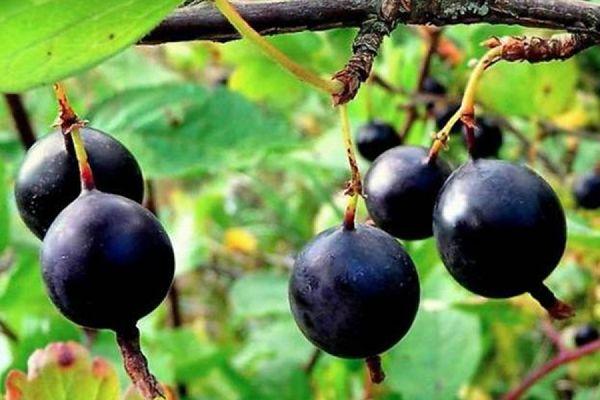
Beryl
The bush is covered with thorns only on the lower part. With proper care, each mature plant can yield up to 10 kg of fruit per season, suitable for any type of processing and transportation.
Consul
A frost-hardy variety, it tolerates winter temperatures down to -40°C. It attracts gardeners because its yield increases over the years. The fruits are tasty, sweet and sour, and medium-sized.
Ural emerald
A large-fruited, cold-hardy variety. Berry weight reaches 9 g. Yields are high. The plant requires little care and has excellent disease resistance.
Common mistakes when choosing
Novice gardeners often make mistakes when choosing gooseberry varieties for their plots. They primarily focus on the taste, size, and color of the berries. However, they often overlook such important characteristics for the Moscow region as susceptibility to powdery mildew and other fungal infections, resistance to temperature fluctuations, and frost resistance. For this region, it's preferable to choose plants with late flowering periods to avoid damage from recurrent frosts.
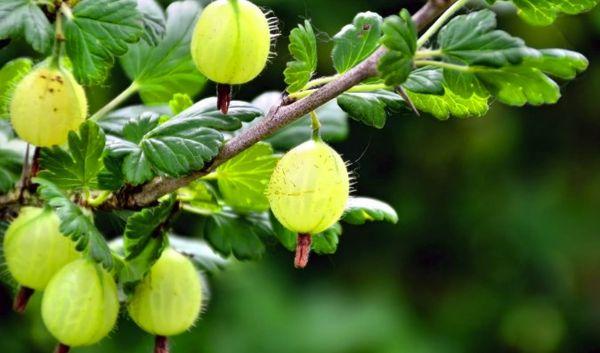
Green- or red-fruited varieties are preferred for this region. However, rare and ornamental species, which require special care and attention, are unlikely to thrive in the harsh climate. Plants must be resilient to adverse weather conditions.
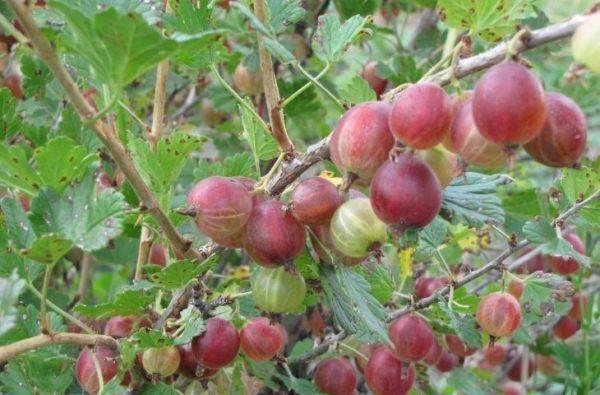
In the Moscow region, it's best to grow American and European gooseberry varieties. They have the best cold and disease resistance. However, even these shrubs require periodic care and maintenance. Without additional feeding, it weakens and loses resistance to adverse factors.
Features of cultivation and care in the region
When growing gooseberries in the Moscow region, you should follow the rules and recommendations developed by specialists and experienced gardeners.
Choosing planting dates
Gooseberries in the Moscow region are best planted in the spring to avoid the risk of root freezing due to sudden cold snaps. Plants should be planted in a pre-prepared sunny spot, but not in direct sunlight. In the fall, the holes are filled with organic fertilizer and superphosphate so that they have time to decompose and enrich the soil with nutrients by the time spring arrives.
If you need to plant a shrub in the fall, do so in the second half of September or early October. The seedlings must have time to root to successfully survive the winter cold. Use 1-2 year-old planting material.
 Gooseberries should not be planted in areas with close groundwater levels. The planting site should be protected from cold winds, and the soil should be well-drained and well-ventilated. Leave 1.5-2 meters between adjacent bushes.
Top dressing
Gooseberries should be fed only after their second year. Cow manure and compost are preferred organic fertilizers, but a solution of chicken manure can also be used. Saltpeter and mineral fertilizers have shown positive results. Potassium and phosphorus are best applied before flowering.
In the fall, avoid adding nitrogen-containing fertilizers to the soil, as this can trigger the active growth of new shoots, which will not have time to mature and will freeze before winter. When choosing fertilizers, pay attention to the variety of the plant being grown. gooseberries and composition requirements soil.
Preparing for winter
Frost-hardy gooseberry varieties can survive the winter in the Moscow region without additional cover, but experienced gardeners recommend erring on the side of caution and insulating the plants to prevent shoots from freezing. Beforehand, mulch the area around the trunk with a suitable material (pine needles, hay, straw, or peat). Apply a 15 cm thick layer of mulch.
The bush branches are tied with twine, pressed to the ground, and secured with staples or weighted down with a heavy material (not metal). The gooseberries are covered with burlap and covered with a layer of soil. Wooden boards are also placed on top of this, which will be covered with a layer of snow in winter.
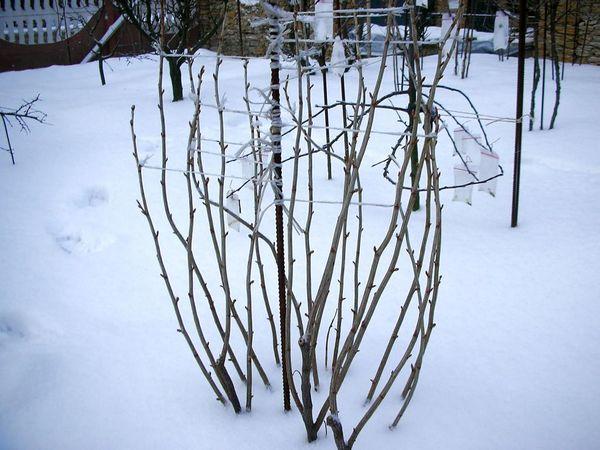
Preparing shrubs for winter begins only after watering them to replenish moisture and treating them against pests and diseases. The climate of the Moscow region adds an additional risk of fungal diseases, particularly powdery mildew.
Topaz and Fitosporin are effective in controlling it, as are preventative sprays with Bordeaux mixture before winter shelter. Some gardeners use ferrous sulfate as a preventative measure, protecting garden crops from pathogens and pests.
Trimming
Gooseberries require formative pruning, during which shoots are shortened to the level of healthy, strong buds. Old and overgrown shoots are cut off at ground level. Twigs that are crooked, damaged, or show signs of disease should also be removed.
Autumn pruning is performed to rejuvenate the plant. After planting, each shoot is shortened by 30% of its original length. In the second year, the five strongest branches are selected and the rest are removed. The remaining branches are again shortened by 30% of their length. This procedure is repeated until the shrub reaches seven years of age. At seven years of age, all old shoots are removed.
It is recommended to prune shoots close to the ground annually, at the surface. The same applies to shoots growing inward or showing signs of disease. During fall pruning, use only disinfected tools.
Related posts:
 Description of 36 of the best sweet and large varieties of gooseberries
 Description of 34 best gooseberry varieties for Siberia and the Urals, cultivation techniques
 Pests and diseases of gooseberries and their control using chemical and folk remedies
 Description and characteristics of the gooseberry variety Commander, planting and care
 Description of the Malachite gooseberry, varieties, planting and care
 Description of the Hinnonmaki gooseberry, varieties, planting and care
 Description of the English Yellow gooseberry variety, planting and care
 Description and characteristics of the Yantarny gooseberry variety, planting and care