
- Description and characteristics of Finnish varieties
- Green
- Yellow
- Red
- Characteristics
- Productivity
- Winter hardiness and drought resistance
- Self-pollination
- Taste qualities
- Transportability
- Versatility
- Disease resistance
- How to plant
- Choosing a location
- Soil requirements
- Recommendations for choosing deadlines
- Site preparation
- How to choose planting material
- Planting diagram
- Care
- Watering
- Loosening and weeding
- Pruning and shaping
- Top dressing
- Preparing for winter
- Protection from diseases and pests
- Fungicides
- Insecticides
- Reproduction
- Layering
- Cuttings
- Seeds
- Advantages and disadvantages
- Harvesting and storage
- Application areas
Gardeners love gooseberries for their aromatic berries, which are rich in vitamin C. Experts have developed numerous varieties, and breeding efforts are ongoing. The mid-late Finnish gooseberry is beloved for its pleasant flavor and winter hardiness, which is important for many regions. Below is information on growing the crop, its advantages and disadvantages, propagation, and harvesting and storing the berries.
Description and characteristics of Finnish varieties
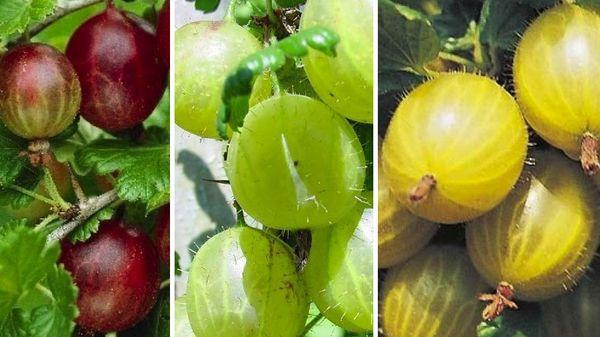
Finnish breeders have developed many gooseberry varieties, the most common of which are Green, Yellow, and Red. They differ in berry color and flavor, but share similar basic varietal characteristics.
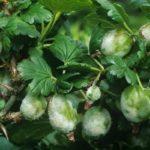
Green
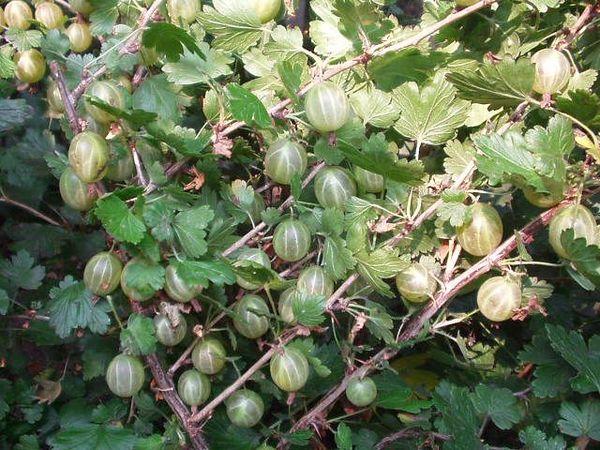
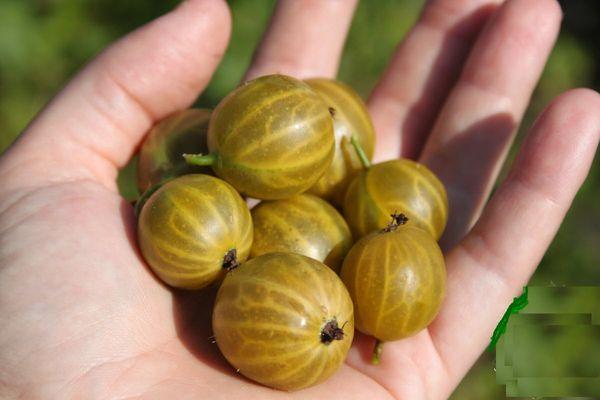
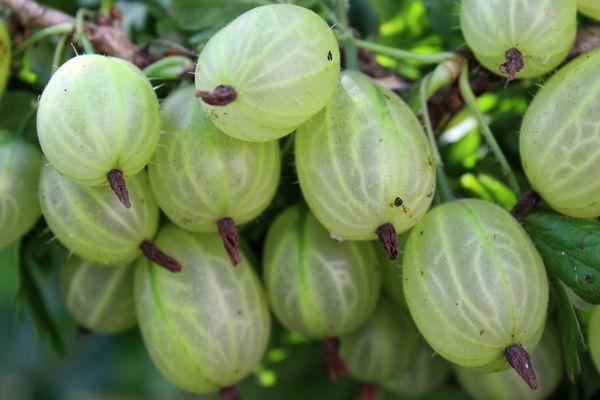
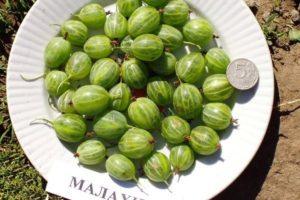
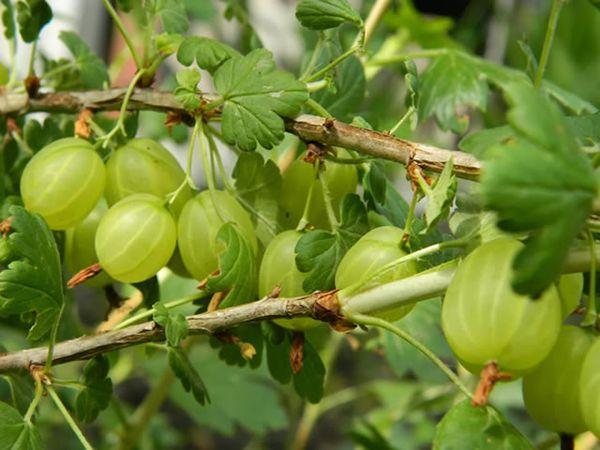
The bush grows to a height of 0.9-1.3 meters. The crown of the Green gooseberry is gently spreading, and the fruits are olive-colored and elongated-oval in shape. The sweet and sour, aromatic berries weigh up to 6-8 grams. A bush can yield up to 9 kilograms of fruit.
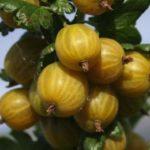
Yellow
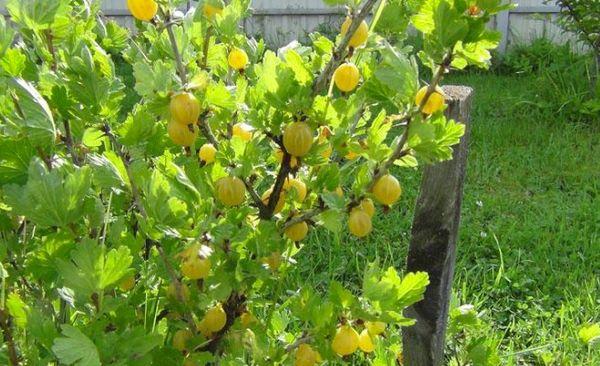
This fast-growing shrub reaches 1 meter in height. Its densely foliated shoots are covered with sparse thorns. The Yellow gooseberry blooms in May, producing yellow fruits that reach 5 grams in weight and taste similar to apricot.
Red
The red gooseberry's thorny shoots reach 1.2 meters. The sparsely pubescent, aromatic berries are covered in reddish-purple skin and ripen in late July. They are spherical in shape, weigh 5-10 grams, and have a sweet and sour taste.
Characteristics
The crop is considered mid-season: the berries, depending on the growing zone, ripen in late July or early August.
Productivity
Finnish gooseberry bears fruit every season, starting from 2-3 years after planting.
A gardener can harvest up to 10 kilograms of berries from a mature bush. The fruit is harvested in late July or August.
Winter hardiness and drought resistance
Finnish gooseberry is winter-hardy, able to withstand temperatures down to -30°C. By covering the plant before frost, gardeners can preserve the bushes even at lower subzero temperatures. The plant is moisture-loving and does not tolerate lack of moisture well. During dry summers, gooseberries must be watered; otherwise, the yield will significantly decrease in quantity and quality.
Self-pollination
Finnish gooseberry is self-pollinating; even a single planting will produce fruit. However, planting several varieties will increase the yield. Fruiting is consistent and occurs annually.
Taste qualities
Finnish gooseberries are sweet and sour, with a distinctive aroma. This cultivar is very popular among gardeners for its tasty and healthy berries. Besides their excellent taste, they are also attractive in appearance.
Transportability
Finnish gooseberries transport well. This is due to the berries' dense skin, which doesn't wrinkle during transit.
The fruits can be stored without spoiling for 5-6 days.
Versatility
Finnish gooseberries are grown by home gardeners and farmers for commercial production. The berries are eaten fresh, used to make compotes and jams. They can also be frozen without losing their flavor or nutritional value.
Disease resistance
The plant has a strong immune system and, with proper care, is rarely affected by diseases. Finnish gooseberry is susceptible to anthracnose and septoria. Spring treatment with antifungal agents will prevent these diseases.
Important! When treating bushes with chemicals, wear gloves, goggles, and a respirator.
How to plant
The quantity and quality of the harvest depends on correctly executed agricultural practices.
Choosing a location
A sunny location is selected for the plant. Groundwater levels should be no higher than 1 meter above the soil surface. Planting along a wall or fence will provide the shrubs with adequate protection from cold winds.
Soil requirements
The plant prefers to grow in loose, loamy soils with a neutral pH. Acidic soils are alkalized with dolomite flour, lime, and wood ash. Nutrients are added to depleted soils.
Recommendations for choosing deadlines
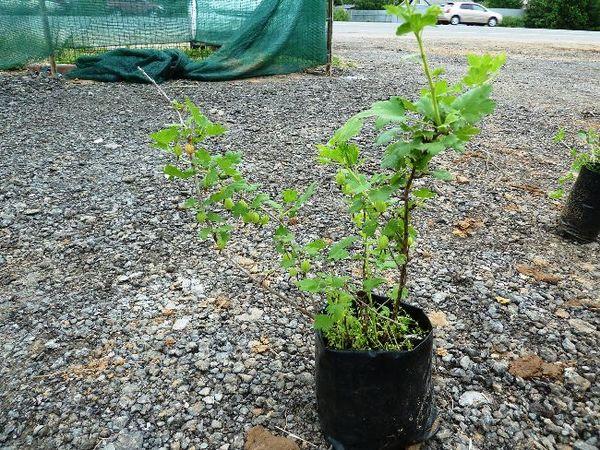
Finnish gooseberries can be planted in spring or fall. Spring planting is preferred in northern regions to allow the seedlings to establish roots before the cold weather sets in. In southern regions, fall planting is common.
Site preparation
The planting area is cleared of debris and dug over in advance. Add a bucket of compost, a cup of wood ash, and three tablespoons of nitrophoska to the poor soil. These ingredients are added at a rate per square meter.
How to choose planting material
The stems of the seedlings should be strong, elastic, and free of blemishes and scratches. The root system of a healthy gooseberry is well-developed, free of growths and dry parts. For better rooting, place the seedlings in a bucket with a solution of any growth stimulant for 4-12 hours.
Planting diagram
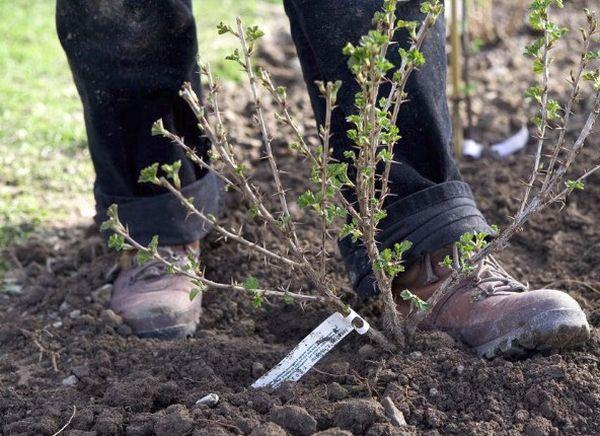
The procedure for planting Finnish gooseberry is as follows:
- a hole with a diameter and depth of 45x45 centimeters is dug;
- a small layer of drainage is placed on the bottom;
- then add nutrient soil;
- a seedling is placed in the middle of the hole and the roots are straightened;
- pour out the remaining substrate;
- compact the soil and water generously.

To retain moisture, the tree trunk circle is covered with mulch.
Care
To ensure abundant and high-quality fruiting, the Finnish gooseberry requires watering, fertilizing, treatment against diseases and pests, pruning, and shaping.
Watering
The plant thrives on abundant watering. If the summer is dry, the Finnish gooseberry's root system should be watered at least three times per season. Water the bushes first after flowering, then during fruit formation, and again after harvest.
Loosening and weeding
The soil around the trunks of bushes is loosened to a depth of 5-8 centimeters. This procedure prevents crust formation, which impedes oxygen supply to the roots. Weeding is performed simultaneously with loosening, removing weeds. Failure to do this can result in the bushes becoming infected with diseases and pests found on weeds.
Pruning and shaping
In the spring, frost-damaged, dry, and diseased branches are pruned. In the fall, formative pruning is performed, removing shoots older than six years at the root. By this time, the shrub should have 15 trunks, three branches of each year.
Top dressing
Provided the bushes are planted in fertile soil, fertilizing begins after two years. In the spring, fertilize primarily with nitrogen, for example, by dissolving a spoonful of urea in a bucket of water and pouring the entire suspension under the bush.
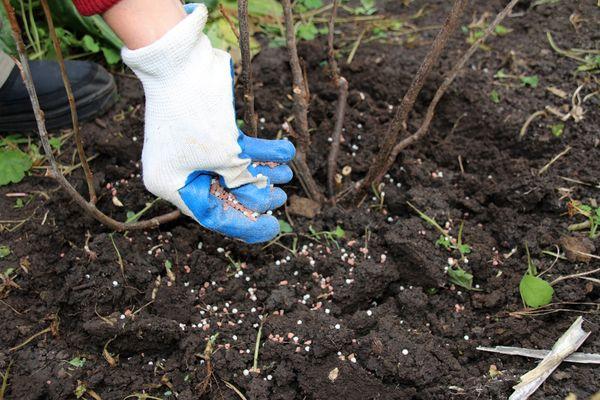
The next feeding is done during flowering. During this period, potassium and phosphorus are primarily used. The same mixture is applied to the trunk circle after the gooseberry fruiting period.
Preparing for winter
In southern regions, winter sheltering is not necessary, as bushes can withstand temperatures down to -30°C. Young seedlings are bent to the ground, covered with mulch, and covered with agrofibre. Mature plants growing in the northern zone are protected by a frame, topped with a covering material.
Protection from diseases and pests
Fungicides and insecticides are used to combat diseases and pests. Proper agricultural practices will prevent these problems.
Fungicides
High air humidity and excess soil moisture can lead to fungal diseases. Topaz, Toxihom, Titul, and other fungicides can be used to combat them. To prevent pathogenic microflora, spray the bushes with Bordeaux mixture in the spring.

Insecticides
If the air is too dry, harmful insects, such as spider mites, can appear on gooseberries. Insecticides such as Actellic, Fufanon, and Bitoxibacillin can be used against them.
Reproduction
A gardener can propagate Finnish gooseberry on a plot using layering, cuttings, and seeds.
Layering
In the spring, healthy branches are selected, bent to the ground, secured with staples, and covered with soil. The area where the stems meet the ground is kept moist throughout the summer. In the fall, the rooted shoots are dug up and transplanted to a prepared site.
Cuttings
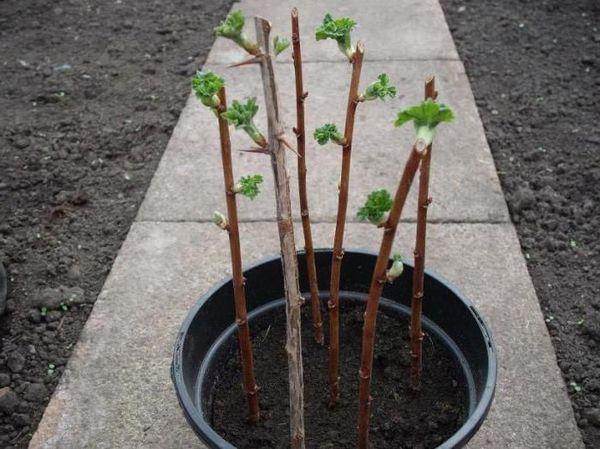
In early summer, green cuttings 15 centimeters long are taken. They are planted in containers and covered with plastic to create greenhouse conditions. Once the cuttings have rooted and begun to grow, they are planted outdoors.
Seeds
Propagation by shifting seedlings is labor-intensive and rarely used by gardeners. Those wishing to use this method should sow the seeds immediately after harvesting the berries in containers buried 50 centimeters deep. Cover the containers with a 20-centimeter layer of soil.
In the spring, the seeds are sown in a greenhouse. When the seedlings develop a pair of true leaves, they are transplanted. By autumn, the young, strong bushes are planted outdoors.
Please note: When using the seed method, varietal characteristics are not preserved.
Advantages and disadvantages
The advantages of Finnish gooseberry include the following qualities:
- winter hardiness;
- abundant fruiting;
- excellent transportability of fruits;
- good plant immunity;
- high taste qualities of berries.
Disadvantages include: the presence of thorns and poor drought resistance.
Harvesting and storage
Harvesting begins on a dry day. Since Finnish gooseberries have thorns, it's best to wear cloth gloves. Berries picked with the stems attached will keep for 5-6 days. Unripe fruits can be stored for about 10 days.
Application areas
The berries are eaten fresh, but they can also be used to make pastila, marmalade, compote, and jam. They can also be dried and frozen. Containing a large amount of vitamin C, gooseberries can help speed up the recovery of children and adults from colds.
Related posts:
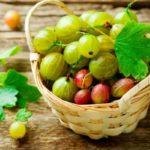 Description of 36 of the best sweet and large varieties of gooseberries
 Description and characteristics of the gooseberry variety Commander, planting and care
 Pests and diseases of gooseberries and their control using chemical and folk remedies
 Description of 34 best gooseberry varieties for Siberia and the Urals, cultivation techniques
 22 Best Large-Fruited Gooseberry Varieties for the Moscow Region: Planting and Care
 Description of the English Yellow gooseberry variety, planting and care
 Sulfur control of powdery mildew on gooseberries using folk and chemical remedies
 Description of the Malachite gooseberry, varieties, planting and care