
- History of selection
- Description and characteristics
- Precocity
- Ripening period
- Productivity
- Self-fertility
- Immunity
- Drought resistance
- Winter hardiness
- Transportability
- How to plant
- Choosing a location
- Deadlines
- Soil requirements
- How to prepare the soil
- Purchasing and preparing seedlings
- Planting diagram
- Care instructions
- Watering
- Top dressing
- Trimming
- Thinning
- Sanitary
- Formative
- Rejuvenating
- Protection from diseases and pests
- Reproduction
- Layering
- Cuttings
- Advantages and disadvantages of the variety
- Harvesting and storage
- Application areas
The Chernomor gooseberry is a popular berry in the former Soviet Union, known for its high yield and marketable appearance. The bushes are grown for sale or for personal consumption. Planting and caring for the berry are easy, even for an inexperienced gardener. To understand all the nuances of cultivation, it's worth familiarizing yourself with the information below.
History of selection
The Chernomor variety was developed at the I.V. Michurin All-Russian Research Institute. The parent varieties were Finik, Zelyony kotolochny, Brasilsky, and Seyanets Maurer.
Description and characteristics
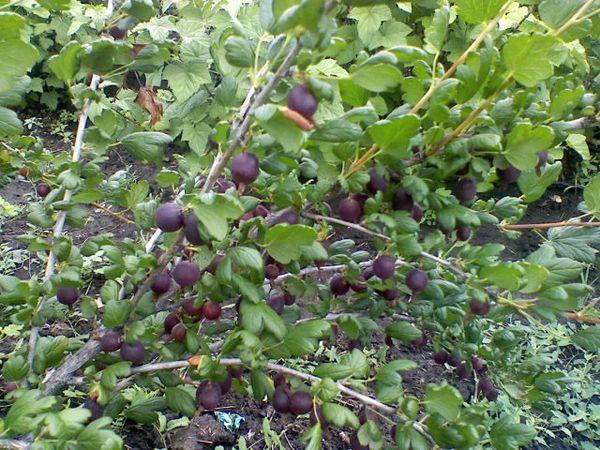
A mid-late-ripening gooseberry. The Chernomor variety grows vigorously, reaching a height of up to 1.5 meters. They are not prone to spreading, with dense canopies and upright shoots. They have a drooping top, a soft green hue, and are pubescent. The bushes have very few thorns, and the spines are single and downward-pointing. The buds are medium-sized and hairless. The leaves are rich green and divided into 5 lobes. During the flowering phase, the Chernomor variety produces medium-sized, elongated flowers.
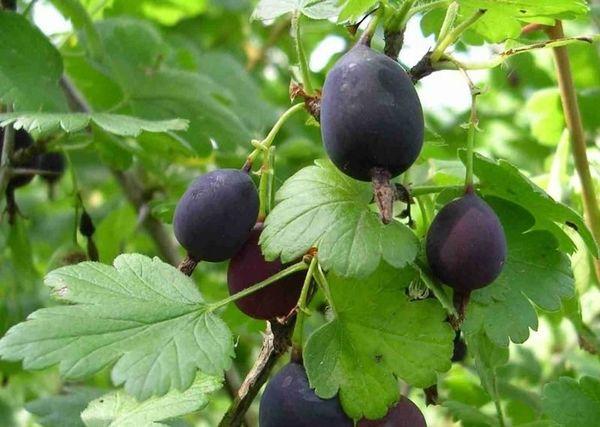
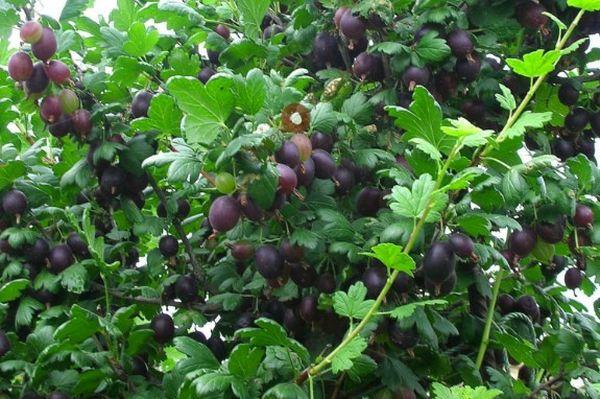
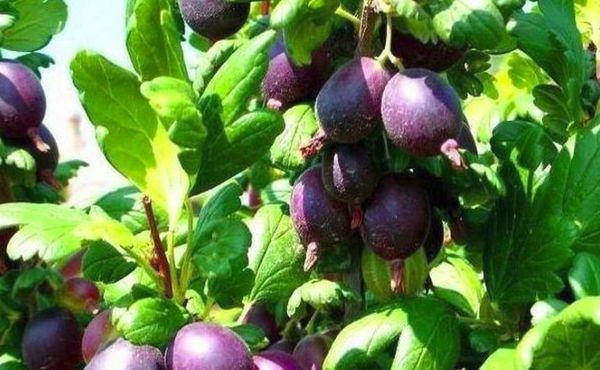
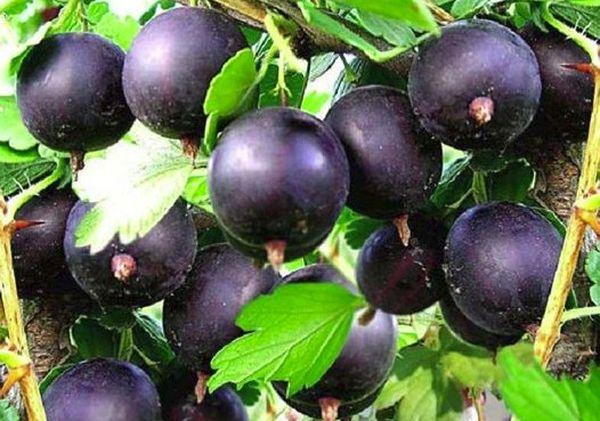
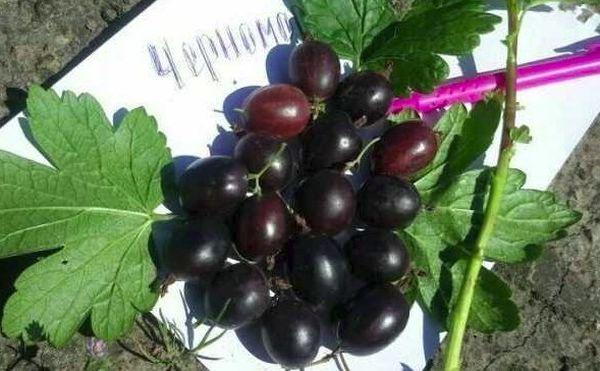
The fruits are medium in diameter, weighing up to 3 grams. When technically ripe, they are burgundy in color, but over time, they turn black. The flavor is pleasant, sweet and sour, with a distinct aftertaste. The skin is medium in thickness, with slight veins. The sugar content of Chernomor berries ranges from 8.5-12%, and the acidity is 1.7-2.5%.
Precocity
This variety is precocious and begins bearing fruit early. After planting, a Chernomor tree produces fruit in 2-3 years.
Ripening period
Flowering occurs in mid- to late May. The fruits ripen by early July.
Productivity
The Chernomor gooseberry variety is highly productive, yielding up to 4 kg of fruit per bush. Proper care and weather conditions influence the intensity of fruiting. In the south, yields are higher than in northern latitudes.
Self-fertility
The Chernomor variety is self-pollinating, but to enhance fruiting, pollinators are planted nearby. They should be spaced 3 meters apart.
Immunity
The Chernomor gooseberry has strong resistance to powdery mildew, but there is a risk of fungal infections. To avoid these, preventative treatments with protective agents are used to slow the spread of infection. Preventative measures include soaking the planting holes with boiling water. This disinfects the soil from most pathogens.
Drought resistance
The Chernomor gooseberry tolerates short periods of drought. It is a moisture-loving plant, and without frequent watering, the yield decreases, and the quality of the berries declines.
Winter hardiness
Chernomor gooseberry bushes easily survive temperatures down to -35°C (-35°F). During spring frosts, branches may freeze.
Transportability
Chernomor gooseberries can be transported over long distances if placed in suitable containers. Because the skin is medium-thick, the berries are not easily bruised and retain their marketable appearance.
How to plant
Planting the Chernomor gooseberry requires the right time and proper soil selection. The planting process is standard and doesn't require any special considerations.
Choosing a location
The Chernomor gooseberry prefers a sunny location, protected from northerly winds. Avoid placing seedlings near tall structures; the shoots must receive the required amount of sunlight. Avoid planting seedlings in low-lying areas, as moisture often accumulates there. Ideally, place the plant on level or elevated areas, on the south side of the garden.
Deadlines
The Chernomor gooseberry variety is best planted in the fall or spring. Fall planting is preferable, as it allows the seedlings time to establish roots before the cold weather sets in. It's important to allow at least one month before the first frost.
Soil requirements
The Chernomor gooseberry prefers loamy, sandy loam, or chernozem soils. It should not be planted in waterlogged, highly podzolic, heavy loam, or sandy soils. The soil pH should be neutral, ranging from 6 to 6.5. The recommended groundwater depth is 1.5 meters.
How to prepare the soil
Two weeks before planting, till the soil with a spade-width tillage and remove weeds. Add compost and rotted manure at a rate of 10 kg per planting, 100 g of wood ash, 50 g of superphosphate, and 40 g of potassium sulfide. The holes should be 30 x 40 x 40 cm in diameter. Maintain a distance of 1.5 meters between plants and 2 meters between rows.
Purchasing and preparing seedlings
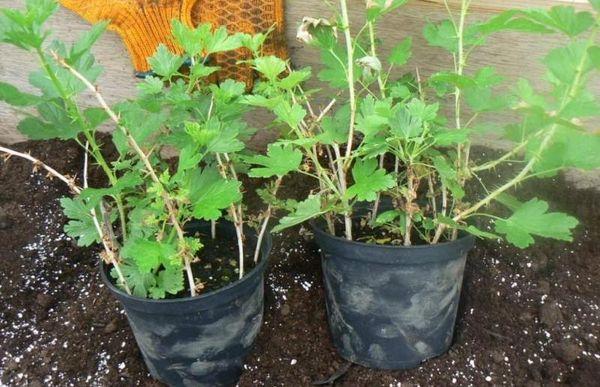
When selecting seedlings, carefully inspect them for any defects, rot, or signs of disease. It's best to choose two-year-old seedlings with exposed rhizomes, or potted plants. In this case, look for branches with foliage that are 40-50 cm long, roots that are white, and numerous.
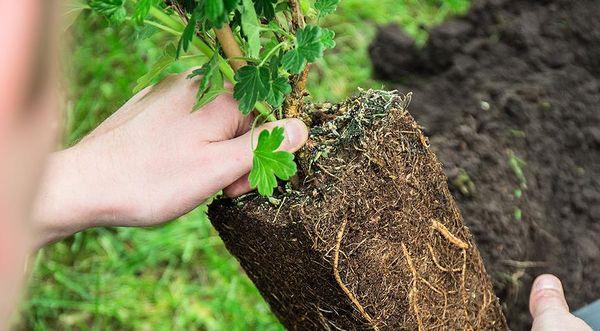
After purchasing Chernomor seedlings, trim the root tips and shoots, leaving 5-6 buds. Soak the gooseberries in a growth stimulant for 2 hours; Matador or Epin are preferred. To disinfect the seedlings, soak them in a weak potassium permanganate solution for 30 minutes.
Planting diagram
The Chernomor gooseberry should be planted according to the diagram below.
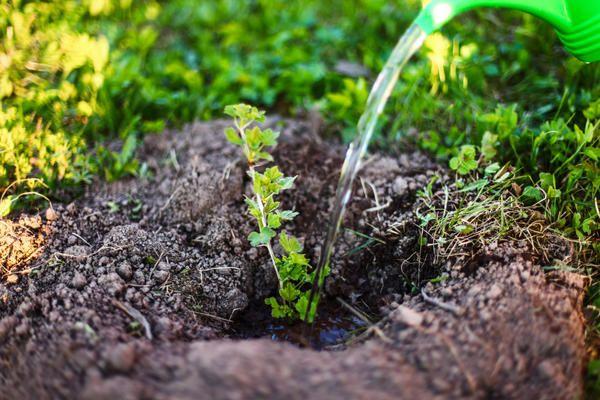
- Fill the holes with fertile soil and make a mound out of it.
- Place gooseberry seedlings into the holes.
- Straighten the rhizomes, sprinkle them with soil, and compact them slightly.
- Water, mulch with sawdust and peat.
- After 3 days, repeat the irrigation and mulching procedure.
The root collar should be deepened to a maximum of 5 cm..
Care instructions
Since Chernomor gooseberry bushes have few thorns, the area around them should be kept clear to ensure easy weeding. Standard care includes timely watering, loosening the soil, and fertilizing. The bushes are treated for diseases and beetles according to a schedule, and the bushes are pruned.
Watering
The Chernomor gooseberry reacts negatively to insufficient soil water, especially during flowering and berry formation. Drip or subsurface irrigation should be used to deliver water directly to the rhizomes, at a depth of 35-40 cm. During the growing season, water the bushes this way 3-5 times. Avoid overhead irrigation; let the water settle. Mulching the gooseberries will help retain moisture longer.
Top dressing
At the end of April, plow the soil around the Chernomor gooseberry bushes to a depth of 6 cm, level it, and mulch with peat and humus at a rate of 10 kg per plant. In the fall, dig in the organic matter with a pitchfork. For the first three years after planting, do not use phosphorus or potassium fertilizers, as these substances are added to the holes during planting. In the spring, add urea according to the following schedule:
- 15 g – in early May;
- 10 g – at the end of the pollen phase.
In the gooseberry's fourth year, add 150 g of superphosphate, 40 g of potassium sulfate, 200 g of wood ash, and 10 kg of organic matter to the soil. Repeat this process every three years.
Trimming
To ensure the healthy development of the Chernomor gooseberry, its crown needs to be regularly pruned. These include formative, rejuvenating, thinning, and sanitary pruning. These prunings are performed with disinfected pruning shears or a knife.
Thinning
Thinning pruning of the Chernomor gooseberry is necessary to prevent it from becoming overcrowded. The shoots must receive sufficient space, oxygen, and sunlight. All branches growing inward and those growing too close to each other are removed.
Sanitary
This is used to prevent the Chernomor gooseberry from being damaged by pathogens and harmful beetles. Old, diseased, blackened shoots, and horizontal shoots are pruned.
Formative
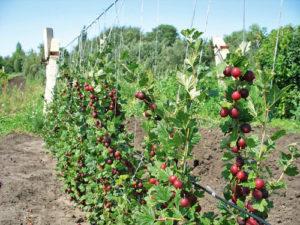
This procedure is necessary to create a proper bush. In the first year after planting, shoots are shortened by half, in the second by 1/3, and in the third, they are pruned to the top and horizontal branches. Mature plants are cleared of deformed and dry shoots. Young branches are shortened to prevent overgrowth. Bushes are trained until they are eight years old. By then, they will have 25 strong branches.
Rejuvenating
The Chernomor variety is pruned after seven years of cultivation. Old, diseased, and dry shoots are cut off, leaving only the basal stems. Gooseberries older than 10 years are left with five strong branches, the rest are removed from the base.
Protection from diseases and pests
The following diseases can attack the Chernomor gooseberry.
- Powdery mildew. This disease is especially dangerous for crops. It can cause crop losses, and bushes die within 2-3 years if left untreated. Powdery mildew develops rapidly in damp, warm weather. In early summer, a loose, white coating appears on various parts of plants. After a couple of weeks, it turns brown. Affected stems become twisted, dry out, curl, and their growth is stunted. Fruits fail to ripen, develop cracks, and fall off. To treat bushes, spray with HOM before flowering. Use 40 g of the product per bucket. Gooseberries can also be treated with Topaz during and after flowering. Dilute the product according to the instructions.
- Anthracnose, mosaic, white spot, and cup rust are common. Viral diseases such as mosaic are incurable; Chernomor bushes should be burned away from the garden. When gooseberries are affected by rust or spot, they are sprayed with Nitrafen, copper sulfate, or Bordeaux mixture. The plants are treated in two stages: the first treatment is carried out in March, before bud break, and the second 1.5 weeks after harvest.
To prevent disease, clear the area where gooseberries grow of fallen leaves, which can harbor pathogens. Couch grass should also be removed regularly.
Sometimes the Chernomor gooseberry is attacked by harmful bugs. The most common pests are fireworms and shoot aphids. Before flowering, a fireworm emerges from the soil. Eggs are laid in the flowers. When flowering is complete, bright green caterpillars emerge from the eggs.
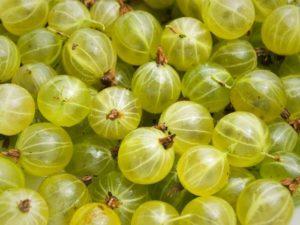
They gnaw through gooseberries and eat the seeds. When aphids infest bushes, the leaves curl, the stems become thinner, twisted, and their growth is stunted. The fruits become smaller and fall off. Fufanon and Actellic are used to control the pests.
In order to prevent beetle attacks, preventative measures are used.
- After the snow melts, the soil beneath the shrubs is covered with a thick material, such as roofing felt. Its edges are then covered with soil. This will prevent the moths from escaping. Once the shrubs have finished blooming, the covering is removed.
- In autumn, gooseberry bushes are hilled to a height of 10 cm.
- It is necessary to systematically collect and destroy berries in which caterpillars have settled.
- Faded plants are treated with Lepidocide or Bicol.
By regularly performing preventative treatments, the risk of beetle attacks is reduced to a minimum.
Reproduction
The Chernomor gooseberry is propagated by layering or cuttings. Inexperienced gardeners are recommended to use the former method.
Layering
The branches are dug in several stages. First, a healthy shoot of the Chernomor variety is placed in a shallow trench, pinned with a staple, and covered with soil. Then, water with 0.5 buckets of settled water. In the fall, the rooted shoots are planted in their permanent location in the garden.
Cuttings
This method yields the highest survival rate. A large number of Chernomor variety sprouts can be obtained from a single planting. Two-year-old shoots are cut into 12-15 cm long pieces and planted in a prepared substrate of sand, peat, and garden soil. Before planting, treat them with a rhizome growth stimulant.
Advantages and disadvantages of the variety
The Chernomor gooseberry is one of the most popular varieties and offers many advantages. Some gardeners have found some shortcomings. Understanding these will help you learn more about the plant and make a better choice.
| Pros | Cons |
| High frost resistance | Small fruits of the Chernomor variety |
| Resistance to drought periods | |
| A small number of thorns | |
| Simple process of reproduction | |
| Excellent taste of the fruits of the Chernomor variety |
Harvesting and storage
Chernomor gooseberries are harvested for processing two weeks before they reach consumer maturity, when the fruits are still green, firm, and have reached the desired size. For fresh consumption, the berries are picked fully ripe. This is when they acquire their sweetness and characteristic dark burgundy hue.
Harvested at the technical maturity stage, the fruit is stored for two weeks in a cool place, such as a refrigerator or cellar. Before storage, the fruit is sorted, and any damaged or rotten ones are discarded.
Harvested Chernomor gooseberries, when fully ripe, can be stored in baskets for up to 1 week. Harvesting should be done in dry weather.
Application areas
Chernomor gooseberries are used to make juices, preserves, and baked goods. They can be used to decorate desserts or frozen for the winter.
Related posts:
 Description of 36 of the best sweet and large varieties of gooseberries
 Description of 34 best gooseberry varieties for Siberia and the Urals, cultivation techniques
 Description and characteristics of the gooseberry variety Commander, planting and care
 Pests and diseases of gooseberries and their control using chemical and folk remedies
 Description of the Malachite gooseberry, varieties, planting and care
 22 Best Large-Fruited Gooseberry Varieties for the Moscow Region: Planting and Care
 Description of the English Yellow gooseberry variety, planting and care
 Description of the Hinnonmaki gooseberry, varieties, planting and care