
- History of the variety's origin
- Description and characteristics
- Appearance
- Taste qualities
- Resistance to diseases and pests
- Drought resistance and winter hardiness
- Ripening period
- Productivity
- Transportability
- Pros and cons
- Advantages
- Flaws
- Landing
- Choosing a location
- How to select and prepare planting material
- When to plant
- Planting diagram
- Growing and care
- Watering
- Top dressing
- Spring
- Summer
- Autumn
- Pruning and preparation for winter
- Soil care
- Crown formation
- Supports
- Prevention and control of diseases and pests
- Reproduction
- Cuttings
- Dividing the bush
- Vaccinations
- Seeds
- Chinese method
- Harvesting and storage
- Application
Gooseberry bushes have long been a permanent fixture in garden plots and vegetable patches. The berries not only have excellent flavor but also contain numerous nutrients and vitamins. With so many varieties of this berry crop, choosing the right variety can be challenging. However, most gardeners, farmers, and vegetable growers prefer the time-tested, productive, and easy-to-grow Malachite gooseberry variety.
History of the variety's origin
The history of the Malachite gooseberry variety begins back in 1949. It was then that Sergeeva, a leading breeder at the Michurinsk Research Institute, submitted documents for testing a new berry crop, developed through crossbreeding. gooseberry Finik and Black Negus varietiesAfter 10 years of testing, the Malachite gooseberry variety was added to state registers with a recommendation for cultivation in various regions of the country, including the Urals and the Far East.
Description and characteristics
To grow a healthy and fruitful gooseberry bush, it's important to understand the berry's key characteristics. Hybrid gooseberries are highly resilient to climate conditions and have excellent natural immunity to diseases and pests.
Appearance
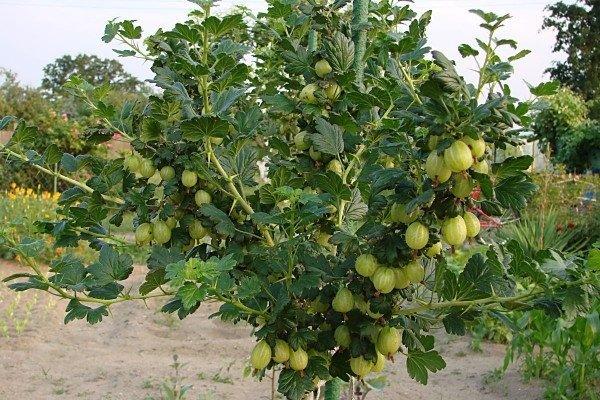
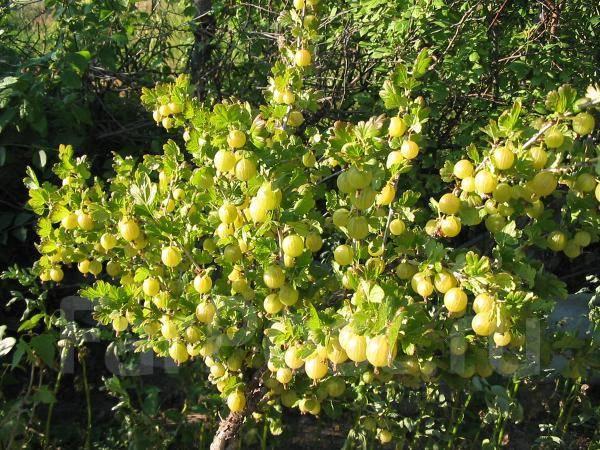
The bushes of the fruit crop are compact, with powerful, spreading branches at the top.
- The height of an adult plant rarely exceeds 1.5 m.
- The annual shoots are intertwined with each other, bright green in shades, and the perennial branches grow prickly, hard thorns.
- The berry crop has the ability to self-pollinate.
- Gooseberry blossoms begin in May, and the first berries ripen by mid-July.
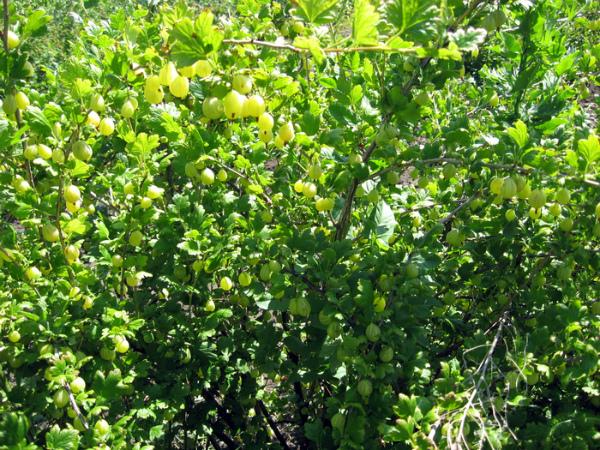
- The leaf blades are medium-sized, matte, and have a rich emerald hue.
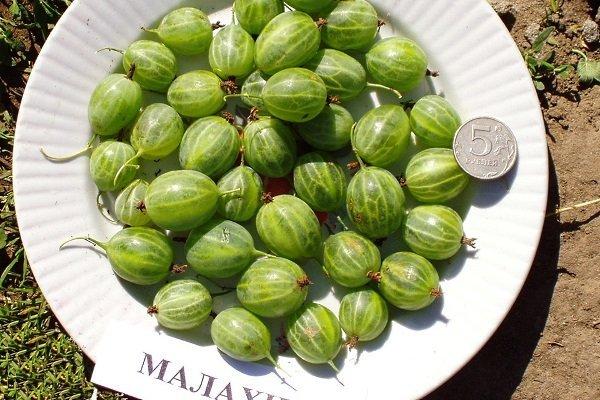 Tip! Due to its compact bush and dense, abundant foliage, among which large berries ripen, the Malachite gooseberry has high ornamental qualities and can enhance any garden plot.
Taste qualities
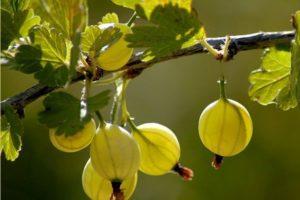
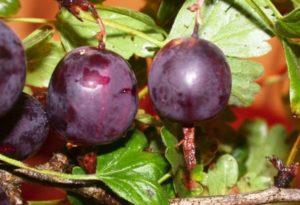
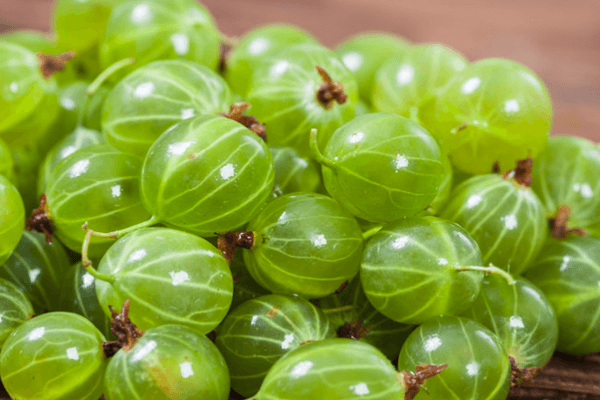
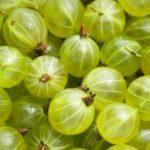
The berries ripen to large sizes, weighing up to 8 grams, and have a pleasant green-amber hue with white specks. The thin skin covers the juicy pulp with small seeds that have a sweet and sour taste. A waxy coating forms on the ripened fruits.
The Malachite gooseberry is recognized by experts as a versatile dessert variety. The berries are recommended for eating fresh, cooking, freezing, and adding to desserts and confectionery.
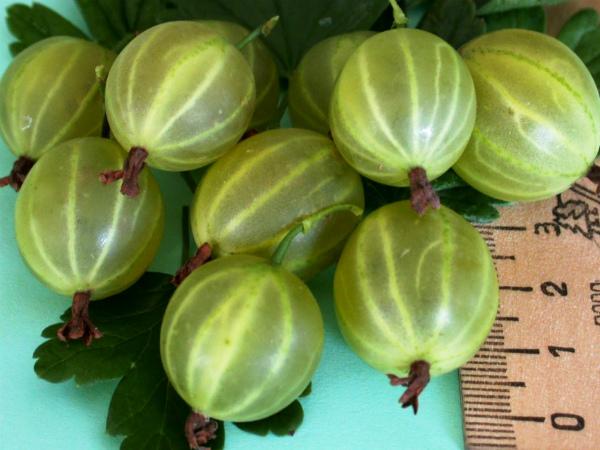 Important! Gooseberries contain vitamins and nutrients that support proper immune function and boost the human immune system.
Resistance to diseases and pests
This hybrid fruit variety was bred for enhanced immunity to most diseases and pests. However, if care is not provided correctly, the shrub is susceptible to septoria leaf spot and rust. As a preventative measure, plants are sprayed with professional products in early spring.
Drought resistance and winter hardiness
The Malachite gooseberry doesn't tolerate drought well and prefers abundant and timely moisture. However, the bush tolerates winter frosts down to -30 degrees Celsius and spring temperature fluctuations well. This berry is grown in cold climates, where it thrives and produces fruit.
Ripening period
After flowering, berries begin to form on the bushes from mid-June. The gooseberry harvest begins in late July. Fruiting is uneven, with the berries ripening gradually, acquiring an amber hue.
At the ripe stage, the fruits do not fall from the bushes, which allows the gooseberry to gain sweetness.
Productivity
Berry bushes produce their first harvest in the second year of growth. The first year of fruiting isn't particularly productive; the peak harvest occurs in the fourth or fifth year of growth. With proper and competent care, a single plant can yield up to 4 kg of ripe berries. A berry bush can bear fruit for up to 15 years.
Transportability
The Malachite gooseberry variety retains its marketable appearance for a long time thanks to its thick skin. Large berries are placed in thin layers in crates and transported over long distances without loss or spoilage.
Pros and cons
Like any fruit crop, the Malachite gooseberry variety has both advantages and disadvantages. To grow a healthy and fruitful berry bush, it's important to understand all the pros and cons of this hybrid variety.
Advantages
- The fruit ripens slowly, allowing several harvests of gooseberries to be collected in one season.
- Increased yield, large berries.
- Easily tolerates harsh northern winters.
- The berry bush is unpretentious in care and cultivation.
- The taste of the berries has been rated by experts as high.
- Possibility of long-term storage and long-distance transportation of crops.
- Natural immunity to most diseases and pests.
Another advantage of this variety is the universal use of its ripe berries.
Flaws
The Malachite variety has few drawbacks. These include thorny shoots and sprawling gooseberry bushes that take up a lot of space in the garden. Also, if not properly cared for, the plant is sometimes susceptible to fungal and viral infections.
Landing
The basic requirements for planting the Malachite gooseberry are choosing the right location and fertile, loose soil. This will ensure the berry grows quickly and rewards you with abundant harvests of delicious and healthy berries.
Choosing a location
Choose a well-lit site for planting berries, protected from drafts and north winds. The bushes do not thrive in low-lying or marshy areas, and the groundwater table should be at least 1.5 meters above the soil level.
In the selected area, the soil is thoroughly dug over, weeds are removed, and the soil is loosened. To promote gooseberry growth and development, humus, organic fertilizer, and a mineral complex are added to the soil.
The berry crop prefers soils with neutral acidity, so acidic soil is limed.
How to select and prepare planting material
The key to a large harvest is the correct selection of planting material.
- The best time to purchase gooseberry seedlings is autumn.
- The plant is carefully examined for damage, rot and fungal infections.
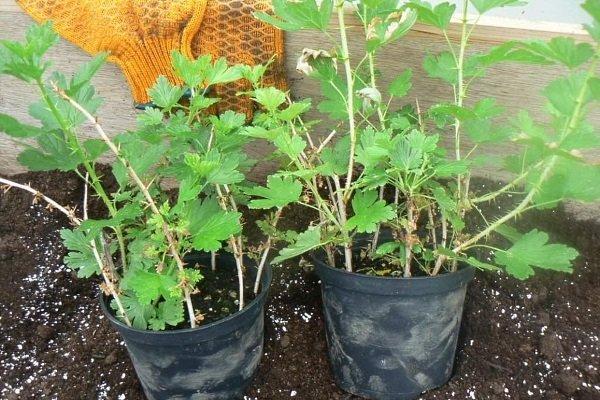
- The roots of the bush should be well developed, moist, and at least 12-14 cm long.
- The plant has at least 3 shoots, 40 to 50 cm in height.
- Rhizomes without knots, breaks or damage, yellow in color.
Important! Before planting outdoors, soak the plant's roots for 10-15 hours in a mixture of water and clay, then treat with antibacterial agents or a potassium permanganate solution.
When to plant
The time for planting seedlings is determined based on the climate of the growing region. In northern regions with cold and long winters, spring planting is recommended. This will allow the seedlings sufficient time to establish and root. In temperate and southern climates, gooseberries are planted outdoors in the fall, 4-6 weeks before the first frost.
Take a look Also
Planting diagram
3-5 days before planting the berry crop, planting holes are dug in the prepared area.
- The holes are dug at least 50 cm deep and wide.
- The distance between plantings is left from 70 to 100 cm, between rows from 1.5 to 2 m.
- A drainage layer consisting of sand and expanded clay is placed at the bottom of the hole, and fertile soil is poured into the hole.
- The seedling is placed in the hole.
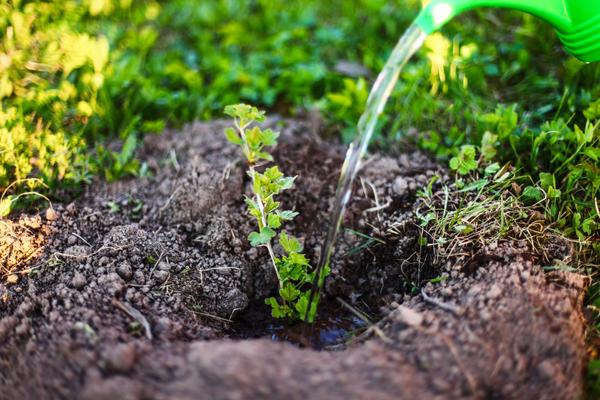
- The roots are evenly distributed in the hole and covered with soil, trying not to form voids.
- The soil under the plant is lightly compacted and thoroughly watered.
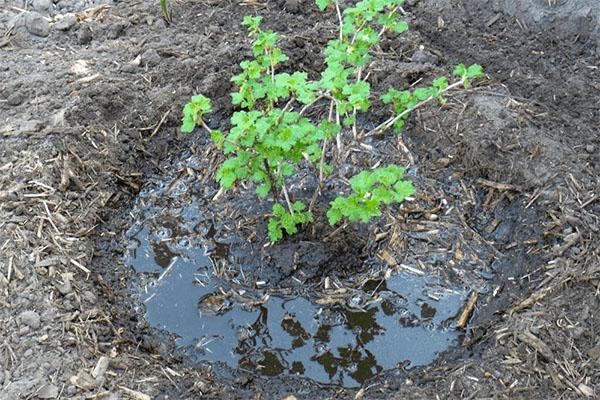 Tip! To promote better growth and development of the seedling, mulch the soil around the trunk with humus or peat mixed with damp sawdust.
Growing and care
To ensure the Malachite gooseberry grows healthy and fruitful, the plant requires proper care, including timely watering, fertilizing, and pruning.
Watering
Berry bushes are equally sensitive to both drought and excess moisture in the soil. Gooseberries are watered as needed, never allowing the soil to dry out completely. They require especially high water levels after planting and during the fruiting period. During heavy rainfall, the fruit crop should not be watered at all.
Top dressing
Fruit crops always require additional fertilization and feeding, because the ripening of berries takes a lot of energy and nutrients from the plant.
Spring
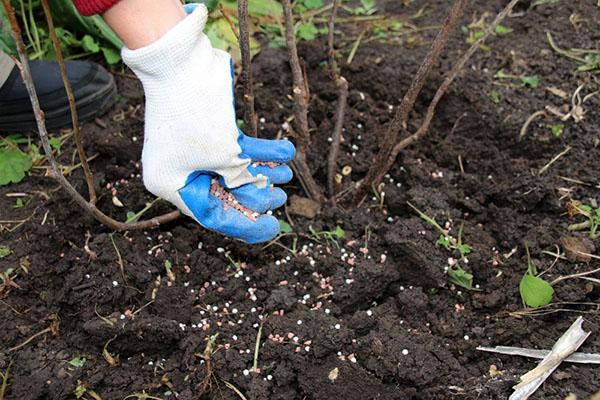
At the very beginning of the growing season, gooseberries are fertilized with cow manure and nitrogen-rich fertilizers, which will help increase the bush's foliage. As the flowers begin to form, a balanced mineral complex is added to the soil.
Summer
During the period of ovary formation and berry ripening, berry bushes are fertilized exclusively with organic matter.
Autumn
Before winter dormancy, mineral fertilizers are added to the soil to help saturate the gooseberry roots with vitamins and nutrients before the long winter.

Pruning and preparation for winter
For better growth and fruiting, gooseberry bushes need timely sanitary pruningIn the spring, before the growing season begins, remove all broken, dried, and damaged branches and shoots.
Also, in late autumn, tidy up the area around the gooseberry tree trunk. Remove dead leaves, weeds, and branches, and mulch the soil with humus or peat mixed with sawdust. As soon as the first snow falls, cover the roots with deep snowdrifts. If there is no snow, use special materials or spruce branches.
Soil care
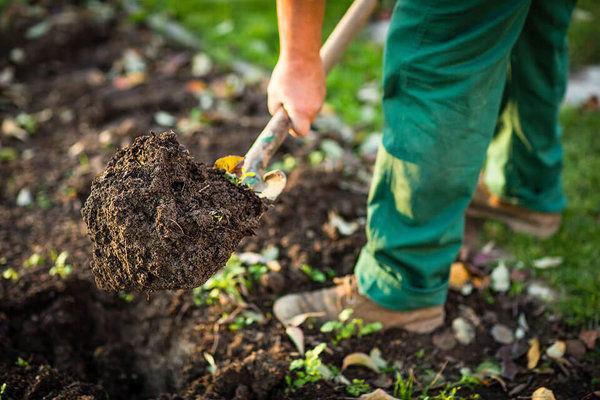
Loosen the soil and weed the area around the gooseberry bushes several times per season. Loose soil helps oxygenate the plant's roots and retain moisture. Removing weeds will protect the bushes from pests and diseases, as weeds are the main carriers of bacteria and insects.
Crown formation
The plant is pruned for the first time immediately after planting, shortening all shoots to 6-7 buds. In the fall, before winter dormancy, trim back any irregularly growing branches and shoots older than 5 years. During the growing season, prune the upper parts of the bush, encouraging the growth of lateral shoots.
Important! After pruning, to prevent fungal and viral infections, treat the cuts with garden pitch or professional products.
Supports
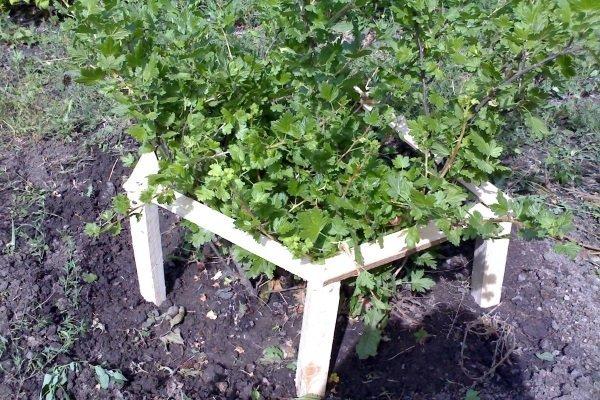
The berry bush is spreading, with long branches and shoots. When large berries ripen, the branches sag and can break. To support the gooseberry bush, use regular ropes tied around the perimeter of the berry plant, or use circles or squares on stakes placed around the bush.
Prevention and control of diseases and pests
The Malachite gooseberry variety is immune to some diseases and pests. However, if cultivation practices are not followed, the plant is susceptible to fungal and viral attacks. In spring, before the growing season begins, the berry bushes are sprayed with fungicide- and insecticide-based products.
Advice! Timely fertilizing, weeding, and mulching around the tree trunks reduce the risk of disease and pest attacks on fruit crops.
Reproduction
The Malachite gooseberry variety is tasty and healthy, so many gardeners propagate the fruit themselves.
Cuttings
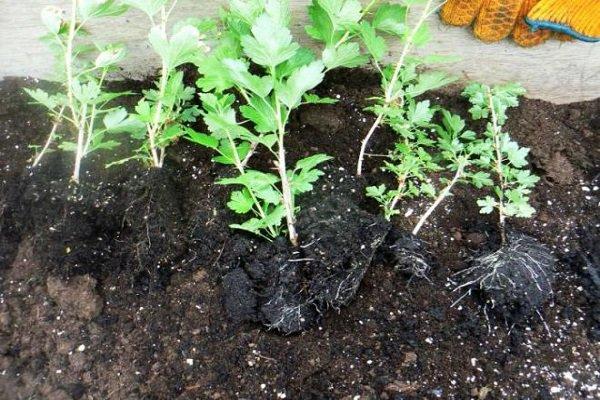
On a mature plant, the basal shoots are trimmed and cut into several pieces, 15 to 20 cm long. Each cutting should have at least 3-4 buds or leaves. The prepared cuttings are planted in containers with fertile, loose soil and covered with plastic wrap until rooting occurs. Once new leaves appear, the seedlings are transplanted into the open ground.
Dividing the bush
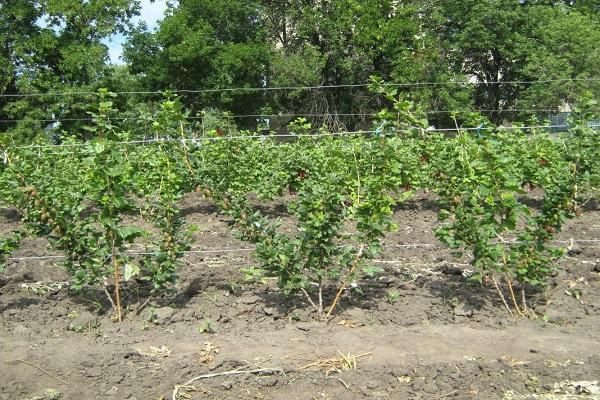
Dividing the bush is done in the fall, after the harvest. A mature, healthy bush is dug up, and the rhizome is divided into several equal parts. New seedlings with developed roots are planted in open ground as independent plants.
Vaccinations
Gooseberries are grafted onto rootstocks of the same fruit crop, a different variety, or currants. The cuttings for grafting are harvested in the fall or pruned before the grafting procedure.
Seeds
Seeds for propagation are obtained from ripe gooseberries. In the spring, the seeds are planted in small containers in fertile soil. As soon as the first shoots appear, the seedlings are transplanted into individual pots and then planted outdoors in the fall.
Chinese method
The Chinese method of propagating gooseberries has long been known and is considered the easiest way to obtain new, viable seedlings. Gardeners and vegetable growers call this method "layering."
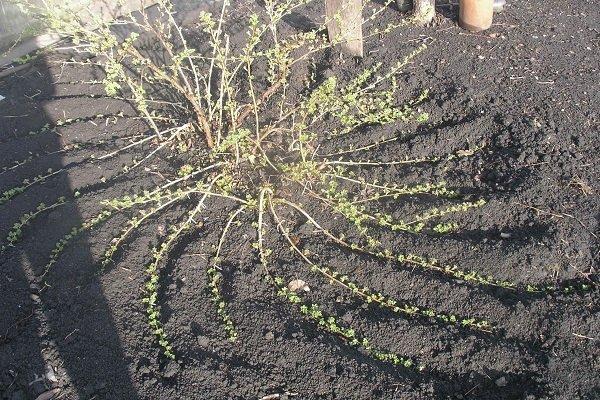
In early summer, select a strong, healthy lower shoot from a mature plant. The shoot is bent toward the ground and secured. Cover the shoot with soil, leaving the top of the plant above the soil surface. In the fall, the rooted shoot is cut from the mother plant and planted in a planting hole.
Harvesting and storage
Basic picking gooseberries Gooseberries are harvested at the end of July. Ripe fruits can be stored in the refrigerator for up to 5 days, while technically ripe berries can be stored for up to 10-12 days. Gooseberries are also frozen; in this case, the berries can be stored in the freezer throughout the winter without losing their nutritional value.
Application
The Malachite gooseberry is recognized as a versatile variety. Fresh berries contain the highest levels of vitamins and nutrients.
Ripe fruits are used to make preserves, jellies, marmalades, and marmalades. Gooseberries make delicious compotes, desserts, jellies, and sauces for meat and fish dishes. Experienced home cooks also make homemade liqueurs and cordials from the berries.
Related posts:
 Description of 36 of the best sweet and large varieties of gooseberries
 Description of 34 best gooseberry varieties for Siberia and the Urals, cultivation techniques
 Description and characteristics of the gooseberry variety Commander, planting and care
 Pests and diseases of gooseberries and their control using chemical and folk remedies
 Description of the Hinnonmaki gooseberry, varieties, planting and care
 22 Best Large-Fruited Gooseberry Varieties for the Moscow Region: Planting and Care
 Description of the English Yellow gooseberry variety, planting and care
 TOP 20 ways to preserve fresh gooseberries for the winter