
- Description
- The best thornless gooseberry varieties
- Eaglet
- African
- Northern Captain
- Ural thornless
- Thornless gooseberry
- Varieties suitable for central Russia
- Grushenka
- Russian yellow
- Amber
- Kolobok
- Sirius
- Chelyabinsk
- Features of cultivation
- Planting gooseberries
- Weed removal
- Loosening the soil
- Depth of the planting hole
- Care instructions
- Watering
- Trimming
- Top dressing
- Pest and disease control
- Tips from experienced gardeners
The concept of thornless gooseberries is most likely a commercial invention. Fruit bushes of any variety always have thorns. It's just that in some varieties, they appear as seedlings and then disappear, while in other varieties, on the contrary, thorns appear only in adulthood.
Let's take a closer look at how to select and grow the right variety of thornless or low-thorn gooseberry.
Description
Scientists and breeders are constantly developing new gooseberry varieties. Every year, new varieties of this fruit crop appear on the market, some of which meet the gooseberry's highest characteristics.
There are several varieties and cultivars of thornless berry bushes, differing in the following characteristics:
- Hybrid varieties of the crop produce sharp thorns at the beginning of the growing season, but during the formation of ovaries, the thorns disappear.
- Thorns are found exclusively on old branches.
- Gooseberry bushes with few or soft thorns.
- Also, sharp thorns may appear and disappear depending on climatic conditions, proper care and the age of the plants.
Note: Hybrid thornless gooseberry bushes are taller and more spreading, requiring annual pruning.
The best thornless gooseberry varieties
Experienced gardeners and farmers have long debated this issue. Some claim that the best flavor is exclusively found in thorny varieties of berry bushes. Others consider thornless gooseberries the pinnacle of modern breeding. And this opinion isn't far from the truth. After all, thornless gooseberries are indeed more frost-hardy and easy to grow, and harvesting them is less likely to result in injuries or scratches.
Eaglet
An early-ripening black-fruited gooseberry variety. This fruit easily tolerates frosty winters and is resistant to diseases and pests. Its main advantage is the absence of thorns on the shoots, allowing for easy maintenance and safe harvesting.
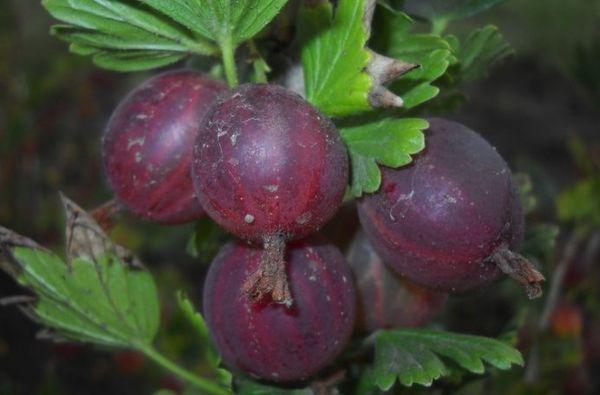
With timely and proper care, one plant can produce up to 7 kg of fruit with a pleasant, sweet and sour taste.
African
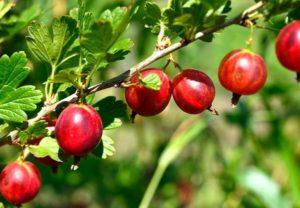
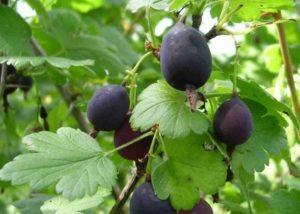
A fruit variety with small purple berries that taste like blackcurrants. Fruiting begins in the second year of outdoor growth. The African gooseberry is resistant to frost and some fungal diseases.
The main advantage of this berry variety is its lack of numerous thorns. A few thorns do appear on the bush, but they are few and far between, and they don't interfere with plant care or harvesting.
Northern Captain
A productive variety of gooseberry recommended for cultivation in the northern regions of the country
When ripe, the fruits acquire a dark burgundy, almost black hue. The berries are large, weighing up to 4 g, with juicy flesh and a sweet and sour taste. The variety is resistant to low temperatures and has natural immunity to some fungal diseases.
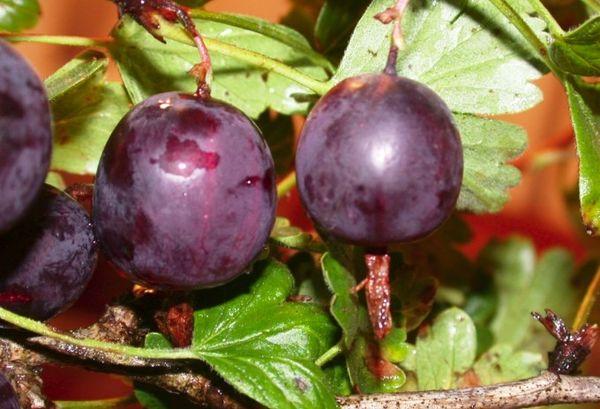
The fruit bush is completely thornless, thanks to its very short spines, which make it easy to care for.
Ural thornless
A berry bush with large fruits, recommended for cultivation in the southern regions of the Urals, which indicates the variety's increased frost resistance.
The berries are large, averaging up to 8 grams each, greenish in color, with juicy flesh and a sweet flavor. A mature plant produces up to 9 kg of ripe berries.
In addition to high yields and strong immunity to diseases and pests, the bush is completely free of thorns.
Thornless gooseberry
A thornless variety of fruit bush with red berries weighing up to 5g and a dessert-like, sweet and sour taste.
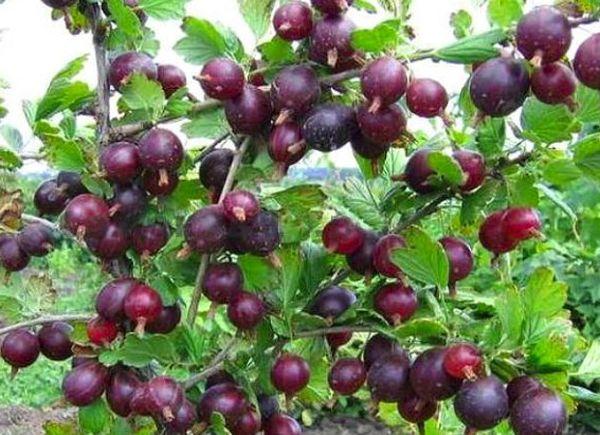
The plant withstands frosts reliably and also has good immunity to diseases and pests.
Varieties suitable for central Russia
Unfortunately, not all thornless gooseberry varieties thrive and produce fruit in central Russia. However, thanks to scientists, berry bushes adapted to the climate have been developed.
Grushenka
A frost-hardy gooseberry variety with purple, pear-shaped berries weighing up to 5 grams. The main characteristic of this fruiting bush is the very sparse spines on the shoots.
This variety easily tolerates spring frosts and has increased immunity to fungal diseases and pests. A single bush yields up to 6 kg of ripe berries.
Russian yellow
Russian Yellow is a mid-season variety. The first berries appear in mid-July. The fruits are large, up to 5.5 g, elongated, yellowish-green in color, and have sweet, juicy flesh.
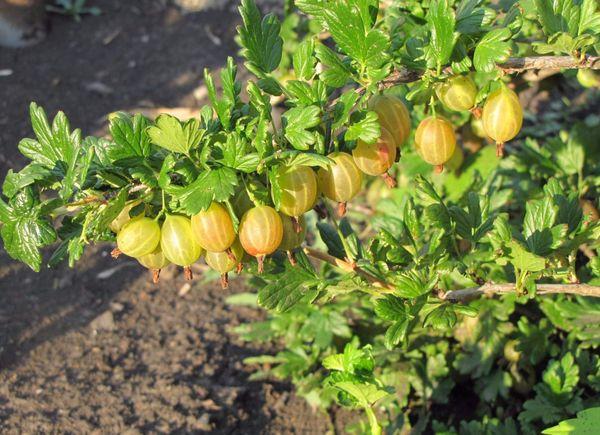
This berry crop is resistant to low temperatures and some diseases. Although the variety is recommended as thornless, the bushes do have spines, but they are concentrated deep within the crown.
Amber
One of the most proven gooseberry varieties, developed in the middle of the last century. A tall berry bush with a spreading crown and sparse but very sharp thorns.
The berries are large, up to 5 g, of a beautiful amber hue with a sweet taste.
This fruit crop is resistant to frost and some diseases. A single plant produces 7 to 10 kg of ripe berries.
Kolobok
A tall, spreading berry bush with virtually thornless shoots and a mid-season ripening season. The dark red, large, sweet-tart berries, weighing up to 7 g, ripen by mid-July.
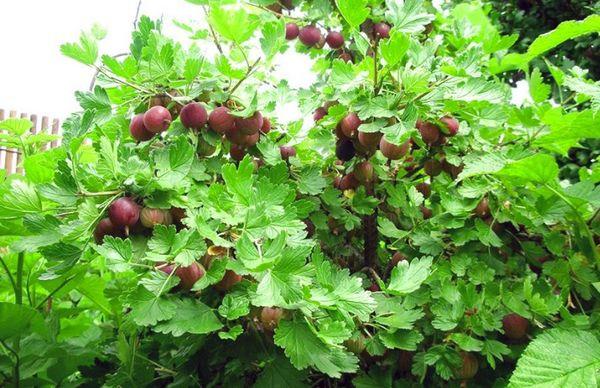
The variety easily survives winter frosts, but reacts sensitively to sudden temperature changes. Also, gooseberry variety Kolobok does not tolerate prolonged drought.
Sirius
This compact fruit bush grows up to 1 m. Ripe berries are large and sweet, weighing up to 5 g, and cherry-colored. This variety is resistant to frost, spring frosts, fungal infections, and pests.
The main advantage of the Sirius gooseberry is the rare thorns on the shoots, which do not pose a danger during the process of caring for the plant and when harvesting the berries.
Chelyabinsk
The Chelyabinsk gooseberry has earned its popularity for its unusual fruit color, high yield, and the small number of thorns located deep within the plant's crown.
The variety is resistant to low temperatures and diseases, which makes it possible to grow the fruit bush even in northern climates.
Features of cultivation
A well-chosen location, prepared soil, and timely care are the key to obtaining a healthy, fruitful gooseberry bush.
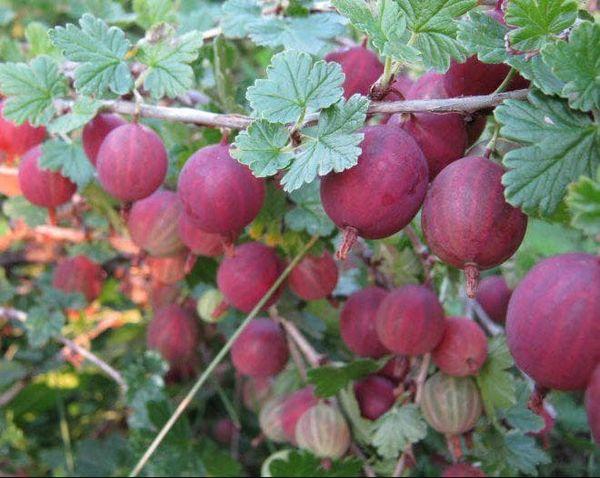
Seedlings of varietal gooseberries are purchased in nurseries or garden centers.
The plant is carefully inspected for damage and disease. The roots should be well-moistened and free of rot and fungal infections.
Planting gooseberries
Fruit crops thrive in sunny, wind- and draft-free soil with neutral pH and moisture. Groundwater levels should be at least 2 meters above the soil surface.
Planting work is planned for early spring or autumn.
In the southern regions, gooseberries are planted in the fall; in the temperate zone, planting is recommended to be carried out in the spring.
Weed removal
Preparation of the site for planting seedlings begins 4-6 weeks before the planned work with digging the soil and removing weeds, roots and debris.
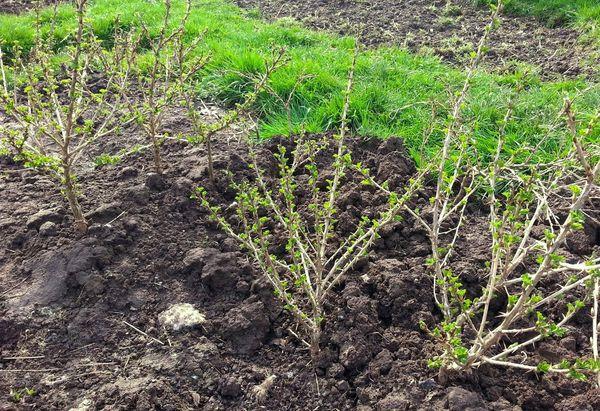 Important! Weeds are the main carriers of pests, viruses, and fungi.
After weeding the area, organic and mineral fertilizers are added to the soil.
Loosening the soil
To enrich fertile soil with oxygen and nutrients, soil loosening is carried out. The lighter the soil, the faster the seedlings will establish and root.
Depth of the planting hole
After completing the preparatory work, planting holes are dug on the prepared site.
- Before planting in open ground, seedlings are placed in a container with water and clay for 5-8 hours.
- The depth and width of the hole are from 40 to 50 cm.
- The distance between plantings is 1.5 m, between rows 2 m.
- A drainage layer of river sand mixed with broken stone or crushed rock is placed at the bottom of the hole.
- A mound of fertile soil is laid on top and a support peg is installed.
- A seedling is placed in the center of the hole.
- The roots are evenly distributed in the hole and covered with fertile soil mixture.
- The soil is compacted from above, the seedling is tied to a support and watered generously.
Important! After planting, mulch the tree trunk area with humus or dry grass.
Care instructions
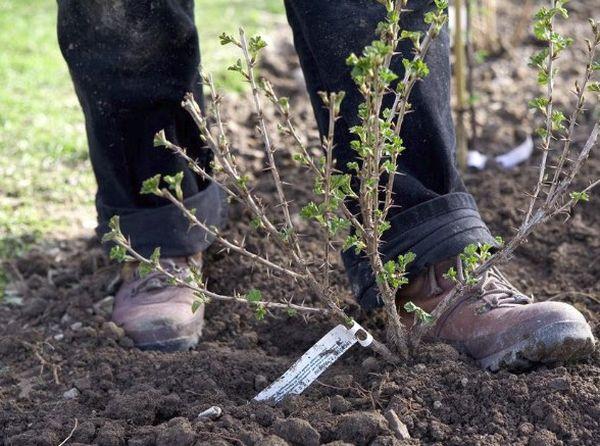
Timely pruning of fruit bushes, watering and fertilizing will help increase the yield of berry crops.
Watering
Gooseberries don't tolerate excess moisture well. Water as needed, but no more than once or twice a month.
During the flowering and fruit set period, irrigation is important for berry bushes, but during the fruit ripening period, watering is stopped completely.
Trimming
Gooseberries grow and develop quickly, so the fruit bushes require annual formative and sanitary pruning.
It's recommended to shape the bush in the spring, before the growing season begins. Select 3-4 of the strongest shoots, and prune the rest at the root.
In autumn, dry, broken and old branches and shoots are removed from the plant.
Top dressing
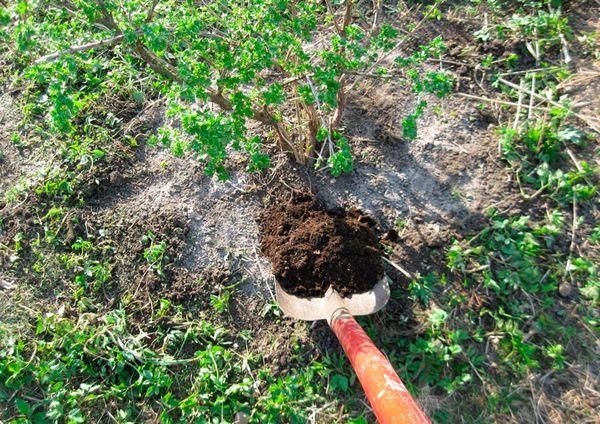
If gooseberries were planted in fertile soil, fertilizing begins in the 2nd or 3rd year of growth of the fruit crop.
- In early spring, the bushes are fed with nitrogen-containing fertilizers to increase the growth of the plant's green mass.
- During the flowering period, gooseberries need phosphorus and potassium.
- When the berries ripen and in the fall, the fruit bushes are fed with organic matter.
Nitrogen fertilizers are not used during the growing season, as the gooseberry will begin to develop a leaf cover, which will detrimentally affect the yield.
Pest and disease control
Thornless gooseberry varieties are rarely affected by fungal and viral diseases. However, if agricultural practices are not followed properly, the fruit crop's immunity is weakened.
In spring and autumn, it is recommended to carry out preventative spraying of bushes and soil with chemical or biological agents to protect against pests and diseases.
Tips from experienced gardeners
According to gardeners, thornless gooseberry varieties significantly facilitate the care of the fruit crop and the harvesting process.
Although most varieties of berry crops are recognized as frost-resistant, in regions with cold winters the bush requires additional insulation, especially during the first 2-3 years after planting in open ground.
But thornless gooseberries are much easier and safer to care for.
Related posts:
 Description of 36 of the best sweet and large varieties of gooseberries
 Description of 34 best gooseberry varieties for Siberia and the Urals, cultivation techniques
 Description and characteristics of the gooseberry variety Commander, planting and care
 22 Best Large-Fruited Gooseberry Varieties for the Moscow Region: Planting and Care
 Pests and diseases of gooseberries and their control using chemical and folk remedies
 Description of the Malachite gooseberry, varieties, planting and care
 Description of the Hinnonmaki gooseberry, varieties, planting and care
 Description of the English Yellow gooseberry variety, planting and care