
- Description and Features
- History of selection
- Main characteristics
- Taste qualities
- Applications of berries
- Fruiting and yield
- Transportability
- Disease resistance
- Frost and drought resistance
- Beneficial properties and contraindications
- Pros and cons of the variety
- How to plant correctly
- Recommendations for choosing deadlines
- Requirements for the location
- How to choose and prepare soil
- Planting diagram
- Care instructions
- Watering mode
- Top dressing
- Protection from diseases and pests
- Trimming
- Formation
- On the trellis
- On the trunk
- Hedge
- Illumination
- Methods of reproduction
- Layering
- shoots
- Branches
- By division
- Cuttings
- Harvesting and storage
- Tips and recommendations for growing
Black gooseberry varieties are very popular with many gardeners. With proper planting and careful agricultural practices, you can grow a strong and vigorous plant. Gooseberries require regular watering, pruning, and soil loosening. Protecting the crop from diseases and pests is also crucial.
Description and Features
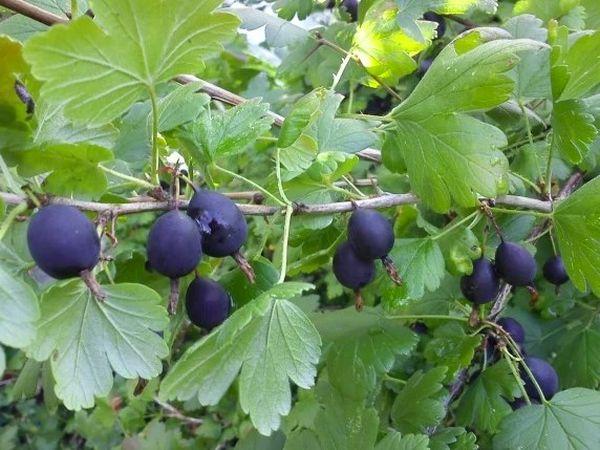
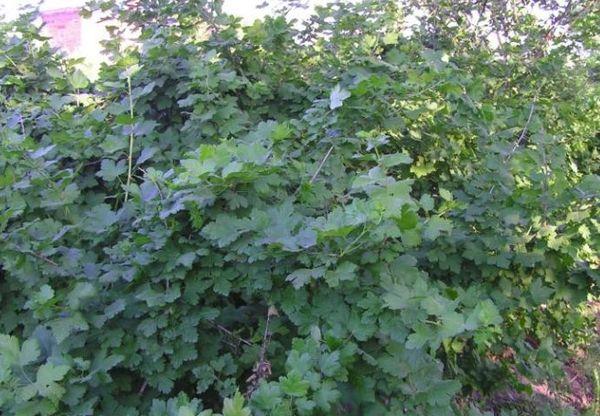
The Black Negus gooseberry is a robust plant reaching 1.5-2 meters in height. It is characterized by thick, sturdy branches covered in thorns. The shoots are arched and grow upward and outward. The leaves are large and a rich green.
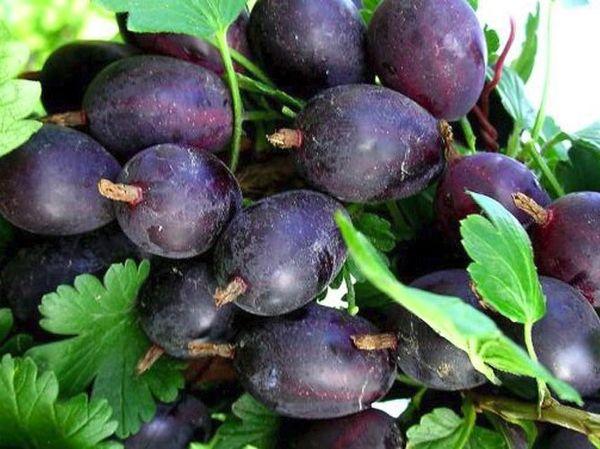
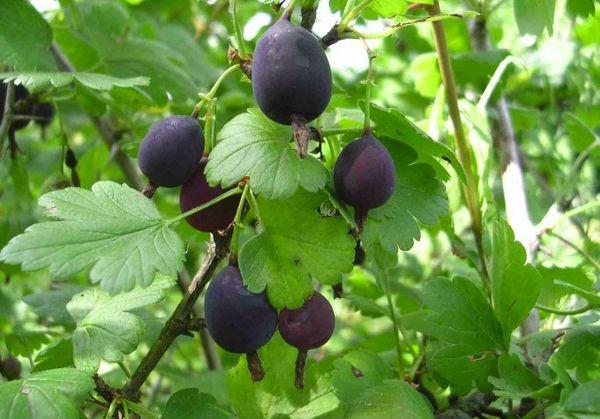
The fruits are pear-shaped and have a long stalk. They are typically borne in pairs or solitary. A distinctive feature of this variety is the unusual color of the berries. They are distinguished by a bluish-black hue and a beautiful sheen. Inside, there is bright red flesh.
History of selection
This variety was developed by the renowned breeder Michurin. It was created by crossing the European variety Anibut and the American plant Krasilny. The result is a plant distinguished by its resistance to disease.
Main characteristics
Before planting this gooseberry variety, it's recommended to familiarize yourself with its basic characteristics. The plant's distinctive features include its unusually colored berries.
Taste qualities
The fruits have a characteristic sweet and sour taste and a distinct aroma. According to tasting reviews, the plant received a score of 4.7. The berries are rich in vitamins.
Applications of berries
The fruits are characterized by a vibrant hue, making them popular in cooking. The berries have excellent flavor and can be used to make compotes, preserves, and jams with rich hues. A small amount of gooseberries is added to compotes made with other fruits, resulting in an attractive ruby hue.
Fruiting and yield
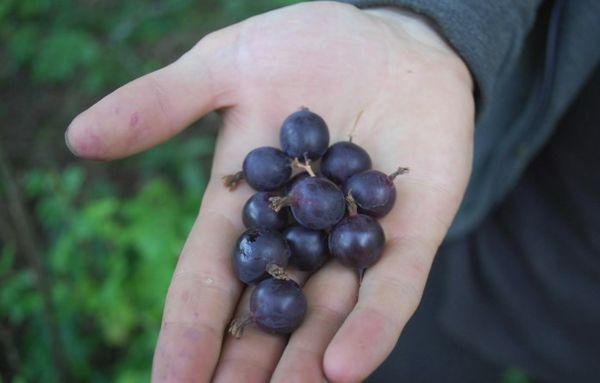
The berries of this gooseberry variety are medium-sized—2-2.5 centimeters long. The outer surface of the fruit is covered with a thin skin, which does not crack even in drought. The berries cling firmly to the bush and do not fall off. They have a pleasant sweet and sour taste.
This variety is characterized by a mid-season ripening period, beginning in the third ten days of July. The plant is highly productive. A mature plant can yield up to 7 kilograms of fruit. The crop is characterized by consistent fruiting, which begins 2-4 years after planting.
Transportability
This plant is characterized by excellent transportability, reaching 20-25 days.
Disease resistance
The plant is considered highly disease-resistant. It is virtually immune to rust, powdery mildew, and other fungal diseases.
Frost and drought resistance
The crop easily tolerates winter cold and spring frosts. Therefore, it can be planted in any region of Russia. The plant is considered quite drought-resistant.
Beneficial properties and contraindications
Gooseberries contain many vitamins and minerals. The darker the berries, the more beneficial they are for health. Black gooseberries contain 3-4 times more valuable components than white and green varieties.
Black gooseberries help achieve a number of effects:
- They help fight viruses because they contain a lot of vitamin C. The maximum amount of this substance is found in the fruit shell.
- They normalize nervous system function. This is due to the B vitamins they contain. They also contain manganese, potassium, iron, copper, and calcium.
- Vitamins C and P improve the condition of blood vessels. The presence of potassium and magnesium helps normalize heart function.
- They improve skin condition and enhance visual acuity. This effect is achieved thanks to the presence of vitamin A.
- They ensure normal fetal development during pregnancy. This is due to their high folic acid content. Without sufficient amounts of this element, normal fetal development is impossible.
- They clear blood vessels of cholesterol, normalize blood pressure, and help prevent the accumulation of atherosclerotic plaques. These effects are due to the presence of anthocyanins.
- They help combat anemia. This is due to the high iron levels in the fruits.
These berries are safe for people with diabetes. They contain minimal carbohydrates, but they also provide fiber and vitamins.
It is worth considering that the fruits also have certain contraindications:
- Allergy susceptibility. This restriction is due to the high vitamin C content. For the same reason, gooseberries should not be consumed during lactation.
- Digestive disorders. Berries are highly acidic, so they can exacerbate these conditions. If you experience these problems, it's recommended to heat-treat the fruit.
Pros and cons of the variety
The key advantages of this gooseberry variety include the following:
- Excellent taste and high vitamin content. The vibrant color of the fruits makes them suitable for decorative purposes.
- High yield. Each bush consistently yields 5-7 kilograms of fruit. The first harvest can be collected within two years of planting. Sometimes it occurs a little later.
- Excellent transportability. Fruits can be stored for up to 25 days.
- Disease and pest resistance. Black gooseberries are resistant to fungal diseases.
- Frost resistance. This variety is not afraid of severe frosts.
The only drawback of this crop is its large, sharp thorns, which make harvesting difficult.
How to plant correctly
To achieve good results in growing crops, it is important to carry out planting work correctly.
Recommendations for choosing deadlines
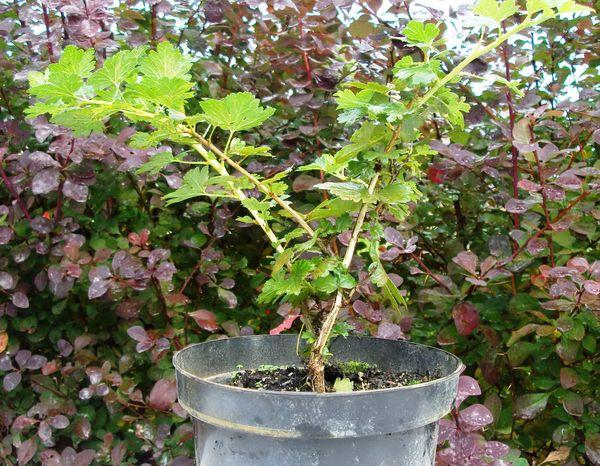
The plant can be planted in the spring, but fall planting is preferred. It is recommended to plant 1-1.5 months before the first frost. In temperate climates, the most favorable time for planting is mid- to late September.
Requirements for the location
The plant is undemanding regarding soil composition. It thrives in any type of soil, with the exception of heavy clay soil.
When choosing a planting site, consider the terrain. It's best to plant on a level or slightly elevated surface. Avoid planting in low-lying areas or areas with high groundwater levels.

Loose, fertile soil is considered ideal for this gooseberry variety. Loamy or sandy loam soil with a high organic content is best.
How to choose and prepare soil
Before planting, the bed should be thoroughly dug over. It's important to completely remove any weed roots. Leeks are especially dangerous for the plant. This weed grows quickly. Furthermore, gooseberry bushes contain many thorns, making it impossible to remove the weeds.
When digging the soil, it's recommended to add humus or compost. Apply 4-6 kilograms of fertilizer per square meter. If this isn't done, add half a bucket of organic fertilizer, 20 grams of potassium, and 60 grams of superphosphate to the planting hole.
Planting diagram
One-year-old seedlings are ideal for planting. They don't require a large hole. For gooseberries, a hole 50 centimeters deep and 40 centimeters wide is sufficient. When planting multiple crops, maintain a distance of 1.5-2 meters between them.
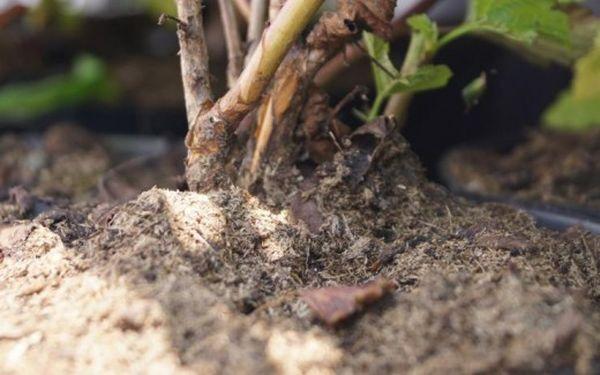
It's recommended to thoroughly moisten the bottom of the hole, then add a little soil and form a mound. Then, dip the plant's roots into the clay mixture and place it in the hole at a slight angle. Cover the soil with enough soil to bury the root collar 5-6 centimeters deep. After planting, it's recommended to trim the shoots. After this, 4-5 buds should remain.
Care instructions
The Black Negus gooseberry is highly resilient and easy to grow. However, only proper care will ensure a bountiful harvest.
Watering mode
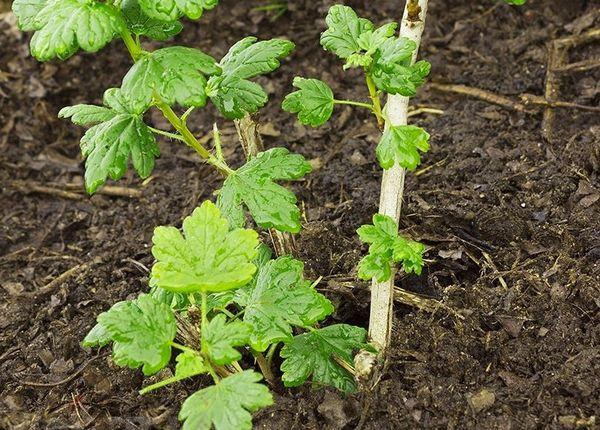
Moistening the soil is recommended only in hot weather. If there is no precipitation, water at the end of flowering. A second watering is recommended during the fruiting period. The final watering is done a month before wintering. Each bush requires 3-4 buckets of water.
Top dressing
To increase fruiting, gooseberries require regular fertilizing. Fertilizing is not necessary during the first year. The bush will receive sufficient nutrients from the planting. Subsequently, fertilize twice a year. This is recommended in spring and fall.
In early spring, fertilize the soil with ammonium nitrate or urea. 15-20 grams per square meter is required. You can also add 5-6 kilograms of humus. In the fall, apply 30 grams of superphosphate, 20 grams of potassium sulfate, and 5-6 kilograms of humus under each bush.
Protection from diseases and pests
To ensure complete protection against pests, use a hot water sprinkler. This should be done in early spring, before buds appear. To do this, pour boiling water, a third of a teaspoon of boric acid, and a small amount of potassium permanganate into a watering can. Pour a watering can of the solution onto each bush.
Trimming
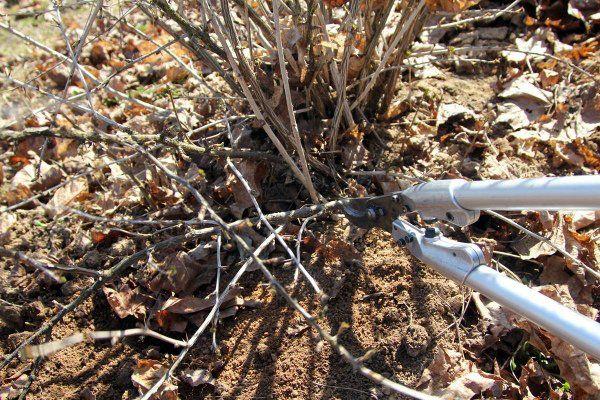
The plant grows rapidly and therefore requires periodic pruning. It's important to do this correctly.
Formation
Gooseberry bushes require proper shaping. Certain rules should be followed when shaping them.
On the trellis
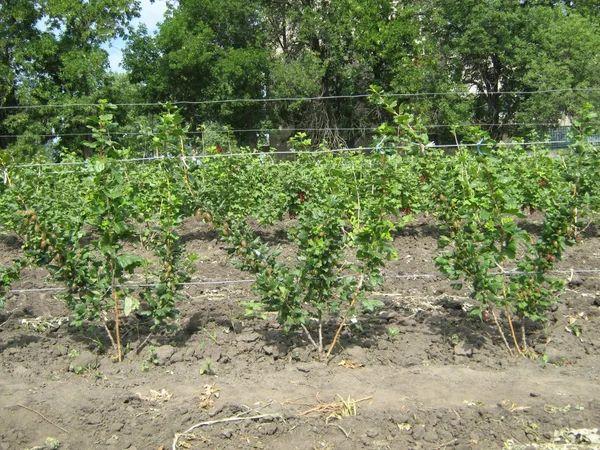
To achieve this, the bushes should be planted 1-1.5 meters from the trellis. Each plant should have at least four shoots. Arrange the branches in a fan shape and attach them to the bottom wire. It's important to avoid the plant growing chaotically.
As needed, shoots near the ground should be trimmed. In the fall, it's recommended to assess the growth and leave 3-4 of the strongest branches. It's recommended to tie these up immediately, and trim the rest.
On the trunk
This method makes plant care and harvesting easier. Initially, it is recommended to select and leave one vertical shoot. Budding of 3-5 buds is performed at a height of 1-1.5 meters. Lower buds are removed. Subsequently, gooseberries require reliable support and the formation of a spherical crown.
Hedge
This plant makes a good hedge. It's formed on a steel mesh. Young shoots should be carefully distributed over the support, with any excess branches trimmed off.
Illumination
The plant is considered relatively easy to grow, but it does require adequate light to ensure sweet berries. It's recommended to plant the bush in a sunny location. Even a little shade will cause the fruit to become small. Furthermore, the yield will be significantly reduced.
Methods of reproduction
This gooseberry variety can be propagated using various methods. The key is to strictly follow the instructions.
Layering
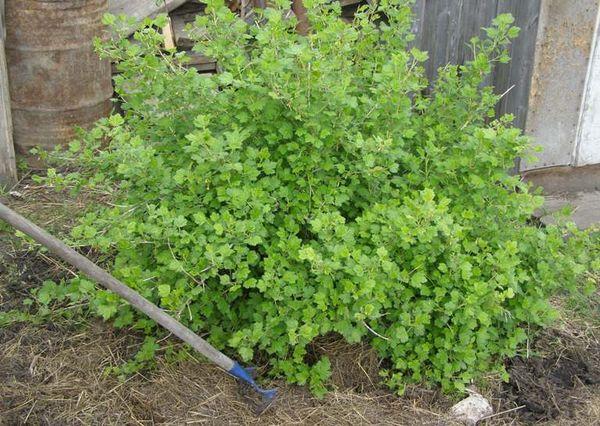
To do this, it's recommended to take a young shoot, bend it to the ground, and cover it with soil. After a while, roots will appear in the bud area. This method is considered the most effective.
shoots
To do this, it's recommended to cut off branches that have formed near the base. Then, it's recommended to root them. This method is suitable for bushes no older than 9 years.
Branches
In this case, it's important to find a well-formed branch of the gooseberry. It's recommended to separate it from the mother plant, along with a fragment of roots, and move it to a new location.
By division
This method has a rejuvenating effect. The bush must be dug up and divided into two parts. It is recommended to move the most viable fragment to a new location.
Cuttings
To do this, you need to cut off shoots from the mother plant and transplant them to a new location. With proper care, they adapt easily.
Harvesting and storage
The harvest can begin in the second half of July. From the second to fourth year, the bush produces a good harvest – up to 7 kilograms of fruit. The berries can be stored in a cool place for 3-4 weeks. They are easy to transport.
Tips and recommendations for growing
To achieve good results when growing a hybrid, it is worth following these rules:
- plant the plant correctly;
- moisten the soil in time;
- carry out pruning in a timely manner;
- Sprinkle with hot water to prevent diseases and pest attacks.
The Black Negus gooseberry is characterized by high yields and excellent flavor. This plant is popular with many gardeners. To achieve successful cultivation, it's important to strictly follow expert recommendations.
Related posts:
 Pests and diseases of gooseberries and their control using chemical and folk remedies
 Description of 36 of the best sweet and large varieties of gooseberries
 Description of the Malachite gooseberry, varieties, planting and care
 The best grape varieties for growing in the Urals, planting and care rules in summer
 Sulfur control of powdery mildew on gooseberries using folk and chemical remedies
 Methods for planting and propagating cherries at home
 22 Best Large-Fruited Gooseberry Varieties for the Moscow Region: Planting and Care
 Description of the Belarusian Sugar Gooseberry variety, planting and care instructions