
- History of selection
- Appearance of the bush and berries of the Beryl gooseberry
- Productivity
- Resistance to drought and frost
- Resistance to pathologies and pests of gooseberry Beryl
- Transportability
- Advantages and disadvantages of the Beryl variety
- Agrotechnical features of cultivation
- How to plant gooseberry Beryl
- Choosing the timing
- How to prepare the soil
- Planting scheme for gooseberry Beryl
- Beryl shrub care instructions
- Trimming
- Weeding
- Top dressing
- Irrigation
- Reproduction
- Gooseberry support
- Preparing the Beryl gooseberry for winter
- How to eliminate pathologies and harmful insects
The Beryl gooseberry is a well-known, modern variety renowned for its few thorns and resistance to diseases and beetles. The bushes produce a stable, abundant harvest. The fruit is versatile. To successfully plant gooseberries and ensure abundant fruiting, please familiarize yourself with the following characteristics.
History of selection
The Beryl gooseberry variety was developed in the 1970s by Dr. V. Ilyin. It was created through a symbiosis of the Malakhit and Samorodok varieties. The resulting variety exhibits improved performance compared to previous varieties.
Appearance of the bush and berries of the Beryl gooseberry
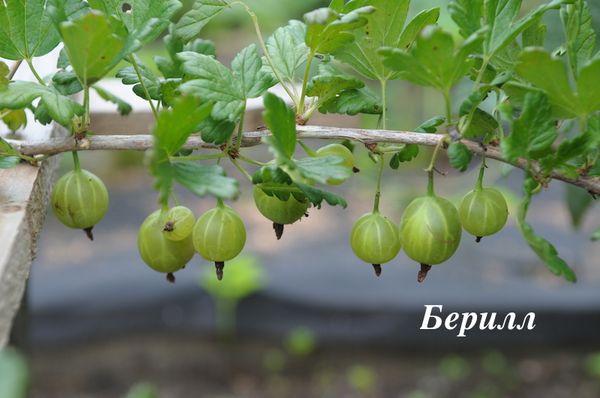
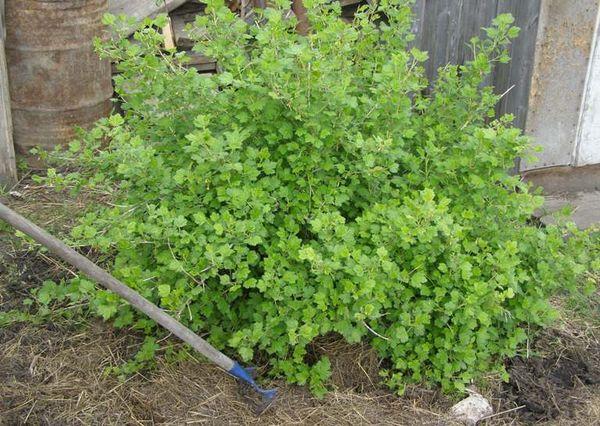
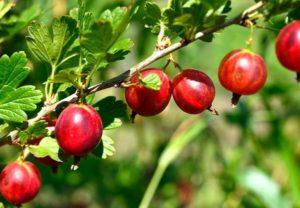
The bushes grow to medium size, slightly spreading. They have curved, slightly thick shoots, with thorns on the lower part. They are weak, solitary, and require support. The peduncles are massive, with large, barrel-shaped inflorescences. The sepals are separated and pale pink. The plant has a two-flowered inflorescence and large, green leaves. The blade is concave, veined, and five-leafed.
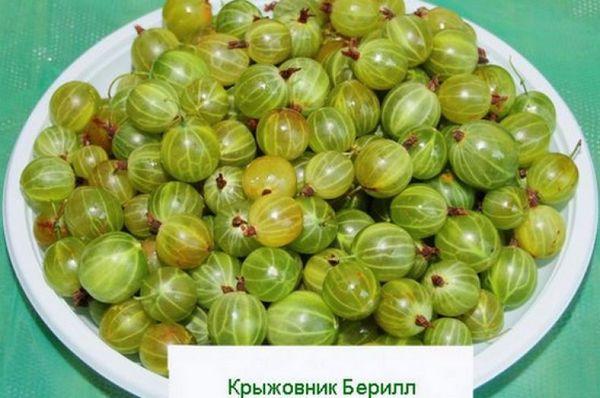
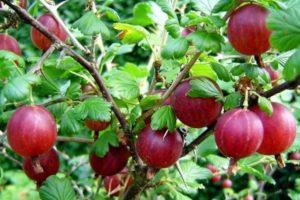
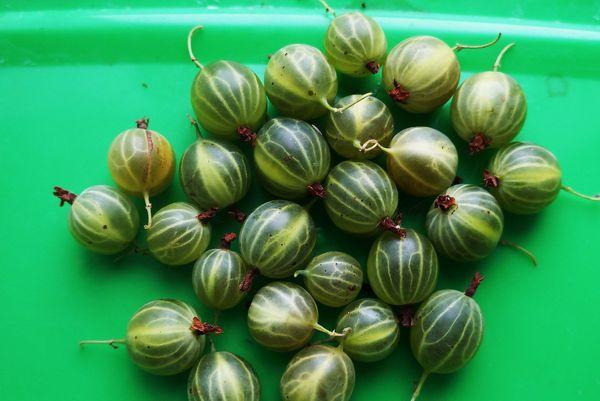
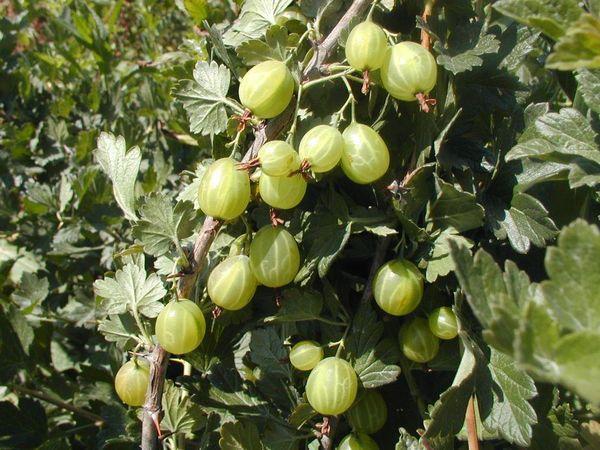
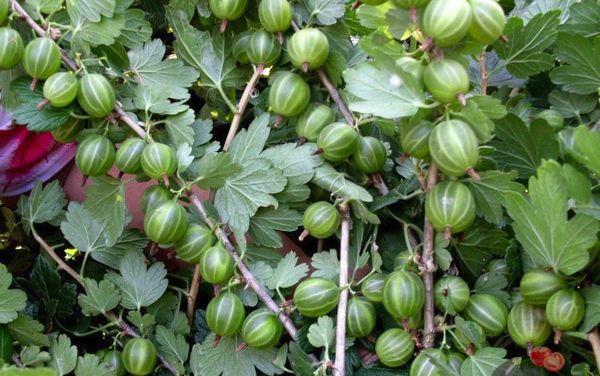
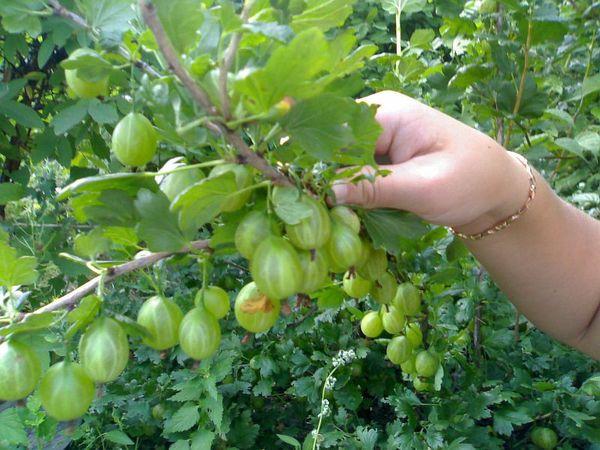
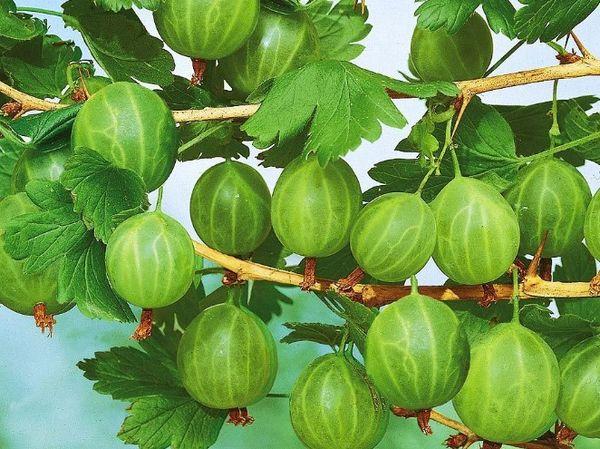
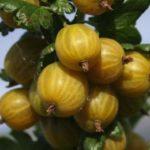
The fruits are yellow-green, weighing from 4 to 9 grams. They sometimes develop a reddish blush. Berries of the Beryl gooseberry variety grow twice as large as cherries. They have thin, hairless skin. The flesh is juicy, with a few seeds, and the stems are long. Taste testers rated the fruit 4.9 stars for its flavor.
Productivity
One mature bush can yield up to 10 kg of berries during the growing season. Harvesting begins in mid-July, as Beryl is a mid-season variety. Fruiting is stable, regardless of weather conditions. Yield depends on proper care and the age of the plant.
Resistance to drought and frost
The Beryl gooseberry variety is winter-hardy, withstanding temperatures down to -40 degrees Celsius (-40 degrees Fahrenheit) and can thrive in areas with harsh winters without shelter. The shrubs dislike dampness and are resilient to dry periods.
Resistance to pathologies and pests of gooseberry Beryl
The Beryl variety is virtually immune to diseases and bugs, provided the necessary care is provided. With preventative treatments, the immunity becomes unshakable.
Transportability
If the berries are picked unripe, they remain fresh for three days and can be transported safely. Berries picked fully ripe are less transportable and cannot be shipped long distances.
Advantages and disadvantages of the Beryl variety
The Beryl variety of gooseberry has many positive qualities, but there are also some negative aspects.
| Pros | Cons |
| The variety is self-fertile | Low resistance to septoria and pollen |
| The yield is high | Ripe berries do not transport well. |
| The berries are large and sweet | Productivity decreases with poor care |
| Unripe fruits can be transported safely | |
| The variety is frost-resistant and has strong immunity. | |
| Few thorns are formed on the bushes |
Agrotechnical features of cultivation
The Beryl gooseberry doesn't require any special conditions for germination. It can be planted in clay, loam, sandy loam, or sandy soil. Acidic, cold, or waterlogged soils should be avoided. The best yields are achieved when planted in loamy soil with a high humus content.
The variety is self-fertile and does not require other pollinators to be located nearby.
How to plant gooseberry Beryl
The location should be open and sunny. If the bushes become dense, thin them out to ensure each shoot has access to ultraviolet light and oxygen. The seedlings should be healthy, undamaged, and have well-developed rhizomes. Two hours before planting, they should be dipped in a growth-stimulating solution such as Epin or Matador. To disinfect the seedling, soak it in a weak potassium permanganate mixture for 30 minutes.
Choosing the timing
Planting should be done in March or October, before the 10th. It's important for the seedlings to take root before frost sets in. The bushes are planted vertically, with the rhizomes buried 6 cm deep.
How to prepare the soil
The soil is prepared two weeks before planting. Loosen the soil, add sand, compost, and wood ash. It's important to remove couch grass and treat the soil with insecticides and fungicides to prevent diseases and insect attacks. If planting in the fall, avoid applying fertilizer, as it stimulates the growth of bacteria and fungi, and beetles can overwinter in fertilized soil.
Planting scheme for gooseberry Beryl
Gooseberry seedlings should be planted according to the following scheme:
- dig holes 35 cm wide and 40 cm deep, compact;
- add soil mixture to the holes;
- Place the seedlings vertically, with the core deepening into the soil by 8 cm;
- After planting, trim the buds on each shoot so that no more than 5 remain;
- pour a bucket of water;
- After the moisture has been absorbed, mulch the plantings with sawdust and leaves.
Fill the bottom of the holes with a soil mixture of two buckets of compost and mineral fertilizers—30 g of superphosphate and 20 g of potassium phosphate. If the soil is heavy, add river sand, peat, and humus.

Beryl shrub care instructions
Proper care involves timely watering, loosening the soil, and fertilizing. Bushes are treated against bugs and diseases, and prepared for winter.
Trimming
Beryl gooseberry bushes are trained to prevent excessive growth of shoots. Without pruning, the plant will become overcrowded within 2-3 years. Due to nutritional deficiencies, young branches develop slowly. In the spring, before the fruiting season ends, old, deformed, and diseased plants are completely pruned.
The current year's shoots should be shortened by 1/3, leaving the four strongest basal shoots. By the time the Beryl variety reaches its peak fruiting, in its fifth year, the bush should have 18-20 shoots of varying ages.
Weeding
To ensure the Beryl gooseberry's health, the soil is loosened 4-5 times during the growing season. Remove debris and weeds. This improves soil aeration, allowing the rhizomes to receive sufficient oxygen. Careful cultivation is performed to avoid damaging the root system. Mulching is also applied to retain soil moisture.
Top dressing
The Beryl gooseberry produces vigorously in well-fertilized soil. Even when planted in rich soil, fertilized with fertilizers, it will become depleted within 2-3 years. The yield will gradually decrease.
Fertilizers for the Beryl gooseberry are applied sequentially:
- in spring, the soil around the bushes is mulched with a nutritious substrate;
- until June, nitrogen fertilization is required for the bush to develop actively;
- in July, add organic matter: mullein, chicken manure;
- after the flowering period is complete, potassium, phosphorus are added to the “diet” in the form of superphosphate and potassium phosphate, wood ash tincture, 2 feedings are required before the berries ripen;
- Before winter, the bushes are fed with 30 g of superphosphate, 20 g of potassium and magnesium phosphate.
 Enriching the soil with nutrients allows gooseberries to produce a consistent crop of berries each year, and the plant's protective properties are enhanced.
Irrigation
The Beryl gooseberry variety requires regular watering with settled water. In March, the bushes begin to grow vigorously due to the absorption of meltwater. During drought, additional irrigation is necessary, especially during the flowering and berry set periods. The final watering is done two weeks before harvest. Water the bushes at the roots; do not wet the leaves.
Reproduction
Gooseberry Beryl is propagated by cuttings, by dividing the bush, or by grafting.
- Bush division. This method is used in the fall. Gooseberry bushes are divided into sections, and they are planted according to the standard pattern in a new location.
- Cuttings. This method is practiced in the summer. Cuttings with five buds are taken from new growth. The prepared planting material is planted in the soil at a 45-degree angle.
- Layering. The technique is simple and convenient. Layers are placed in trenches dug near the trunk and secured so they can root into the soil.
- Grafting. The scion is attached to a rootstock—an older plant. Older branches are pruned, a split is made in the stump, and the scion is inserted into it.
 Regardless of the method chosen, strict adherence to the rules plays an important role.
Gooseberry support
A support structure is necessary for the formation of a compact bush and prevents branches and stems from lodging. If shoots are well supported, they will not break during heavy snowfalls or gusts of wind. Support facilitates maintenance, including mulching, watering, and weeding. Metal frames, plastic supports, and pipe supports can be used as bush supports.
Preparing the Beryl gooseberry for winter
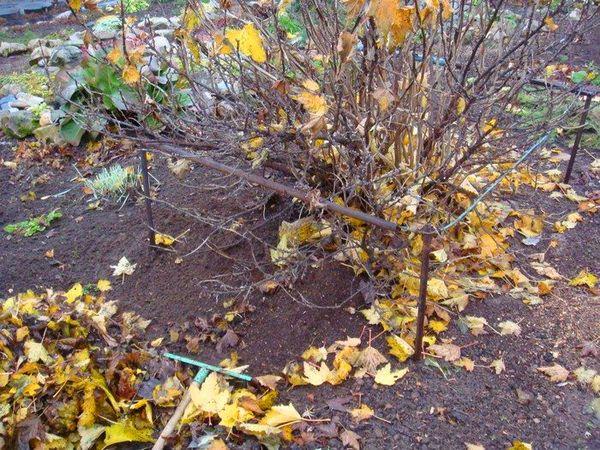
At the end of October, preparations for winter are carried out. Old leaves are collected and burned. The soil is dug up to destroy overwintering insects. During plowing, phosphorus and potassium are added, and the Beryl gooseberry is watered generously. Old shoots that are more than five years old are removed. In winter, the Beryl gooseberry bushes are bent down, pinning the branches to the ground. This will allow the plants to be covered with snow and overwinter safely.
How to eliminate pathologies and harmful insects
In rare cases, shrubs gooseberry Beryl is affected by septoriaThe disease is caused by fungi and develops as spots on leaves. As the disease progresses, the spots merge, and the leaves fall off. Dark specks form on the spots—these are fungal spores.
When they fall on the fruit, infection occurs. The disease develops rapidly, attacking the variety in wet weather. Dense plantings increase the risk of septoria. The disease also damages the harvest. To combat it, clean the plants, burn leaves, till the soil, apply fertilizer, and treat the bushes with antifungal agents such as Topaz, colloidal sulfur, Fitosporin, and Fitoverm.
Folk remedies such as copper sulfate, potassium permanganate, onion solutions, and horsetail decoction are also popular. These unconventional methods are effective in the early stages of damage to the Beryl bush by pathogens or insects.
Related posts:
 Description of 36 of the best sweet and large varieties of gooseberries
 Description of 34 best gooseberry varieties for Siberia and the Urals, cultivation techniques
 Description and characteristics of the gooseberry variety Commander, planting and care
 Pests and diseases of gooseberries and their control using chemical and folk remedies
 22 Best Large-Fruited Gooseberry Varieties for the Moscow Region: Planting and Care
 Description of the Malachite gooseberry, varieties, planting and care
 Description of the English Yellow gooseberry variety, planting and care
 Description and characteristics of the Consul gooseberry variety, planting and care