
- Regional features
- Requirements
- The best varieties
- Large-fruited
- Defender
- Candy
- Cooperator
- Leningrader
- Spring
- Prune
- Chelyabinsk
- Winter-hardy
- Beryl
- Commander
- Ural emerald
- Consul
- Belorussian
- Krasnoslavyansky
- Thornless
- Eaglet
- African
- Northern Captain
- Ural thornless
- naughty boy
- Russian
- Samurai
- Red East
- Senator
- Commander
- Black Cherkashina
- Other popular options
- Bright
- Flamingo
- Nugget
- Shershnevsky
- Lollipop
- Muromets
- Reliable
- Grushenka
- Russian yellow
- Kolobok
- The sweetest
- Chernomor
- White Nights
- Rules for choosing a variety
- Features of cultivation and care
- Recommendations for choosing deadlines
- Planting diagram
- Preparing for winter
- Watering mode
- Protection from diseases and pests
- Top dressing
- Harvesting and storage
Thanks to its incredible flavor and low-maintenance nature, gooseberries are popular among most gardeners. The development of numerous varieties specifically developed for Siberia allows for extensive gooseberry planting even in harsh climates. However, beginners may encounter some growing challenges and make mistakes at first.
Regional features
Gooseberries are grown in garden plots in the Urals, Western, and Eastern Siberia. However, to ensure a good harvest, careful selection of varieties is essential. Regionalized varieties are especially beneficial in Eastern Siberia, where winter temperatures drop below -40°C and the climate is sharply continental.
Requirements
Growing gooseberries in Siberia differs somewhat from other regions. Here, large harvests can be achieved by following a few guidelines:
- choose a variety that meets all parameters;
- select a well-lit place for the seedling;
- Carry out all necessary care operations for an adult bush in a timely manner and protect it from the winter cold.
In this case, it is possible for a weak seedling to survive and turn into a fragrant bush.
The best varieties
Regionalized gooseberry varieties with excellent berry flavor and immunity to most diseases are an excellent option for growing in Siberia.
Large-fruited
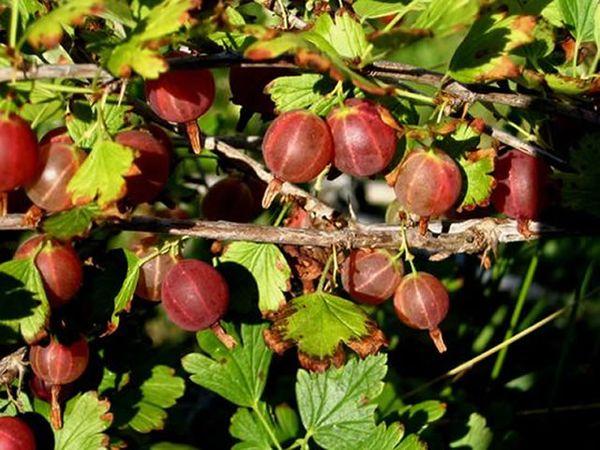
It is very convenient to pick large berries from thorny bushes, so large-fruited gooseberries are of particular interest to gardeners.
Defender
The late-ripening gooseberry "Zashchitnik" grows as a vigorous bush up to 1.8 meters tall. Thick shoots are covered with numerous triple spines and dark green leaves. It produces large black fruits weighing 4.8 g. It has a 4.4 rating on the tasting scale.
Candy
The mid-season gooseberry "Konfetny" grows as a medium-height bush with a neat, compact crown. Medium-sized thorns grow on slender shoots. Globular berries weighing 3.1 g ripen on the branches and are very sweet. This variety is winter-hardy and moderately resistant to various diseases.
Cooperator
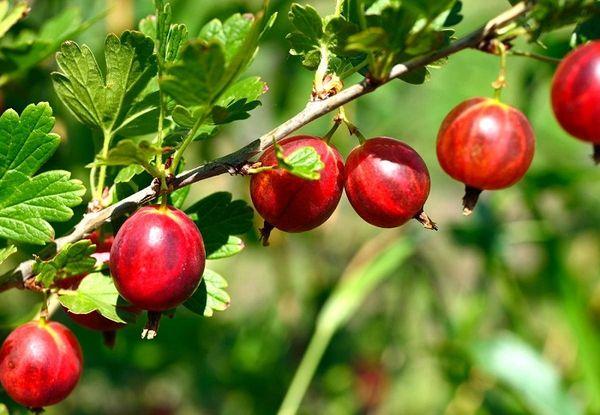
A bush with a dense but slightly spreading crown and single, low-lying thorns. It produces deep cherry-colored berries weighing an average of 8 grams, which have received a 5-star rating. The variety tolerates drought and heat well. It is often susceptible to anthracnose.
Leningrader
The low-growing Leningradets gooseberry is virtually thornless. It produces excellent yields of delicious berries, each weighing 10 grams. A single plant can yield up to 7.7 kg of fruit.
Spring
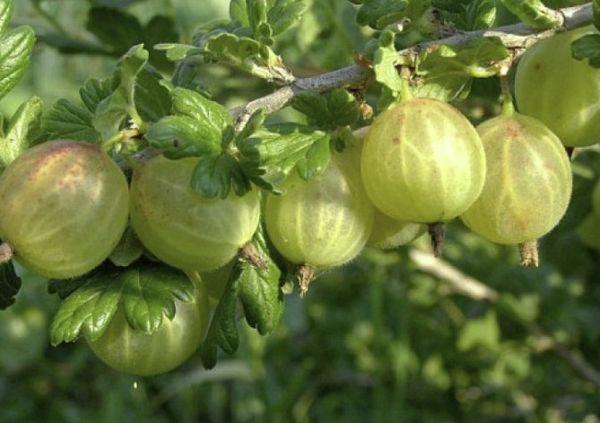
The Rodnik gooseberry tree produces its first harvest of yellowish-green berries weighing up to 6 grams at just two years of age. A mature plant is highly productive, as gardeners harvest 6.7 kg of aromatic berries annually, regardless of weather conditions. Their unique flavor makes them ideal for preserves.
Prune
The Prune Plum gooseberry grows as a medium-sized shrub with few thorns. It produces delicious, waxy-coated fruits weighing 4 grams on average. Its distinctive flavor and juicy flesh make this variety very popular among gardeners.
Take a look Also
Chelyabinsk
The Chelyabinsky variety is renowned for its high yields. It produces dark cherry fruits covered in a waxy coating. A single bush yields up to 7.5 kg of delicious berries.
Winter-hardy
Only winter-hardy gooseberry varieties that can easily survive harsh winters and recurrent frosts are suitable for Siberia.
Beryl
The Beryl variety is a medium-spreading bush with low-growing thorns. It produces fruits weighing up to 3.4 g and tolerates low temperatures well.
Commander
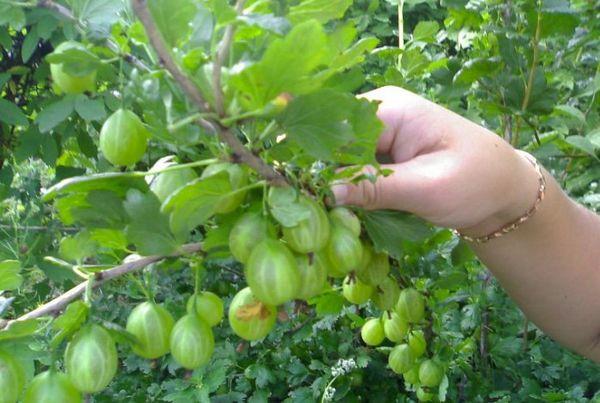
A gently spreading crown, dense branches, and a thornless appearance are the main characteristics of the Komandor variety. The bush produces sweet, red-brown berries with a low acidity, weighing 5 grams. The berries are not easily transported. A single bush yields up to 6.7 kg.
Ural emerald
The Ural Emerald variety, a medium-sized variety with a spreading crown and thick shoots, ripens very early. Thorns are evenly distributed along the entire shoot, making harvesting difficult. Its greenish berries, weighing 4.3 grams, are rated 4.9 points.
Consul
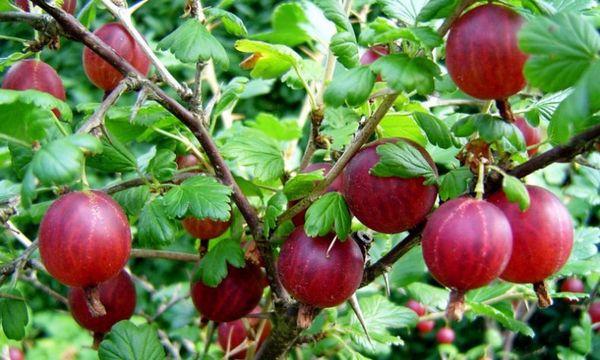
The Consul gooseberry grows up to 1.8 meters tall. It has a dense, moderately spreading crown, virtually thornless. It produces large, rich red berries with a moderate acidity, weighing 6.5 grams, which are notoriously difficult to transport. A single mature bush yields up to 6 kg annually.
Belorussian
Widely used in winemaking and nicknamed "Northern Grape," the Belarusian gooseberry is a high-yielding bush growing up to a meter tall. It produces large, thin-skinned fruits weighing 8.5 g. It boasts strong resistance to anthracnose and powdery mildew.
Krasnoslavyansky
It produces good yields of dark-red berries with juicy, general-purpose flesh, weighing 9 g. Under good ripening conditions, a single bush can often yield up to 7 kg of fruit.
Thornless
To avoid the tedious process of harvesting, gardeners prefer to plant thornless gooseberryIt differs from its prickly relatives by the minimal number of spines.
Eaglet
Thanks to its good winter hardiness, the black-fruited Orlyonok can be grown in any climate zone. It is a medium-height bush with glossy, dark green leaves. The absence of thorns makes it easy to pick the large berries that the bush produces abundantly.
African
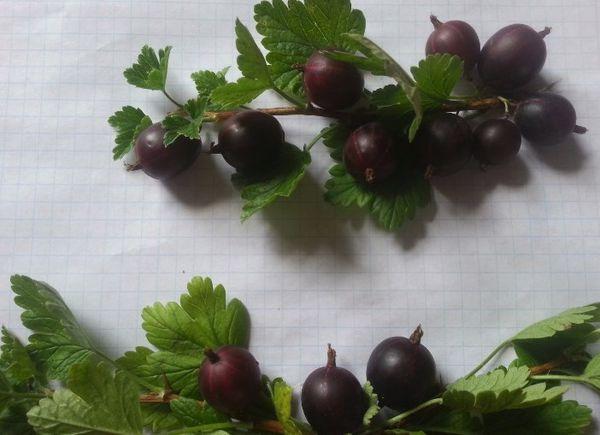
The thornless African gooseberry variety is distinguished not only by its quick ripening and flavor, but also by its good winter hardiness. It grows to no more than 1.2 meters in height and produces aromatic black berries with a subtle blackcurrant flavor.
Northern Captain
It grows into a vigorous bush with spreading branches Northern Captain gooseberryIt has sparse thorns located at the base of the bush. It produces medium-sized black berries. Once ripe, they remain on the branches for a long time and do not fall off.
Ural thornless
The vigorous Uralsky Besshny variety is known for its high yield. In favorable years, a single bush can yield up to 9 kg of large berries weighing 9 g. The flesh is sweet, very juicy, and slightly acidic.
naughty boy
The Shalun gooseberry has gained its popularity due to its thornless nature, medium ripening time, and the incredible aroma of its yellow-green berries with a moderate acidity.
Russian
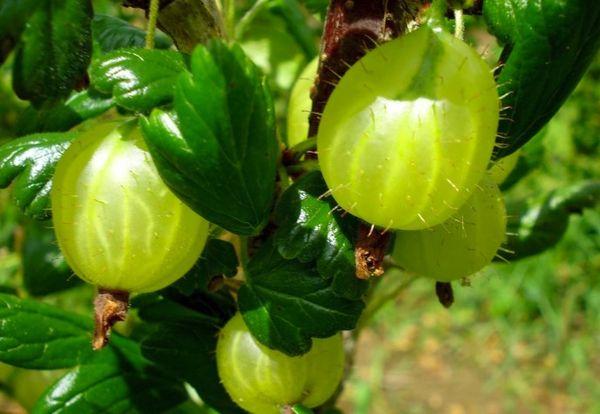
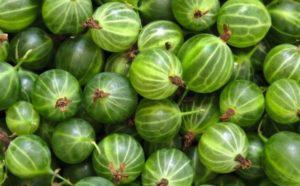
The winter-hardy Russian gooseberry is widely grown in all regions. It is resistant to powdery mildew. It produces dark-red, thick-skinned fruits with distinctive pink veins, weighing 6 grams.
Samurai
The winter-hardy Samurai rosehip tolerates prolonged droughts and heat well. With proper care and regular feeding, it produces large, rich red berries weighing 16 g. When fully ripe, the berries darken, becoming almost black.
Red East
The Krasny Vostok gooseberry is characterized by late ripening. The berries, thin-skinned and with small seeds, weigh 10 grams. This variety is easy to care for and tolerates low temperatures well. The bush is resistant to anthracnose and powdery mildew.
Senator
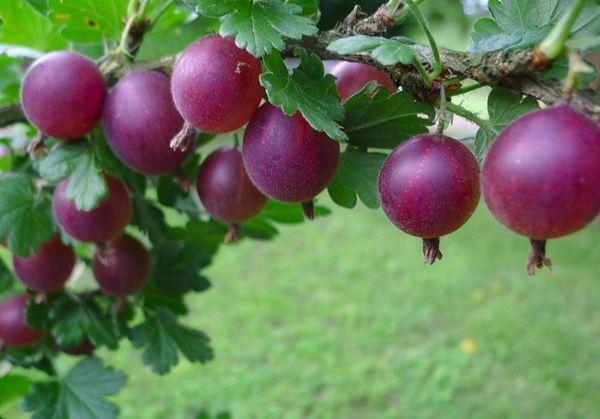
The Senator gooseberry is a vigorous bush with few shoots. It produces delicious red berries weighing 3 g and is resistant to powdery mildew.
Commander
It grows up to 1.5 meters in height gooseberry CommanderOn densely dense branches with few thorns, burgundy, almost black berries with juicy, sweet flesh ripen in late June. They average 5 g in weight. A single bush can yield up to 6 kg of fruit. The variety tolerates temperatures down to -25°C.
Black Cherkashina
The Black Cherkashina gooseberry thrives even in Siberian frosts. It produces berries weighing 2.4 g. They hold up well and don't fall off for a long time.
Other popular options
The following varieties are no less interesting for growing in suburban areas of Siberia.
Bright
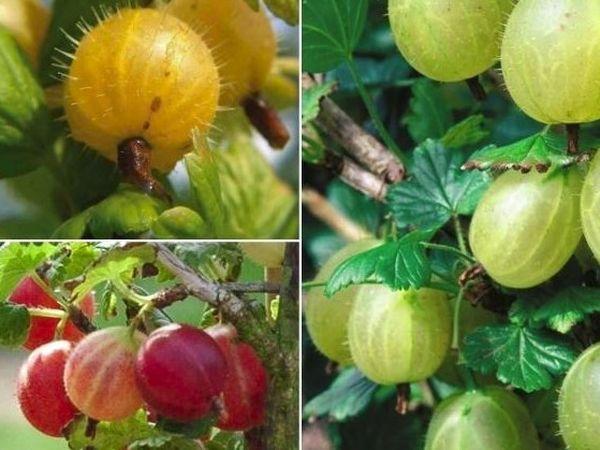
The dessert variety "Yarkiy" is a low-growing bush with a spherical crown and gently curved shoots, bearing berries that average 2.9 g in weight. In favorable years and with careful care, their weight can vary greatly and often reach 4.3 g.
Flamingo
The versatile Flamingo gooseberry grows from a small seedling into a tall bush with spreading branches and numerous light-colored thorns. It produces pink berries weighing up to 4 grams.
Nugget
The Samorodok variety produces large, amber-colored fruits weighing 5 grams and ripening very early. A single mature plant yields up to 8 kg.
Shershnevsky
The Shershnevsky gooseberry seedling grows into a vigorous bush with numerous thorns and dark green leaves. It bears dark pink berries with a matte finish and thick skin, weighing approximately 3.4 g.
Lollipop
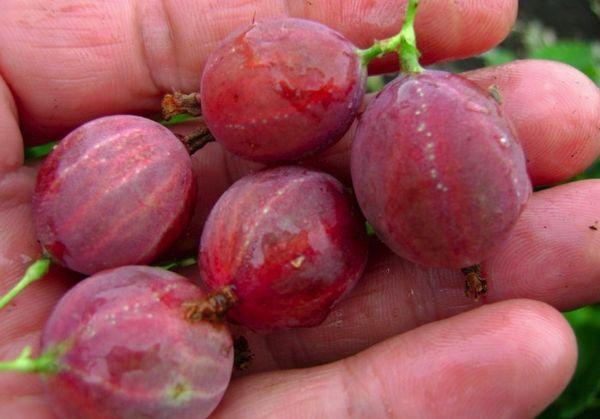
The semi-spreading crown, fine thorns, and purple berries with a waxy coating distinguish the Ledenets gooseberry from other varieties. Its branches bear small, industrial-grade berries weighing up to 3.5 g.
Muromets
The Muromets variety is distinguished by its long spines and semi-spreading crown. It produces berries weighing up to 2.6 g. A single bush yields up to 3 kg.
Reliable
The Nadezhny variety tolerates cold winters and low temperatures well. It produces small berries weighing no more than 3 g, making it a versatile choice.
Grushenka
At the end of July, the Grushenka gooseberry tree produces a harvest of delicious, dark-purple, pear-shaped berries with a slightly sour taste, weighing up to 6 g. The variety tolerates frosts down to -26 °C.
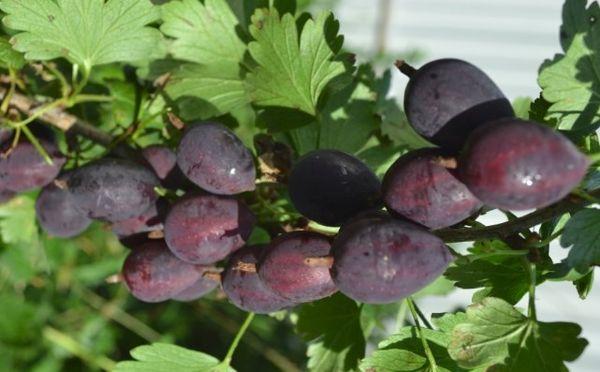
Russian yellow
Winter-hardy and resistant to powdery mildew Russian yellow gooseberryThe medium-sized bush produces large berries with a characteristic waxy coating, weighing up to 7 g.
Kolobok
The early-bearing Kolobok gooseberry produces up to 6 kg of delicious, all-purpose, dark-red berries from a single mature bush. With careful care, the berries weigh 8 g.
The sweetest
When growing gooseberries for canning and fresh consumption, the sugar content of the berries is of great importance. Let's consider zoned varieties with minimal acid content.
Chernomor
Excellent for growing in regions with long periods of low temperatures gooseberry ChernomorThis is a vigorous yet very compact bush with sparse thorns. It produces small, black berries with sweet flesh, weighing 3 grams.
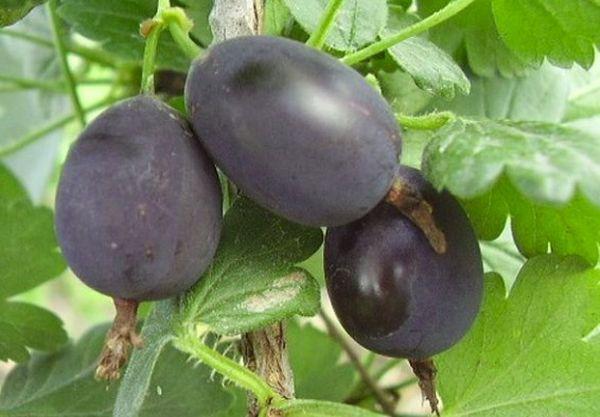
White Nights
The versatile yellow berries of the White Nights variety, weighing up to 3.4 grams, ripen very early. Harvesting them is complicated by the sharp thorns located along the entire length of the shoots.
Rules for choosing a variety
For harsh Siberian conditions, choosing the right variety is half the battle. Early varieties are best, as late varieties don't always have time to ripen. Using several plants with different ripening times will help in unfavorable years and allow you to harvest from at least one plant.
Features of cultivation and care
When growing gooseberries in Siberia, special attention must be paid to preparing them for winter, as there is a high risk of plant death in winters with little snow.
Recommendations for choosing deadlines
Gooseberries are best planted in September in soil well-saturated by autumn rains. In spring, this is best done in May.
Planting diagram
Gooseberries should be planted in well-lit areas with a groundwater level of at least 1.5 meters. Depending on the variety and soil fertility, the planting pattern should be at least 1.5 m x 2 m.
Preparing for winter
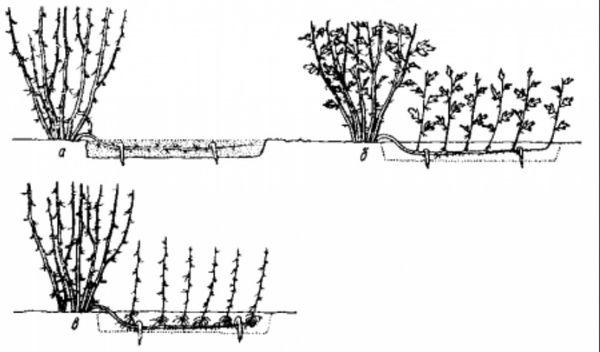
In harsh conditions, gooseberries are protected from freezing by covering them. In winter, the bush is bent down and completely buried in snow. In winters with little snow, cover material or spruce branches are used.
Watering mode
Drought-resistant gooseberries don't tolerate overwatering. They need to be watered no more than 2-3 times per season during flowering and before harvest. In the fall, the bush is saturated with moisture to prepare it for winter.
Protection from diseases and pests
In the harsh Siberian climate, gooseberries rarely suffer from diseases. Choosing varieties resistant to powdery mildew and anthracnose will help ensure a bountiful harvest each year. To protect against diseases, spray with fungicides in the spring and fall.

Top dressing
The soil beneath the bush is mulched with humus. Mulch protects the roots from freezing in winter and provides good fertilizer for the bush. In the spring, ammonium nitrate is applied to the gooseberry bush, and in the fall, superphosphate and potassium salt are added.
Harvesting and storage
The harvest doesn't begin until July. It's picked in dry weather. At temperatures around 5°C, the berries can be stored fresh for no more than five days; unripe berries can be stored for up to two weeks. After that, they need to be processed.
Selecting a zoned variety and paying close attention when preparing for winter allows you to get a good gooseberry harvest every year.
Related posts:
 Description of 36 of the best sweet and large varieties of gooseberries
 22 Best Large-Fruited Gooseberry Varieties for the Moscow Region: Planting and Care
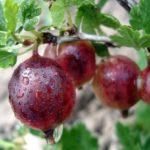 Description and characteristics of the gooseberry variety Commander, planting and care
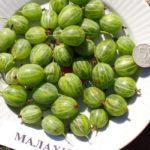 Description of the Malachite gooseberry, varieties, planting and care
 Pests and diseases of gooseberries and their control using chemical and folk remedies
 Description of the Hinnonmaki gooseberry, varieties, planting and care
 TOP 20 ways to preserve fresh gooseberries for the winter
 Description of the English Yellow gooseberry variety, planting and care