
- Collection rules
- Manually
- Mechanical method
- With a comb
- Peculiarities of preserving berries
- How to choose berries for long-term storage
- How to store properly
- Freezing
- In dried form
- Drying
- Conservation
- In room conditions
- In sugar
- Puree
- Whole berries without sugar
- Peculiarities of ripening in different regions
- Southern
- Middle zone
- Siberia and the Urals
- Some recipes for winter preparations
- Gooseberry adjika
- Mousse with oranges
- Berry jam
- Sauces
- Jelly jam
- Tips and recommendations
In summer, the abundance of fruit pampers gardeners and allows them to regularly replenish their vitamin supply. However, during the cold season, there is a severe shortage. How to properly preserve gooseberries for the winter Fresh berries, so you can enjoy these healthy berries later? Over the years, several techniques have been developed and accumulated that allow you not only to preserve the harvest but also to preserve its vitamin reserves.
Collection rules
To ensure that the harvest is stored well and accumulates the maximum amount of nutrients, it must be harvested according to certain rules and methods.
Manually
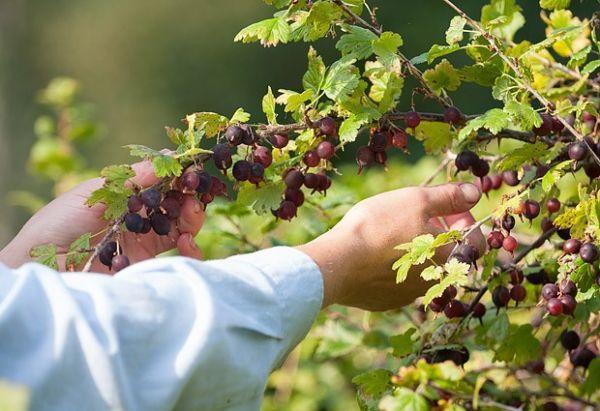
Hand-picking gooseberries is not a pleasant experience, as the bushes are thorny. The only exception is thornless varieties, which are less likely to scratch you. Otherwise, prepare appropriate clothing (long-sleeved shirt, denim jacket, gloves) beforehand. Safety precautions must be observed during the work. Although manual gooseberry picking is the most labor-intensive method, it does allow the berries to retain their commercial quality, integrity, and beneficial properties.
Mechanical method
The advantages of this method of harvesting are:
- safety for the assembler;
- convenience;
- speed.
The principle of this method is to create a mechanical vibration effect on the bush. First, lay a sheet of plastic or fabric on the ground beneath the bush, then install and turn on the vibration device.
Among the disadvantages of mechanical harvesting, gardeners point out that along with the ripe berries, green berries, leaves, and small debris fall off. Subsequently, a significant amount of time is required to sort the gooseberries.
With a comb
A thimble-shaped device with teeth spaced 1 cm apart can be purchased at gardening stores or made yourself using plastic and wire. While working, hold the bush branch with one hand and comb it with a comb with the other. The harvested gooseberries also need to be sorted.
Peculiarities of preserving berries
Harvested gooseberries can be stored in a cool place for several days without any additional treatment. However, after harvesting, gardeners aim to preserve the berries for longer. This requires thoroughly drying them to remove any water particles from the skins.
This procedure prevents the fruit from rotting and spoiling. To dry gooseberries, they are spread out in a thin layer in a well-ventilated, cool room for no more than a couple of days.
Harvesting for storage is done in the first half of the day. By this time, the dew should have disappeared. It is preferable to freeze fruits with thick skin.Before harvesting, the berries must be cleared of any excess debris.
How to choose berries for long-term storage
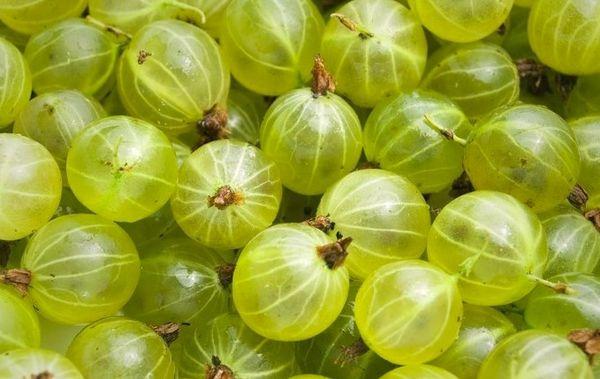
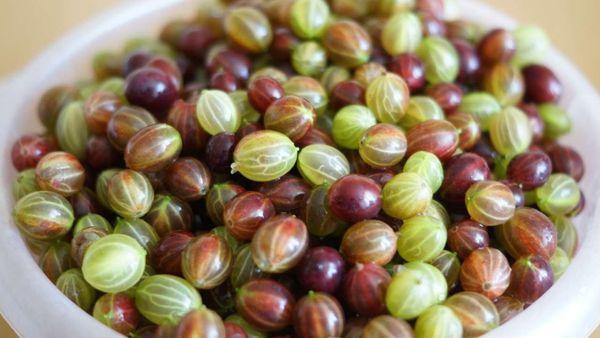
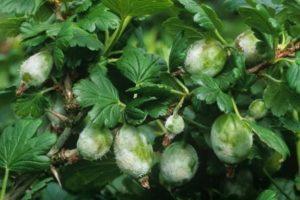
For harvesting, select ripe, but not overripe, fruits. It's important to note that ripe gooseberries can be red, yellow, or even green. The degree of ripeness is determined by the spots that form. Varieties with light or green skin are the most valuable. Select only firm, uncracked, and undamaged fruits.
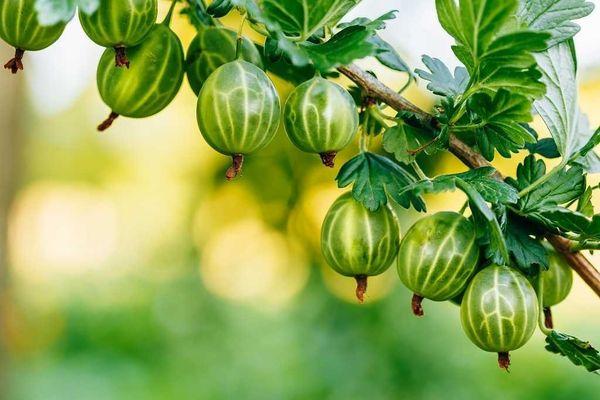
Gooseberries that remain firm when pressed but have characteristic ripeness spots are ideal for storage. However, the stems should not be removed.
How to store properly
There are several proven methods for preserving gooseberries for the winter and enjoying the healthy fruits later. Each method has its own advantages.
Freezing
The easiest way to preserve fresh berries until winter is in the freezer. This ensures maximum preservation of all the vitamins and nutrients, as the harvest is frozen without cooking. The berries are sorted, sorted, and any spoiled ones removed beforehand. After defrosting, gooseberries are used both for direct consumption and in various culinary creations.
In dried form
Only ripe and whole gooseberries can be dried. First, wash them, remove the stems and stalks, and heat them over a double boiler for a few minutes. Then, spread them in a thin layer on a baking sheet and place them in the oven. Initially, set the temperature at 30°C, then increase it to 70°C after 10 minutes.
It's best to leave the oven open while drying to allow excess moisture to evaporate quickly. Stir the gooseberries occasionally. The drying process lasts approximately 7 hours, after which the berries are transferred to paper or cloth bags and stored in a dry, dark place. They have a shelf life of 2 years.
Drying
For drying, select green gooseberries. They are pre-prepared, then cut, placed in an enamel or glass container, sprinkled with sugar, and left in a cool place for 12 hours.
After this, the extracted juice is drained, and the berries themselves are heated in a steamer to a temperature of 85°C. They are then spread out in a thin layer on a baking sheet and dried in the oven. The finished product is placed in a glass container and tightly covered. The drained juice is boiled and preserved for the winter.
Conservation
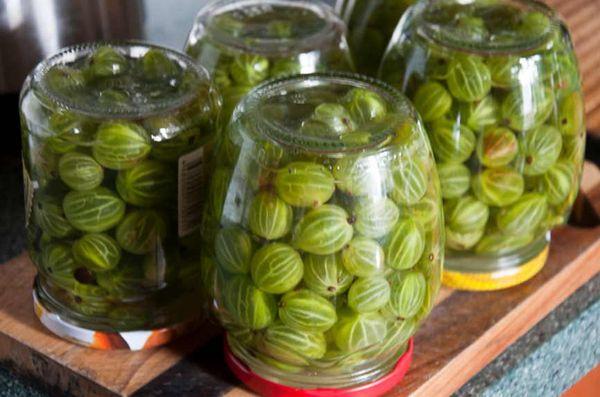
Preserving is perhaps the most popular way to preserve gooseberries for the winter. Homemakers know a variety of methods, and each can customize them to suit their tastes by adding various ingredients. For a simple preserving method, you'll need:
- gooseberries - 1000 g;
- granulated sugar - 200 g.
Two-thirds of the gooseberries are pricked and placed in a prepared glass container up to the shoulders. The remaining gooseberries are mixed with sugar, a little water is added, and the mixture is placed over the stove. When the berries are soft, they are pressed through a sieve or colander and poured into filled jars. After this, the mixture is sterilized and canned.
In room conditions
Without drying or freezing, gooseberries retain their quality for about 5 days. However, unripe fruits can be stored almost twice as long. For this purpose, they are stored in a container with a capacity of up to 5 liters.
In sugar
If you don't want to store pureed or ground gooseberries, you can simply wash the berries, let them dry, then transfer them to a saucepan and sprinkle with sugar (at a ratio of 0.4 kg of sugar per 1 kg of berries). Mix everything together, pour into plastic containers, and then freeze.
Puree
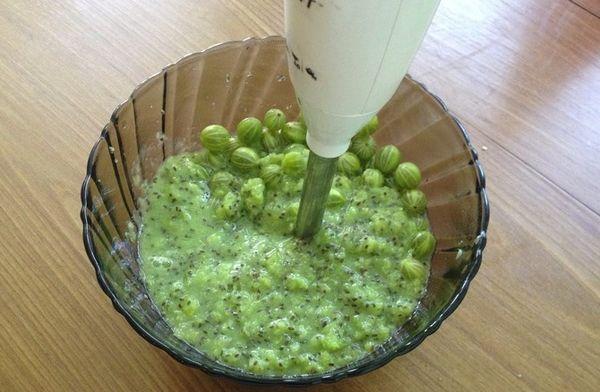
Freezing gooseberries as a puree is very convenient. To do this, select overripe berries with thin skins, wash them, remove the stems, and puree them in a blender. Add sugar to the resulting puree at a rate of 0.35 kg per 1 kg of fruit, mix thoroughly, transfer to glass containers, and freeze.
Whole berries without sugar
Before storing, wash and dry the gooseberries. Line a tray with parchment paper and spread the prepared gooseberries on it in a thin layer. Place the tray in the freezer for a few hours, then remove and package the gooseberries in bags. Store in the refrigerator (specifically, the freezer) for up to 6 months.
Peculiarities of ripening in different regions
Depending on climate conditions and the gooseberry variety grown, harvest times vary. Gardeners should take these factors into account when harvesting gooseberries for the winter.
Southern
The warm southern climate allows for early gooseberry harvests as early as the first half of June. Other varieties ripen around mid- to late June. Absolutely all varieties of this plant are suitable for cultivation in this region.
Middle zone
In temperate climates, harvest ripening is delayed by a couple of weeks. The earliest varieties produce ripe fruit by mid-June. Almost all gooseberry varieties can be grown in this region.
Siberia and the Urals
The harsh climate of the Urals and Siberia allows gardeners to cultivate exceptionally frost-hardy gooseberry varieties, which can withstand winter temperatures down to -20°C without additional cover. Their distinctive features include early fruiting and late ripening. Harvesting begins towards the end of July or even early August. Within two weeks, the bush finishes bearing fruit.
Some recipes for winter preparations
Gooseberries are harvested for the winter not only fresh but also canned. A wide variety of recipes and techniques exist to satisfy even the most discerning palates.
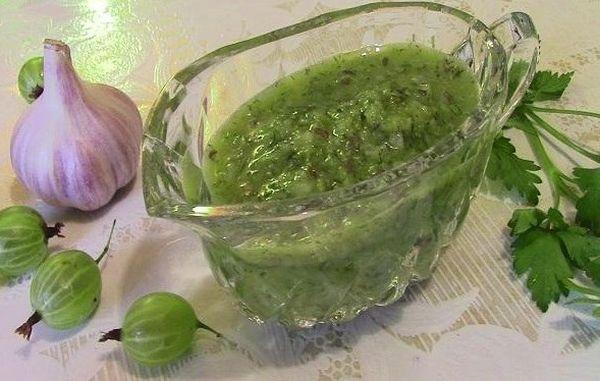
Gooseberry adjika
This unusual gooseberry adjika is prepared using the following ingredients:
- green fruits - 1000 g;
- table salt - 1 tbsp;
- garlic - 300 g;
- coriander seeds - 1 tsp;
- hot pepper - 10 pcs.
Rinse all ingredients under running water, grind them using a meat grinder, and mix thoroughly. Then, place them in a small glass container and refrigerate for storage.
Mousse with oranges
This delicious delicacy is prepared from the following ingredients:
- oranges - 2 pcs.;
- sugar - 1500 g;
- gooseberries of any variety - 1000 g.
Wash and sort the gooseberries, pour boiling water over the oranges, and cut into pieces. Then, mince or blend all ingredients, add sugar, and mix thoroughly. Pour the finished product into jars and store in the refrigerator.
Berry jam
To prepare this original delicacy you will need:
- gooseberries - 1 kg;
- clean water - 1 l;
- granulated sugar - 1 kg.

Sort and rinse the gooseberries, sprinkle with sugar, and pour in water. Place the container on the stove and bring to a boil. Allow the jam to cool and then refrigerate for 24 hours. Return the container to the stove and bring to a boil, then cool and return to the refrigerator. Repeat this process for a week. This process releases pectin, and the syrup turns into a beautiful jelly. This method preserves the fruit intact and beautiful.
Sauces
Modern cuisine boasts not only a wealth of gooseberry-based desserts, but also homemade sauces for meat, fish, and other dishes. To make a delicious garlic sauce, you'll need:
- gooseberries - 1 kg;
- fresh dill - 1 bunch;
- garlic cloves - 0.3 kg.
All ingredients are ground using a meat grinder and salted. The resulting mixture is placed into jars and refrigerated.

The famous tkemali sauce, made with gooseberries, is no less delicious and original. It's best made with sour varieties. To prepare, you'll need:
- berries - 1 kg;
- fresh herbs (parsley, basil, cilantro, dill) - to taste;
- garlic - 6 cloves;
- red pepper - 2 pcs.
Prepare the gooseberries by covering them with water, placing them on the stove, and cooking until soft. Then, strain them through a sieve, add pepper, herbs, and garlic, cook for another 15 minutes, and then can.
Jelly jam
Delicious and beautiful jam is prepared from the following ingredients:
- firm gooseberries - 1000 g;
- granulated sugar - 175 g;
- clean water - 1 glass;
- vanilla - 1 stick;
- gelatin - 1 pack (100 g).

The berries are carefully sorted and washed. Water is added to the sugar and the mixture is placed on the stove. When the mixture is smooth, the berries are added and simmered for 15 minutes. Allow the mixture to cool, then vanilla and dissolved gelatin are added, and the pot is returned to the stove. The hot jam is poured into the prepared containers and preserved.
Tips and recommendations
The shelf life of fresh gooseberries is not very long, so gardeners strive to extend it and preserve these healthy berries for future use. To do this, they should be picked in dry weather and immediately after the morning dew has cleared.
If you plan to freeze the berries or store them fresh without heat treatment, you should select unripe specimens with firm skin. But for making jam, it is better to use well-ripened or even slightly overripe fruits.
Related posts:
 Description of 36 of the best sweet and large varieties of gooseberries
 Pests and diseases of gooseberries and their control using chemical and folk remedies
 Description of 34 best gooseberry varieties for Siberia and the Urals, cultivation techniques
 Description and characteristics of the gooseberry variety Commander, planting and care
 When and how to properly pick gooseberries with your own hands to avoid getting pricked
 Description of the English Yellow gooseberry variety, planting and care
 22 Best Large-Fruited Gooseberry Varieties for the Moscow Region: Planting and Care
 Description of the Malachite gooseberry, varieties, planting and care