
- Specifics of harvesting berries for the winter
- Selecting and preparing the main ingredients
- What kind of container is suitable for rolling?
- Delicious gooseberry recipes for the winter
- Classic sugar-free jam
- Raw jam
- Berry compote
- Aromatic sauce
- Preparing jelly for the winter
- Pickling the gooseberry harvest
- Cooking spicy adjika
- Tincture
- Paste
- Chutney
- Frozen puree
- Delicate gooseberry jam
- Duration and storage conditions of blanks
The variety of gooseberry preserves is astonishing—the fruits are used to make jams, jellies, drinks, and spices for dishes. Gooseberries retain their appearance, nutritional value, and flavor for a long time. They can be frozen, canned, dried, processed, and are also delicious eaten fresh.
Specifics of harvesting berries for the winter
Gooseberries differ from other berries in several ways. Beneath the skin is a gelatinous mass rather than a dense pulp. The berries can be used to make a wide variety of preserves, taking into account the following characteristics:
- Berries have a delicate aroma, and it's important to preserve it during cooking. Adding citric acid, orange juice, or kiwi juice helps preserve the natural flavor.
- When preparing gooseberries with a delicate flavor, it is not recommended to use strong spices. Combinations with mint, vanilla, and cardamom are considered successful.
- For winter preserves, you can use any variety of gooseberry, regardless of cultivar or skin color. The most important requirement is ripeness, as this determines the sufficiency of vitamins, sugar, and gelling agent.
Selecting and preparing the main ingredients
Before cooking, you need to sort through the fruit and remove any unripe specimens, as they will add excess acidity to the finished product, requiring additional sweetening.
It is also recommended to discard deformed and darkened fruits.
Gooseberries of green, yellow, and reddish colors can be used for preserves. Before processing, remove the stems and trim off any remaining dried corollas. If you plan to strain the berry mixture during cooking, simply rinse the fruit thoroughly and leave the stems on.
What kind of container is suitable for rolling?
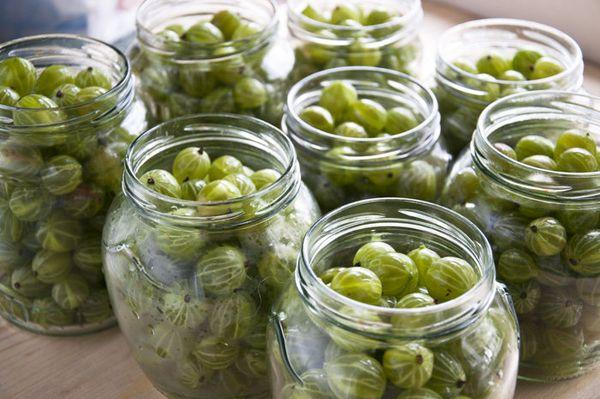
To preserve gooseberries, prepare glass jars. The jars are first sterilized by heating them in water to a temperature of 60-80 degrees Celsius. Oven sterilization is also possible.
Take a look Also
Delicious gooseberry recipes for the winter
Homemakers have a wide variety of gooseberry recipes for winter preserves. At home, you can prepare the berries with additional ingredients to add variety to the traditional flavor. When considering how to preserve your gooseberries, it's recommended to familiarize yourself with the best recipes.
Classic sugar-free jam
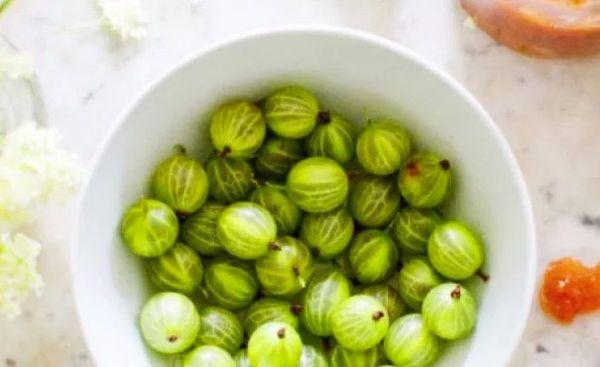
The basic jam recipe doesn't require sugar. To make the jam, follow these steps:
- Wash the berries, remove the stems and tassels.
- Place a cotton towel on the bottom of the pan, add water, and place the glass jars inside. Fill the jars almost to the top with berries.
- While boiling, be careful not to let any boiling water get inside the jars. After boiling, simmer for 30 minutes on high heat and then for about 1 hour on low heat.
- The berries will gradually begin to release juice, and as they cook down, you need to transfer them to one jar, and add new fruits to the others.
- The first container with the finished jam is removed from the pan and sealed tightly with a lid. The remaining containers are then sealed in the same manner once the jam is ready.
- Turn the jars of jam upside down, cover with a cloth, and let them cool. Then transfer them to the refrigerator or another cool place.
Raw jam
The ability to prepare the mixture without cooking significantly reduces time. All selected berries are divided into several portions and gradually ground in a blender. It is recommended to blend the berries as finely as possible.
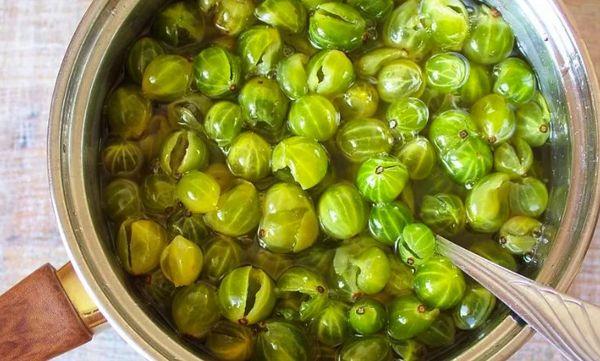
Pour the resulting mixture into a deep container and sprinkle with sugar. Mix the ingredients thoroughly to ensure all the sugar dissolves. Then, pour the raw jam into sterilized containers and store. Alternatively, you can consume the product immediately after preparation.
Berry compote
Gooseberry compote can be prepared using several recipes.
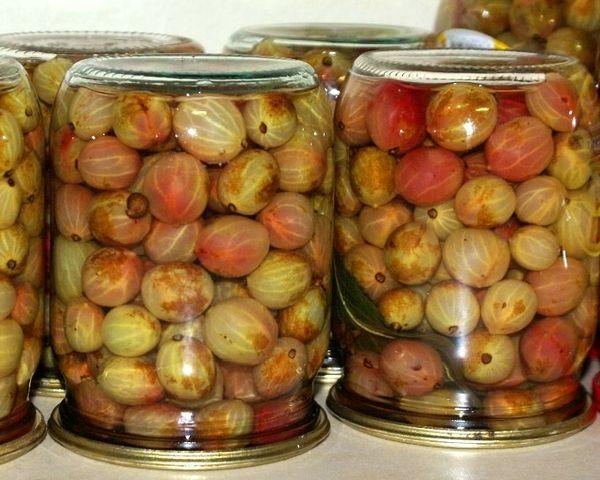
The following is considered the simplest:
- The berries are sorted, using only whole specimens for compote.
- In a saucepan, mix water and sugar and bring the mixture to a boil.
- When the water boils, add the gooseberries and continue cooking for 5-7 minutes. To help the berries retain their shape, you can pierce them with a needle.
- After cooking, remove the pan from the stove and let the compote cool. Optionally, strain the drink or seal it in sterilized containers along with the fruit.
Take a look Also
Aromatic sauce
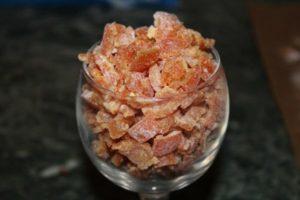
To make the sauce, first sauté chopped onions and garlic in a frying pan with heated oil. After 20 minutes of simmering, add gooseberries, salt, and cane sugar. Stir the ingredients and continue cooking for 10 minutes. Finally, add ginger, curry, raisins, and vinegar to taste. Simmer the sauce until it thickens, then pour into glass bottles.
Preparing jelly for the winter
The berries selected for the jelly are ground in a meat grinder to obtain a smooth consistency. The berry mixture is then pressed through a sieve to extract the juice. Sugar is added to the liquid and brought to a boil on the stovetop, then allowed to cool. The finished jelly is placed in sterilized jars and stored in the refrigerator. The natural pectin will thicken the mixture over time, even without the addition of gelatin.
Pickling the gooseberry harvest
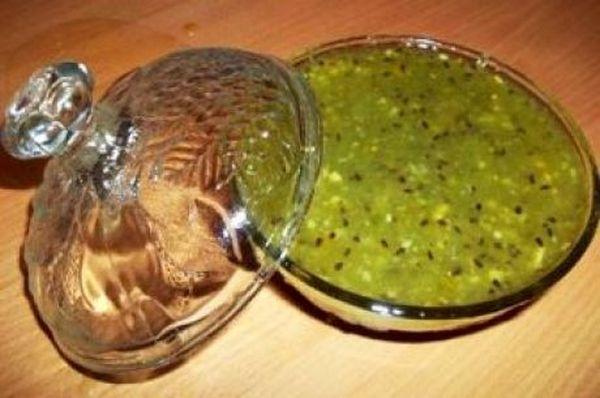
This recipe calls for pre-boiling the marinade. To do this, pour water into a saucepan, dissolve sugar and ground pepper, and bring to a boil. Place the washed berries, pierced with a toothpick or needle, into sterilized jars, add a little vinegar, and pour in the marinade. Seal the jars with airtight lids and let them cool.
Cooking spicy adjika
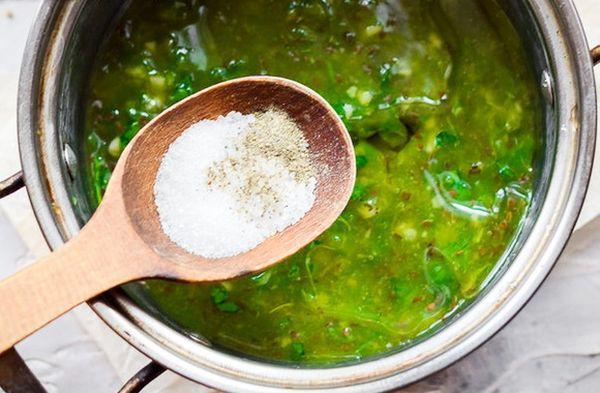
Adjika is prepared with the addition of various spices and herbs. The following ingredients are required, among others:
- 1 kg of washed berries without stems;
- 3-4 hot pepper pods;
- a teaspoon of ground coriander and fine salt;
- 10-15 cloves of garlic;
- a pinch of cloves, ground cinnamon and cardamom.
All ingredients are processed in a meat grinder. The resulting mixture is additionally salted to taste and mixed.
Tincture
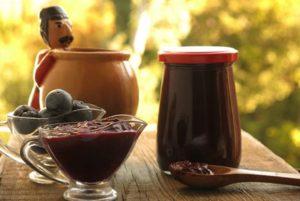
This alcoholic infusion is perfect as an aperitif before various dishes. To prepare the drink, place the berries in sterilized jars, pour vodka, and add sugar. The jars are sealed, shaken, and left to infuse for 1.5 months, shaking occasionally. After this period, the drink is filtered and bottled for storage.
Paste
Pastila is made by whipping gooseberries, sugar, and egg whites. Fruit can be added to the recipe if desired. The blended mixture is baked in the oven and then cut into wedges.
Chutney
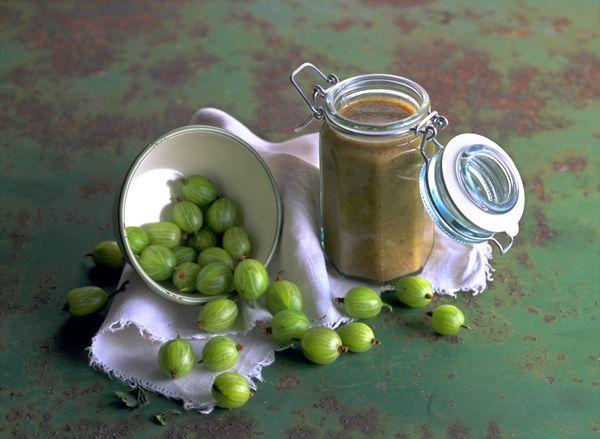
Chutney is used as an alternative to traditional sauce. It's made by simmering gooseberries, onions, garlic, and ginger root in a saucepan. Apple cider vinegar, pepper, salt, and sugar are added to taste. The ingredients are simmered over low heat for 2-2.5 hours.
Frozen puree
Soft berries are best preserved frozen in a pureed state. To do this, puree the gooseberries in a blender and place them in ice cube trays. Once frozen, transfer them to bags.
Delicate gooseberry jam
The jam is made only from ripe gooseberries. First, the berries are thoroughly washed and placed in a saucepan with water. After boiling, the fruit is simmered for 10 minutes, after which the cooked gooseberries are strained through a sieve.
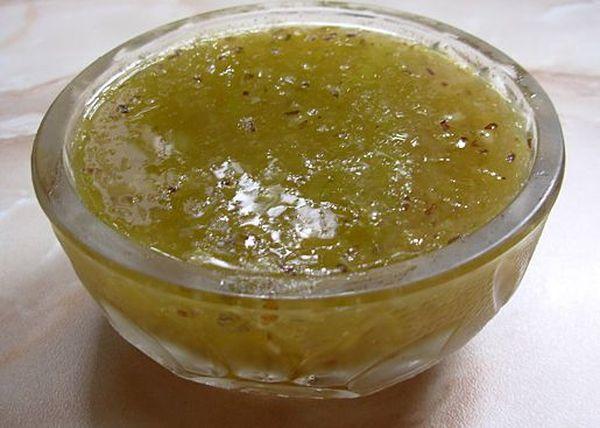
The remaining juice is squeezed out of the mashed berries, and the resulting liquid is simmered with sugar for half an hour over low heat. The mixture is cooled, and the simmering cycle is repeated. The finished jam is poured into sterilized containers and tightly sealed.
Duration and storage conditions of blanks
Any gooseberry preparation can be stored for 1-3 years. To extend the storage period, you need to place the containers with the preparations in a dry and cool place. It is best to store the preparations in the refrigerator, a dark cupboard or a cellar.
Related posts:
 Description of 36 of the best sweet and large varieties of gooseberries
 Description of 34 best gooseberry varieties for Siberia and the Urals, cultivation techniques
 Pests and diseases of gooseberries and their control using chemical and folk remedies
 Description and characteristics of the gooseberry variety Commander, planting and care
 TOP 20 ways to preserve fresh gooseberries for the winter
 Description of the Malachite gooseberry, varieties, planting and care
 Description of the English Yellow gooseberry variety, planting and care
 22 Best Large-Fruited Gooseberry Varieties for the Moscow Region: Planting and Care