
- History of selection
- Description and characteristics
- Precocity
- Ripening period
- Productivity
- Self-fertility
- Immunity
- Drought resistance
- Winter hardiness
- Transportability
- How to plant
- Choosing a location
- Deadlines
- Soil requirements
- How to prepare the soil
- Planting diagram
- Care instructions
- Watering
- Top dressing
- Trimming
- Thinning
- Sanitary
- Formative
- Rejuvenating
- Protection from diseases and pests
- Preparing for winter
- Reproduction
- Layering
- Cuttings
- Advantages and disadvantages of the variety
- Harvesting and storage
- Application areas
Gooseberries are tasty and healthy, so gardeners are eager to plant them in their gardens. The bushes are often affected by powdery mildew, making them difficult to grow. Breeders have developed the "Northern Captain" gooseberry variety, which is resistant to this disease. Furthermore, the plants are easy to care for and undemanding. Below is information on growing this variety, care instructions, propagation, harvesting, and storage.
History of selection
The Northern Captain gooseberry is a product of Russian breeders. It was created by crossing two varieties: Pink 2 and No. 310-24. The variety was added to the State Register of Russia in 2007. It is recommended primarily for cultivation in the Northwest region.
Description and characteristics
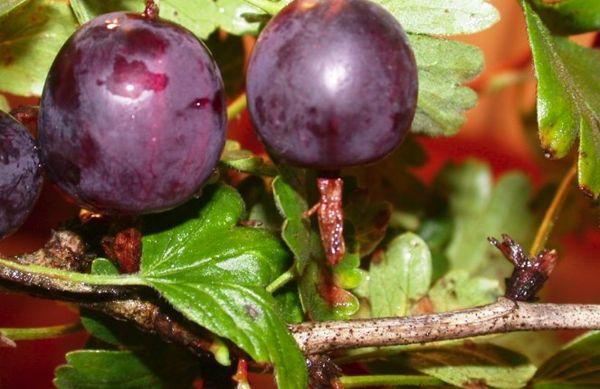
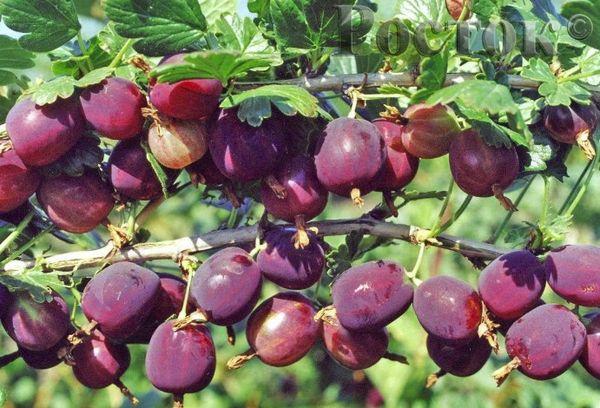
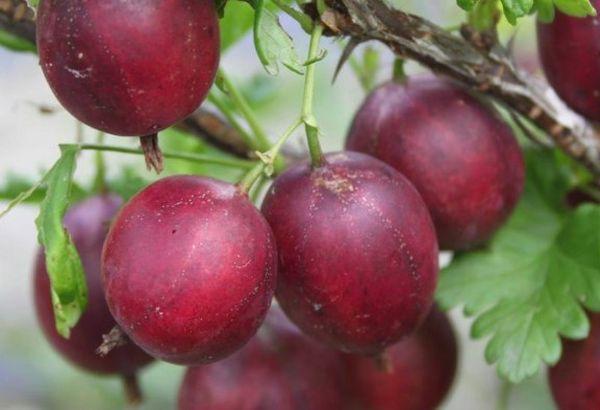
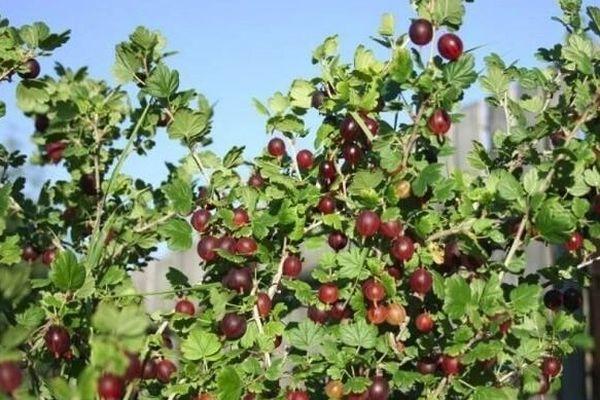
The Northern Captain gooseberry is vigorous and medium-spreading. The shoots have sparsely spaced thorns. The fruits are dark burgundy, almost black, and covered with a waxy coating.
Additional information: One of the beneficial properties of gooseberries is their ability to cleanse the body of heavy metals.
Precocity
This variety is early-bearing; with proper care, the harvest can be reaped as early as the second year after planting. During this period, the bush produces about a kilogram of tasty and nutritious fruits. They weigh up to 4 grams, are dark burgundy in color, and slightly elongated in shape.
Ripening period
In terms of ripening time, this gooseberry is classified as a mid-late berry variety. It blooms in late April or early May. The berries ripen beginning in mid-July. They can hang on the vines for a long time without falling off.
Productivity
A mature bush yields 2.5-4 kilograms of berries. Yield depends on weather conditions and the quality of plant care. The berries are sweet and sour in taste and contain high amounts of vitamin C and other nutrients. With proper crown formation, this variety can bear fruit for 20 years.
Self-fertility
The Northern Captain gooseberry is self-fertile. It doesn't require pollinators. However, growing other varieties nearby increases its yield.
Immunity
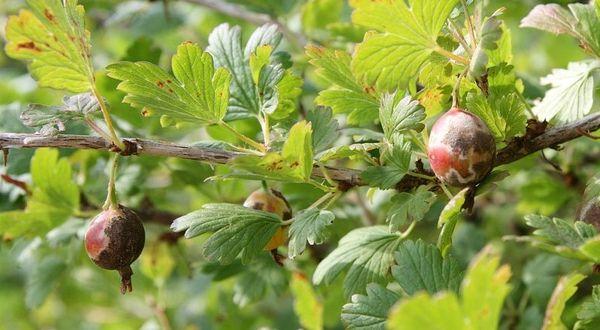
The variety has good disease and pest resistance. It is not susceptible to powdery mildew, but anthracnose and septoria leaf spot occasionally occur, primarily due to gardener errors during plant care. Severny Kapitan is resistant to the main gooseberry pests—sawflies and moths.
Take a look Also
Drought resistance
The variety tolerates short periods of drought well. However, if there is no rain for a month, the gooseberry's leaves begin to dry out, and the berries lose their turgor. They become limp, losing their flavor and aroma.
Winter hardiness
The Northern Captain gooseberry was bred specifically for northern regions. It can withstand temperatures as low as -30°C without damage. Even after a frost, the plantings quickly recover.
Transportability
The berries have a dense, crack-resistant skin. This quality allows them to withstand long transportation. If placed in a thin layer in a container, they will remain fresh for 5-6 days.
How to plant
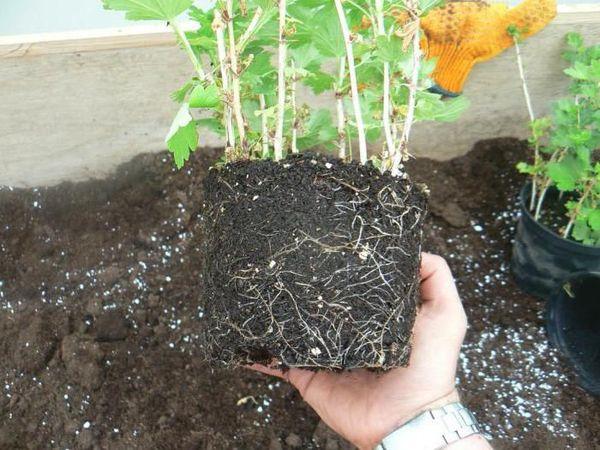
Select a quality seedling from a garden center; it should be at least two years old. A healthy shrub has flexible shoots and woody roots. If the root system has dried out during transportation, soak it in a bucket of water overnight.
Choosing a location
Plant the Northern Captain gooseberry in a sunny location. Planting it along a wall or fence will have a beneficial effect on its growth. The fence will protect the bushes from cold winds.
Deadlines
It's best to plant the crop in the fall, about a month before the onset of cold weather. In the northern zone, gooseberries are best planted in the spring, after the weather warms up. This way, the seedlings will have time to establish themselves before the onset of winter frosts.
Soil requirements
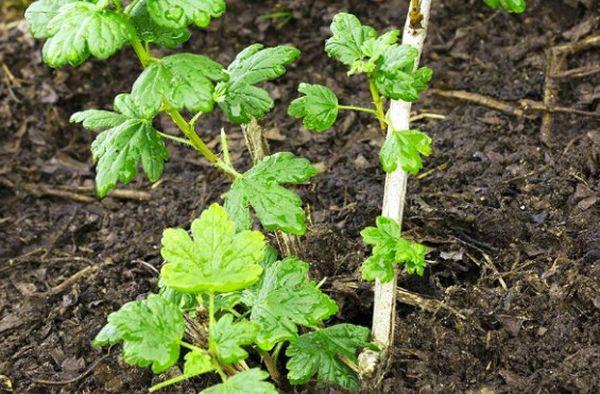
The Northern Captain gooseberry is planted in fertilized soil. It shouldn't be heavy or acidic: sifted sand is added to clay soil, and slaked lime is added to acidic soil. Groundwater in the area intended for planting should not be too close to the soil surface. If the soil is too wet, plants are planted in raised beds.
How to prepare the soil
The area for planting gooseberries is cleared of plant debris in advance. It is dug, and holes measuring 50 x 50 centimeters are dug. The holes are filled with fertile soil consisting of garden soil, compost, humus, and sand, with the addition of potassium and phosphorus fertilizers.
Planting diagram
If several bushes are planted, the distance between planting holes should be at least 1.5 meters, and between rows – at least 2 meters.
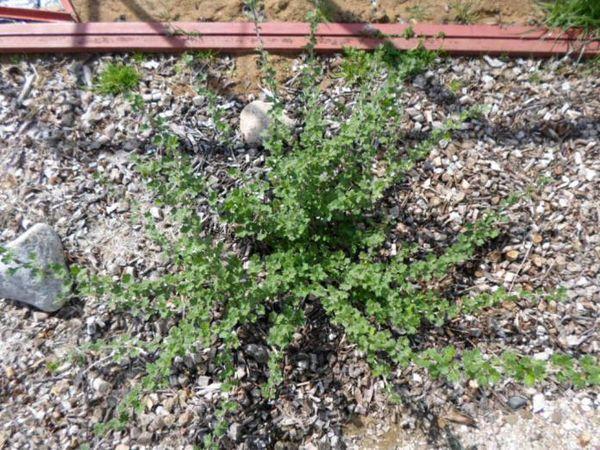
Planting is carried out as follows:
- the hole is half filled with fertile soil;
- a seedling is placed in the middle, either straight or at an angle;
- the bush is covered with soil, which is carefully compacted so that there are no air pockets left between the roots;
- the soil is watered abundantly.
- the tree trunk circle is mulched.
Please note! The gooseberry root collar should be planted 6-8 centimeters deep. Planting the seedling at an angle will stimulate the formation of new roots and replacement buds.
Care instructions
Gooseberries require watering, fertilizing, and pruning. They also require protection from diseases and pests. Young bushes should be covered to protect them from winter cold.
Watering
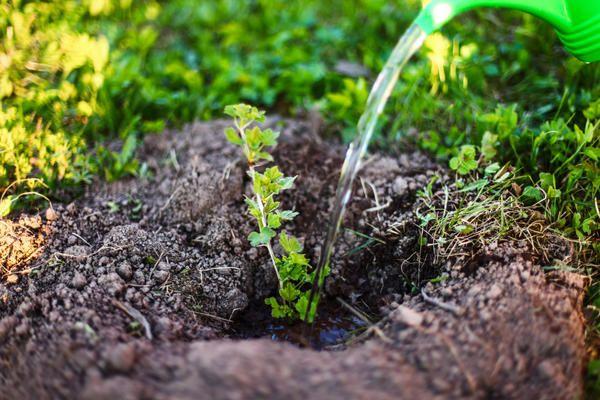
If the winter was snowy, the gooseberries will have enough moisture for the first few weeks. After that, you need to adjust to the weather: if the summer is dry, water the soil once every 10 days. Excess moisture will negatively affect the plant, as it may become infected with fungal diseases.
Top dressing
If the Northern Captain gooseberry was planted in fertilized soil, it will be sufficiently nourished for the first two years. In the third year, the bushes are fed with nitrogen in the spring. A potassium-phosphorus fertilizer is added before flowering and after fruiting.
Trimming
Branches are pruned several times per season. This procedure promotes better fruiting.
Thinning
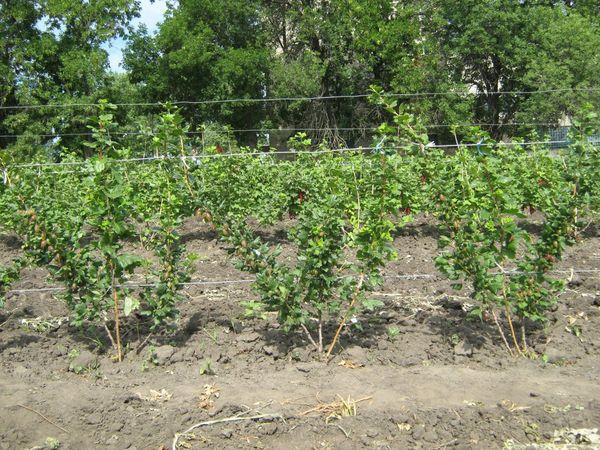
The bush is prone to becoming overgrown, and if left unchecked, the plant loses its immunity to diseases and pests, and the berries become smaller. By the end of the first autumn, 4-5 strong shoots are left, and the rest are removed.
Sanitary
Gooseberries are inspected throughout the season. If diseased branches are found, they are removed, otherwise the entire bush may become infected with pathogens. In the spring, frost-damaged and dry shoots are pruned.
Formative
The stems are pruned immediately upon planting, shortening them by a third. This stimulates the formation of lateral branches. Subsequently, four shoots from each year of growth are left on the bush.
Rejuvenating
In the 6th or 7th year of a gooseberry's life, rejuvenation pruning is performed. This involves removing all old shoots, leaving a few young ones. With rejuvenation pruning, the Northern Captain gooseberry can bear fruit for 20 years.
Protection from diseases and pests
To prevent on the appearance of diseases and pests in gooseberries, the following procedures must be carried out:
- Before the buds swell, pour boiling water over the bushes;
- before flowering and after fruiting, spray the plantings with Bordeaux mixture;
- remove plant debris from the tree trunk circle;
- plant mint and wormwood next to the crop to repel pests;
- diseased branches should be removed immediately.
You can sprinkle wood ash under the bush, which will not only serve as fertilizer, but also repel pests.
Important! Collected plant debris must be burned, otherwise pathogenic microorganisms may spread throughout the area.
Preparing for winter
Mature plants tolerate frosty winters well. They can be simply hilled and mulched with well-rotted manure. Young seedlings are covered with agrofibre in anticipation of harsh winters.
Reproduction
Gooseberries are propagated in the garden by layering and cuttings. This process begins in the spring, at the end of May, or in the summer, at the beginning of June. Seed propagation is generally not used, as it is labor-intensive and does not transmit varietal characteristics.
Layering
Small depressions are made near the bush and shoots, with the leaves removed (except for the tops), are placed in them. The point where the stems touch the ground is pinned down, watered, and covered with soil. By autumn, roots and young shoots will appear, which are dug up and replanted.
Cuttings
To propagate gooseberries this way, apical cuttings are taken, dipped in a growth regulator solution, planted in containers, and covered with plastic wrap. Once roots and shoots appear, the plastic wrap is removed. The grown bushes are then planted in the garden.
Advantages and disadvantages of the variety
The positive qualities of the Northern Captain gooseberry include the following characteristics:
- winter hardiness;
- increased immunity;
- good shelf life and transportability of berries;
- ease of reproduction;
- There are few thorns on the shoots.
Negative qualities include rapid thickening of the center of the bush and small size of the berries.
Harvesting and storage
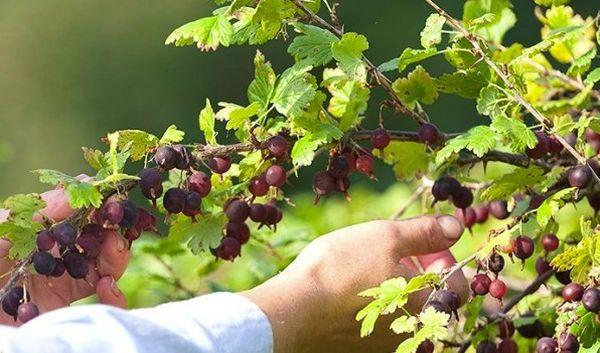
The harvest begins in mid-July in sunny weather. If harvested in high humidity, the berries will not keep for long. Properly harvested and thinly layered berries can be stored in cool conditions for up to a week without loss.
Application areas
The berries are more tart than sweet, so they're not usually eaten fresh. They can be used to make compotes, preserves, and as a filling for baked goods. They're also suitable for drying and freezing.
Related posts:
 Description of 36 of the best sweet and large varieties of gooseberries
 Description of 34 best gooseberry varieties for Siberia and the Urals, cultivation techniques
 22 Best Large-Fruited Gooseberry Varieties for the Moscow Region: Planting and Care
 Pests and diseases of gooseberries and their control using chemical and folk remedies
 Description and characteristics of the gooseberry variety Commander, planting and care
 Description of the English Yellow gooseberry variety, planting and care
 Description of the Malachite gooseberry, varieties, planting and care
 Description of the 11 best varieties of thornless gooseberries, planting and care