
- Description and Features
- Advantages and disadvantages of the variety
- How to plant correctly
- Choosing a location
- Soil requirements
- Selection and preparation of planting material
- Planting diagram
- Care instructions
- Watering
- Pruning and shaping the bush
- Top dressing
- Shelter for the winter
- Protection from diseases and pests
- Reproduction
- Layering
- Cuttings
- Seeds
- Harvesting and storage
- Application areas
Developed by scientists at the Institute of Fruit and Vegetable Growing of the National Academy of Sciences of Belarus and recommended for cultivation in the Central and Northwestern regions of the Russian Federation, the Belarusian Sugar gooseberry variety has rightfully earned a leading position among Russian gardeners. Among other varieties, this cultivar stands out for its large fruit, high sugar content, and frost resistance.
Description and Features
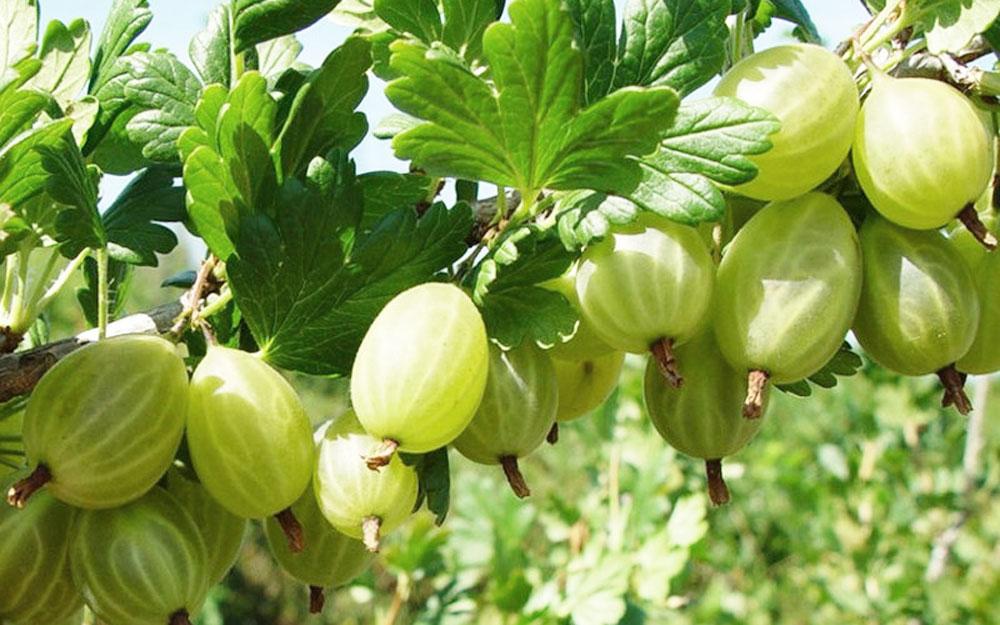
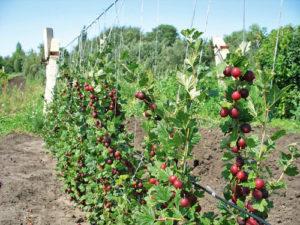
The Belarusian Sugar Gooseberry has a low-spreading bush with upright, strong stems, growing up to 1 m tall. During the fruiting season, the lateral branches bend toward the ground. The gooseberry has medium-sized thorns. The three-lobed, matte leaves are bright green, large, and rounded.
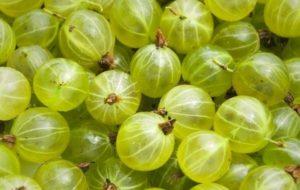
The white-green berries, weighing 5–9 g, are covered with a thin but fairly dense, smooth skin, ensuring good transportability. This mid-early gooseberry produces inconspicuous small flowers in May, and the fruits ripen in the second half of July. The variety is self-fertile, but when planted near pollinators, the yield increases (4–6 kg per bush).
The plant bears fruit annually for 12–16 years, producing oval berries with a sweet dessert taste, which the tasting committee rated at 4.8 points.
After ripening, the fruits remain on the branches for a long time without falling off.
Based on the Belarusian Sugar variety, amateur breeder Petr Voronenko developed another improved variety, which he calls the Improved Belarusian Sugar variety. The new variety boasts significantly superior characteristics to its parent variety—the plant is more frost-hardy, resistant to fungal diseases, and produces fruit weighing 10 grams.
Advantages and disadvantages of the variety
Growers cite the presence of thorns and low resistance to anthracnose and powdery mildew as disadvantages of the Belarusian Sugar Gardener. However, the advantages far outweigh the disadvantages.
Positive characteristics of the variety:
- frost resistance up to -29°C:
- adaptability to adverse weather conditions, rapid recovery after drought and frost;
- high productivity;
- sweet taste, thin skin of fruits;
- versatility of purpose;
- large-fruited.
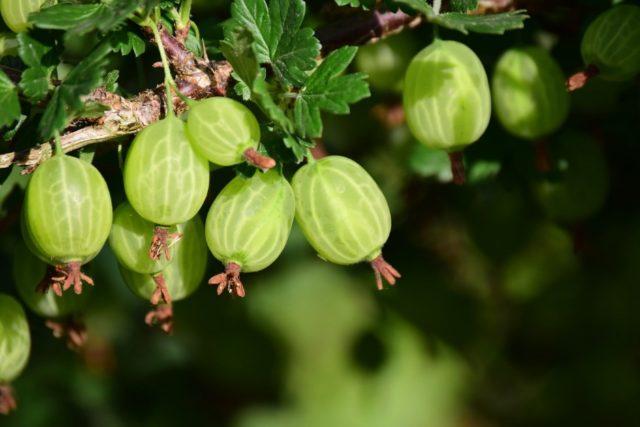
The advantages of gooseberries include their ease of care and 65% self-pollination.
How to plant correctly
To ensure the Belarusian Sugar Gooseberry successfully takes root and thrives, planting begins with preparatory steps:
- choose a suitable place;
- acquire and prepare a viable seedling for planting;
- They dig a planting hole and add nutrient substrate.
For successful crop growth and abundant fruiting, it is necessary to adhere to the planting scheme.
Choosing a location
In poorly lit areas, the fruits of the Belarusian Sugar Gooseberry variety become smaller and lose their sugar content. It is recommended to plant the crop along fences that protect it from northerly winds. Lowlands, marshy areas, and flooded areas are unsuitable for growing this berry bush. In these cases, drainage and raised beds are recommended.
The best predecessors of the crop are legumes, beets, and potatoes.
Soil requirements
Gooseberries produce abundant fruit in slightly acidic loamy and sandy loam soils. The optimal soil pH is 6-6.5.

Selection and preparation of planting material
Gooseberry seedlings up to three years old are purchased from licensed nurseries and garden centers. A suitable bush of a cultivar should have at least three roots at least 15–20 cm long and two or three branches at least 30 cm long.
Gooseberry seedlings with mechanical damage, signs of disease, dried roots and buds are rejected.
Immediately before planting, the roots of the crop are soaked overnight in a root formation stimulator (Kornevin, Zircon, Epin), and dipped in a clay slurry.
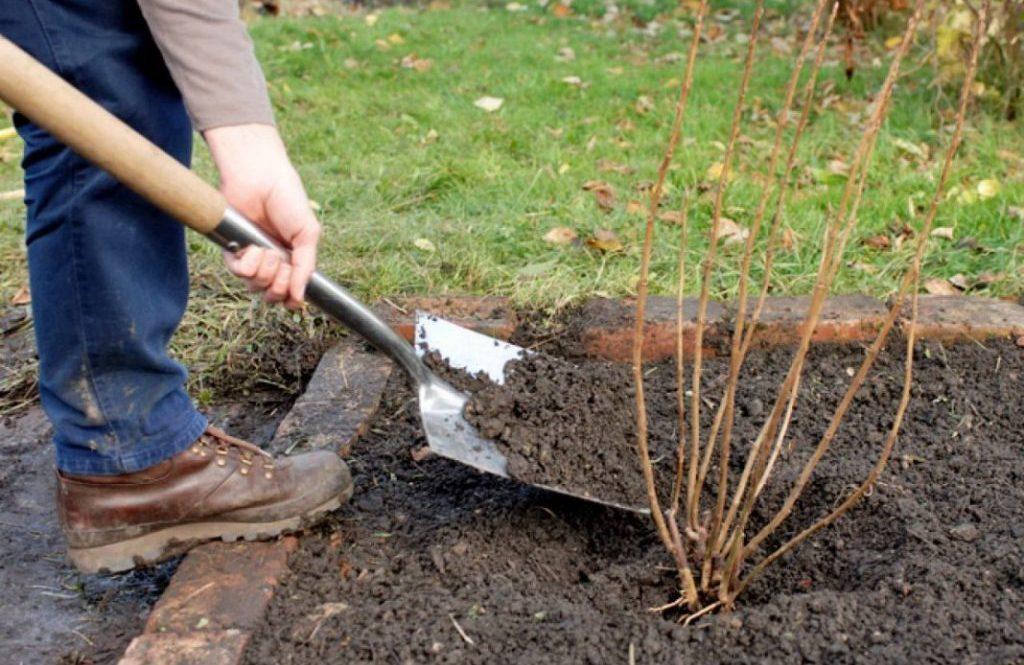
Planting diagram
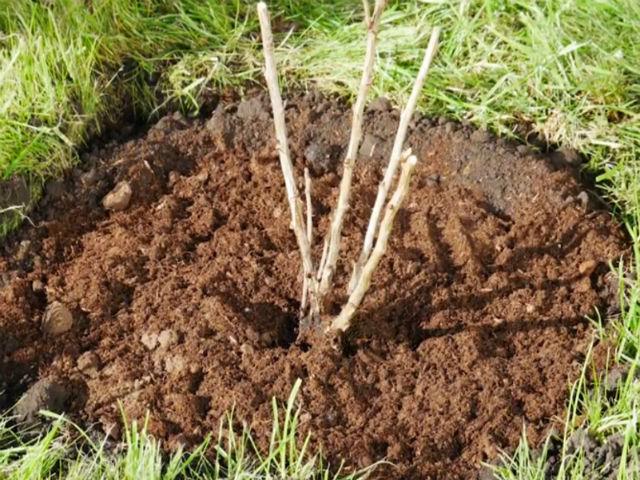
2-3 weeks before planting gooseberries, dig a hole 0.6 m deep and 0.5 m wide, into which a bucket of rotted manure or compost, 200 g of superphosphate, and 400 g of ash are placed.
Belarusian sugar beet bushes are planted in April or autumn. Roots grow faster when planted between mid-September and mid-October.
Seedlings are placed in a row at a distance of 1 m from each other, and 2 m between rows.
Planting technology of Belarusian sugar gooseberry:
- 5 liters of water are poured into the planting hole;
- the seedling is lowered into the center of the hole perpendicular to the soil surface;
- straighten the roots;
- fill the bush in parts, compacting the soil to eliminate voids;
- water with 10 liters of water;
- mulch with a 10-centimeter layer of peat, sawdust, and coarse sand.
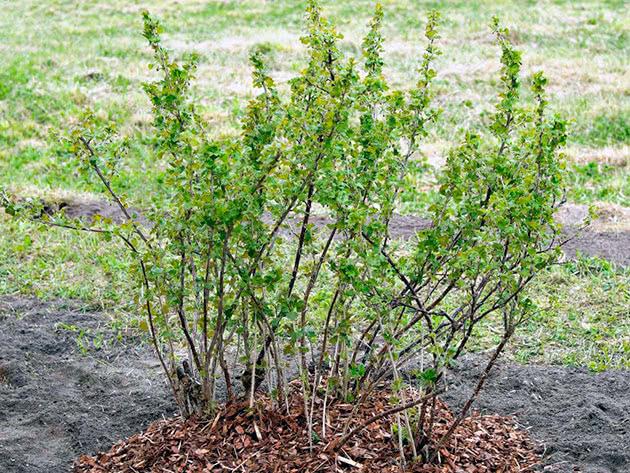 To ensure intensive shoot formation, the root collar is buried at least 5–7 cm deep.
Care instructions
At different stages of the growing season, Belarusian sugar beet requires regular and regulated irrigation, fertilizing, pruning, and disease and pest control. Winter preparation ensures the crop is not subject to frost damage and weakens its immune system.
Watering
After a snowless winter, gooseberries are irrigated through irrigation ditches dug around the crown at the beginning of the growing season. The next time Belarusian Sugar is watered is during the fruit formation period, at a rate of 30-50 liters per bush.
The bushes are watered every 10 days when the fruits are ripening until they soften.
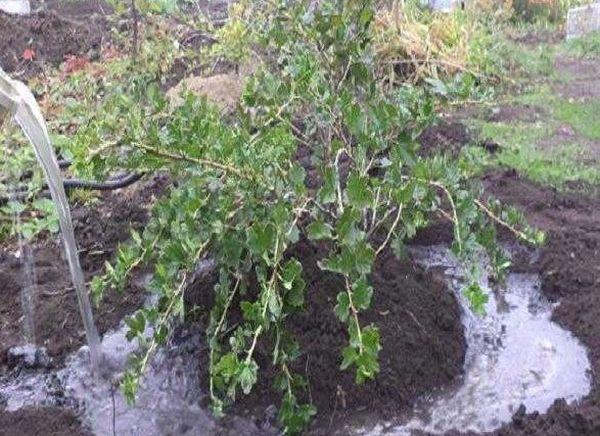
In November, when preparing the crop for winter, a moisture-recharging irrigation is performed, turning the soil under the bushes into mud. Young bushes are watered regularly. Soil moisture at the root level is maintained at least 80%.
Pruning and shaping the bush
The simplest and most common way to form a gooseberry bush is the classic one:
- In the first year, the tops of all branches are pruned, leaving five buds. Three basal shoots are left, and the rest are cut back to the ground.
- In the second year, all branches are shortened by a third, 8 basal shoots growing upward are selected, and the rest are removed.
- In the third and fourth years, prune last year's branches by a third, leaving 3-4 shoots from the current year. At this age, the bush should have 12-15 branches.
Starting in the seventh year, the bush begins to age, so old, unproductive branches are removed, leaving young ones for replacement. Branches to be pruned to the ground are identified by their darker bark.
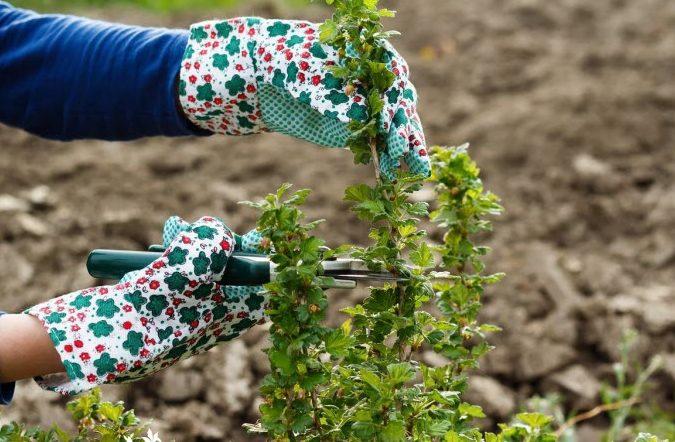
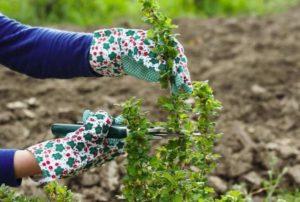
Every year, when the gooseberry is dormant, sanitary pruning is performed. Diseased, broken, close-growing, and misdirected shoots are removed.
Top dressing
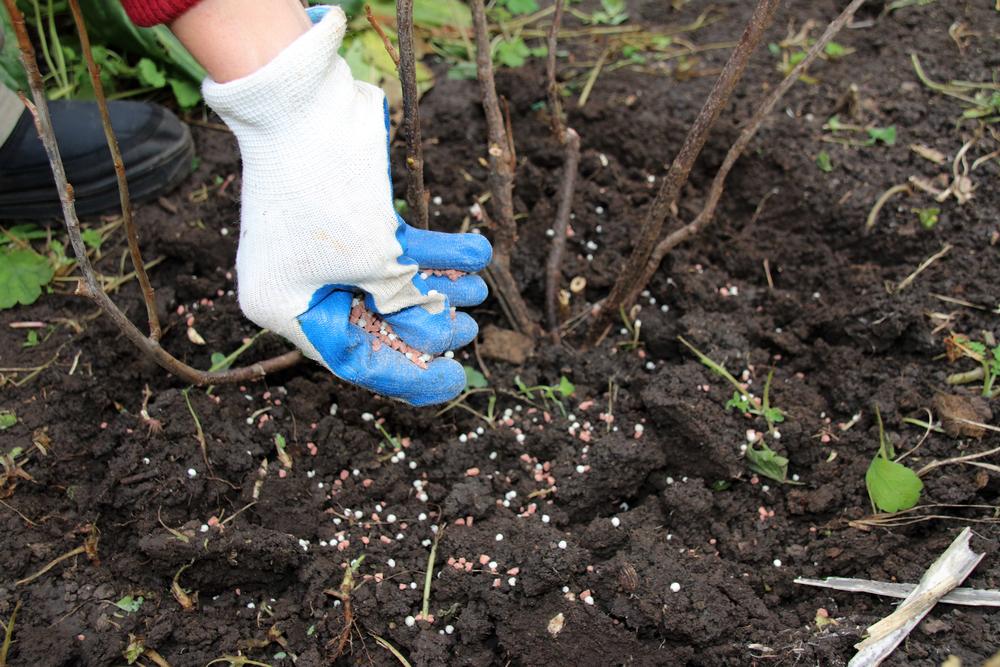
When the first leaves appear, before loosening the soil, add a bucket of rotted manure or compost mixed with 70 g of ammonium sulfate and 40 g of saltpeter to the gooseberry bush. Work the fertilizer into the soil with a hoe.
Another method is to add only mineral fertilizers to the soil and mulch the gooseberries with a 10-centimeter layer of organic matter.
During flowering, the crop is watered with a urea solution (20 g per 10 liters of water) or slurry. At the beginning of berry formation, 1 kg of ash or 70 g of superphosphate and 40 g of potassium sulfate are added to the soil. 400 g of potassium nitrate is added before pre-winter tillage.
Shelter for the winter
The winter-hardy Belarusian Sugar gooseberry variety doesn't require insulation. Simply mulch the soil beneath with a thick layer of manure, humus, or compost. To prevent rodent attacks, line the base of the bush with spruce branches.
Protection from diseases and pests
At the end of March, Belarusian sugar bushes are watered with hot water from a watering can to get rid of parasitic insects overwintering on the branches.
The soil around the gooseberry is cleared of biological residues, loosened and mulched, making it difficult for hymenoptera pests to fly out and for fungal spores to spread.
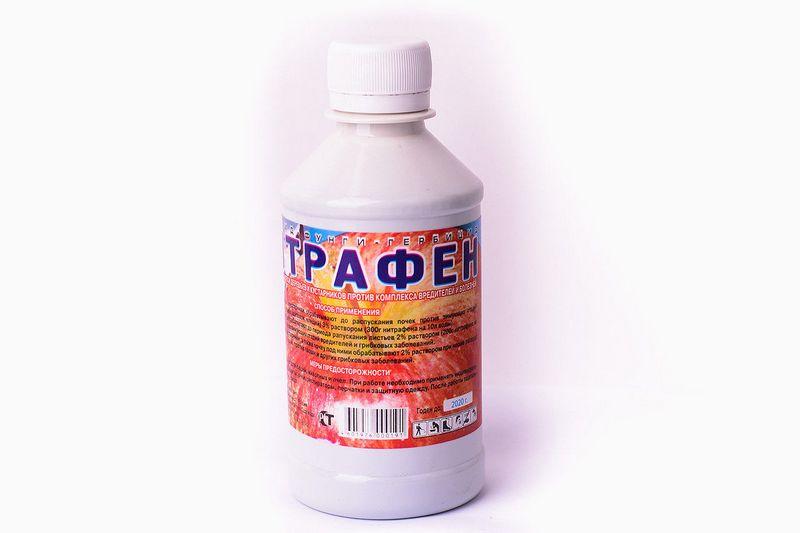
Before the buds open, the plant bushes and the soil underneath are treated with Bordeaux mixture or Nitrofen.
Before gooseberry flowering, spray the crown with Malathion to protect against insects. To consolidate the results, repeat treatments with Bordeaux mixture and Malathion immediately after flowering. If spider mites appear, use colloidal sulfur.
To get rid of pests and fungal spores that overwinter in the soil, fallen leaves and branches are removed in the fall, and the soil is dug up.
Reproduction
Propagating gooseberries is possible not only for professional gardeners but also for amateurs. The propagation method is chosen based on the age of the bush, the amount of planting material required, and personal preference.
Layering
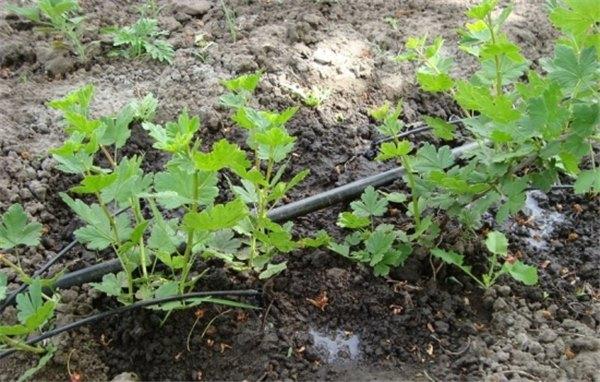
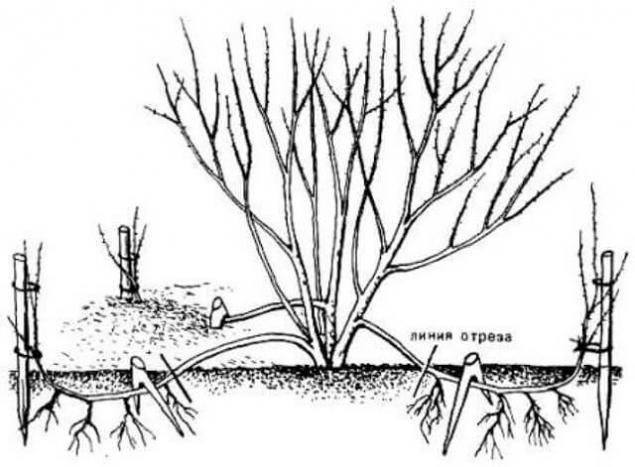
Gooseberries are propagated by layering according to the following algorithm:
- in October, 3-5 year old shoots located closer to the ground are selected;
- cut off the current year's growth by a third;
- the soil around the bush is loosened, weeds are removed, and fertilized;
- dig trenches 10 cm deep where the cuttings are placed;
- Sprinkle the branches with earth and secure them with staples.
New shoots of Belarusian Sugar Cane with independent root systems are cared for in the same way as a mature bush. The following fall, the seedling is separated from the mother plant, along with its root ball, and transplanted into a berry patch.
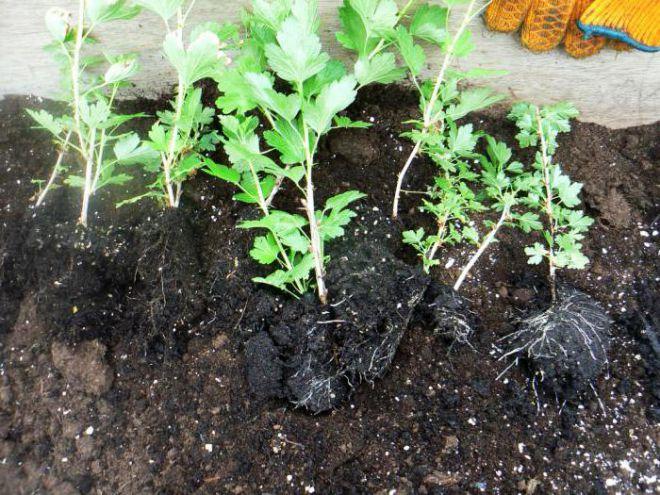
Gooseberry propagation by layering is quick. The only drawback is the small amount of planting material you get.
Cuttings
In June-July, when the temperature regime corresponds to the optimal conditions for the germination of green cuttings, young shoots are cut on gooseberry branches no older than 8 years.
The stems are cut into 10–15 cm pieces, which are disinfected with a solution of manganese and placed in water with the addition of a rooting stimulator for 24 hours.
Next, the cuttings are planted in pots filled with soil and covered with plastic wrap or bottles. Once rooted, the seedlings are transplanted into the garden bed.
The plant can be propagated using woody cuttings taken in October. The tops of the branches germinate better than the lower parts.
Take a look Also
Technology of propagation of gooseberries by woody cuttings:
- the tops, 20 cm long, are disinfected with potassium permanganate, tied into a bundle, and placed in the cellar;
- in February, the shoots are placed in glasses of water, covered with plastic bags;
- After the roots appear, the cuttings are planted in separate containers with soil.
By the end of April, the grown seedlings are planted in open ground.
Seeds
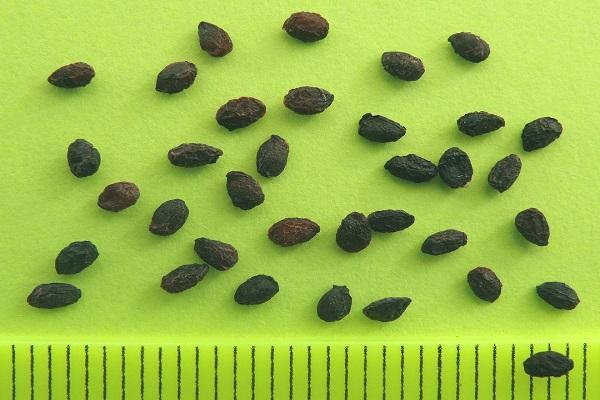
The seeds obtained from ripe, selected Belarusian Sugar gooseberries are mixed with sand and placed in a refrigerator or cellar until winter for stratification. Before frost, the seed containers are buried half a meter deep in the ground. In the spring, the seeds are sown in a greenhouse on top of the soil, covered with a thin layer of substrate.
At the stage of two true leaves, the seedlings are pricked out and planted in a growing bed. In autumn, the gooseberry seedling is ready for transplanting. to a permanent place.
The method of propagation by seeds is long and unreliable, since the transfer of the positive properties of the parents to the new bush is not guaranteed.
Harvesting and storage
The fruits of the Belarusian sugar grove are harvested in July. A dry, clear day is chosen for harvesting gooseberries. To avoid injury to your hands, wear long sleeves and gloves.
If the fruit is to be processed, it is harvested at the technical ripeness stage, when the berries are large but slightly tart. The harvest for fresh consumption is completed when the fruit reaches consumer ripeness.
A special device is used to collect gooseberries. — a comb. This significantly reduces the harvesting time, but also shortens the shelf life, as leaves end up in the container along with the berries.

At room temperature, the fruits can be stored for up to 12 hours. Fully ripened berries will stay fresh in the refrigerator for 5 days, while unripe ones will stay fresh for up to 2 weeks.
Gooseberries are stored unwashed, placed in paper bags or food containers. Shelf life of frozen berries is six months, dried - 2 years.
Application areas
Eating fresh gooseberries not only nourishes the body with vitamins and minerals, but also has a healing effect. The berries lower high blood pressure, strengthen blood vessels, and alleviate liver and kidney disease. Decoctions of the berries improve digestion, increase intestinal motility, and relieve inflammation of the throat and mouth.
Thanks to their high ascorbic acid content, masks made from mashed gooseberries heal acne and rejuvenate the skin. In cooking, gooseberries are used to make jams, preserves, compotes, and savory sauces for fish and meat dishes.
Related posts:
 Description of 36 of the best sweet and large varieties of gooseberries
 Pests and diseases of gooseberries and their control using chemical and folk remedies
 Description and characteristics of the gooseberry variety Commander, planting and care
 Description of 34 best gooseberry varieties for Siberia and the Urals, cultivation techniques
 Description of the Malachite gooseberry, varieties, planting and care
 Description of the English Yellow gooseberry variety, planting and care
 22 Best Large-Fruited Gooseberry Varieties for the Moscow Region: Planting and Care
 Description of the Chernomor gooseberry variety, planting algorithm and care