- Are there vitamins in frozen berries and fruits?
- What foods can be frozen?
- Requirements for containers
- How to properly freeze food in the freezer
- Cherries and sweet cherries
- Strawberries and strawberries
- Raspberry
- Blackberry
- Currant
- Cranberry
- Blueberry
- Gooseberry
- Grape
- Apples
- Plums
- Shelf life of frozen fruits in the freezer
- How to defrost properly?
When stored properly, fruit can provide invaluable benefits. These products can be frozen for long periods without losing their flavor and preserving their vitamins and minerals. During cold weather, this storage method allows you to enjoy a variety of desserts, pies, and cakes with fruit fillings. Before you start preserving, it's important to know which fruits can be frozen at home for the winter and how to do it properly.
Are there vitamins in frozen berries and fruits?
Nutritionists say that many fruits retain their beneficial nutrients when frozen. It's important to know the general rules of this method of preservation to avoid unpleasant surprises and preserve all the benefits of the product:
- Only use fresh fruit for freezing. It's best not to use last year's harvest for this purpose, as it has already lost most of its beneficial properties.
- Vacuum packaging is recommended. It's important to prevent air from entering the storage container, as it can cause oxidation.
- It is worth remembering that when frozen, fruits can increase in size, lifting the lids or breaking the bags.
- It's recommended to monitor the temperature and avoid any changes. Sudden temperature changes can negatively impact the product. If it is defrosted and then refrigerated again, most of its beneficial properties will be lost.
- When removing the container, you need to be careful not to lose the contents.
Important! The benefits are preserved at -17 degrees Celsius for a year; storage time is halved if stored at -10 degrees Celsius.
What foods can be frozen?
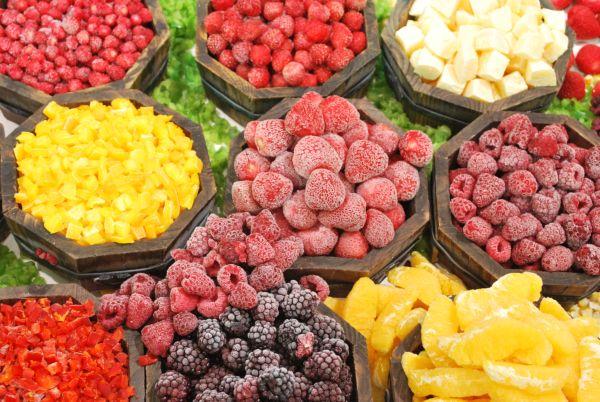
All wild and garden berries can be frozen. The key is that they are fresh and ripe enough. Avoid freezing fruits with mechanical damage or signs of rotting.
Storing blueberries is not recommended, as they have thin skin and are watery, leaving only a liquid, viscous mass after defrosting. It's also best to avoid freezing melons.
Requirements for containers
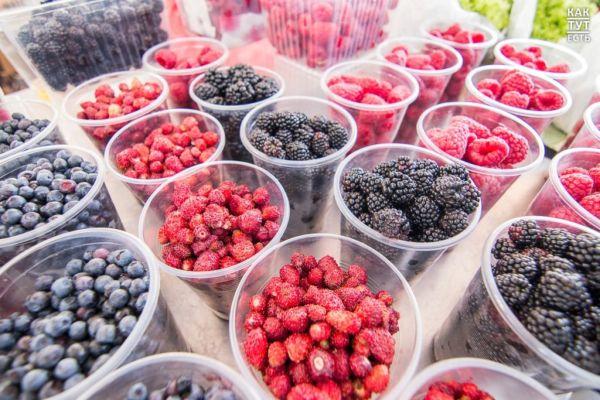
The shelf life of fruits and berries also depends on the correct packaging. Suitable containers include:
- plastic food containers with tight-fitting lids;
- tin containers;
- ice cube trays;
- plastic bags;
- parchment paper;
- film intended for food products;
- foil;
- paper boxes;
- cut plastic bottles.
Experienced housewives often choose special zip-lock bags, which are durable, dense, leak-proof, and reusable.
 Important! Never use non-food or garbage bags, cloth bags, or wrapping paper to freeze food.
How to properly freeze food in the freezer
Modern household appliances make life much easier for homemakers, helping with all household chores. The freezer, where you can freeze a wide variety of foods, is considered the most useful and indispensable. There are many different ways to freeze fruits and berries at home.
Cherries and sweet cherries
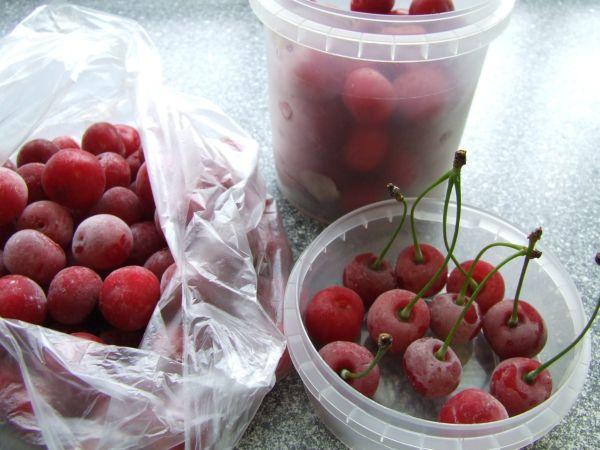
The most versatile berries in cooking are cherries. If the fruit is used to make compotes or drinks, it's best to leave the pits in before freezing, but for jelly, jellies, and pie fillings, it's recommended to remove the pits. Plastic containers are best for storing the fruit.
Another way to store berries is to soak them in their own juice. To do this, select the ripest and softest berries, remove the seeds, blend them, add sugar, mix thoroughly, and store in the freezer.
Strawberries and strawberries
Strawberries are finicky and difficult to freeze, but there are some secrets you can use to preserve this healthy berry for future use:
- Small strawberries are conveniently stored in ice cubes. To do this, wash the berries without removing the stems. Take an ice cube tray, place 1-2 berries in each cell, fill with drinking water, and place in the freezer. Use this ice cube tray to make refreshing cocktails.
- Freezing with sugar syrup. To do this, remove the stems from the fruit, place them in a shallow container in a single layer, and cover with sugar. Wait until the mixture infuses and begins to release juice, then place the container in the freezer.
- The berries can be crushed into a puree and placed in ice cube trays.
Tip! For freezing, it's best to choose small berries that are ripe, firm, and have dark flesh.
Raspberry
Before freezing, berries should be soaked in salt water to remove any insects inside. Then, dry them and store them in small trays.
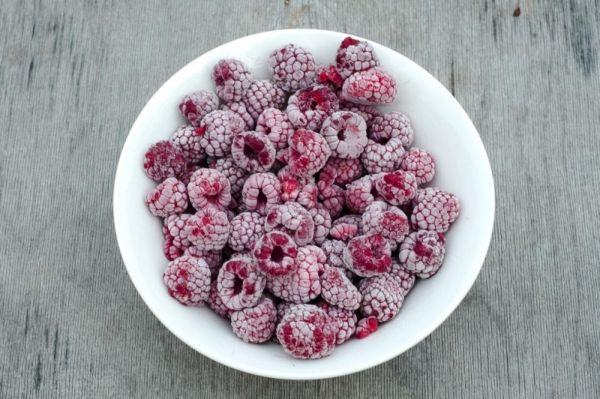
You can also make raspberry puree and freeze it.
Blackberry
Blackberries should be placed in a shallow container in one layer so that the berries retain their original appearance, and placed in the freezer.
Currant
Distribute the berries into containers and place them in the freezer. You can also sprinkle them with sugar before cooling.
Cranberry
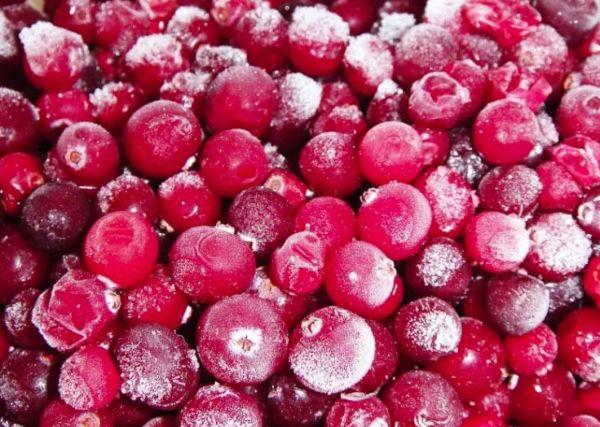
Cranberries have a thick skin, making them the easiest berry to freeze because they don't bruise or stick together during storage. Place the berries in any container and place them in the freezer.
Blueberry
Blueberries are best stored as individual berries or mashed into a puree. Freezing blueberries should be done immediately after picking, as exposure to air quickly dehydrates them, causing them to dry out.
Washing damages the berries, so it's not recommended. However, for peace of mind, it's best to wash berries purchased at the market. Freezing quality depends on the dryness of the berries, so they should be dried first by leaving them on a dry cloth at room temperature.
Gooseberry
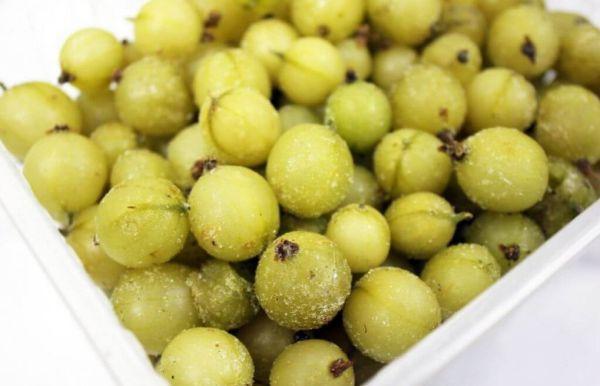
Before freezing, remove the stems from the gooseberries. These berries can be frozen loose, with sugar or syrup, as a puree, or combined with other berries that have the same shelf life as gooseberries.
Grape
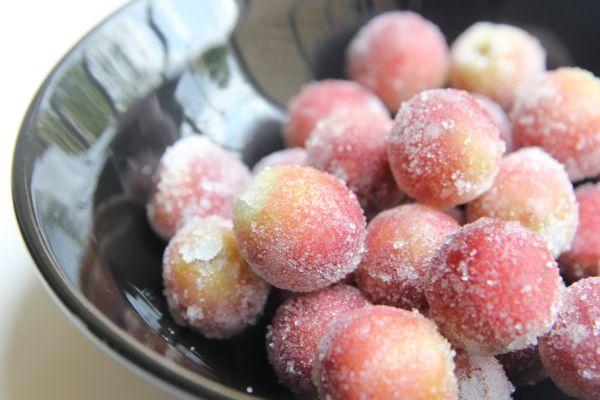
Grapes can be frozen either by the bunch or individually. In the first case, it's recommended to use food bags; in the second, use a container.
Before placing a whole bunch of grapes in the freezer, make sure they are dry. It's best to hang them on a rope to dry them.
When freezing individual berries, first spread them out on a tray and place them in the refrigerator for 2-3 hours to cool slightly. This will help preserve as many vitamins and minerals as possible.
Apples
Housewives use several options for freezing apples in practice:
- Slices. Dry the fruit, cut into slices, spread them on a baking sheet, and freeze for 2-3 hours. Then, place them in bags and store them in the freezer for long-term storage.
- Apples in syrup. Take sugar and water in a 2:3 ratio and make a syrup. Pour it over the apples, making sure it completely covers them. After 5 minutes, remove them, place them in a thin layer in a plastic bag, and place them in the freezer.
- In sugar. Cut the apples into slices and sprinkle with sugar. Mix gently and distribute into selected containers, then store.
- Whole. Wash the apples, dry them, place them in a container, wrap them in cling film, and place them in the freezer.
Immediately immerse the sliced fruit in an acidified solution made from 1 liter of water and 5 g of citric acid. This will prevent oxidation and preserve the integrity of the fruit.
Plums
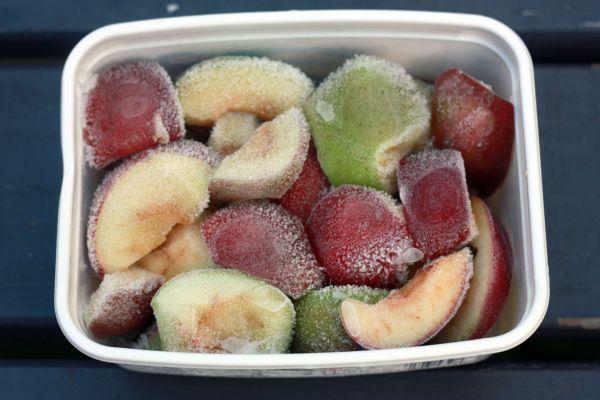
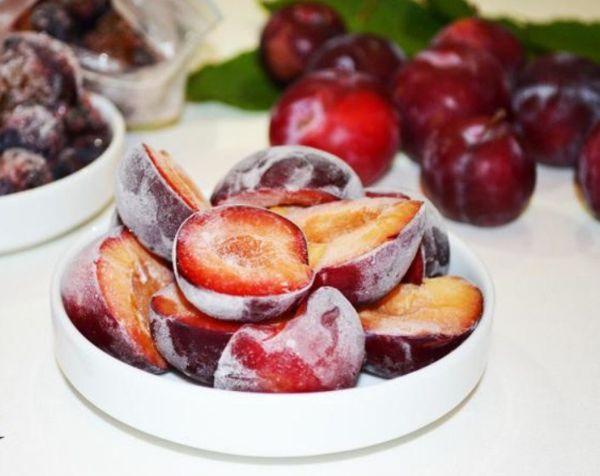
Plums can be stored in any container. They can be frozen whole or in halves, with the pits removed. Whole, dried plums should be placed in a plastic bag, sealed tightly, and labeled as pitted.
To the plums didn't stick together when frozen To form a single ball, peel and chop the fruit, arrange it on a board covered with cling film, and place it in the freezer for 4 hours. Then, pack the fruit into a plastic bag and store it in the freezer for safekeeping.
You can also sweeten the mixture beforehand to prevent it from being too tart when consumed neat. The sugar ratio should be 1:5. Divide the mixture into containers and store in the freezer.
Shelf life of frozen fruits in the freezer
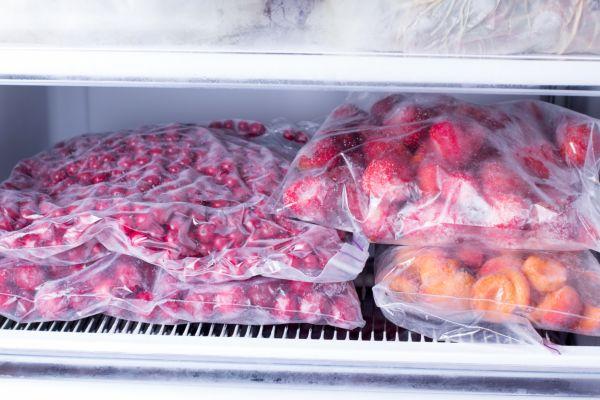
The shelf life of all foods varies. For example, peaches, apples, and pears can be stored for no more than 4 months. Smaller berries, such as sea buckthorn, raspberries, blackberries, and currants, have a shelf life of 5 months. Frozen apricots In this condition, they can delight you with their summer mood for no more than six months. Viburnum, gooseberries, and strawberries - up to 7 months.
The products that have the longest shelf life are cherries and plums.
You shouldn't store food for too long, as after the specified period, it quickly loses its beneficial properties.
How to defrost properly?
Besides freezing, the defrosting process for fruits and berries is equally important. First, determine the intended use of the product.
If you want to eat the berries raw, without cooking them, or add them to a salad, for example, it's best to use the simplest defrosting method. To do this, place the desired amount of berries in a container and refrigerate overnight.
In the morning, a small amount of water and juice will appear in the container. Discard this, and use the berries immediately without rinsing. This prevents damage to the fruit, but at room temperature, after a sudden temperature change, the berries' appearance will deteriorate significantly.
If the fruit is to be cooked to make desserts, refreshing drinks such as fruit drinks, tea, or liqueurs, or as a filling for baked goods or dumplings, you can skip defrosting and immediately prepare the dishes you plan to cook.
When baking pies or cakes, it's important to keep in mind that many frozen fruits release a fair amount of water and can change the consistency of the dough as a result.
Freezing fruit is easy. By taking the time to do this simple procedure, you can preserve a piece of summer and enjoy its gifts on winter days for health and well-being.
Related posts:
 How to properly store peaches at home for the winter
 Can you freeze bananas for the winter? Top 10 homemade recipes
 The best eggplant varieties for growing in a polycarbonate greenhouse: planting and care
 How to store apricots at home: rules and best practices
 How to store plums at home, the best ways to preserve them for the winter
 80 Best Eggplant Varieties for Different Regions with Descriptions and Characteristics
 17 Best Homemade Peach Preserves for Winter
 The best grape varieties for growing in the Urals, planting and care rules in summer