
- Can you freeze bell peppers for the winter?
- Selecting and preparing vegetables before starting the process
- Preparing the refrigerator
- What utensils will you need?
- The best ways to freeze peppers at home
- Whole in the freezer
- In halves
- In pieces
- Assorted for stews
- Freezing roasted sweet peppers
- Freezing stuffed peppers
- With dill and parsley
- Temperature for freezing peppers and storage periods
- Is it permissible to refreeze the product?
- How to properly defrost frozen peppers
You can preserve the maximum amount of beneficial components by freezing vegetables. Almost all garden vegetables can be frozen. Subzero temperatures have virtually no effect on their taste or texture. Before you begin preserving the product, it's important to know how to properly freeze bell peppers for the winter. Much depends on the quality of the product, the container, and the refrigerator.
Today, there are special freezers available for sale. They are the size of a refrigerator and are designed exclusively for preserving food.
Can you freeze bell peppers for the winter?
You can buy peppers at the supermarket in winter, but they can be prohibitively expensive. Therefore, many home cooks are considering ways to preserve them for the winter. They can be canned, dried, salted, or pickled. Freezing has recently become the most popular method of preserving peppers. This process preserves the peppers' beneficial nutrients and vitamins, preserving their vibrant color and flavor.
Not only can you freeze sweet vegetables, but you should. Frozen vegetables are used in omelets, soups, salads, stews, baked goods, and more.
Selecting and preparing vegetables before starting the process
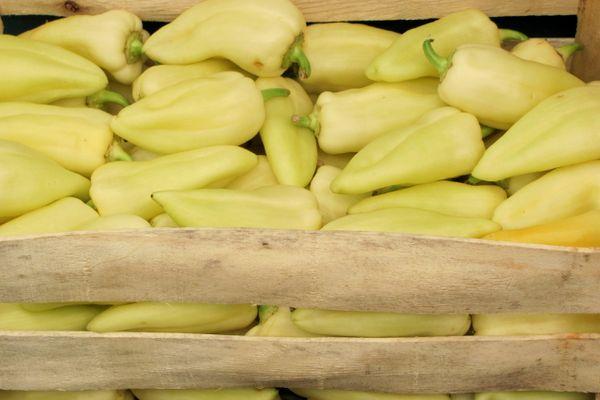
For harvesting, select ripe, fresh peppers without visible damage. Both sweet and hot peppers are suitable. Remove any bruised or damaged parts. Juicy and thick-skinned specimens are suitable for freezing, as they contain the maximum amount of nutrients.
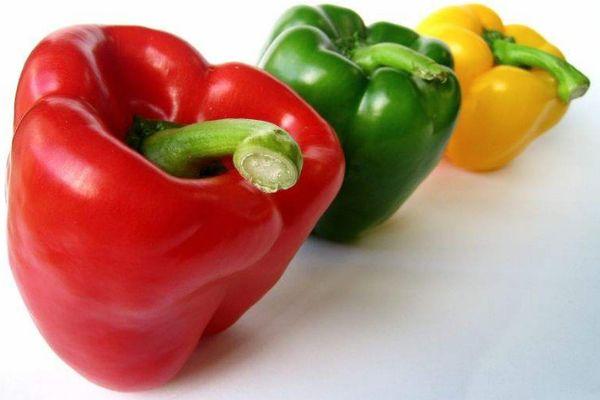
Priority is given to fruits grown in your own garden. Vegetables from the supermarket are treated with chemicals to ensure long-term preservation. If these are unavailable, then vegetables are purchased at the market. It's important to ask the seller where the fruits were picked. To be sure, test the fruits with a dosimeter.
Wash the selected vegetables thoroughly under running water. It's best to wash each vegetable individually, paying particular attention to the area around the stems, as this is where the most dirt accumulates.
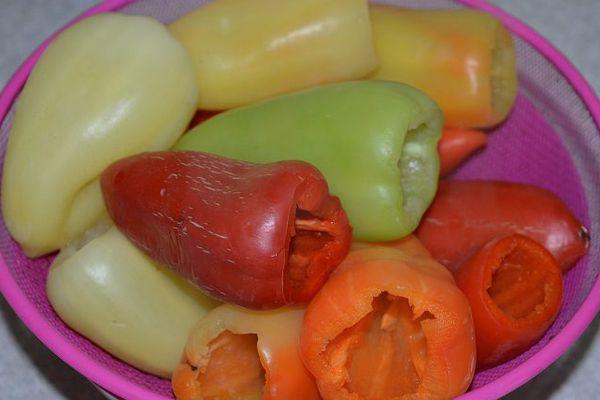
Next comes the cleaning process. The cleaning process depends on the freezing method. If the peppers are frozen in pieces, cut each pepper in half and remove the stem, membranes, and seeds.
To remove seeds better, you can rinse the pieces in water.
Place the cut-side down on a towel and let it drain and dry. This process takes over an hour.
Next, you need to cut it into pieces of the desired size.
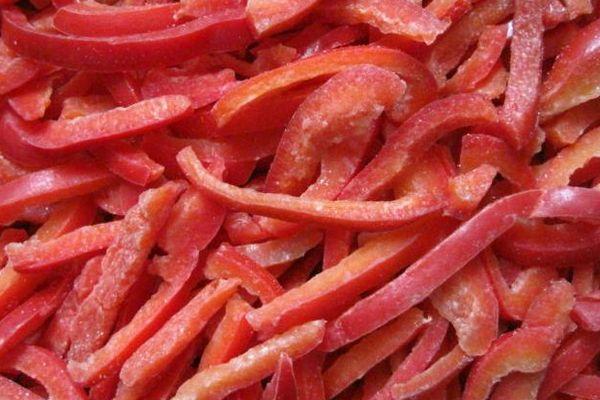
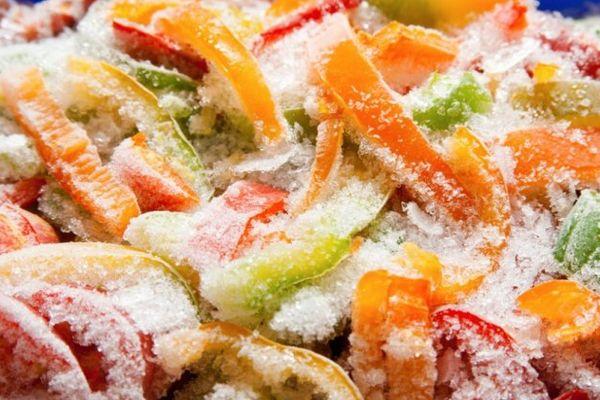
After preparation, the freezing process begins. Place a towel or napkin in the freezer and pour them into a single layer. Cover with another napkin to protect from the warm air that enters when opening the freezer.
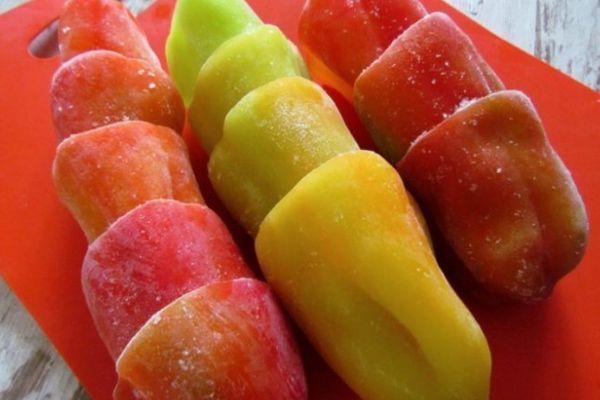
If freezing whole, it's best to stack them one on top of the other, from largest to smallest. Freeze for two days. If you have a quick freeze function, you can freeze them for less.
You can preserve hot and green peppers in a similar way.
Preparing the refrigerator
Freezers and refrigerators before the season freezing vegetables It's necessary to prepare. Review the remaining supplies from last year and throw out any excess.
Unplug the refrigerator for a few hours and defrost. Wipe down all shelves and freezer compartments with baking soda and water. Dry thoroughly with a dry cloth. If possible, leave the freezer off for 3 days.
It's important to properly sort food in the freezer and adhere to the rules for storage. Meat, fish, frozen vegetables, and fruits should be stored in separate compartments.
After this, connect the unit to the network and wait until the temperature drops to the desired value.
What utensils will you need?
You can freeze it in the following containers:
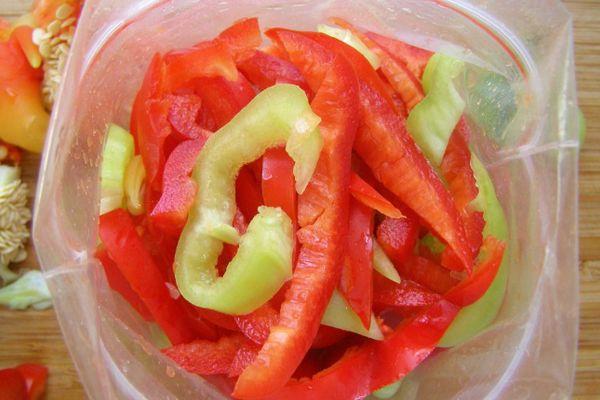
- A thick plastic bag is the most versatile option. It perfectly stores both whole and sliced fruits.
- Plastic containers with lids. Rectangular ones are best, as they can be stacked on top of each other, saving space.
- Plastic bottles are also suitable for peppers. Look for containers with a wide neck.
- Glass and metal containers are not suitable for freezing. These materials are very sensitive to temperature changes.
The best ways to freeze peppers at home
There are many freezing methods. You can try two at once and compare the results in winter.
Whole in the freezer
Fruits can be frozen either fresh or after pre-blanching.
For preparation, you'll need medium-sized, fleshy peppers. It's important that the peppers are fresh and well-shaped.
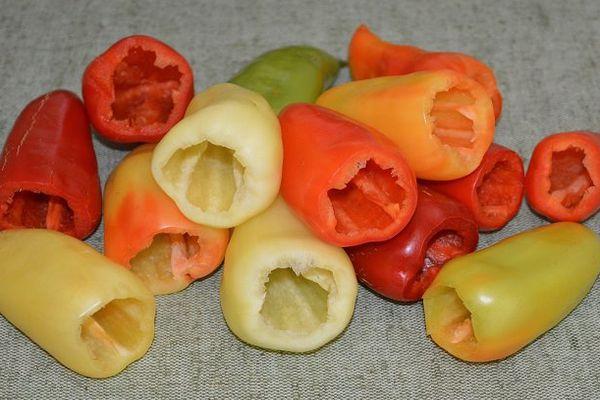
- Wash each pepper and cut off the stem. Remove the seeds and membranes by hand. Rinse the peppers' centers and place them cut-side down on a towel. Allow them to dry.
- Place the peppers one inside the other in the shape of a pyramid and place them in a plastic bag.
- You can place grated carrots in the middle of the pepper, which will be needed when stuffing it.
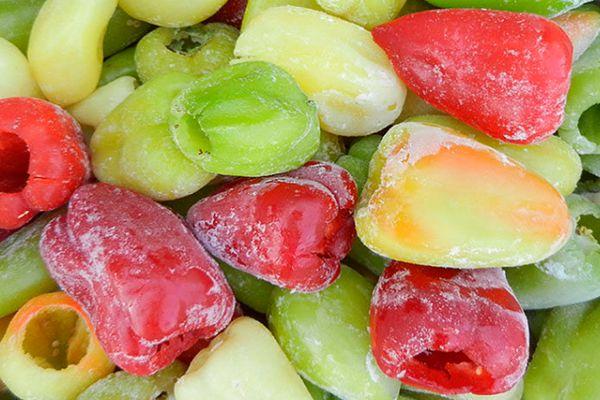
Some cooks blanch the peppers before freezing, which softens them. Peel the peppers as described above and place them in a pot of boiling water. Blanch for 5 minutes. Drain in a colander or sieve. Let them dry for a while and then place them in a bag or container.
In halves
This preparation is used to make stuffed peppers. Select large, fleshy peppers. Wash and dry. Cut in half and remove the seeds and membranes. Place in plastic bags, one inside the other. Freeze.
In pieces
For soups, salads, and baked goods, you can prepare them in pieces, which are convenient to use and easy to store. Many housewives, due to space constraints, avoid using these methods.
Method of preparation:
- To prepare this you will need a vegetable of any shape, even with defects.
- Wash, dry and peel the vegetables.
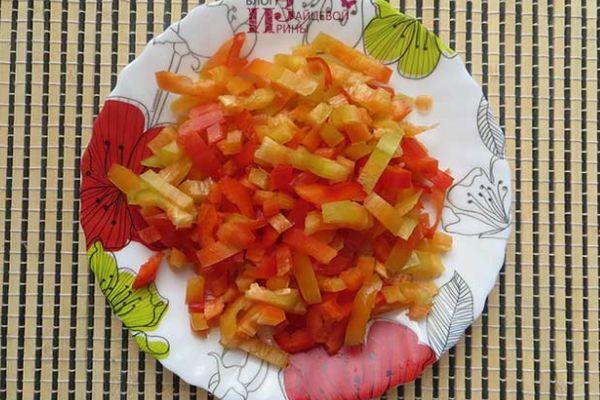
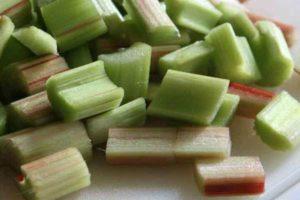
- The next step is chopping the vegetables. Depending on how they'll be used, cut them into suitable pieces. For stews and soups, cut them into chunks. For pizza, side dishes, and dips, cut them into half rings.
- You can immediately place the peppers in containers or bags and freeze them. Or you can freeze them on a plate first, then pour them into a bag and place them in the back of the freezer.
Assorted for stews
Freeze the assortment in the same way as described above. For the stew, you can cut the peppers into large pieces. For a more striking appearance, use peppers of different colors—yellow, red, and green.
Chop the prepared fruits and mix them. You can add green peas, corn, or other vegetables. Divide into bags and freeze.
Freezing roasted sweet peppers
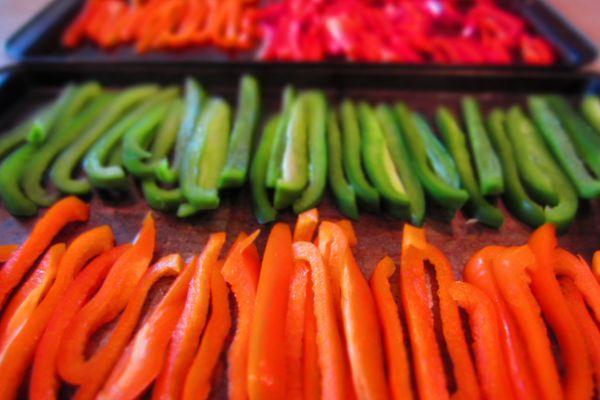
This method involves baking the vegetable in the oven.
Method of preparation:
- The fruits must first be washed and placed on a baking sheet.
- Grease the surface with vegetable oil.
- Place in a preheated oven at 180 degrees for 30 minutes.
- When the peppers are golden brown, remove from the oven and place in a container. Cover tightly and let sit for twenty minutes.
- Once the fruit has cooled slightly, remove the skin and seeds. It's important to preserve the juice that is released.
- Cut into pieces and place in prepared containers, pouring in the juice. The peppers will be incredibly juicy and flavorful.
- Place the prepared product in the refrigerator for storage.
Freezing stuffed peppers
This method involves preparing the peppers already stuffed. You can stuff the peppers raw or boiled in salted water. Blanching them first softens them, making them easier to stuff.
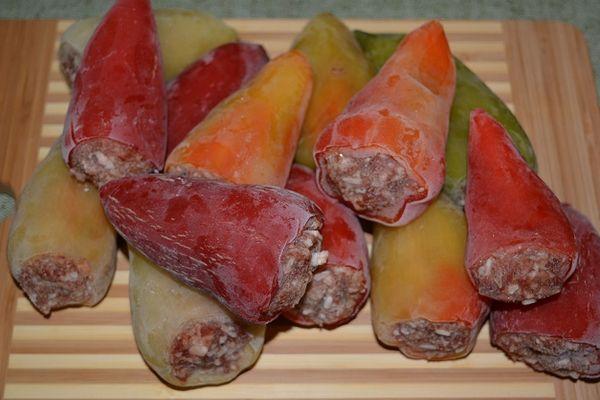
Place the prepared ingredients on a plate and keep for 24 hours.
Then pack them compactly into a bag and put them in the freezer. It's a great idea for dinner; just take the peppers out and simmer.
With dill and parsley
You can freeze peppers with herbs like dill and parsley. This vegetable mix will remind you of summer in both its appearance and aroma. Yellow and red peppers look great with herbs.
Finely chop all ingredients, spread them on a plate, and place them in the quick-freeze freezer. Then, pour them into containers or zip-lock bags for storage. In winter, add them to vegetable soups and salads.
Temperature for freezing peppers and storage periods
The ideal temperature for freezing peppers is 18–20 degrees Celsius. This allows the product to freeze quickly and preserve its color, flavor, and texture.
 The shelf life ranges from 10 months to a year. Storage duration depends on the quality of the vegetables and proper freezing practices.
Is it permissible to refreeze the product?
Refreezing vegetables is not recommended. Refreezing them causes them to lose their flavor. Dishes prepared with re-frozen vegetables will lack the rich flavor.
In this case, useful substances and vitamins are lost.
How to properly defrost frozen peppers
The defrosting technique depends on the dish to which the pepper will be added:
- If using it for a salad, it should be defrosted using the gentlest method, placing it on the top shelf of the refrigerator. This method requires some time, as it can take several hours for the temperature to gradually equalize. Afterward, pat the fruit dry with a towel and add it to the salad.
- If the vegetable is going to be added to a soup, stew, gravy, etc., it doesn't need to be defrosted. Simply add the pieces directly to the pot or frying pan.
- You can make a wonderful side dish by steaming vegetables. If you don't have a steamer, use the good old method. Fill a saucepan with a little water. Place a sieve with pepper in the container, cover with a lid, and steam for 10 minutes. It's important to follow safety precautions. The colander should only contain metal parts. Drizzle with olive oil and sprinkle with seeds. A delicious and healthy dessert is ready.
- The stuffed vegetable can be prepared without defrosting. Simply place it in a container, pointy ends down, add the sauce and spices, and simmer over low heat for an hour.
- You can defrost the halves slightly before cooking. Simply rinse with cold water and you're ready to slice.
You shouldn't defrost the vegetable completely, as it will become too soft and watery.
Related posts:
 Description of the best pepper varieties for greenhouses and open ground in 2025
 10 simple Armenian-style pickled hot pepper recipes for the winter
 Description of the best varieties of ornamental peppers, growing and caring for them at home
 TOP 40 New Year's 2020 Meat Recipes Using Pork, Beef, Chicken, and Lamb
 Planting, growing, and caring for peppers in open ground in the Moscow region: the best varieties
 Preparing pickled peppers in oil for the winter using simple recipes and storage conditions
 TOP 40 Hot Dish Recipes for New Year 2020: What to Cook
 How to grow peppers from seeds at home: choosing a variety, planting, and care