
- Can it be frozen?
- Selecting and preparing fruits for freezing
- How to properly prepare your refrigerator
- The best recipes for freezing eggplant at home
- Whole fruits
- With blanching
- Freezing in strips or cubes
- Freezing Oven-Baked Eggplants
- Freezing stewed fruits
- Boiled eggplants
- Pan-fried
- Storage terms and conditions
- How to properly defrost a product
The advent of refrigerators with powerful freezers has significantly simplified the process of preserving fruits and vegetables for the winter. Furthermore, this storage method preserves all the vitamins and minerals the body needs during the cold season. If you follow the freezing instructions and technology correctly, you can replenish your vitamin reserves all winter long and prepare delicious meals for the whole family. Eggplant is a popular and beloved vegetable; it's also frozen, but first, learn how to do it properly.
Can it be frozen?
Eggplants have only recently become popular for freezing for the winter, but even in this short period, many recipes have emerged that are popular among caring homemakers. Eggplants can be stored in the freezer fresh, diced for making caviar, or whole, stewed, or fried.
Any of these methods significantly simplifies the preparation of your favorite dish and reduces the time spent standing at the stove after a hard day at work. The key is to choose and prepare the main ingredient correctly. Proper freezing and defrosting techniques are also crucial.
Selecting and preparing fruits for freezing
If you've got some eggplants growing in your garden and you're desperately short on time to preserve them, you can put them in the freezer fresh, and then prepare any dish you like.
Regardless of whether you grew your own produce or bought it at the market, it's worth paying attention to the following details:
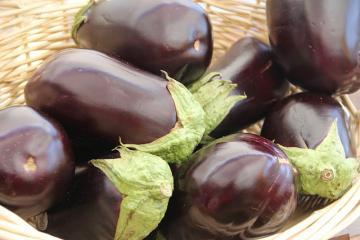
- When freezing, choose young eggplants; they have less bitterness, softer skin, and fewer seeds.
- Only those vegetables that have an attractive appearance and are free from signs of rot and damage from insect pests are purchased.
- The stem should be fresh; if it's dried out, it means the product has been sitting on the shelf for a while and isn't worth buying.
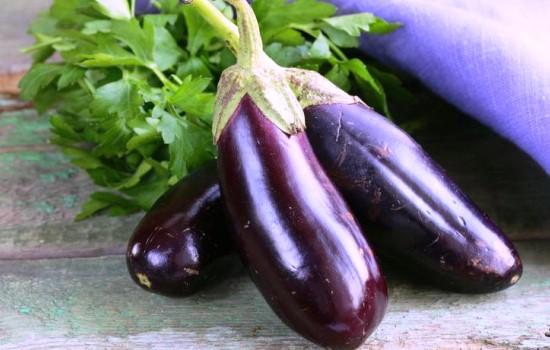 It's not recommended to buy eggplants for winter storage from supermarkets. Despite their more attractive price, they may contain traces of pesticides used by large-scale growers to preserve vegetables longer and speed up their ripening.
Regardless of the freezing method, the fruits must be rinsed several times under cold running water and dried with a paper or linen towel.
Further actions will depend on the chosen recipe for preserving eggplants for the winter in the freezer.
How to properly prepare your refrigerator
The refrigerator should be prepared 2-3 days before freezing. To do this, unplug it and remove all stored food, including the freezer. Wash all shelves and containers with baking soda diluted in warm water and wipe dry with a cotton towel. Avoid using harsh chemicals or strong-smelling cleaners to clean the freezer or the entire refrigerator. These can damage the finish and impart odors to the food.
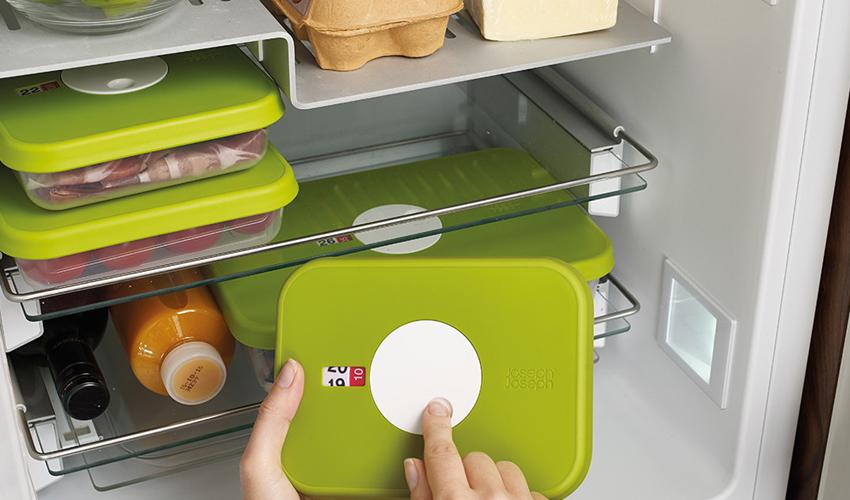
After the refrigerator has been left for 3-4 hours with the doors open, it is reconnected to the power supply, the food is placed in it and the refrigerator is left to wait until the required freezing temperature is reached.
The best recipes for freezing eggplant at home
When choosing a freezing recipe, consider how the vegetable will be used. If you want to make eggplant caviar in the winter or use eggplants in a vegetable stew, freeze them fresh and pre-chopped. However, they can also be frozen as semi-finished products, which only require a few minutes of cooking time in the winter.
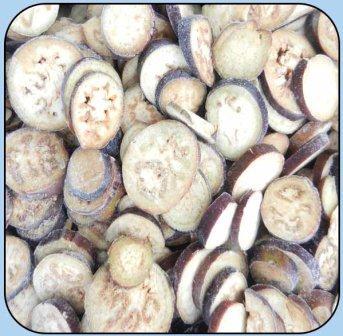
Whole fruits
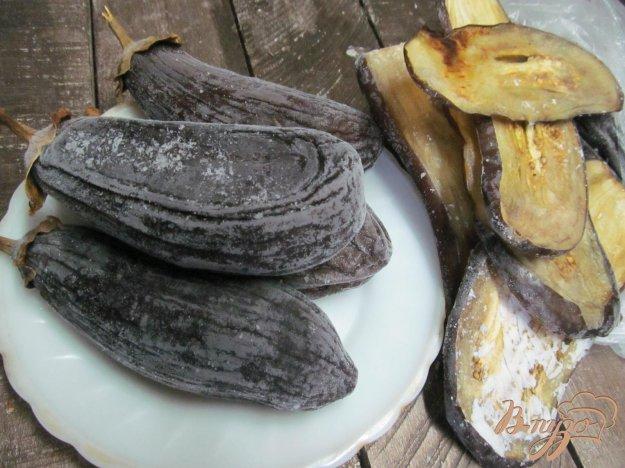
Preserving vegetables raw is the easiest and fastest way. This product can be stored in the freezer until spring without losing its vitamin content or flavor.
First, wash the eggplants thoroughly under cold running water, cut off the stems, and peel them. Fill a container with cold water, add 50 grams of salt, and stir until the salt dissolves. Place the peeled eggplants in the water and soak for half an hour. This will help remove the bitterness that is typical of eggplants.
Afterwards, lay the vegetables out on a cotton towel, lightly pat the top dry, and allow all the liquid to evaporate. Next, take a cutting board, line it with cling film or parchment paper, and arrange the eggplants on it. Place them in the freezer on high speed. Afterward, remove them, wrap each eggplant in cling film, and place them in containers or plastic bags. In winter, use them to make stews, vegetable caviar, and other favorite dishes.
With blanching
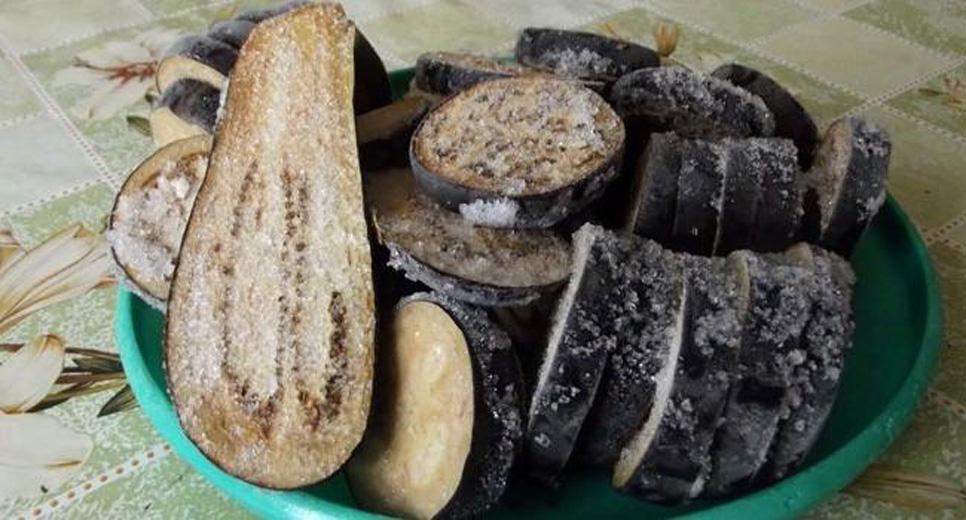
Another cooking method involves pre-heating. Wash the eggplants, peel them, and cut them into cubes, strips, or julienne strips, depending on your preference. Soak them for 20 minutes in lightly salted cold water and spread them out on a towel. Since this method involves blanching, there's no need to wait for the eggplants to dry completely.
Place an enamel pot of water over the stove and bring to a boil. Place the sliced eggplants in a colander and plunge them into the boiling water for 2-3 minutes. Cool under running water and dry on a paper towel. Then, portion the eggplants into food containers or bags and place them in the freezer. Set the freezer to blast freezing mode. In winter, use the sliced eggplants for stews, caviar, and other dishes as desired.

Freezing in strips or cubes
Frozen eggplants can be used to make rolls if they are properly cut and prepared. Preserving them for the winter is simple and quick. Choose young eggplants, as the recipe doesn't require peeling. Remove the stems and cut into thin strips (approximately half a centimeter). Sprinkle the slices generously with salt on both sides.
It is recommended to use coarse salt for this purpose, rather than extra salt.
Leave the eggplant strips for about half an hour. During this time, the salt will draw out any bitterness. Rinse the strips under cold running water and lay them out on a towel to dry. To speed up the process, pat the top dry with paper towels.
Take a frying pan, add a little vegetable oil, and fry the eggplants alternately on both sides until lightly golden brown. Arrange the fried eggplants in a single layer on a plate and let them cool. While the eggplants are cooling, prepare a tray for freezing. You can use a cutting board or a regular baking sheet from a gas stove. Line the tray with cling film or parchment paper and arrange the strips on the tray.
It is important to place the pieces so that they do not touch each other.
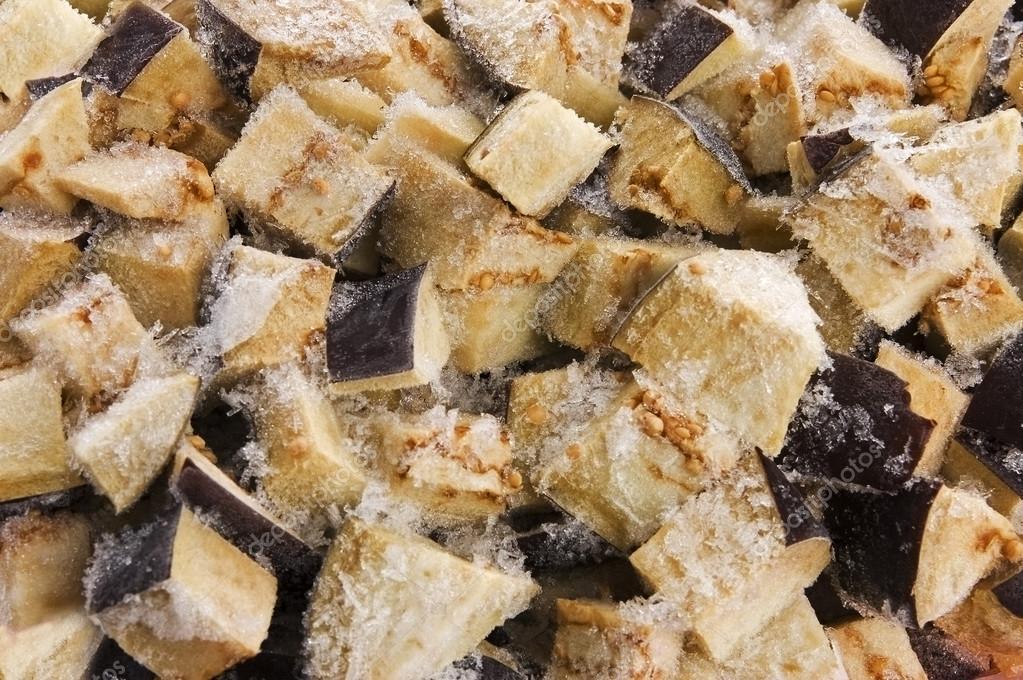
Place the eggplants in the refrigerator on blast freezing mode and keep them there for 7-8 hours. Then remove them and pack them into food containers or plastic bags. It's best to use oblong containers rather than square ones to avoid ruining the shape of the future eggplant roll base. You can also use this recipe to prepare the eggplant cubes for the winter. Then, simply add the vegetables and spices and prepare the stew or eggplant caviar.
Freezing Oven-Baked Eggplants
You can also freeze baked eggplants for the winter. This will take longer than freezing fresh eggplants, but will significantly save you time preparing the dish in the winter. Wash the eggplants to remove any dirt and dry them with a towel. There's no need to peel them, so choose vegetables with young skins. Prepare any ovenproof dish, place the whole eggplants in it, and bake in the oven or electric oven at a temperature of at least 200 degrees Celsius.
A sign that it's time to take the eggplants out will be the skin that has slightly swelled.
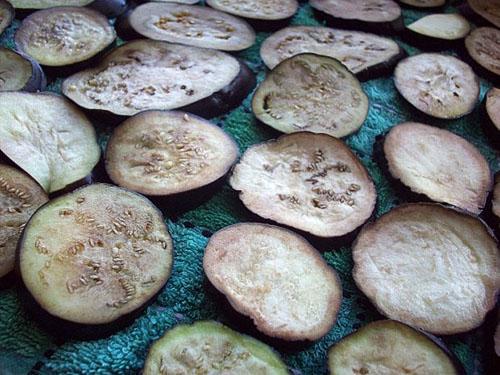
Once the eggplants have cooled, peel them (optional), wrap each one individually in plastic wrap, and freeze. Then place them in a plastic bag, squeeze out all the air, seal, and store for up to 6 months.
Freezing stewed fruits
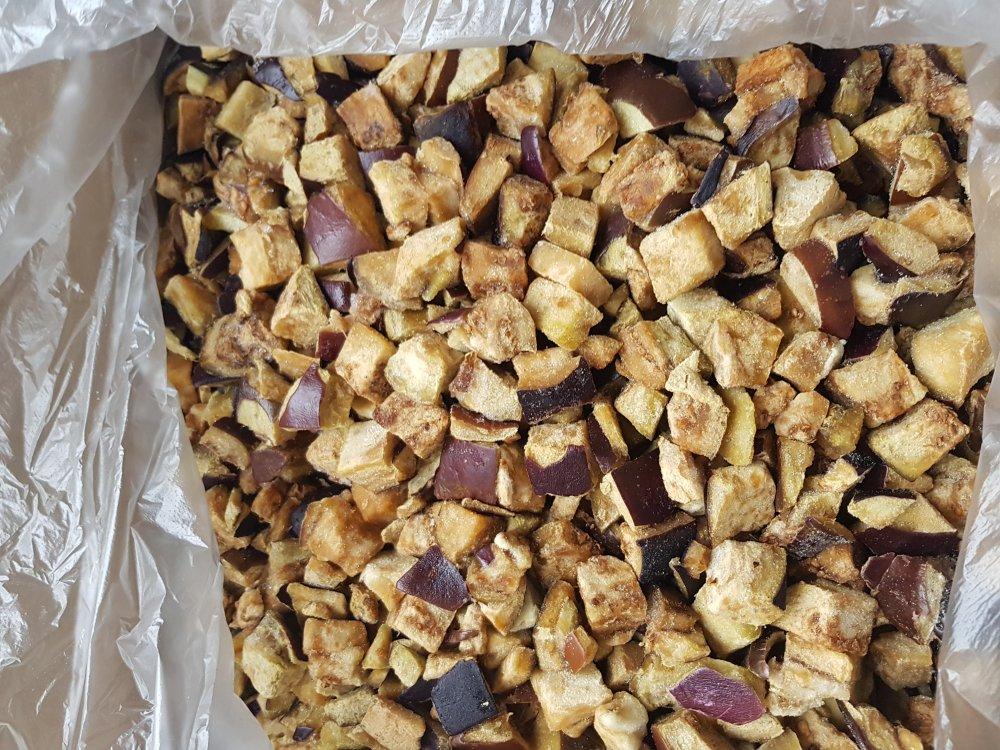
Enterprising housewives freeze not only fresh and baked eggplants but also stewed vegetables. After the necessary preliminary steps (washing, peeling, and soaking in salted water), the eggplants are cut into small cubes, approximately 2 x 2 cm. They are placed in a cast-iron pan and baked in the oven for 20 minutes. Grease the pan with sunflower oil beforehand to prevent burning, and stir occasionally during the stewing process. Cook with the lid on.

After the eggplants have cooled, place them in food containers, write the freezing date on top, and place them in the freezer.
Boiled eggplants
Frozen boiled eggplants can also be stored over the winter and used in your favorite dishes. After washing, peel the eggplants and soak them in cold, salted water for 40 minutes. Then, place them in a large saucepan and place on the stove. Once the water boils, boil the eggplants for about 20 minutes. Remove, cool, and slice as desired. Place in a food-grade plastic bag or container and freeze.
Pan-fried
Freeze eggplant slices fried in sunflower oil for the winter. Rinse the eggplants under running water, soak in a salt solution, and peel (optional). Slice into rounds, but not too thinly. Dry on a towel and fry in vegetable oil until almost done on both sides.
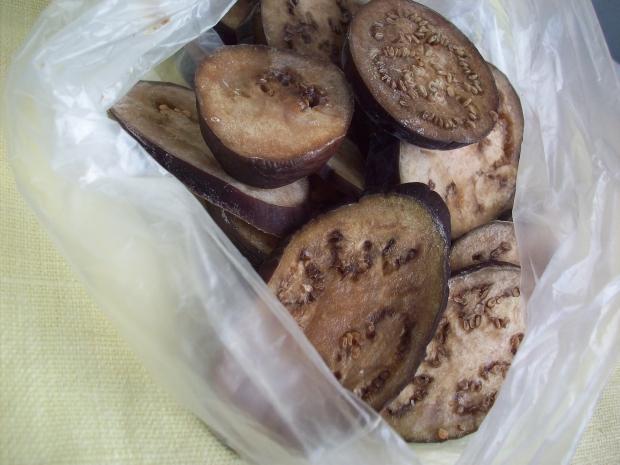
Place the circles on a plate and let them cool. Then transfer them to a cutting board covered with plastic wrap and blast freeze. After 7 hours, remove and portion into food containers.
Storage terms and conditions
Frozen eggplants should be stored at temperatures no higher than -12 degrees Celsius. The maximum shelf life is six months. After this point, the vegetables begin to lose their flavor and are unsuitable for cooking.You can't freeze the product several times; if you haven't used up the eggplants completely, it's better to throw them away.
How to properly defrost a product
If the eggplants were frozen after being stewed or fried, there's no need to defrost them. Simply remove them from the freezer and add them to the dish you're preparing.
Eggplants can also be defrosted at room temperature. To do this, remove them from the freezer and arrange them in a single layer on a plate. Once thawed, use them as directed. Defrosting in the microwave is also possible. Just be sure to allow the vegetables to defrost thoroughly, not overcook.
Related posts:
 80 Best Eggplant Varieties for Different Regions with Descriptions and Characteristics
 How to quickly prepare pickled eggplant in jars for the winter, the most delicious recipes and storage conditions for the preparations
 26 Best Recipes for Delicious Eggplant for the Winter
 The best step-by-step recipes for pickling eggplants "like mushrooms" for the winter are finger-licking good.
 The best recipes for canned eggplant in tomato sauce for the winter
 Recipes for pickled eggplant with carrots, garlic, and herbs for the winter
 How to properly freeze fresh eggplants for the winter in the freezer, storage periods
 Causes and treatment of eggplant pests and diseases, how to combat them at home