
- Why is freezing necessary?
- General rules for freezing
- At what temperature are vegetables frozen?
- Features of storing food in the freezer
- Shelf life
- Freezer storage packaging
- How to properly select and prepare vegetables for the winter
- What kind of utensils are needed?
- Do you need to wash vegetables before freezing?
- Why blanch vegetables before freezing?
- What vegetables can be frozen at home?
- Tomatoes
- Cucumbers
- Bell pepper
- Eggplants
- Green peas and milk-ripe corn
- Cabbage
- Zucchini, squash, pumpkin
- Green beans
- Ginger
- Turnip
- Zucchini
- Potato
- Corn
- Other vegetables
- Homemade Vegetable Mix Recipes for Freezing
- Paprikash
- Country-style vegetables
- Lecho
- Spring Mix
- Hawaiian mix
- Mexican Assortment
- Defrosting rules
- Uses of frozen foods
With the advent of modern home appliances, thoughtful homemakers now have the perfect opportunity to preserve fruits and vegetables for the winter without spending hours at the stove. Furthermore, the food doesn't lose its vitamin content, as it does with heat treatment. Before preparing your favorite dish, simply remove the vegetables from the freezer and defrost them. Freezing any vegetables for the winter at home requires following certain guidelines to ensure a positive outcome.
Why is freezing necessary?
This method of winter preservation hasn't been around for very long, but it's already earned positive reviews and popularity. Freezing vegetables preserves the beneficial vitamins and texture of the food. It's also a significant time saver in the summer, when you want to spend more time outdoors with your family rather than standing at the stove preparing winter preserves.
Another advantage of this method of preserving vegetables, according to women, is the preservation of their fresh summer flavor. Some freeze them as semi-finished products, which can be added directly to stews, soups, borscht, and other dishes without defrosting.
General rules for freezing
To delight your family with a flavorful dish on cold winter evenings, it's important to approach the preparation process carefully. This will ensure you're not disappointed with your chosen method and will save you money, as vegetables become significantly more expensive in winter.
Only fresh vegetables should be frozen. If possible, do so immediately on the day of harvest or after purchasing vegetables at the market. Experienced home cooks recommend purchasing frozen produce from trusted farmers' markets rather than supermarkets.
For storage, select young vegetables without dents, spots, other signs of spoilage or traces of insect pests. The preliminary preparation of food depends on the type of vegetable and the freezing method, but one general rule applies to all: always wash the vegetables under running water and allow the moisture to evaporate before freezing.

At what temperature are vegetables frozen?
Today, almost every refrigerator or freezer has a blast freezing function. This allows you to quickly freeze vegetables while preserving all their nutrients. The process occurs at temperatures ranging from -18 to -23 degrees Celsius. If your appliance doesn't have this function, you can freeze at around -8 degrees Celsius, but this will shorten the shelf life of the food.
Features of storing food in the freezer
To preserve their natural flavor and aroma, store vegetables separately from other strong-smelling foods. Avoid storing meat, fish, and prepared vegetables in the same freezer compartment.
Another rule that will help preserve vegetables longer and maintain their flavor is to maintain a constant freezer temperature. In the event of an unexpected breakdown or other circumstances that require the refrigerator to be unplugged, all vegetables should be removed and processed or discarded. Refreezing will result in the loss of all vitamins and the structure of the food.
Shelf life
Storage time depends on the temperature in the freezer, pre-treatment, and the characteristics of the vegetable itself:
- If the temperature in the freezer is not below -8 degrees, vegetables are suitable for consumption for no more than 3 months.
- At lower temperatures (-18 and below), the fresh-frozen product is stored from six months to 12 months, that is, practically until the new harvest.
- Baked, boiled, fried, and stewed vegetables can be stored for 6-7 months, after which their structure begins to deteriorate, and it will be impossible to prepare an appetizing dish.

Freezer storage packaging
For long-term storage of vegetables, experienced home cooks recommend using food containers with tight-fitting lids or plastic zip-lock bags. If you don't have such containers, regular ones will do just fine, as long as the vegetables are portioned and the bags are free of excess air.

Some budget-conscious homemakers use plastic mineral water bottles to store vegetables in the freezer. To do this, take a 1.5-liter bottle and cut it in half. Discard the top half, and place the vegetables in the bottom half, cover tightly with cling film, and place it in the freezer. The key is to keep this homemade container airtight.
Do not use glass or ceramic containers, or containers made of cheap plastic, for freezing.
How to properly select and prepare vegetables for the winter
If you have your own garden plot, choosing vegetables is a natural choice. Otherwise, it's best to buy produce sold at the market by private entrepreneurs who grow vegetables on a small scale. This way, you have a better chance of purchasing organic produce free of pesticides and other harmful chemicals.
It's better to freeze a small amount of healthy produce without signs of spoilage or decay than to fill the freezer with poor-quality vegetables. Never use spoiled vegetables for winter storage; even if you cut out the spoiled parts, they will still rot in the freezer, although not as quickly as at room temperature.

What kind of utensils are needed?
In addition to vegetable storage containers, prepare your utensils. Bowls and pots should be enameled, and cutting boards should be wooden or tempered glass. It's also a good idea to sharpen your knife in advance to ensure you can finely chop your chosen vegetables.
If you plan to blanch the vegetables before freezing, prepare a large enamel-lined colander; you will also need a slotted spoon if the process will take place directly in boiling water.
Cotton or linen towels and paper napkins should be on hand.
Do you need to wash vegetables before freezing?
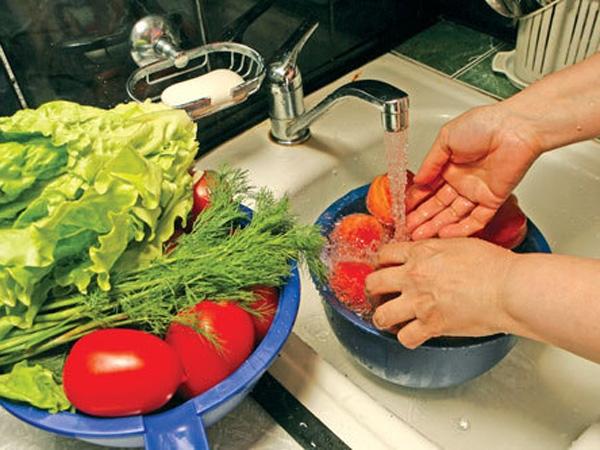
Even if vegetables were grown in your own garden and haven't been treated with anything, washing them is still essential. After all, dust, dirt, and other contaminants accumulate on them. These contaminants will be absorbed into the vegetable's structure during freezing, negating any benefits of the fresh produce.
If the vegetables are purchased at the market, in addition to rinsing under running water, they are also soaked in cold water. The time depends on the type of vegetable and the subsequent processing.
Why blanch vegetables before freezing?
Whether or not to heat-treat vegetables before freezing is a personal decision. Blanching helps preserve the vegetable's structure and flavor. However, not all vegetables can be blanched before freezing for the winter. For example, blanching is contraindicated for tomatoes; exposure to steam or boiling liquid will destroy the vegetable's structure, requiring the puree or juice to be frozen.
What vegetables can be frozen at home?
You can preserve almost any vegetable for the winter. The key is to do the whole process correctly. Tomatoes and eggplants, beets and carrots, all types of cabbage, beans and green beans, young green peas and sweet corn, bell peppers, zucchini, and squash are all frozen.
Enterprising housewives have learned to create whole mixtures for preparing their favorite dishes. Fresh vegetables can add variety to a meager winter menu and delight loved ones.

Tomatoes
For Tomatoes are suitable for winter frosts Small in size and with a thin skin. They can come in any color, but this doesn't affect their shelf life.
You can freeze whole vegetables and use them in fresh salads during the winter. To do this, you'll need:
- Select small to medium-sized tomatoes. Rinse them under running water.
- Spread out in one layer on a towel and allow time for the liquid to evaporate.
- Prepare a cutting board the size of the freezer, cover it with cling film and arrange the tomatoes on it.
- Place in a flash freeze for 6-7 hours.
- After this, remove the product, package it into storage containers and place it in the freezer for long-term storage.
You can also prepare tomatoes for the winter to use as a dressing for borscht:
- Take tomatoes of any size, the main thing is that they are fully ripe, and wash them with cold water.
- Grind in any convenient way, add salt and black pepper.
- Prepare ice cube trays or non-metallic muffin trays.
- Pour the resulting mixture into containers and freeze.
In winter, just take one serving of tomato puree and add it to a nearly finished dish. There's no need to defrost it first.

Cucumbers
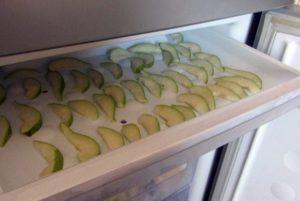
Cucumbers are not as often frozen for the winter as other vegetables, but some housewives have learned to preserve this product in the freezer. Whole vegetables are not frozen because once thawed they will be almost impossible to cut.
The following method helps preserve the aroma and flavor of summer produce while saving the family budget:
- Choose medium-sized, not overripe cucumbers with young skin.
- Wash under running water and soak for an hour in ice water.
- After this, dry it with paper napkins or a cotton towel and cut it to your taste.
- Place on a cutting board so that the pieces do not touch each other and put in the freezer for 8-9 hours.
- After the cucumbers have frozen thoroughly, they are packaged into portions in bags and sent for winter storage.
Although the vegetables will not taste as good as fresh ones after defrosting, they will retain their aroma and can be used to make salads, okroshka, and sandwich dressings.
Bell pepper
For winter preservation, choose vegetables of any color, as long as they're thick-walled varieties. These peppers will be more appetizing after defrosting than thin-walled varieties.
Bell peppers are first washed to remove any dirt and only then are the stems and seeds removed. It's important to avoid any liquid getting inside, as this will impair the pepper's flavor after thawing.
The peppers are cut into any desired size: cubes, strips, or quarters. This depends on the dishes they will be used in during the winter. First, they are frozen using a blast chiller, then after 8 hours, they are packaged into bags or containers and stored in the freezer until winter.

Eggplants
Eggplants are frozen both fresh and as semi-cooked products. To prepare fresh eggplants, wash them thoroughly to remove any dirt. If the skin is young, you can leave it on. Cut them in any convenient way and first flash-freeze. Blanching them in a pan of boiling water or in a steamer can be done beforehand.
Eggplants are very convenient to preserve: sliced or diced and fried in a small amount of sunflower oil. These semi-finished products are used to make caviar, roulades, and vegetable stews. For storing eggplants, it's best to use a food-grade plastic container rather than a plastic bag.
Green peas and milk-ripe corn
Peas and corn are frozen for use in salads and entrees. The cooking method is up to the cook. The key is to choose young, insect-free specimens.
Remove the pods and heads, rinse with cold water, and wait until the moisture evaporates. Package into bags and place in the freezer. Pre-freezing is not necessary; they store well for a long time without losing their flavor.

Cabbage
All types of cabbage, from white cabbage to cauliflower and kohlrabi, can be preserved for the winter. This vegetable requires pre-blanching to preserve its crispness after defrosting.
The process looks like this:
- Rinse the cabbage under cold running water, cut out the core and separate into leaves or florets.
- Soak in lightly salted water for an hour.
- After this, rinse again under running water and blanch.

- The heat treatment process is carried out for no more than 1-2 minutes, after which the colander is placed under ice water for 30 seconds.
- Place it on a towel and let the liquid dry.
- Place on a cutting board and freeze in shock mode.
- After 7-8 hours, pack the food using any convenient method, ensuring the portion is sufficient for one meal. Do not refreeze.
Zucchini, squash, pumpkin
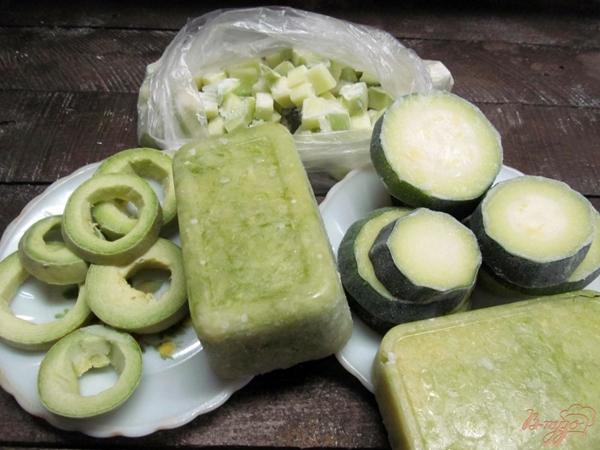
Freeze pumpkin for the winter, squash, and zucchini, cut into pieces. This will save freezer space, and the flavor of whole vegetables is inferior to that of sliced ones after defrosting.
The process is standard: washing, peeling, chopping and preliminary intense freezing.
Green beans
Healthy green beans can also be preserved fresh for the winter, unseasoned. To do this, wash them thoroughly, cut into random pieces, and blanch them for 2-3 minutes. Then, pack them into disposable bags and freeze them.
Ginger
A natural immune booster will help prevent viral and infectious diseases during the winter. Choose a root that is light in color and unblemished. Wash, peel thinly, and slice. Freeze first on a board using the flash freeze setting, then transfer to containers. In winter, add it to various dishes and drinks.


Turnip
Turnips aren't exactly a popular food these days, but experienced home cooks know their many beneficial properties and always stock up on them for the cold season. To do this, take a small turnip, wash it, and peel it.
Cut into small cubes and blanch in boiling water for 3 minutes. Cool and dry on a paper towel. Place in zip-lock bags and store in the freezer for up to 10 months.

Zucchini
The product is frozen in the same way as zucchini. However, if this is a young zucchini, the skin can be left on. After washing, cut into cubes or strips and flash-frozen. Then, store for 8-9 months at temperatures no higher than -18 degrees Celsius.
Potato
Freezing potatoes is not the most popular method of preserving them, but it is possible if you follow the technology.
For freezing, select varieties low in starch and sugar. After washing and slicing, soak them in cold water for half an hour and pat dry with a paper towel. Potatoes should not be left on a towel for long; they quickly darken and lose their attractive appearance.

Corn
It is better to use sweet varieties of corn for freezing.If the vegetable is no longer young, pre-heat it before freezing. Store in plastic containers or bags for no longer than 8 months. Add it to pizza, salads, entrees, and vegetable stews.
Other vegetables
Other vitamin-rich foods are also frozen for the cold season. These include diced beets for borscht and vinaigrettes, shredded carrots, hot peppers and radishes, daikon, and aromatic greens.

Homemade Vegetable Mix Recipes for Freezing
You can create your own mixes to prepare your favorite dishes. This saves time on food preparation and money on purchasing ingredients.
Paprikash
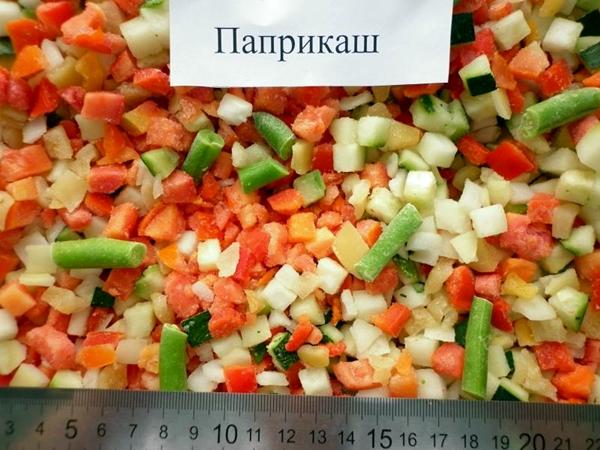
To make paprikash, take equal parts sweet red bell pepper, ripe tomatoes, green beans, and green bell pepper. Cut the vegetables into random pieces (preferably small cubes), mix, and freeze in portions.
Country-style vegetables
This mixture consists of carrots, broccoli, potatoes, green beans, bell peppers, and baby corn. All vegetables are blanched for about 2 minutes before freezing.
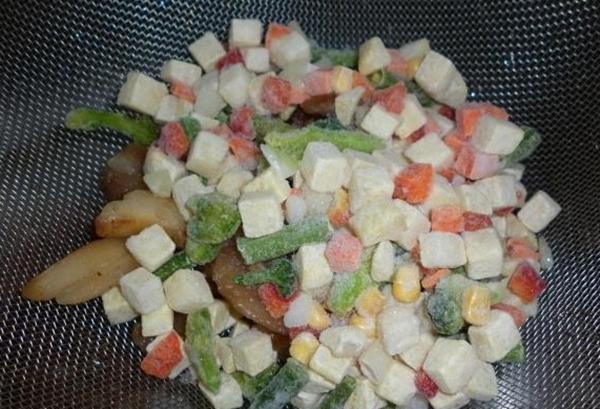
Lecho
To make a fragrant, rich-tasting lecho in cold weather, freeze a mixture of the following ingredients:
- carrot;
- sweet red peppers;
- zucchini or squash;
- tomatoes;
- onions.
Products must be blanched before shock freezing.

Spring Mix
This mixture will evoke warm spring days and saturate your body with vitamins. It includes young green peas, several types of cabbage (Chinese cabbage, broccoli, Brussels sprouts), carrots, and potatoes. It's prepared in the same way as the previous mixtures. It is important to pack the mixed products in small portions.

Hawaiian mix
This exotic Hawaiian mix involves preparing the following ingredients: rice (pre-cooked), red bell pepper, corn on the cob, and baby green peas.

Mexican Assortment
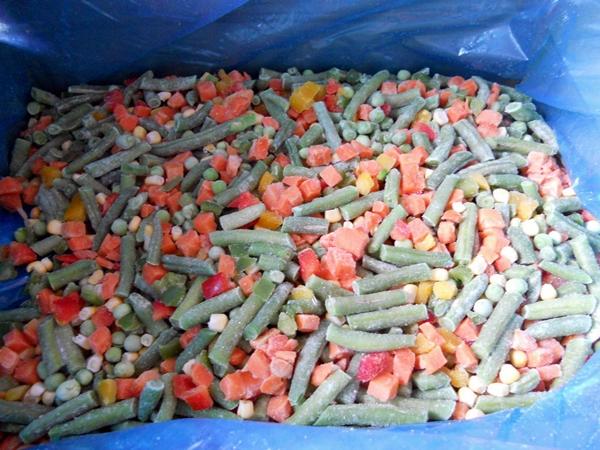
For those who enjoy spicy Mexican cuisine, a mixture of sweet bell peppers, green peas and sweet corn, baby zucchini or squash, and carrots is a perfect choice. The proportions of vegetables can be adjusted to your taste. The ingredients are heat-treated before freezing.
Defrosting rules
If the frozen ingredients have been blanched or otherwise heat-treated, they can be added directly to the dish without defrosting. If you plan to add frozen ingredients to a fresh salad, remove them from the refrigerator overnight and place them on the bottom shelf of the refrigerator.
Uses of frozen foods
Vitamin-rich preserves are suitable for almost any application: soups and borscht, salads and vinaigrettes, pizza and stews, stews and baked dishes.

Related posts:
 The best recipes for harvesting parsley for the winter at home
 The best eggplant varieties for growing in a polycarbonate greenhouse: planting and care
 How to quickly prepare pickled eggplant in jars for the winter, the most delicious recipes and storage conditions for the preparations
 Methods for planting and propagating cherries at home
 How to freeze fresh, fried, and baked eggplants for the winter at home in the freezer
 Which tomato varieties are best for open ground?
 80 Best Eggplant Varieties for Different Regions with Descriptions and Characteristics
 The best grape varieties for growing in the Urals, planting and care rules in summer