
- The best and newest varieties of sweet corn: description and characteristics
- Early delicacy
- Ice Nectar
- Sweet Nugget
- Dora F1
- Noah
- Bonduelle
- Early gold
- Dobrynya
- Sundance
- Sweet tooth
- Pioneer
- Syngenta
- Jubilee
- Sheba
- Aloysia
- Megaton F1
- Helen
- Landmark F1
- Spirit F1
- Legend F1
- Hardy F1
- Maize
- Caramello F1
- Black Pearl
- Belogorye's Sweet Tooth
- Vega F1
- F1 Trophy
- Golden Batam
- Super Sundance F1
- Golden ear
- Early Sweet Tooth 121
- Technology of growing crops in open ground
- Soil requirements
- Preparing the planting site and seed material
- Planting times and rules
- Corn care
- Fight against diseases and parasites
- Collecting cobs
Sweet corn is a seasonal vegetable. It is grown for its tender, sweet-tasting cobs, which are immediately boiled or canned. This undemanding crop adapts well to adverse weather conditions and grows in any soil. It is only susceptible to frost during the germination period. Tall stalks can remain in the garden until frost, but the cobs are best harvested in August, when they are still in the milky stage of ripeness.
The best and newest varieties of sweet corn: description and characteristics
Sweet corn is a tall cereal crop native to the Americas. It was discovered in Europe by Christopher Columbus. It is an annual plant growing 1-3 meters in length. Sweet corn has many hybrids, which differ in maturity, flavor, number of cobs, stalk height, and yield.
Early delicacy
An early-ripening, sweet crop. It grows up to 1.35-1.50 meters in height. It produces cone-shaped ears 15-18 centimeters long. Ripe kernels are orange. One ear weighs 165-225 grams. The growing season is 60-70 days.
Ice Nectar
A late-ripening hybrid. Plant height is 1.8 meters. It matures in 130-140 days. The corn cob is 20-25 centimeters long and weighs 160-250 grams. It has cream-colored kernels with a high sugar content. This crop is characterized by high yields.
Sweet Nugget
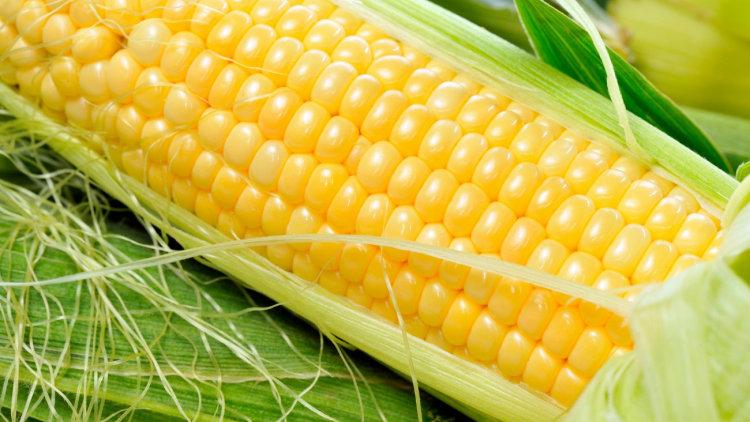
An early hybrid, very sweet crop. The cobs ripen in 69-72 days. The stem grows up to 1.75 meters tall. The fruit is 22 centimeters long and 50 millimeters wide. Each fruit produces 16 rows of yellowish, tender kernels.
Dora F1
An early-maturing hybrid. The harvest can be completed in 68-72 days. The corn cob is 22 centimeters long and 55 millimeters wide. The kernels are a rich yellow color. Each cob produces 16-18 rows.
Noah
An early sweet hybrid. Fruit ripens in 73-76 days. The stalk grows up to 1.92 meters in height. The corn cob is 23-26 centimeters long and 50 millimeters in diameter. Each cob contains 16-18 rows of yellow kernels. The crop pollinates well in any weather. This is a transportable hybrid that retains its marketable appearance for a long time.
Bonduelle
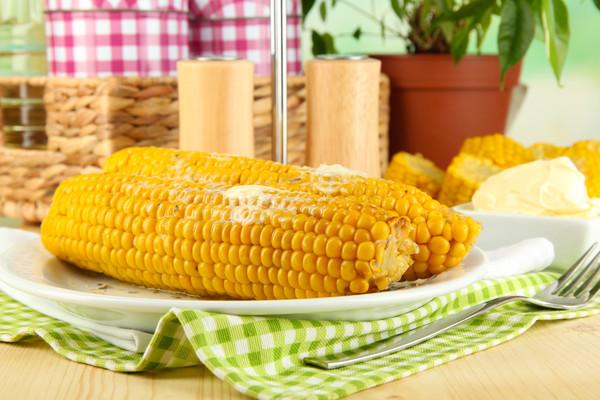
This is the name of the agricultural company that produces super early sweet corn varietiesProduction facilities are located in the Krasnodar region. Popular varieties of this company's sweet corn include Spirit and Bonus.
Early gold
An early crop, maturing in 90 days. The stem is short (up to 1.5 meters in height). The cob is 19-25 centimeters long and weighs 240 grams. The fruits have a sweet, pleasant flavor. The kernels are amber in color. The fruits are eaten at the milky stage of ripeness.
Dobrynya
An early-ripening crop, the harvest can be completed 2-2.5 months after sowing. It grows up to 1.7 meters in length, with the cob measuring 25 centimeters. Each cob contains up to 18 rows of orange kernels. The sweet-tasting fruits are used for canning and eating, either cooked or fresh.
Sundance
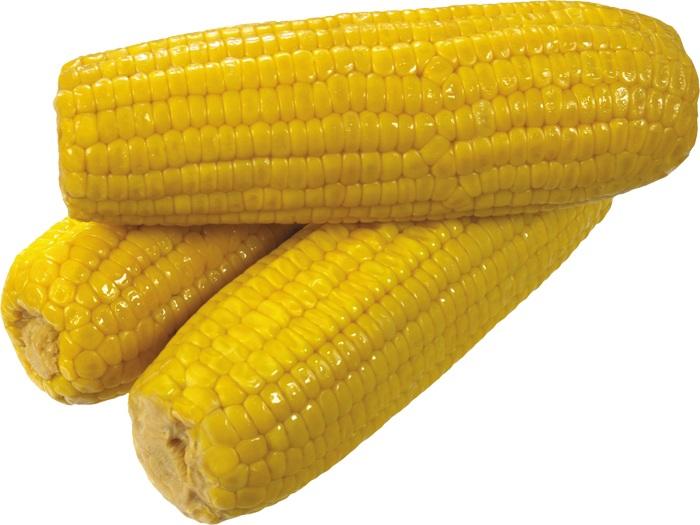
An early crop, the harvest can be completed in 72-92 days. The stalk reaches 1.5 meters in height. The ear is 21 centimeters long. The kernels are elongated and soft yellow. The sweet fruits are suitable for preserves, canning, boiled, and fresh consumption.
Sweet tooth
An early crop, it matures in 75-80 days. The stem grows up to 1.8 meters long. It produces 22-centimeter-long fruits. Each ear contains 18-20 rows of grains. Each fruit weighs 170-250 grams. The bright yellow grains are elongated.
Pioneer
A mid-season crop. Harvesting begins in 95-105 days. The ears are 20 centimeters long and 52 millimeters wide. The kernels are orange.
Syngenta
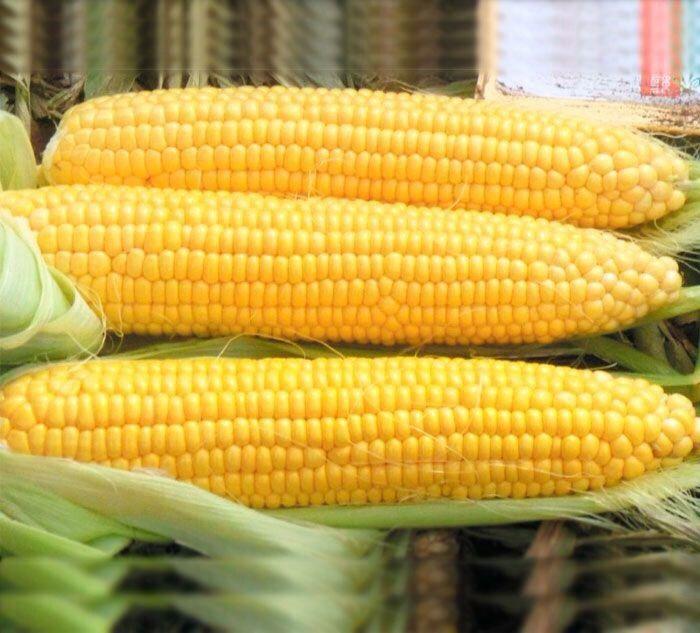
A hybrid crop that matures in 85 days. The stalk height is 1.8 meters, and each ear is 22 centimeters long and 49 millimeters wide. Each ear contains 16-18 rows of pale yellow kernels.
Jubilee
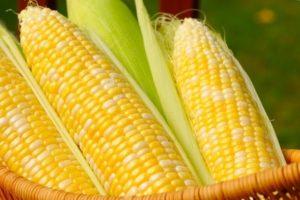
A mid-season hybrid, maturing in 80-100 days. The stem grows to 2.5 meters tall, and the cob measures 23 centimeters. The kernels are pearly yellow, thin-skinned, and sweet.
Sheba
An early, high-yielding hybrid. The fruits ripen in 65-70 days. The stem grows up to 1.9 meters in height. Each ear is 20-22 centimeters long, each producing 16-20 rows of large kernels. Ripe kernels contain 23-40 percent sugar. The kernels are a rich yellow color, which remains unchanged even after heat treatment.
Aloysia
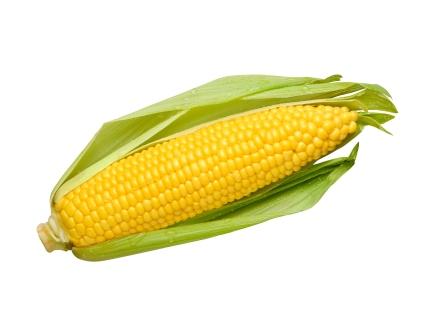
An early hybrid. The cobs ripen in 75-80 days. The cobs are large and thick, weighing 400-500 grams each. The head is 20-24 centimeters long. Each cob contains 18-22 straight rows of yellowish kernels.
Megaton F1
A mid-season hybrid of super-sweet corn. Cobs mature in 84 days. The stalk height is 2.2 meters. The fruit is 24 centimeters long and contains numerous yellowish kernels.
Helen
An ultra-early sweet corn hybrid. Harvesting begins in 65-70 days. The fruits are smooth and cylindrical. The stalk grows up to 1.5-1.7 meters in height. The ears are 18-20 centimeters long, each containing 16-18 rows of rich yellow kernels. Each ear weighs 250-350 grams. It has a sweet, delicate flavor.
Landmark F1
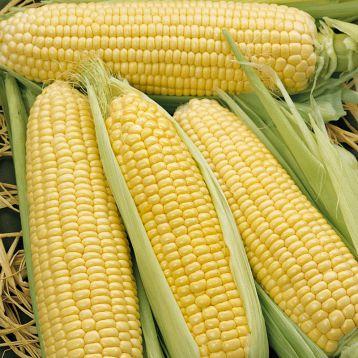
A hybrid crop that matures in 11-12 weeks. More than two ears form on a tall stalk. The fruit reaches 20 centimeters in size. Each ear contains 14-16 rows of bright yellow kernels. This sweet variety can be stored for a long time without losing its nutritional value.
Spirit F1
A mid-season Dutch hybrid. Harvesting begins in 90-100 days. The stalk height is 1.8-2.1 meters, and the cob length is 20-22 centimeters. The golden-yellow grains are sweet, tender, juicy, and large.
Legend F1
An early-maturing hybrid. The harvest can be completed in 70-72 days. The stem grows up to 1.7 meters in height. The cob is 18-20 centimeters long. Each cob contains 16-18 rows of kernels. The cobs are attractive, soft yellow, and evenly shaped.
Hardy F1
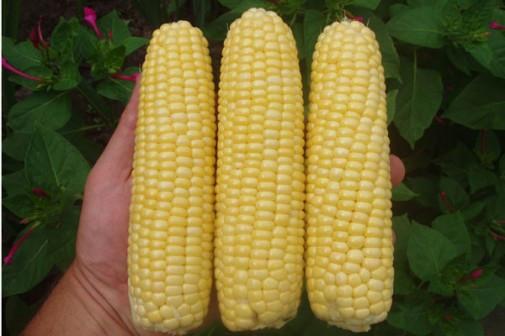
Hardy F1 sweet corn seeds produce an early crop. Cobs mature in 79-81 days. This sweet hybrid produces large fruits, 24-27 centimeters in size. Each cob contains 16-18 rows of sweet, golden-yellow kernels.
Maize
Sugar Queen corn is an early-maturing variety. The stalk grows to 1.3-1.5 meters in height. Each ear is 17-19 centimeters long and weighs 190-250 grams. The kernels are sweet, juicy, and large.
Caramello F1
An ultra-early hybrid. Fruit ripens in 59-65 days. The crop produces ears 20-22 centimeters in size, weighing 170-210 grams each. The kernels are tender, juicy, and sweet.
Black Pearl
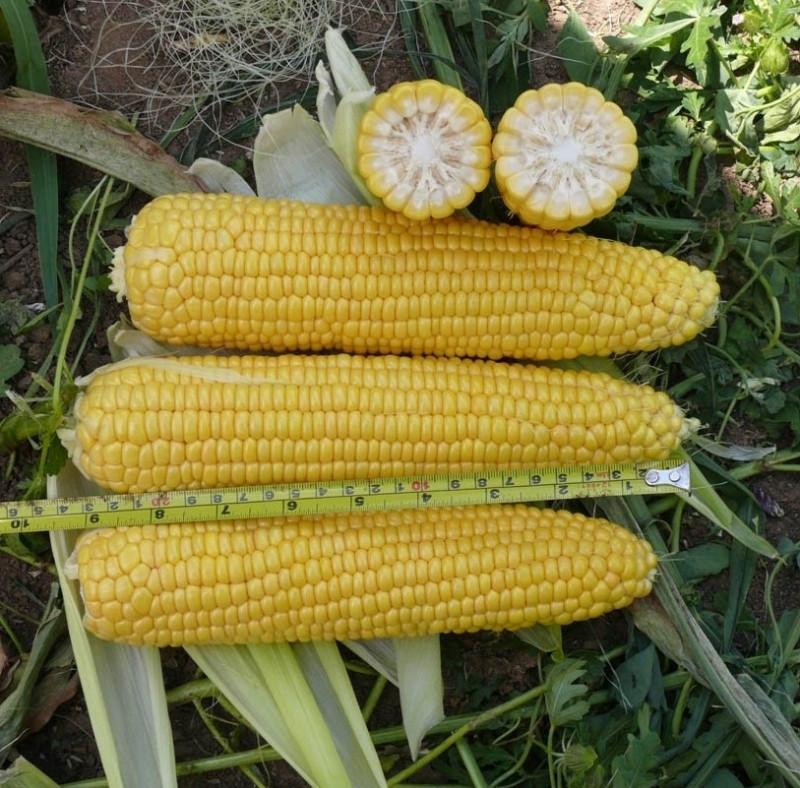
An early hybrid crop. The harvest takes 70-90 days. The stem grows to 1.45-1.8 meters. The kernels are initially pale yellow. The cobs are harvested when a third of the kernels have turned reddish-brown.
Belogorye's Sweet Tooth
An early crop. The harvest can be completed in 80-92 days. The stem grows up to 1.45-1.50 meters. The cob is 15-18 centimeters long, weighing 140-200 grams each. The yellow kernels are sweet and very juicy. One square meter can yield 4.5 kilograms of fruit.
Vega F1
A mid-season hybrid crop. The cobs mature in 72-76 days. Each cob measures 20-24 centimeters and weighs 155-225 grams. The kernels are sweet, juicy, and orange in color, and do not change color after cooking.
F1 Trophy
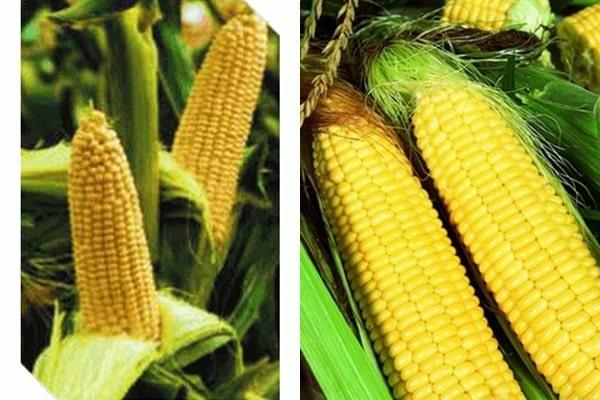
A hybrid that matures 11 weeks after sowing. The ears are 21-23 centimeters long and weigh 200-220 grams. The kernels are golden in color, sweet in flavor, and remain soft for a long time.
Golden Batam
A mid-early hybrid. Cobs mature in 76 days. The stem reaches a height of 1.6-1.8 meters. Each plant produces 4-7 cobs. The fruit is 19-20 centimeters long and weighs 200 grams. A high-yielding, sweet crop.
Super Sundance F1
An ultra-early hybrid. Cobs mature in 72 days. Two cobs, 20 centimeters long and 50 millimeters thick, form on a low stalk. The kernels have a creamy color and a delicate, sweet flavor.
Golden ear
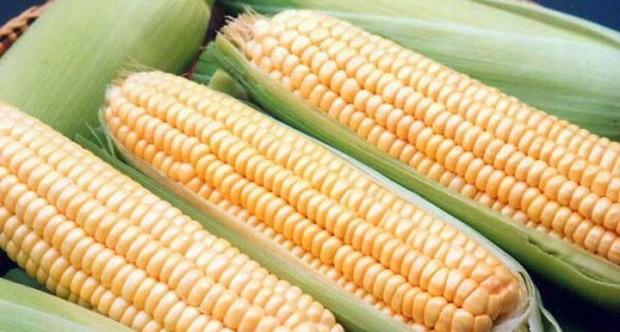
A mid-season crop. The stem grows up to 1.6-1.8 meters. The cobs are smooth and golden-yellow. Each fruit is 16-21 centimeters long and weighs 155-200 grams. They have a long shelf life and excellent flavor.
Early Sweet Tooth 121
A popular, fungal-resistant, and high-yielding variety. The growing season lasts 10-11 weeks. The stems grow up to 1.45 meters tall. The cob is 21 centimeters long. The fruits are picked and cooked when they are still in the milky stage of ripeness.
Technology of growing crops in open ground
It's recommended to grow sweet corn away from regular corn, as cross-pollination reduces the sweetness of the kernels. This heat-loving crop prefers sunny areas. Corn seedlings die at temperatures of 3 degrees below zero. The optimal temperature for growth and development is 15-22 degrees Celsius.

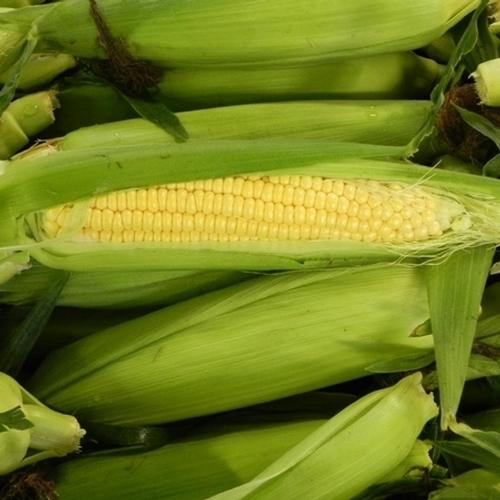
This short-day plant thrives in northern latitudes. Corn is a cross-pollinated crop. The kernels ripen when pollen from the terminal panicle lands on the pistillate filaments emerging from the husk of the cob. Male panicles bloom 3-5 days before female panicles. Corn typically blooms in July-August and ripens in September-October. Early hybrids ripen as early as early August.
Soil requirements
To obtain a high yield, corn requires fertile and neutral to slightly acidic soil. This easy-to-grow crop can grow in virtually any soil, even peat bogs and soils saline with chloride salts. However, it prefers light, well-heated soil. Loam and sandy loam soil are suitable for corn.
Optimal soil composition: garden soil, leaf soil, turf soil, peat, sand.

Corn can be planted after wheat, rye, tomatoes, potatoes, cabbage, legumes, and melons. Corn is often sown in cucumber beds.
Preparing the planting site and seed material
The corn plot is prepared in advance. In the fall, the soil is dug to a depth of 25 centimeters and fertilized with humus and potassium-phosphorus fertilizers. For every square meter of plot, apply 5 kilograms of organic matter, 50 grams each of superphosphate and potassium salt. In the fall, the soil can be sprayed with a Roundup solution (to kill weeds).
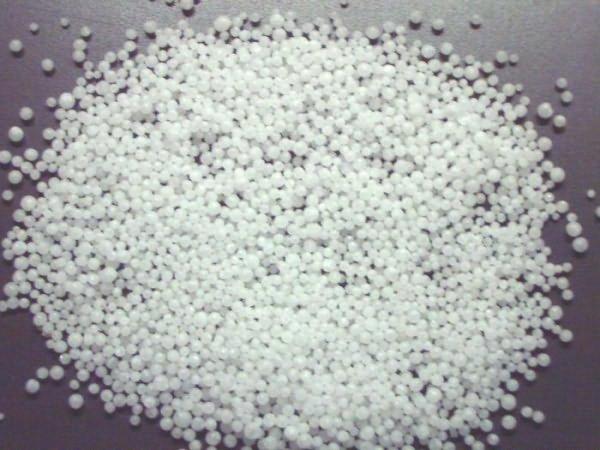
In spring, the soil is loosened to a depth of 10 centimeters, leveled, harrowed, and large clods are broken up. The day before planting, nitrogen fertilizers (nitroammophoska, ammonium nitrate) are added to the soil at a rate of approximately 50-100 grams per square meter.
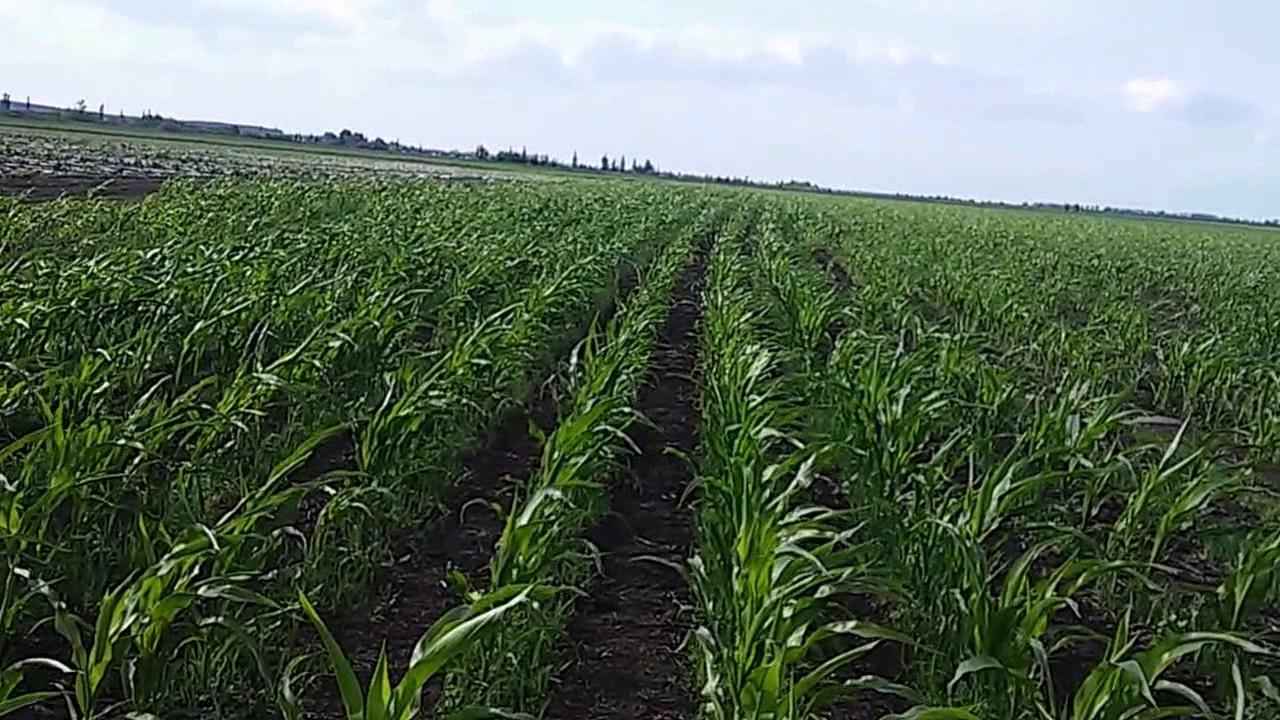
Before planting, the seeds are soaked in warm water for 24 hours, then disinfected for 20 minutes in a pink solution of potassium permanganate. The seeds are placed in damp gauze bags for 4 days. When tiny roots appear, the seeds are planted in the garden. Hybrid seeds are sold already treated for diseases and pests and are sown directly into the soil. The first shoots appear in 8-12 days.
Planting times and rules
Seeds are sown when the soil warms to 10-12 degrees Celsius. The seeds are buried 6-8 centimeters deep. The soil should be well moistened before sowing. Corn is usually planted in late April or May. Early hybrids, which are cold-resistant, are sown first. Seeds are sown in rows.
The seeds are sown in a square nest pattern. The distance between seeds should be 0.5-0.6 meters. Leave 0.35-0.50 meters of open soil between plants in the same row. Three to four seeds are sown per hole. Corn is typically grown in four rows to ensure cross-pollination.
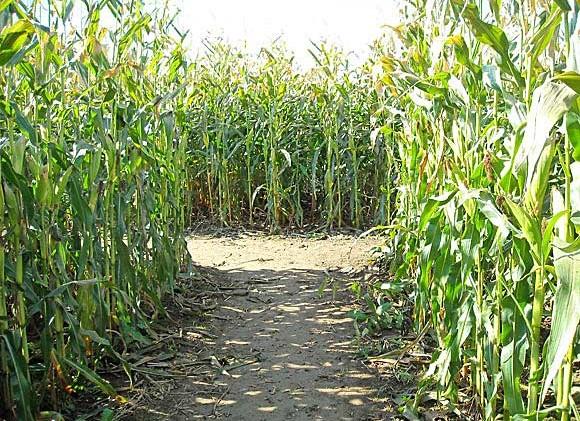
Some hybrid varieties are grown using seedlings. In this case, the seeds are sown in boxes with fertile soil at the end of March. In May, when the temperature reaches 15 degrees Celsius, the seedlings are transferred to the garden bed at 30 days old.
Corn care
Once the seedlings have 3-4 true leaves, thin out the plantings. Leave 0.35-0.50 meters between adjacent plants. The corn should be hilled to prevent the stalks from falling over. Three weeks after emergence, fertilize the corn plants. It's best to add well-rotted manure or compost to the soil.
If there are no organic fertilizers, the crop can be fed with ammonium nitrate, superphosphate and potassium sulfate.
Corn grows very slowly at first after planting. During this period, the soil must be regularly loosened, the soil crust broken up, and any weeds removed. After the eighth leaf appears on the stem, more intensive growth begins. A shoot can grow up to 5 centimeters in a day. During this period, the leaves are sprayed with a weak urea solution, and superphosphate and potassium fertilizers (35 grams per square meter) are applied between the rows.
If side shoots appear on the stem, they should be removed. During the ear formation period, the crop requires ample watering. A drought will prevent the formation of juicy fruits. Daily watering is recommended; the soil should not dry out or crack. However, overwatering corn crops is not recommended. Waterlogged soil will cause the crop to become diseased and rot.
Fight against diseases and parasites
Sweet corn is more susceptible to diseases than other grain crops. These diseases cause significant damage to corn crops. They can ruin all the efforts of gardeners and reduce yields.
Mold on grains and sprouts is a common fungal infection. A blue-green or white-pink coating appears on the grains, and the sprouts turn brown. High humidity (rain) and low temperatures can trigger the disease. Due to the fungus, not all grains germinate, and deep seeding in heavy clay soils facilitates the spread of the infection.
Take a look Also
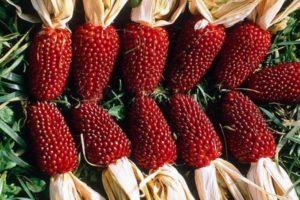
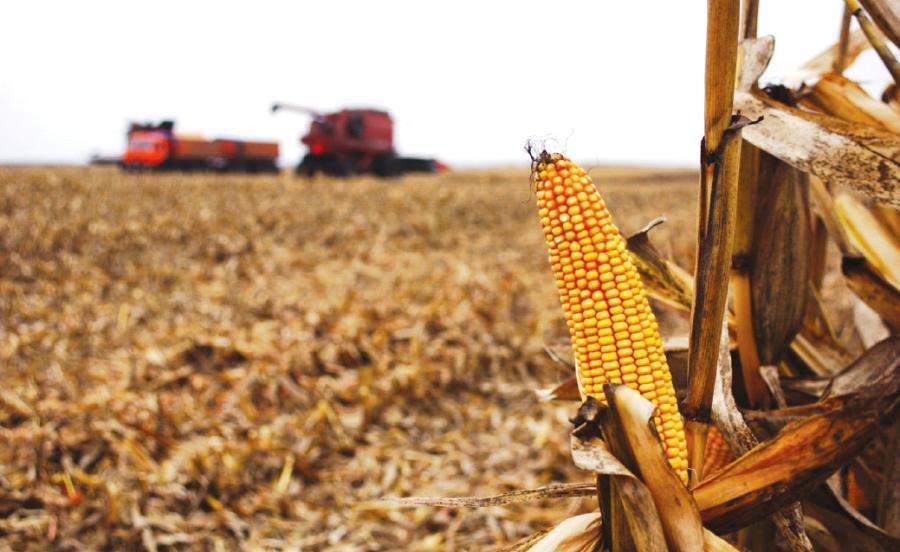
To combat fungal diseases, preventatively spray the seeds with fungicides (Maxim, Real 200) just before sowing. Seeds are sown in warm, dry weather. The soil can be pre-treated with a fungicide solution (Fitosporin, Bordeaux mixture).
There are hybrids that are resistant to fungal diseases, for example, Boston F1, Lukomorye F1, Jumbili F1.
Bladder smut is a fungal infection that affects all parts of the plant, but it causes the greatest damage to the ears. Dark swellings covered with a grayish film, containing spores, appear on the affected parts. The fungus lives in the soil and is activated during rainy weather that turns into drought. During such periods, the crop weakens, and its immunity is reduced.
Corn smut is commonly found in areas where corn grains are sown after corn. Fungicides (Maxim, Vitavax) are used as a preventative measure. They are applied to the grains before sowing. Crop rotation and weed control after harvest are essential.
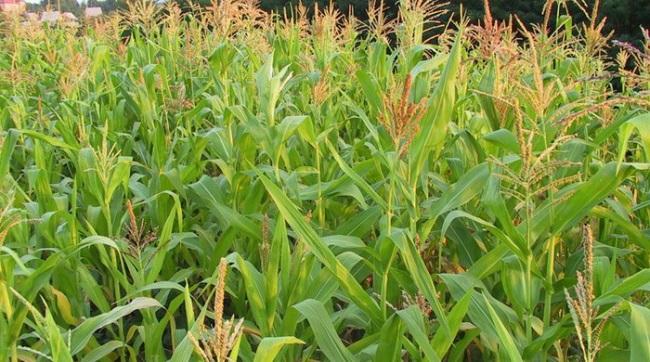
Loose smut is a fungal infection that affects only the panicles and ears. The disease transforms these parts of the plant into a dusty mass of spores. The stems grow poorly and have a stunted appearance. The ears turn into dry, cone-shaped black clumps. The disease is very dangerous, as the fungus becomes active in warm weather. The spores survive in the soil for a long time and can be carried by the wind. To prevent the disease, the grain is treated with a fungicide (Vitavax, Maxim) before sowing.
To combat infection, it is recommended to maintain proper crop rotation and remove weeds from the field in a timely manner.
Fusarium wilt is a fungal infection that affects corn cobs. A white-pink fungal coating appears on the kernels, destroying the kernels. The fungus lives in the soil and is spread by insects (such as the corn borer). The disease is most active in rainy weather. To prevent this, plants are sprayed with a solution of the fungicide Fitosporin-M.
Helminthosporium is a fungal disease that affects leaves, stems, roots, and sometimes ears. Elongated brown spots with a dark border appear on the leaves. In severe cases, the leaves dry out. If the fungus penetrates the roots, the plant wilts. The infection is most active in warm and rainy weather. To prevent the disease, spray the plants with a fungicide solution; seed dressing is recommended before sowing.
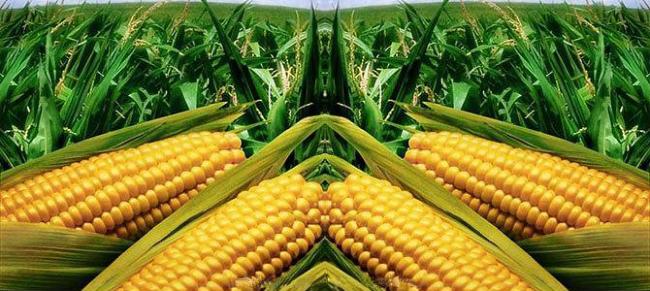
Root (stem) rot is a fungal disease that causes crops to suddenly wilt, stems to collapse, and leaves to dry out. The infection is most active in warm, rainy weather. The fungus attacks weakened plants that lack potassium and phosphorus. To prevent infection, seeds are treated with a fungicide solution before sowing.
Sweet corn is often attacked by insects. For example, wireworms—the yellowish larva of the click beetle—eat away at the kernels, damaging the underground stems and roots. To combat these worms, the soil is sprayed with insecticidal solutions (Regent 20 G) before planting.
The corn borer is a gray-brown butterfly. It begins flying in late June. It lays tiny eggs, which hatch into caterpillars. The insects feed on leaves and stems, chewing holes in them. To protect plants, spray them with insecticidal solutions (Bitoxibacillin, Lepidocide).
Collecting cobs
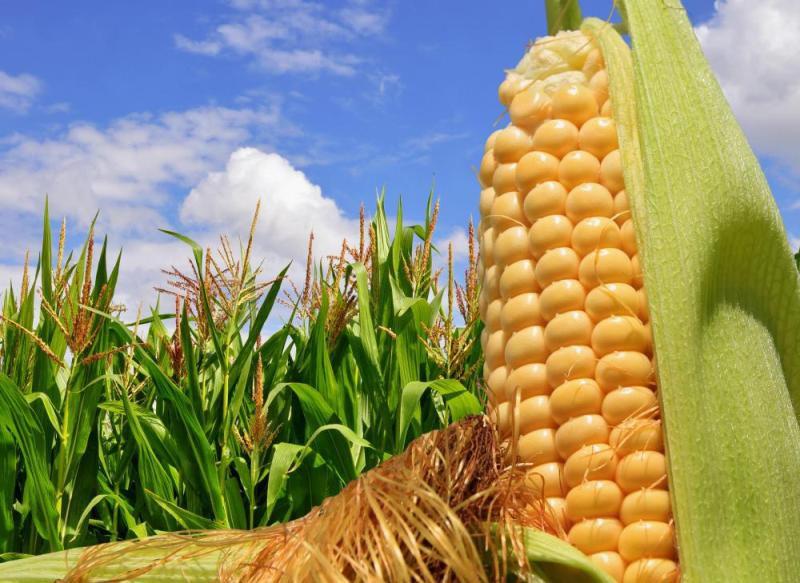
The harvest is completed when the cobs reach a milky or milky-waxy stage of ripeness. These fruits are used for cooking or preserving. When fully ripe, the kernels accumulate the maximum amount of sugar, and the husks turn yellow and dry out. Fully ripened kernels are used for seed.
Depending on the variety, the harvest is in late summer or early fall. Unripe kernels are watery inside, while overripe kernels have a doughy center. Hybrids typically have no more than two ears. The kernels should have the consistency of whipped cream. The hairs of ripe ears turn brown.
Sweet corn is used for canning and is an ingredient in many salads. Its cobs are eaten fresh, roasted, or boiled. Corn should be cooked within 10-18 days of harvesting. Stored with the husks on, at 32 degrees Fahrenheit (0 degrees Celsius), the cobs can be stored for 2-3 weeks.
Related posts:
 Description and characteristics of the most productive varieties and hybrids of corn
 Description and properties of the 50 best varieties of asparagus beans, benefits and harms
 TOP 30 best varieties of sweet peppers for greenhouses with descriptions
 Description of the best pepper varieties for greenhouses and open ground in 2025
 Names of the 7 best varieties of corn for popcorn, features of cultivation
 The best cucumber varieties for open ground in the Moscow region and their cultivation
 Rules for harvesting corn from fields for different purposes: for grain, for popcorn and for silage
 Corn sowing rules and regulations, how to plant and prepare seeds
I definitely prefer the "Golden Cob" variety because it's relatively easy to grow, its kernels have excellent flavor, and are rich in vitamins. It's also easier to determine the ripeness of this variety.