
Corn is a highly valuable crop. It is grown on five continents and used in a variety of dishes, both green and ripe. Mature kernels are ground into flour and cereals and eaten as food. It is also a nutritious feed for livestock and a valuable raw material for industrial purposes. Corn is harvested manually or using grain harvesters with special attachments. The quality and quantity of the harvest depend on proper adherence to technology.
Corn maturity stages
The crop has three stages of maturity:
- Consumer stage. When the grain contains enough starch to be eaten. This stage is also called the milky stage.
- Technical. This occurs when the grain has hardened but is still moist. This is the wax stage, and the corn can be harvested for silage.
- Physiological stage. At this stage, the grain is fully mature and ready for full harvesting and storage as is. Sugar content at this stage is at its lowest.
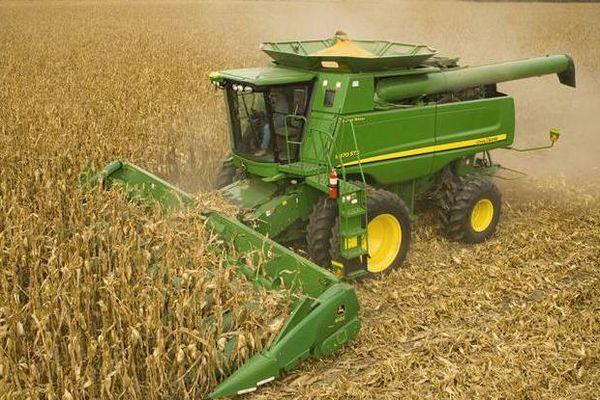
The plant should be stored when the grain moisture content on the cob is at a minimum. Otherwise, the immature corn will become moldy over the winter and become unusable.
How to Grow Corn: Infographic
When growing large quantities, keep in mind that some varieties and hybrids ripen at different times. To ensure proper planting practices and timely harvesting, it's best to sow several varieties rather than just one, allowing them to ripen in sequence.
The choice of seeds determines the yield. If the seeds are of good quality and produce uniform germination, the productivity of the corn field will be quite high.
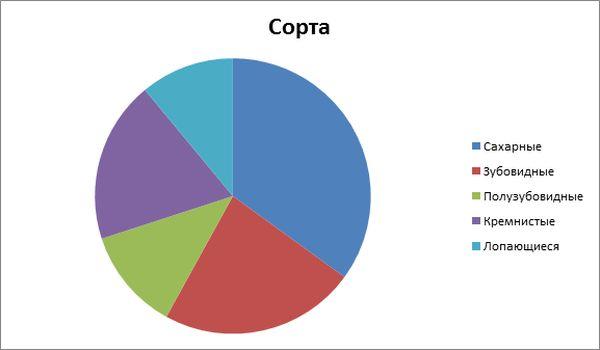
When choosing a variety, taste and yield are taken into account. Farmers grow different types of the plant:
- Sugar varieties are considered the most popular (35%). They produce high yields and can be used for a variety of purposes.
- Dent varieties are no less popular, but their nutritional value is lower and they are primarily used for livestock feed and industrial purposes, accounting for 23%.
- Semi-dentate group of corn Created by crossing dent and flint varieties, it is used in a variety of applications, accounting for 12% of all selections.
- The flint variety (19%) is often grown. It ripens quickly, contains a lot of starch, and produces high yields.
- Popcorn (11%) is popular among gardeners and small-scale farmers. It produces small, sharp kernels and is used to make popcorn and cereal.
Seeds are sown in the spring, when the soil has warmed to 18 degrees Celsius. Plant care consists of regular weeding, loosening, and fertilizing. Harvesting occurs in early or late fall, depending on the variety. Silage is harvested in the summer, at the end of the first to early second stage of maturity.
Harvesting methods are divided into cob harvesting and grain threshing. The former utilizes specialized combine harvesters. A reaper is also used, which helps reduce losses.
The second method allows the use of combines used for harvesting wheat, or a special unit for processing grain is used.
How to know when it's time to harvest grain
The harvest time depends on the purpose for which the corn was grown. If the field is intended for silage, harvesting begins when the plant is in the milky-wax stage. At this time, the cobs contain sufficient starch and sugars. The green mass is already well developed and can be harvested in large quantities.
To make silage, it's important that the corn is immature and the leaves and stalks are green. This will ensure favorable conditions for maturation after the silage is placed in the silo. The corn will begin to rot as the temperature rises. This effect won't be achieved with dry leaves, and the silage may spoil.
When harvesting for grain, the stems and leaves should be completely dry, and the cobs should be well-ripened. This can be determined by the splitting of the scales that enclose the cobs. The scales should then break easily from the main stem.
If the grain is harvested early, the quality of the harvested crop will suffer significantly, so it is harvested at the appointed time and in dry weather.
To ensure the best possible harvesting results, corn harvesting should not be delayed too long. Overripe plants become weak and may fall to the ground, significantly complicating the harvesting process.
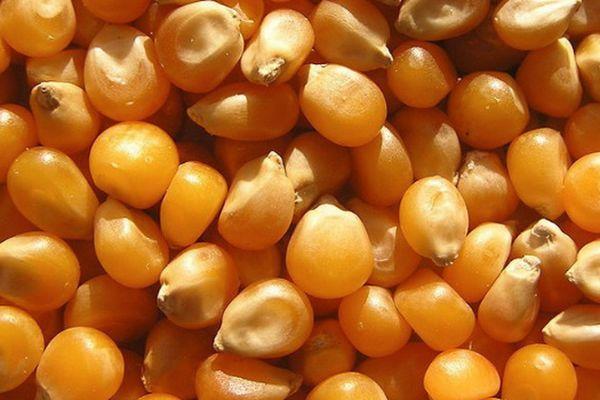
Harvesting the crop for fresh consumption
When growing corn, it's important to know when to harvest. Sometimes it's necessary to harvest it for fresh consumption, for example, for canning or boiling on the cob.
In this case, the cobs are harvested by hand. Mechanical harvesting can damage the delicate kernels. When harvesting large quantities of cobs, for example for a cannery, combine harvesters are used. The cobs are broken off the stalks but not husked. This makes them easier to transport.
Subsequently, the cobs are cleaned and threshed directly at the factory. There, they are stripped of stems and leaves, the tender kernels are cut off with a special knife, and canned.
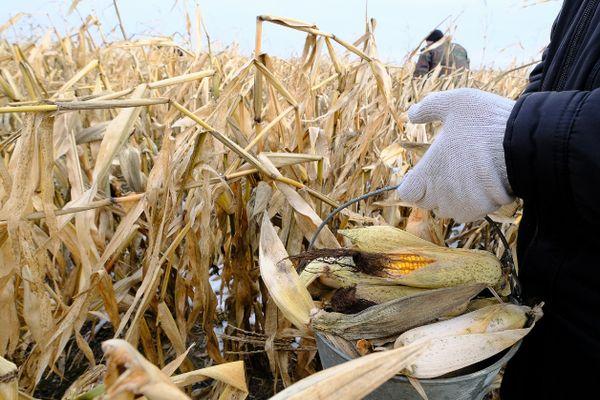
When harvesting by hand, select the cobs that grow highest on the stalk; they ripen earlier. When pressed, the kernels should exude a white, milky substance. If the liquid is clear, the kernels are not yet ripe.
You can also determine corn's readiness by the hairs. If they're dry, the grain has reached its normal ripeness and flavor, and is ready to eat.
How to harvest popcorn
Technology growing corn for popcorn It's no different from the usual ones. There are special varieties for this.
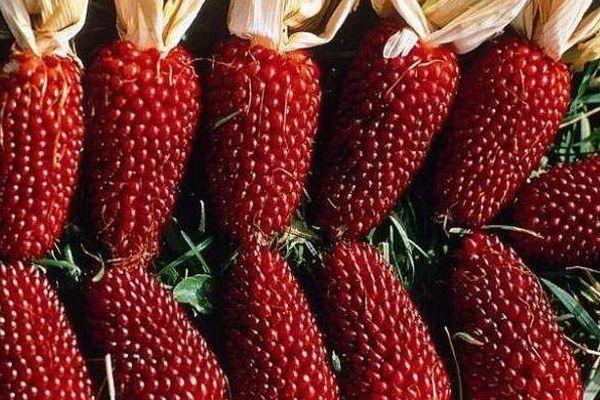
This type of corn has small, pointed kernels. The cobs are prickly and difficult to handle. Corn can be white, yellow, or red.
Popcorn corn is harvested when it's fully ripe on the vine. This ensures excellent quality and will pop well when popped. Harvesting it early and then drying it thoroughly will significantly reduce the percentage of popped kernels.
When the cobs detach from the stalk and bend toward the ground, it's time to harvest. Delaying harvesting can lead to losses. This type of corn has thin and fragile stalks. If they become overripe, the cobs can fall to the ground. There, they absorb moisture and lose their nutritional value.
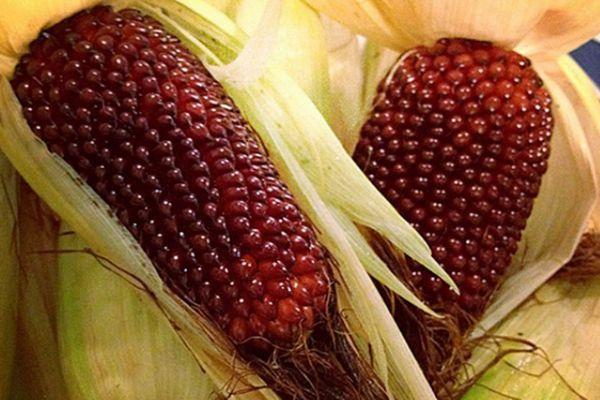
After harvesting, corn is stored in a dry place, out of reach of rodents. Popcorn varieties are quite hard and rodents don't particularly like them. However, when there's nothing else to eat, they will gnaw on them. Furthermore, when popping corn, the cobs aren't washed, as this will cause them to become damp. If mice have walked on them, they could become a source of infection.
You should not dry the corn too much, as this will also reduce the popcorn production. After harvesting, it is best to dry the cobs on a cupboard or stove, put them in paper bags and store them in a cool, dry place.
It's best to store it on the cob. It retains its properties well for a year. After that, it partially loses them, and the kernels explode less frequently. Furthermore, they can harbor pests.
Harvesting corn cobs for grain
The bulk of all corn sown is intended for grain production. Grain corn is harvested when the crop is fully mature. This product stores well for a long time.
Corn stores best on the cob, but if it's harvested while still green, the cobs may become moldy. If green corn is harvested with the kernels still on, it will heat up and spoil. Therefore, if you need to harvest the crop a little earlier than expected, it must be spread out and thoroughly dried.
Harvesting in high humidity is also harmful to the plant. If the stems are damp, the cobs break off poorly and are lost. To minimize losses during harvesting, wait until warm, sunny weather arrives.
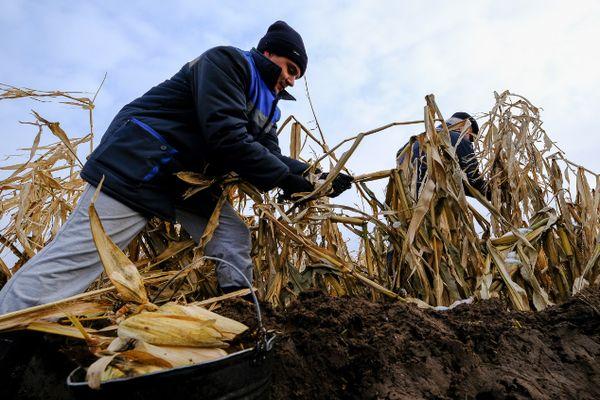
Some varieties of corn After ripening, they lose their stability and lean toward the ground. This significantly complicates the harvesting process. When a combine harvester is used in the field, some of the harvest is lost. Therefore, in such cases, it is necessary to walk through the field and remove the lost grain by hand. To avoid such problems, choose varieties that are resistant to lodging.
Corn is harvested from the field and transported to the threshing floors. Modern combines can clean the corn so thoroughly that it emerges almost clean. The finished product is left outdoors for some time to dry. During this time, it is manually inspected and cleaned. If necessary, it is sorted. Rejected cobs are set aside and used for livestock feed. Healthy cobs are stored in barns until use.
Some farmers thresh the harvested cobs directly on the threshing floor with a combine. The grain is stored or transported for processing, and the cobs are used to make biofuel. Alternatively, they are stored in a dry place and used for heating purposes.
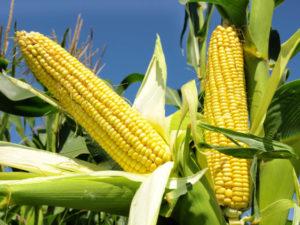
Features of harvesting corn for silage
Corn on the cob is harvested using specialized combines. However, for silage production, other machines are used that harvest the stalks and cobs, chop them, and load them into trailers. These machines are attached to a tractor and pulled across the field. They can harvest several rows at once, usually two, but can also handle more.
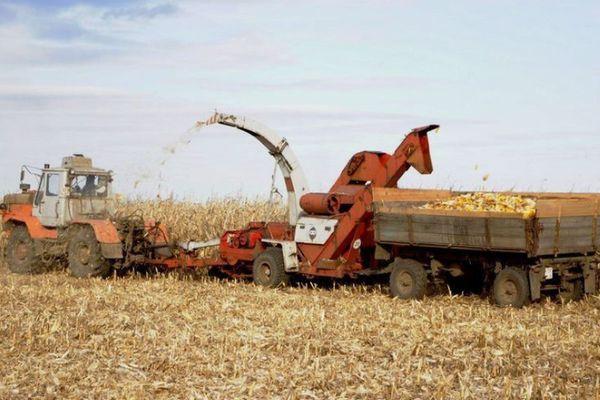
Corn for silage begins to be harvested at the end of August, when the leaves and stems are still green and the cobs have reached waxy ripeness.
The harvested material is poured into a pit and compacted tightly. On large farms, this is done with tractors. Once the pit is full, it is covered with soil to prevent air from entering. Under these conditions, the green material rots and turns into silage. It's a good idea to have rain during the silage making process. This will speed up the process and improve the quality of the forage.
Some farmers silage more mature grain, but they water it generously. The quality of such silage is slightly lower, and no amount of watering can do what nature can do.
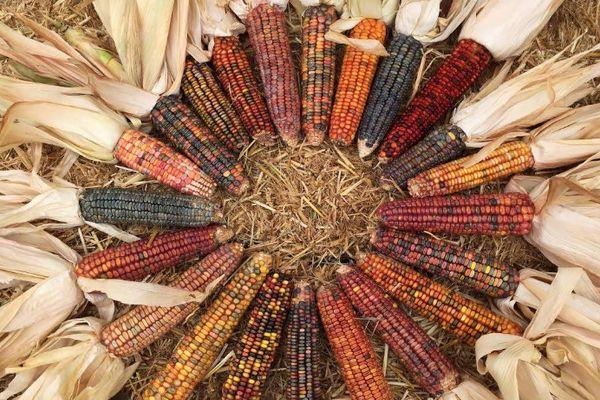
Nutritional value of corn seeds per 100 grams
Properly and timely harvesting of corn can yield a valuable food product not only for animals but also for humans. Corn can be used to make high-quality flour, grits, and flakes. Corn pops are prized worldwide and are a delicious treat for children. Popcorn, which comes in a variety of forms, is equally popular.
Corn is most often eaten with sugar or fat, so dishes made from it are quite high in calories. They are not recommended for people who are overweight. However, eating it without additives can even help you lose weight. It's rich in nutrients, but not very caloric.
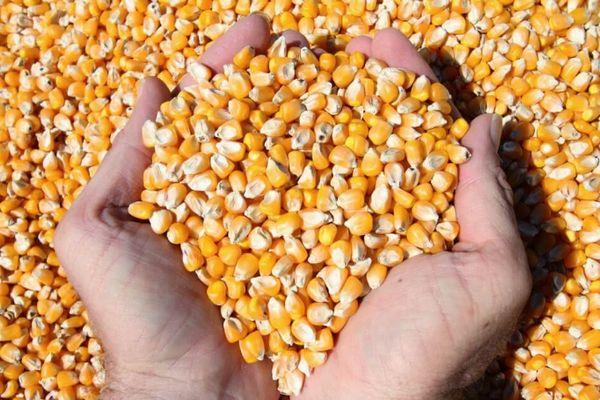
Per 100 g of product:
- Calories - 96 kcal.
- Proteins - 3.41 g.
- Fats - 1.5 g.
- Carbohydrates - 20.98 g.
- Dietary fiber - 2.4 g.
- Water - 73.41 g.
For a long time store corn It's not recommended to store it in seeds, as pests can infest it within a year. It stores slightly better on the cob, but not for more than two years.
The harvest yield directly depends on the quality of the selected seeds, timely weeding, fertilization, and properly configured harvesting equipment. If the combine is improperly configured, losses are inevitable.
Related posts:
 Description and characteristics of the most productive varieties and hybrids of corn
 Technology for growing corn in open ground and greenhouses, planting and care
 Corn sowing rules and regulations, how to plant and prepare seeds
 Description and characteristics of the best varieties of sweet corn, cultivation technology
 Technological map for growing corn for silage, seeding rates and yield per 1 ha
 Names of the 7 best varieties of corn for popcorn, features of cultivation
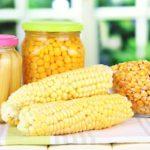 How to preserve corn kernels and cobs in jars at home for the winter
 What is corn - a vegetable or a fruit, what family does the cereal belong to and where is it used?