
Fresh corn is incredibly beneficial for the human body, but its harvest season is very short. When a bountiful harvest arrives, it's tempting to stock up for the winter so you can enjoy the sweet kernels during the colder months. How do you properly store corn on the cob to preserve its flavor and prevent it from spoiling? Many methods have been developed, but it's time to choose the most appropriate one.
Which cobs to choose
To preserve cobs as long as possible, you need to choose the right material for future storage. Storing corn is a complex matter and requires a special approach. It's best to use late-ripening varieties and allow them to ripen thoroughly. The cob should be free of rot or spoiled kernels.
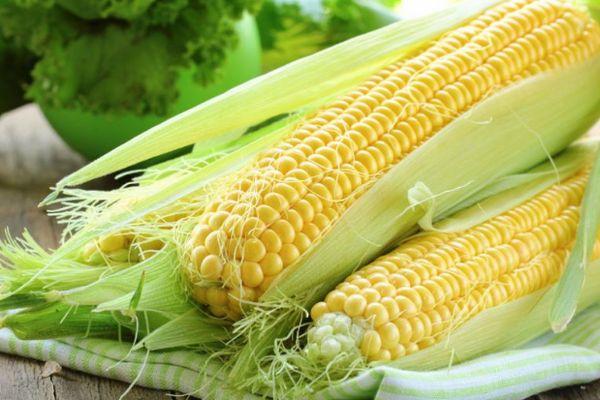
The chosen home storage method also determines the pre-preparation of the raw materials. For example, for canning or freezing, the cobs must be completely cleaned, all fibers and leaves removed, and any spoiled or unripe parts trimmed off with a sharp knife. Only ripe cobs with no signs of spoilage are suitable for drying. The leaves are cleaned only on one side, thus ensuring good ventilation and air access.
Storage methods
It's important not only to ensure that harvested corn lasts as long as possible and can be stored for future use, but also that the chosen method of storage is convenient and compact. Storing it as kernels remains the most practical method, but even this isn't suitable for everyone. It's important to preserve everything. beneficial qualities of cornwhich it possesses in its fresh form.
In the freezer
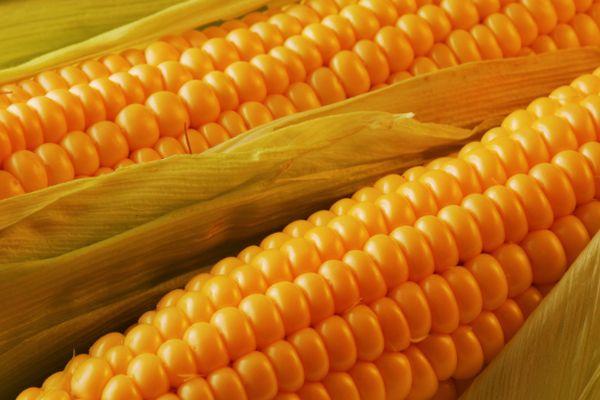
Corn on the cob keeps the longest in the freezer. The shelf life is over a year, 18 months to be exact. To save space, corn can be stored in the freezer as is. For this purpose, use a food-safe container. Proper defrosting is crucial. This should occur naturally and gradually.
Never plunge frozen corn into boiling water in the hopes of thawing it faster. The kernels will immediately lose their flavor and become rubbery.
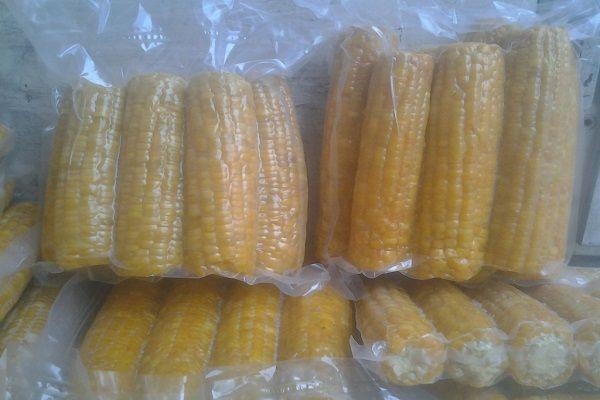
If you need to freeze the cobs, you need to follow a few steps beforehand. Prepare one pan of boiling water and another of ice water (you can add a little ice). Dip the peeled cobs first into the boiling water, then into the ice water, repeating this process several times. Then, lay the cobs out on a paper towel, let them dry, wrap them in plastic wrap, place them in vacuum-sealed freezer bags, and freeze them.
It is better to defrost corn in the refrigerator, moving it from the freezer to a shelf.
In dried form
Dried corn retains its nutritional value for about a year, meaning it can be replenished with essential vitamins and minerals until the next harvest. To dry the corn, peel only half of the husk off, not completely. Drying takes place in a dry, well-ventilated room where the harvested corn is hung. Avoid direct sunlight. A veranda or attic is ideal. The corn can be hung individually or braided.
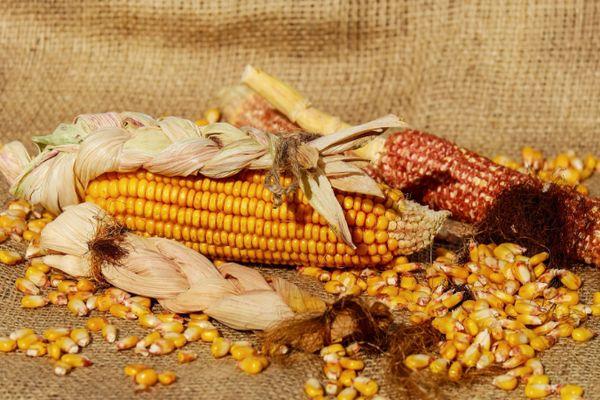
In winter, dried corn cobs are boiled and eaten. While the taste is different from freshly picked cobs, the nutritional benefits are just as good. Corn porridge is also made from this product. The kernels are mashed, ground in a coffee grinder, and cooked.
Conservation
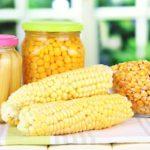
To preserve the flavor and nutritional value of corn for as long as possible, people resort to canning. Corn kernels can be stored in a sealed jar for about three years. Not only must all sterile canning requirements be met, but storage conditions must also be adhered to. The correct cooking method allows you to eat the preserved cobs whole.
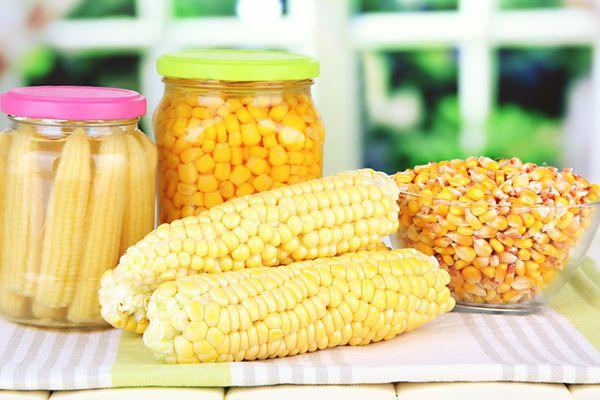
It's best to preserve corn by canning in small quantities, as an unopened container can only be stored in the refrigerator for a couple of days, after which its contents will turn sour. Corn is prepared in the same way as canned olives, with only minor differences in the recipes.
New items
Methods for harvesting and storing corn cobs for the winter are constantly being improved, with new technologies being added. Corn is used to make grits or flour. To do this, follow these steps:
- Clean the cobs thoroughly, remove the stigmas and leaves completely.
- Hang the heads of cabbage in a slightly shaded place.
- Once the corn is dry, the kernels are separated and spread out in the sun.
- Grind in a coffee grinder to the consistency of cereal or flour.
Dry grains also overwinter well in fabric bags and can be used for 1.5 years.
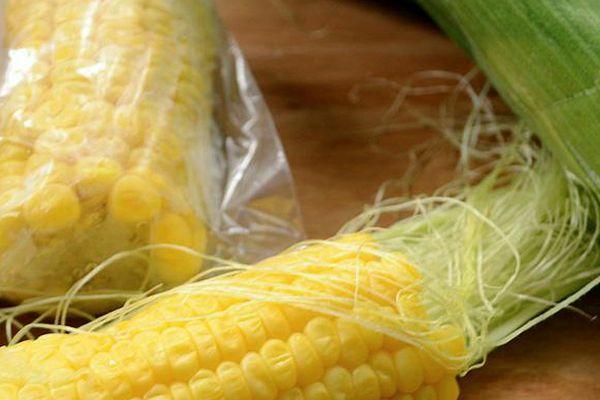
Recently, a method for preserving boiled corn has become increasingly popular. You'll need vinegar, sugar, lemon juice, and salt, as well as fresh corn with small, yellowish kernels. The cobs are peeled, placed in a saucepan, filled with salted water, and brought to the boil.
Boil for 10-15 minutes, then transfer the freshly cooked heads of cabbage to a colander and cool using any available method (cold water, ice). Carefully cut the kernels with a sharp knife and place them in a sterilized glass container. Add salted boiling water to two-thirds of the total volume and let steep for 15 minutes. Then drain and add new water. Finally, pour the cooked marinade and lemon juice over the corn.
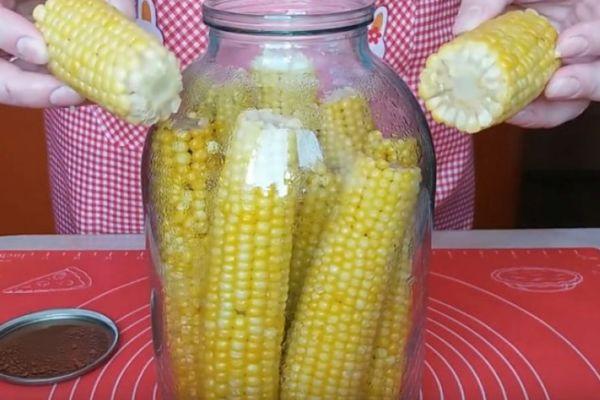
To prepare these culinary masterpieces, corn kernels are frozen in bags. Fresh cobs are shelled, the hairs and husks removed, washed, and placed in a saucepan. Then, they are covered with water, salted, placed on the stove, and cooked for fifteen minutes. A steamer is also used, but most cooks prefer the traditional method.
Once the head has cooled, carefully remove the kernels with a sharp knife and place them in small freezer bags or regular plastic bags. Pack the kernels as tightly as possible to avoid any empty space, and place them in the freezer.
Related posts:
 Description and characteristics of the most productive varieties and hybrids of corn
 Description and characteristics of the best varieties of sweet corn, cultivation technology
 Rules for harvesting corn from fields for different purposes: for grain, for popcorn and for silage
 How to preserve corn kernels and cobs in jars at home for the winter
 Technology for growing corn in open ground and greenhouses, planting and care
 Corn sowing rules and regulations, how to plant and prepare seeds
 Names of the 7 best varieties of corn for popcorn, features of cultivation
 What is corn - a vegetable or a fruit, what family does the cereal belong to and where is it used?
When growing corn, I use a bioactivator "BioGrow" , so it grows quite large. I boil it and cut off the seeds. Then I simply freeze them in vacuum bags.