
- Is it possible to grow corn from a seed?
- Description of the culture
- Appearance of the plant and fruit
- How it grows, blooms and is pollinated
- Approximate ripening times for cobs
- What you will need
- Deciding on the variety
- The best corn hybrids for grain
- Necessary equipment
- Preparing the area for planting
- What conditions are necessary for growing the crop?
- Soil composition
- Illumination
- Temperature conditions
- Humidity
- Favorable and unfavorable neighborhood
- Sowing
- Deadlines
- Depending on the region
- Depending on the variety
- Preparation of seed material
- Sowing pattern and depth
- Caring for a plant in open ground
- Watering and fertilizing
- Hilling and weed removal
- Corn diseases: treatment and prevention
- Features of growing and caring for plants under film and in a greenhouse
- When to harvest corn and how to store it
Sweet corn is one of the first grains cultivated by humans. The history of the plant, also known as maize, spans over 12,000 years. Corn cultivation ushered in the era of agriculture and enabled the development of civilization. Farming technology has evolved significantly, yet corn remains one of the world's top three cereals.
Is it possible to grow corn from a seed?
Growing corn from seed is practiced by large agricultural organizations, individual farmers, and gardeners. Planting the crop doesn't require complex agricultural techniques, and by following basic guidelines, a decent harvest of strong cobs can be achieved. The key is to select high-quality planting material. It's best to choose hybrid corn, which produces a more abundant harvest than pure corn varieties. Tall shoots located in windy areas will require additional support, so plant height should also be adjusted based on the site's location.
Description of the culture
Corn belongs to the Poaceae family and grows annually. All above-ground parts of the plant are used as raw materials in various industries. The grain is a source of essential amino acids such as lysine and tryptophan. Corn is high in carbohydrates, dextrins, proteins, and vitamins. These factors determine the use of grains and derivatives in the food industry.
The shoots, leaves, and cobs are used for animal fattening and the production of industrial products. The plant's flowers and corn oil are used in traditional folk medicine recipes.
Appearance of the plant and fruit
Corn is a tall, herbaceous plant with a single stem and a developed fibrous root system. The stem is straight, thick, and tall, reaching up to 6 meters, but typically remains 2-3 meters above ground. The linear-lanceolate leaves, approximately 10 cm wide and 1 m long at the base, completely encircle the stem.
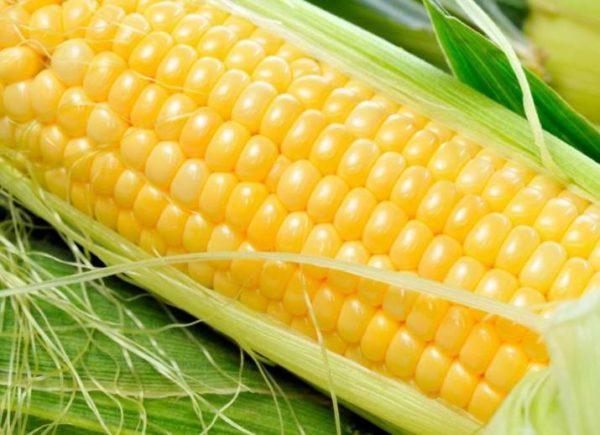
When flowering, the plant produces inflorescences of spikelets containing flowers of one sex. The male panicles are located at the top of the corn, while the female panicles are located on the ears in the leaf axils. Corn fruits are cubic or round kernels arranged in rows on the cob.
How it grows, blooms and is pollinated
To ensure a reliable harvest, corn must be grown in a dense mass. Plants planted in a single row are less pollinated and produce incomplete ears. Male inflorescences begin flowering earlier than female ones, so fertilization of single plants may not occur. Therefore, it's important to choose a planting pattern that allows several corn plants to grow in close proximity.
Pollination occurs naturally when the wind carries pollen from the panicles to the cobs below.
Approximate ripening times for cobs
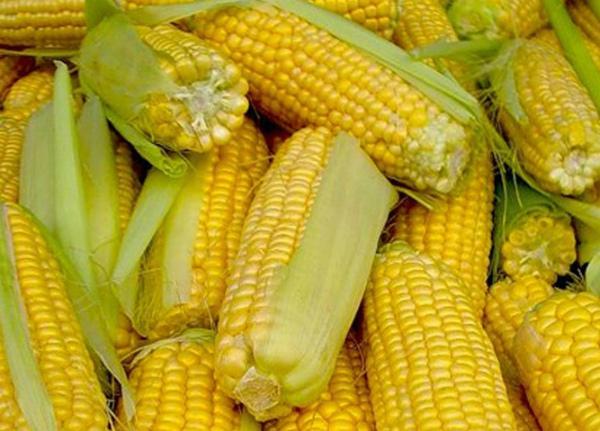
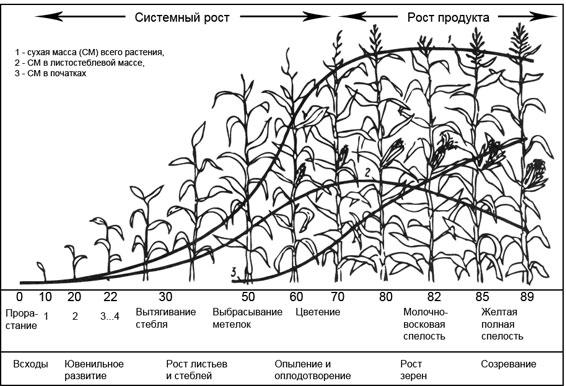
The grain ripening time depends on the plant variety, climate conditions, and growing region. On average, the cobs will be ready for harvesting 90-150 days after the start of the growing season.
What you will need
To start growing corn you need:
- Select a site for planting plants.
- Select a variety according to the region, climate and desired use of the crop.
- Determine the growing method.
- Purchase special equipment or inventory.
- Prepare planting material and soil.
Deciding on the variety
The crop has many varieties, differentiated by the type of corn. The popularity of plant groups varies by region, but the most commonly grown varieties are flint, dent, starchy, sweet, and puffed. The first three are most often used as animal feed and are also used to make flour and other by-products. Sweet or vegetable corn is used for cooking and canning. Puffed corn is used as the raw material for popcorn.
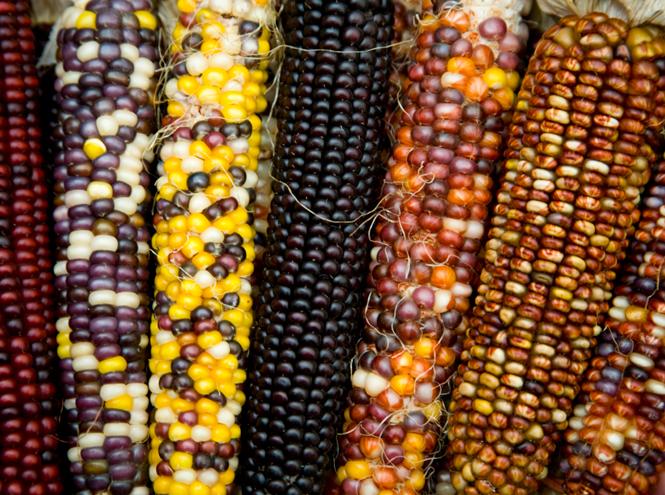
The choice of corn varieties and hybrids is incredibly large, but the most popular can be divided into groups according to their composition:
- Debut, Rakurs, Ptichye Moloko, Spirit, Bonus, and Kuban Bicolor are characterized by low sugar content and high starch content.
- Average indicators for the varieties Super, Dimoks, Sandars.
- More than 10% sugars with a small amount of starch are present in Dobrynya, Ledenets, Megaton, Paradise, Shamo.
Take a look Also
The most cold-resistant varieties are Lakomka 121, Zolotoe Runo, Dobrynya, and Spirit.
The best corn hybrids for grain
Among the large number of grain corn hybrids, several can be distinguished:
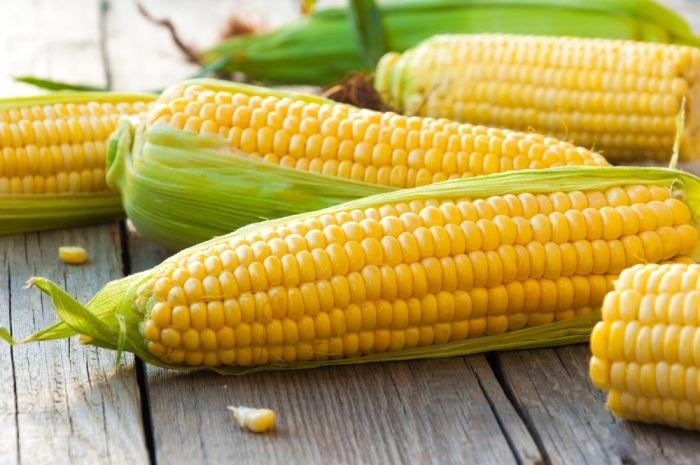
- Legend. Early-ripening cobs reach 0.25 kg in weight and 20 cm in length, with the grains taking on a yellowish-orange color. The shoots reach a height of no more than 170 cm.
- Trophy. This hybrid's cobs are also orange, approximately 21 cm long, and weigh up to 0.28 kg. The plants reach 200 cm in height and ripen mid-early.
- Madonna. This early-ripening hybrid grows to a height of 160-200 cm. The short, 18 cm ears contain yellow kernels and weigh up to 0.2 kg.
- Boston. This mid-season corn is somewhat shorter in stature, but produces a consistent yield of yellow ears up to 20 cm long and weighing 0.2 kg each.
Necessary equipment
Equipment for growing corn depends on the size of the plot being planted. For large areas, you'll need:
- plows or heavy harrows for plowing the soil in the fall;
- light harrow or cultivators for loosening the soil and removing weeds before sowing;
- seeder;
- fertilizer spreaders;
- watering machines;
- cleaning equipment.
For small plots, small, versatile equipment and automatic watering systems are sufficient. For a small garden plot, simple garden tools are sufficient.
Preparing the area for planting
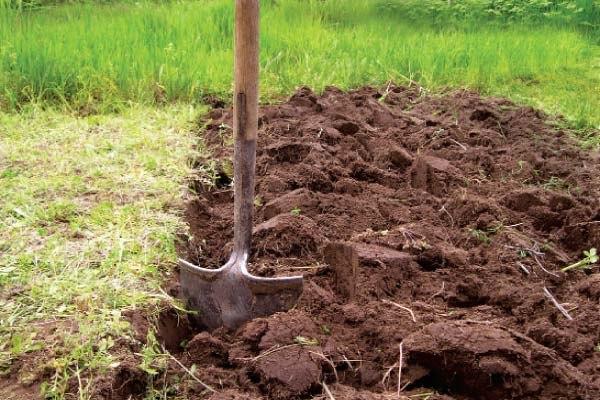
Preparing the site beforehand is essential to facilitate subsequent crop care. Corn is best grown in structured, loose soils that warm well in the sun and allow moisture and oxygen to permeate the roots. Initial preparations are carried out in the fall to ensure the soil is rich in humus and nutrients for spring planting. The following steps are required:
- Dig up the area for planting to the depth of a shovel.
- For each square meter of soil, add half a bucket of compost or humus, 60 ml of superphosphate, 45 ml of potassium sulfate.
- Water the soil generously.
In the spring, before sowing, it is necessary:
- Remove weeds.
- Dig up the soil.
- If necessary, apply potassium and nitrogen fertilizers.
- Neutralize acidic soil by liming.
What conditions are necessary for growing the crop?
When planting seeds, it is necessary to meet certain agroclimatic requirements:
- The soil must warm up to at least 8 °C.
- The place has good lighting.
- The site is protected from strong winds.
- Moisture does not stagnate and does not leave the soil very quickly.
- The variety corresponds to the climate zone.
Corn's predecessors can be tomatoes, cabbage, potatoes or legumes.
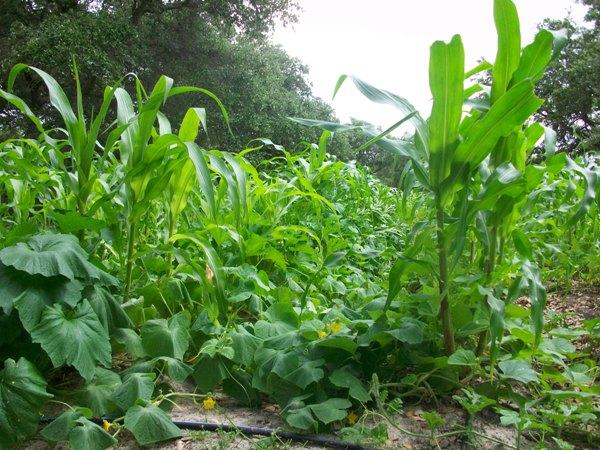 When growing crops continuously, the area must be replaced after 3 years.
Soil composition
Good corn harvest guaranteed when grown on loose soils such as:
- black soil;
- floodplain loams;
- light loams.
Low chance of growing corn if the soil in the area:
- heavy clay;
- highly saline;
- swampy;
- sour.
Illumination
Growing corn requires good light. It should not be planted in shaded areas. Normal plant growth, flowering, and yield formation are possible with 12-14 hours of daylight.
Temperature conditions
Corn begins to grow only in well-warmed soil. When planting seeds outdoors, the soil temperature should be 8-10°C. In cold climates, sowing seeds in a greenhouse or under plastic is acceptable. Plant growth begins at 10°C and ceases when the soil warms to 30°C. Optimal seedling growth is observed at 10-12°C. Flowering requires temperatures of 22-25°C.
Humidity
Despite its drought tolerance, corn thrives in well-moistened soil. The optimal soil moisture level is 75%. This level is maintained by regular watering. In dry climates, automated systems perform well. When growing plants in a greenhouse, continuous drip irrigation is used.
Favorable and unfavorable neighborhood
Good companions for corn include:
- zucchini;
- pumpkins;
- cucumbers;
- salad;
- beans;
- peas;
- beans.
Planting the crop after or near millet can lead to the spread of the corn borer, which attacks both crops equally.
Sowing
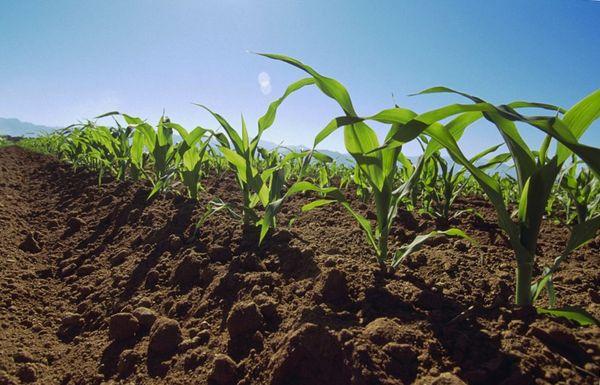
Proper agricultural practices are the most important factor in growing corn. It's important not only to select the right plant variety and prepare the soil, but also to choose the right planting time, prepare high-quality seeds, and create comfortable beds. Poor cob yields can be caused by the following factors:
- cold soil;
- plant density;
- shading;
- lack of nutrients.
Take a look Also
Deadlines
The timing of seed planting determines the ripening time of the cobs. However, if planted too early, the seedling growth rate may be reduced due to insufficiently warmed soil or insufficient daylight. The sowing time is also influenced by the region and the specific plant variety.
Depending on the region
In cold climates, growing corn is only possible in small plots or greenhouses using seedlings. For this, seeds are first sown indoors in mid-April. After three weeks, the seedlings are ready for planting in their permanent location, provided the soil warms to 10°C.
In the central part of Russia and the Moscow region, sowing corn for seedlings begins in mid-March, and in open ground at the end of May. In the south, planting can be done much earlier, depending on soil temperature. In Siberian climates, corn cobs may only ripen to the "milky" stage, as sowing does not take place until early June. In the Urals and Far East, greenhouse cultivation is preferred, using supplemental lighting.
Depending on the variety
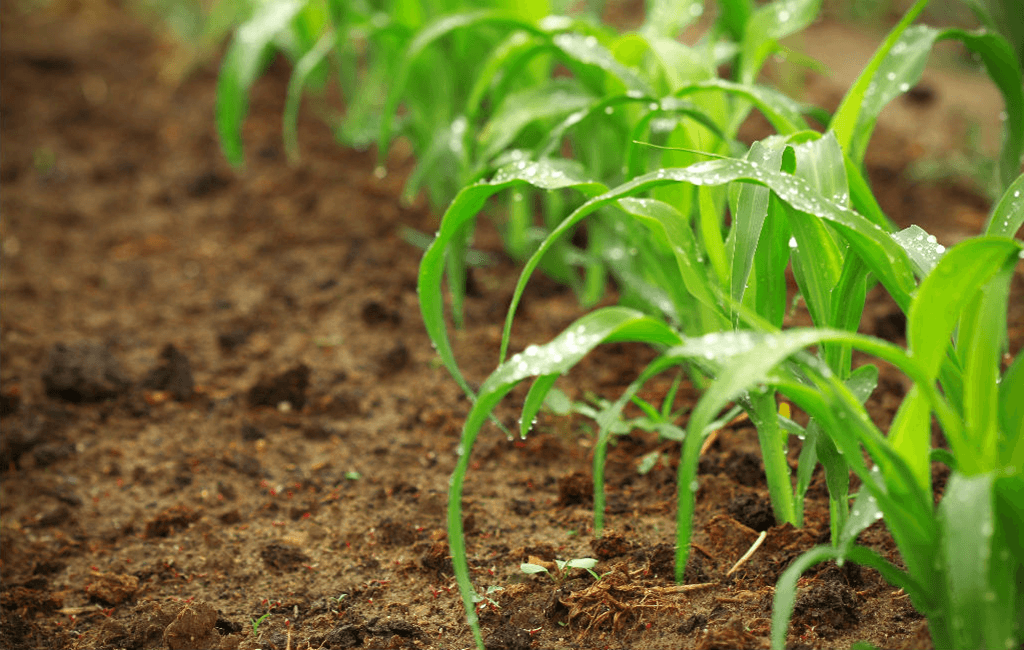
Modern selection has made it possible to significantly shift timing of sowing corn seeds earlier. During the crop's popularization, varieties required milder growing conditions, and sowing began in different ten days of May depending on the latitude. Modern plants and hybrids can be sown 20-30 days earlier without losing germination or growth rate.
Preparation of seed material
Selecting and initially preparing seeds requires careful attention, as the quality of the seed material significantly impacts the future harvest. Good seeds should be large, smooth, and free of any defects or damage. The preparation procedure is as follows:
- Place the grains in a 5% saline solution for 5-7 minutes.
- Remove any light seeds that have not sunk to the bottom of the container.
- Disinfect corn by soaking it in a solution of potassium permanganate, hydrogen peroxide, or a powdered pesticide. Disinfection lasts for 7 minutes.
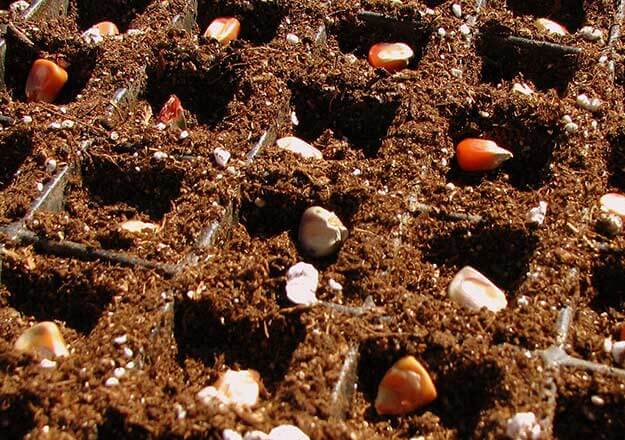
Hydrothermal treatment can replace the last step. This involves repeatedly rinsing the seeds with hot and cold water for a quarter of an hour. The temperature of the liquid should not exceed 50°C to prevent overheating and spoilage.
Sowing pattern and depth
There are several options for forming corn plantings:
- Rows. In this case, the plot is divided into strips 0.6-0.7 m wide. Seeds are planted in the center of each strip, maintaining a distance of 0.15 m between plants. After seedlings emerge, the plantings should be thinned, increasing the spacing to 0.3 m.
- Squares. This method involves dividing the plot into 0.7 x 0.7 m sections. Place several seeds in the holes where the lines intersect. As the seedlings grow, identify the strongest shoot in the group; the others should be removed when the second true leaf emerges.
Planting technology requires adjusting the seeding depth based on the sowing time. Varieties sown in late April should be planted no deeper than 6 cm. In the first half of May, corn can be planted to a depth of 8-10 cm.
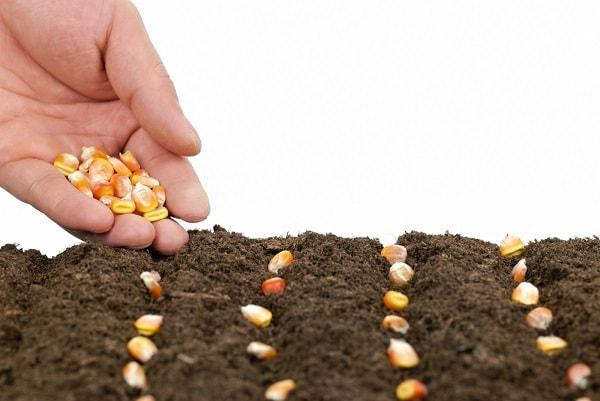 The later the corn is planted, the lower the grains may be.
Caring for a plant in open ground
During the intensive growth period, corn requires especially careful care. Plants need not only watering and weeding, but also hilling. Furthermore, pollination, which is negatively affected by hot weather, significantly impacts the quality of the harvest. It's important to keep seedlings close together and sow them simultaneously.
Watering and fertilizing
Properly managed watering provides plants with the moisture they need for growth, which is especially important during the first half of the growing season. Most corn varieties are tolerant of short-term drought, but it's still not recommended to subject your crops to such extreme conditions. Plentiful soil moisture is necessary during the following periods:
- formation of the 9th true leaf;
- flowering;
- pouring grains.
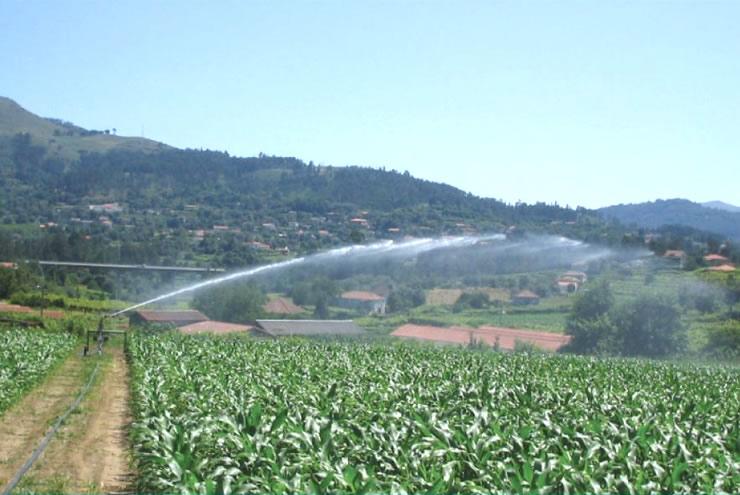
The first feeding is done during seed sowing. To do this, spray the soil with a solution of "Lignohumate" at a concentration of 60 ml per 10 liters of water. Fertilizer is applied again when panicles are forming. For 10 liters of water, use 15 g of saltpeter, 40 g of superphosphate, and 20 g of potassium. When the cobs begin to swell, you can feed the plants with a solution of "Agricola-Vegata" according to the instructions.

Hilling and weed removal
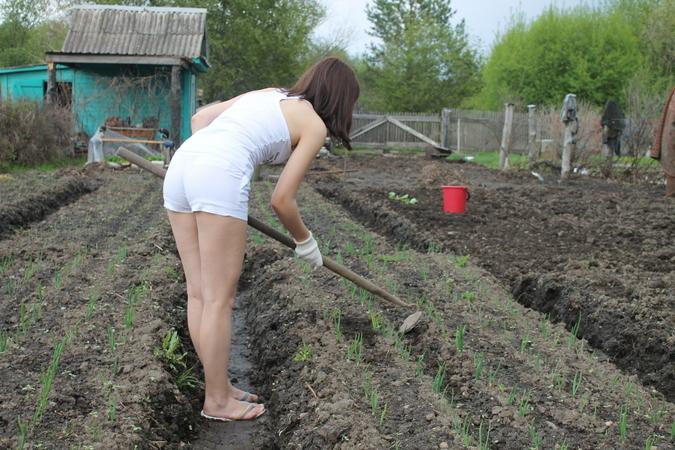
Careful soil cultivation enriches the underground portion of plants with oxygen and facilitates moisture absorption. Loosening the soil between rows stimulates the growth of additional lateral roots.
The first loosening is carried out before the seedlings appear, but it should be shallow, about 4 cm. At the same time, it is necessary to remove weeds.
Subsequent digging and weeding are carried out after heavy rain or watering. Water runoff exposes the upper part of the root system, which negatively impacts vegetation. Therefore, plants need to be periodically hilled to protect them from drying out.
Corn diseases: treatment and prevention
Varietal corn seeds are resistant to many diseases, but some infections can still affect plants:
- Loose smut. This fungal disease attacks panicles during flowering, causing deformed and darkened ears. Dry summers and hot temperatures exacerbate the condition.
- Blister smut. This infection is characterized by the appearance of oval or cone-shaped bumps on the ears of corn. The fungus can be triggered by cold air and prolonged rainfall.
- Helminthosporium. This disease infects leaves and young ears of corn, as evidenced by the appearance of brown, bordered spots.
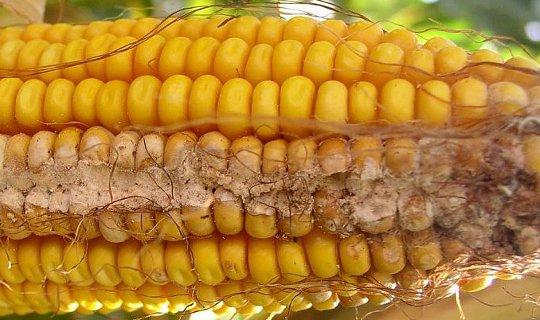
- Fusarium wilt. A pale pink bloom appears on the ears or seedlings, and the grains lose their shine and density. The disease is transmitted by infected seeds that have not been properly treated or that come from diseased plants.
- White, red, and Pythium root rot. The stem becomes very soft and covered with bumps about 1 mm in size. The roots develop slowly and rot, and the ear collapses.
- Rust. Plants begin to develop reddish spots, on which pustules appear.
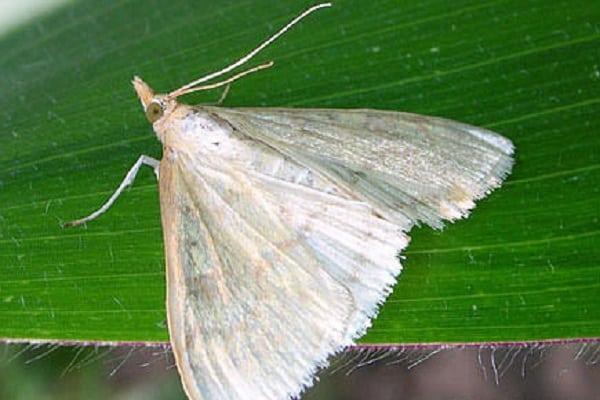
Insects that are dangerous for corn crops are:
- wireworm;
- leaf-eating moth;
- winter moth;
- oat fly;
- stem borer;
- meadow moth.
Pre-sowing treatment of grains with fungicide and insecticide solutions helps protect against diseases and insects. Diseased plants should be removed, and the remaining crops treated with appropriate products. In case of insect infestations, pheromone traps and chemical sprays can be used.
Features of growing and caring for plants under film and in a greenhouse
Corn is grown under plastic and in illuminated greenhouses in cold climates or with short daylight hours. In this case, the grains are planted in individual containers to produce seedlings, which are then moved to their permanent locations after three weeks. The room temperature is raised to 23-28°C, and after the sprouts emerge, it is gradually reduced to 15-18°C. Dense seedlings can be pricked out, and hardening off the plants begins a week before planting.
Sowing seeds under film is carried out after the soil underneath has warmed up, which usually takes several days.
Holes are made in the plastic cover, and the seeds are planted into the soil through them. Once the soil and air temperatures have stabilized and are warm enough for continued growth, the fragmentary material can be removed.
When to harvest corn and how to store it
The timing of corn harvesting depends on the purpose of cultivation. Dry, mature kernels are used to make flour, molasses, and alcohol. The so-called "milky" cobs are harvested for eating, freezing, and canning. The crop ripens unevenly, reaching its peak flavor three weeks after flowering.
Milk corn cobs are stored for no longer than 48 hours at room temperature and a maximum of 20 days at 0°C. Characteristics of "milky" corn:
- the leaf fits tightly to the cob;
- the threads at the top turn brown;
- the adjacent leaf loses its juiciness and dries out at the edges;
- yellow uniform grains touching;
- When pressing on the grain, a cloudy white juice appears.
Related posts:
 Description and characteristics of the most productive varieties and hybrids of corn
 Corn sowing rules and regulations, how to plant and prepare seeds
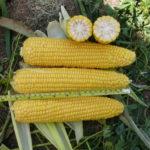 Description and characteristics of the best varieties of sweet corn, cultivation technology
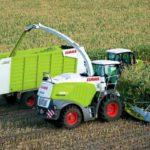 Technological map for growing corn for silage, seeding rates and yield per 1 ha
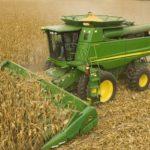 Rules for harvesting corn from fields for different purposes: for grain, for popcorn and for silage
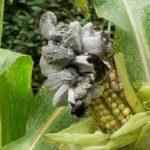 Corn diseases and pests, effective control measures and prevention
 What is corn - a vegetable or a fruit, what family does the cereal belong to and where is it used?
 Why do you need to fertilize corn? Irrigation and watering after applying fertilizer.