
Corn silage is an essential component of animal feed. Gardeners know that raising healthy livestock is impossible without feeding them corn. This supplement is used in the form of grain or silage.
Silage is made from either the cobs only (combined silage) or the entire green portion of the plant (standard silage). The same varieties and hybrids are used to grow silage corn as for grain. The timing is roughly the same, but the technology is significantly different.
Corn for silage: growing features
To obtain high-quality silage, it is necessary to study the biological characteristics of corn:
- The plant thrives on warmth: seeds germinate at temperatures above 10 degrees Celsius. Frosts below -3 degrees Celsius kill the grain.
- Roots, leaves, and stems are equally well developed. The root system first forms in the upper soil layers, then extends to a depth of 2-3 meters.
- The stem lengthens up to 5 m. The number of internodes does not change during growth.
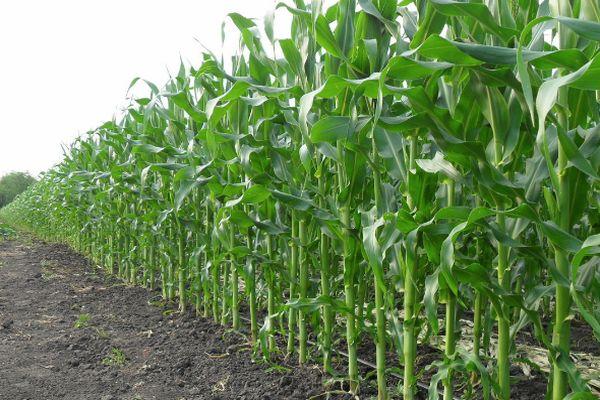
- The stem thickness is up to 7 cm. The plant forms a large plant mass, which allows for the production of high-quality corn silage.
- Grain varieties are sensitive to moisture stress during flowering and ear formation. Unfavorable weather conditions will result in grain yield losses.
- To produce high-quality silage, it's important to monitor the harvesting time of the grain. Corn is ready to harvest when the dry matter content is 28-30%. Corn harvested at other dry matter levels is not suitable for silage production.
Corn is a demanding crop. To achieve a good silage yield, it's recommended to study the soil characteristics, crop rotation, and light conditions of the growing area.
Crop rotation
Using silage to feed animals during the winter is preferable to using grain. Some animals cannot digest whole grain corn, requiring it to be ground for them. This requires additional time from the gardener.
Silage has a softer texture. Animals readily eat it. The feed is easily digested and fully absorbed. The green mass of the plant contains vitamins, amino acids, and plant-based fats.
Gardeners know the high nutritional value of silage. They feed corn silage to chickens, rabbits, goats, and cows. It promotes muscle growth, increases milk yield, and boosts egg production. The animals feel healthier, their digestion improves, and their circulation normalizes. Including silage in their diet allows them to survive cold weather without losses.
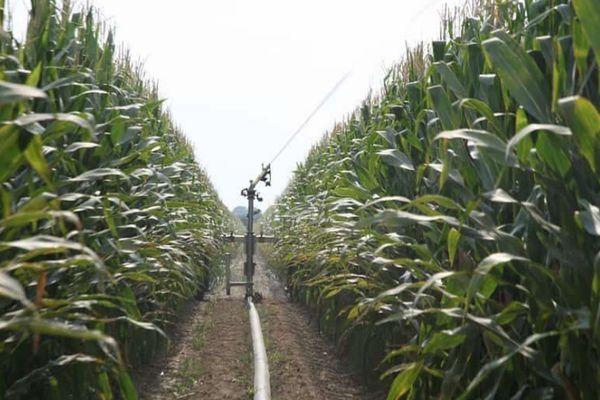
With proper care and respect of growing conditions corn yield per 1 hectare reaches 50-60 tons. When growing corn for regular silage, the yield can be increased to 100 tons. This is achieved by increasing irrigation.
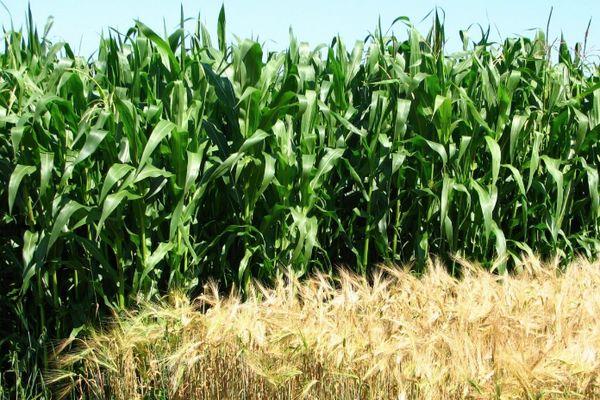
This crop is demanding of soil conditions. The soil must be free of weeds, sufficiently permeable to moisture and air, and fertile. To obtain the desired amount of silage, crop rotation should also be followed. The best predecessors are legumes, cucumbers, tomatoes, potatoes, and melons. Corn is returned to its original location after 4 years..
Soil
Corn is a demanding plant. Soils with a neutral pH are suitable for sowing corn for silage. The plant produces silage on chernozem, sandy loam, sandy soil, and light loam soils. If the soil pH indicates acidity, liming is required.
The soil should allow air to reach the plant roots. Silage seeds germinate when the soil air content is approximately 20%. It is recommended to keep the beds loose.
The crop requires moisture in the soil. However, in flooded or waterlogged areas, it will be impossible to produce grain for silage. High groundwater levels lead to root rot and death of the above-ground portions. In regions with frequent and heavy rainfall, it is recommended to manage water runoff from the beds.
Weeds inhibit silage corn. Before sowing, the soil must be cleared of perennial weed roots. Weeds should be removed as soon as seedlings emerge. If possible, before sowing a plot for corn requires treatment with herbicides.
Plant precursors improve soil properties. It's best to plant this crop after legumes, nightshades, and buckwheat. It's not recommended to plant it after buckwheat, beets, or sunflowers, as these crops disrupt the balance of micronutrients in the soil.
Varieties and hybrids of corn
Growing corn for silage has its own unique feature. It doesn't require waiting for the cobs to fully mature. The bulk of the feed consists of immature kernels and green mass. Therefore, the plant's growing season can be long. However, before harvesting, the kernels, at the milky or waxy stage, should have accumulated the maximum amount of micronutrients.
When sowing for silage, early varieties are often alternated with mid- and late-ripening varieties. When selecting grain for sowing, preference is given to resistant varieties with a vigorous habit.
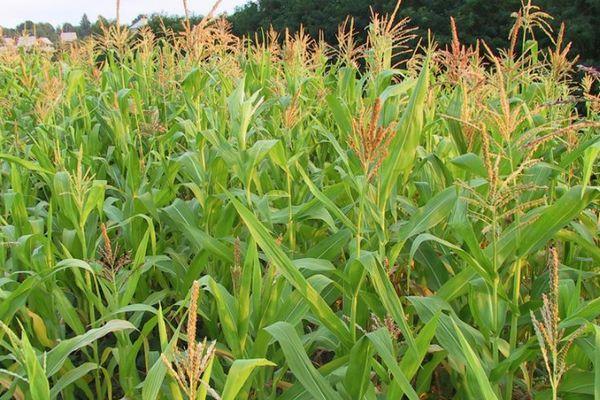
Currently, varieties are ensiled and varieties of corn:
- Sterling;
- Viburnum;
- Oak grove;
- Dnepropetrovsk;
- Adaway;
- Partisan;
- Ossetian.
Corn harvesting Straw should be harvested at a moisture content of 45%. The stems and leaves are cut, crushed, and dried. They are then added to wet mashes or used to make pelleted feed.
To increase the plant's resistance to disease and accelerate germination, seeds are treated with manganese. The solution should be dark pink in color. The temperature should be 40-45 degrees Celsius. The seeds are immersed in the solution for half an hour, then rinsed and dried.
Sowing dates
To obtain a decent harvest of corn silage, you should follow the basic rules for planting and caring for the crop.
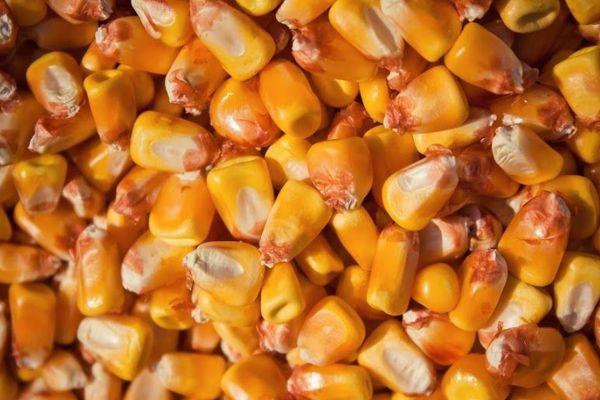
Sowing should be done exclusively in warm soil. The soil should be warmed to 12 degrees Celsius at a depth of 10 cm. A large cob harvest can be achieved by planting the seeds at the correct depth. In light, loose soils, sow at a depth of 8 cm; in denser soils (loams, black soils), sow at a depth of 4-6 cm.
Table of deadlines for carrying out work on areas occupied by crops:
| What should be done? | When to do the work |
| Preliminary autumn plowing with deep turning of soil layers | August-October |
| Harrowing the empty land to a depth of 4 cm | April (beginning) |
| Harrowing to 5 cm and removing weeds | April |
| Pre-sowing seed preparation | May (beginning) |
| Sowing | May (first ten days) |
| Loosening the top layer of soil before seedlings emerge | May (7 days after sowing) |
| Weed removal and loosening | As I grow up |

Some gardeners use herbicides to treat their crops. It is important to remember: medications should be used according to the instructions on the packaging.Corn is harvested for silage as it matures (usually in August).
Density of sowing corn for silage
The seeding rates for corn silage are determined by the following key indicators:
- grain maturity;
- soil moisture;
- varietal characteristics.
With a good harvest, the average planting density in a vegetable garden is 6-8 plants per square meter. When sowing corn for silage, it's important to obtain the required amount of high-quality green mass. In this case, the taller the plant grows and the more green mass, the better. This will help retain more moisture in the soil. The stems and leaves will more quickly acquire the required amount of nutrients.
To obtain high-quality green fodder, plant density is ensured by sowing according to the following pattern: 40 cm x 60 cm. In a vegetable garden, it is acceptable to plant in a square-nested pattern: 40 cm x 40 cm.
Fertilizers
Corn grown for animal feed must have time to gain green mass during the growing season. This is impossible to achieve without the addition of mineral and organic fertilizers.
The plot for silage crops begins to be prepared in the fall. The soil is dug over and potassium-phosphorus fertilizers are simultaneously applied. These can be purchased individually, or as a complete autumn fertilizer package. The manufacturer specifies application rates on the packaging.
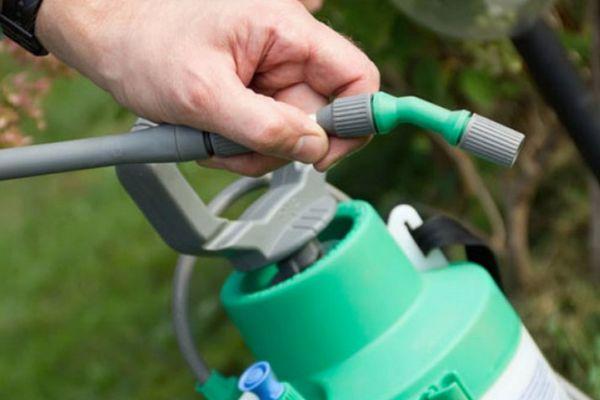
During spring tillage, it is recommended to add a mineral fertilizer again. To avoid excess minerals in the soil, strictly follow the manufacturer's instructions.
A good silage harvest is impossible without fertilizing the soil with nitrogen. The first application should be well-rotted manure or three-year-old compost before planting corn. It should be applied to the depth of a spade during digging.
The second time, the plants are fertilized with nitrogen upon emergence. Foliar feeding is performed using a 1:5 dilution of mullein or chicken manure (1:8).
It's recommended to closely monitor the plant's condition. If the leaves are excessively green, add phosphorus. Potassium deficiency is indicated by yellow, wilting leaves. If nitrogen levels are low, plant growth and development will stall.
Herbicides
Corn cultivation is impossible in weed-ridden soils. The plant is easily overwhelmed by harmful plants. It doesn't receive enough light, moisture, and nutrients. The crop won't produce sufficient green mass.
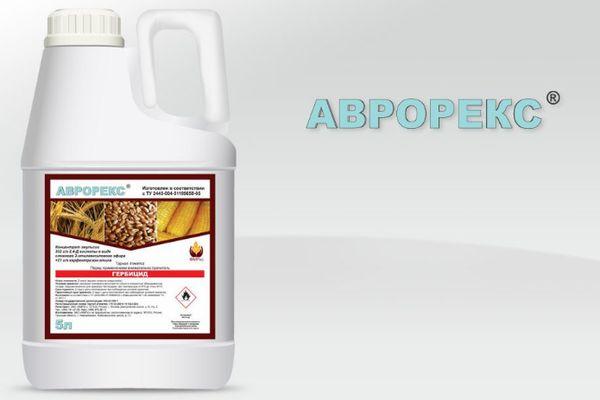
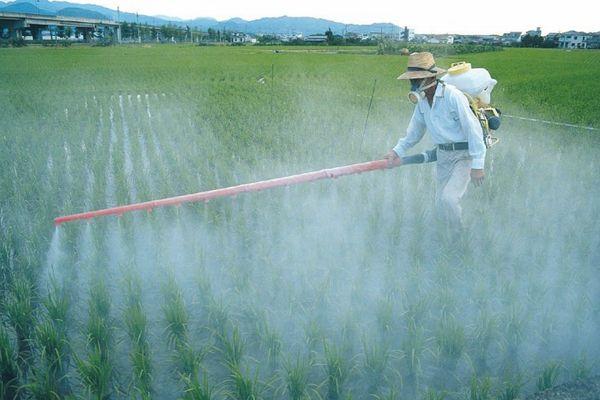
Clearing the soil with just weeding isn't always possible. Gardeners are forced to resort to chemicals. Manufacturers offer two types of herbicides:
- for processing soil free from plantings;
- to remove weeds from existing seedlings.
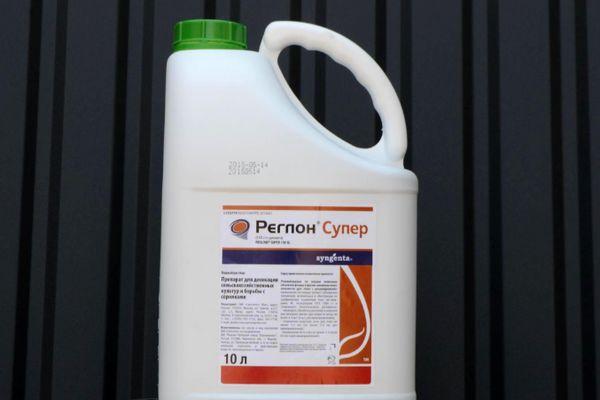
The first type includes Avrorex, Erodikan, and Reglon. These products are applied at a rate of 8-10 l/ha. More aggressive weed control products include Harness and Roundup. They are applied at a rate of 3 l/ha.
After emergence, corn for silage is treated with solutions of the following products: "Ballerina," "Milady," "Adengo," "Dialen," "Turbin," "Desormon," and "Luvaram." Prepare and apply the solution strictly according to the manufacturer's instructions. The recommended application rate is 2 l/ha.
Proper use of herbicides allows for the production of forage units per hectare to be 10-15% higher than the traditional amount.
Diseases and pests
If corn silage cultivation practices are not followed, the plant becomes susceptible to pest infestations and diseases. The yield of green fodder declines, and the quality of the forage produced is compromised.
Corn silage crops are under active attack:
- The oat fly feeds on young seedlings, destroying crops during the formation stage.
- Wireworms penetrate the stem through the roots and gnaw out its central part. The leaves and immature cobs turn yellow and dry out.
- The cutworm feeds on all above-ground parts of the plant. It is especially attracted to unripe kernels of the cob.
- The meadow moth eats young corn leaves.
To preserve the silage corn harvest, it's important to combat any pests detected promptly. Inspecting the crops every 3-4 days is recommended. To kill insects, spray the plants with insecticide solutions.
From diseases for silage corn Powdery mildew, smut, and rust are dangerous. They can destroy standing crops. Diseases are easier to prevent than to cure. To ensure healthy plants, it's important to follow proper growing practices and adhere to grain crop rotation standards.
Harvesting corn for silage
The timing of silage harvesting is determined by the degree of maturity of the grain on the cob. Botanists differentiate maturity levels into:
- stage of grain formation (2 weeks from the moment of fertilization);
- milky ripeness (when pressed, the grain is easily crushed, and “milk” remains on the fingers);
- milky-wax (the grain is not completely destroyed, a thick “milk” with “wax” remains on the fingers);
- waxy (white liquid stops being released, the grain consistency is dense);
- full (2 weeks after wax ripeness).
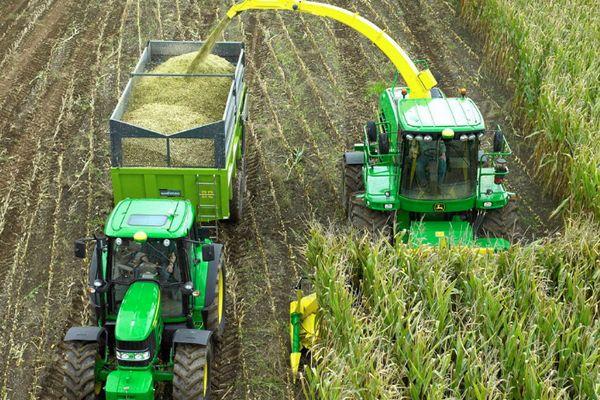
It is recommended to begin harvesting corn for silage during the milky-wax stage of maturity. At this time, the green mass contains the greatest amount of nutrients and vitamins. The stalk contains up to 80% moisture, the leaves 35%. The grains contain 35% moisture.
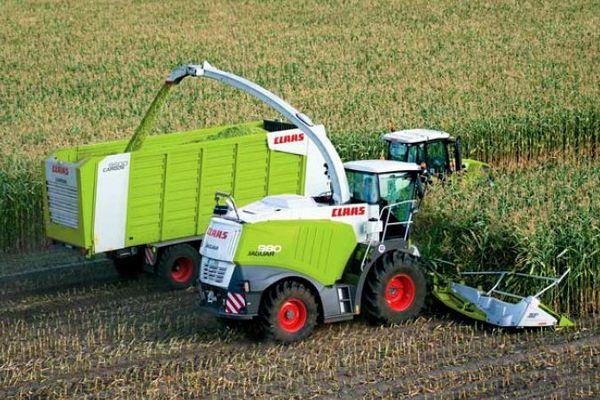
When harvesting, the cobs must first be cut, then the green mass. The stalks are mown at a height of 15 cm from the soil surface. When harvesting large areas, a combine harvester is used. For smaller gardens, a sickle or sharp knife is sufficient.
Dry, sunny weather is ideal for harvesting silage. Harvesting times and procedures must be followed to ensure high-quality, nutritious feed for livestock.
Related posts:
 Rules for harvesting corn from fields for different purposes: for grain, for popcorn and for silage
 Description and characteristics of the most productive varieties and hybrids of corn
 Technology for growing corn in open ground and greenhouses, planting and care
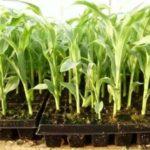 Corn sowing rules and regulations, how to plant and prepare seeds
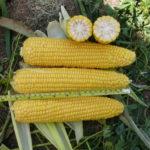 Description and characteristics of the best varieties of sweet corn, cultivation technology
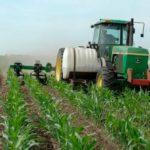 Why do you need to fertilize corn? Irrigation and watering after applying fertilizer.
 What is corn - a vegetable or a fruit, what family does the cereal belong to and where is it used?
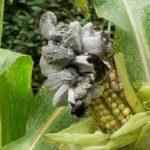 Corn diseases and pests, effective control measures and prevention
I'm planning to start growing corn for silage, but I don't know much about this technology yet, but after reading it, everything became more or less clear.
Let's see what comes of this.
The material is good, I recommend reading it.