
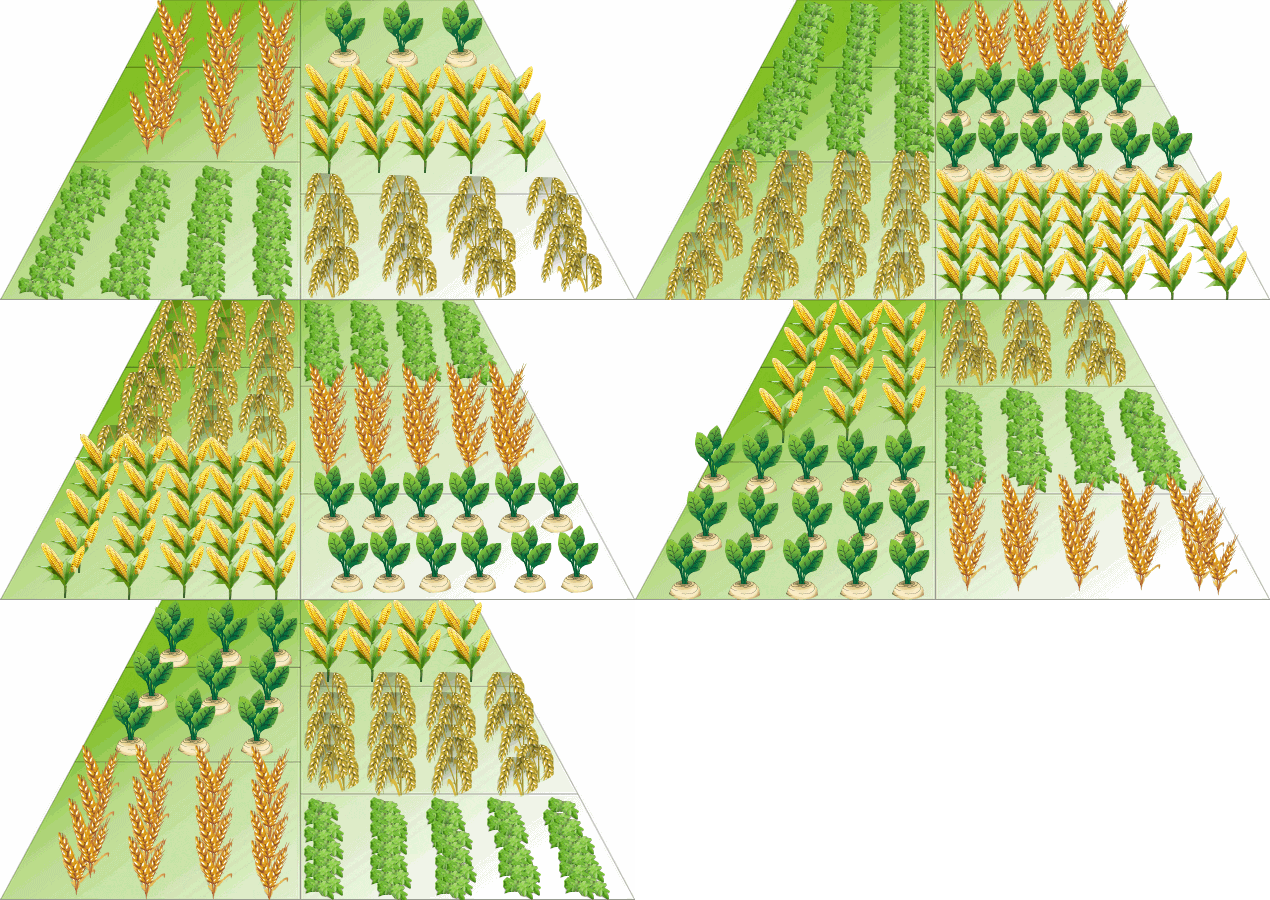
Corn is the predecessor to many crops. After sowing and harvesting, weeds disappear. The soil is plowed, roots included. As the greenery decomposes, the soil becomes enriched with beneficial micronutrients. Corn is used in short-term crop rotations. Soybeans, which deposit large amounts of nitrogen in the soil, are the best predecessor for corn.
Why crop rotation is necessary: basic rules
Ideally, crop rotation should be practiced every year. The reasons for this are:
- Increase in pathogenic organisms and pests in the soil.
- Toxin accumulation. The plant's roots secrete colins. Even in the absence of pests, the plant stops growing. The toxins themselves are to blame.
- Growing one crop in one place for several years leads to the depletion of specific elements that corn feeds on.
All of these factors tire the soil. Crop rotation helps prevent this. The key is to follow these basic rules:
- Botanical rules: Don't plant related crops in the same place, as the causes of soil fatigue are common. So, nothing will change.
- Time. Plants should not be replanted for at least 3-4 years. The motto is: "The longer you leave them alone, the better off the plant is."
- Fertility Rule. Plants that enrich the soil and balance its nutrient supply should be alternated. For example, legumes loosen and enrich the soil. Therefore, they serve as precursors to many plants. It's not advisable to plant nutrient-demanding crops one after the other. Consider similar root systems. They will extract nutrients at the same depth, thereby depleting the soil.
Keeping a diary of where vegetables are located in your garden will help you follow the rules, as it's difficult to remember and keep everything in your head.
Take a look Also
Biological characteristics of corn
Corn is an annual plant. Its root system is extensive and layered, reaching depths of 1.5 to 3 meters.
The growing season varies between 80 and 200 days, depending on the variety. This plant is heat-loving. Seeds are sown in warm soil. Germination requires temperatures of at least 10 degrees Celsius. It tolerates spring frosts well. The plant recovers within 7 days, and new leaves emerge. Autumn frosts can be devastating. Most varieties require temperatures of 22-24 degrees Celsius. The exception is cracking corn. Lower temperatures are required during the period after flowering until full maturity.
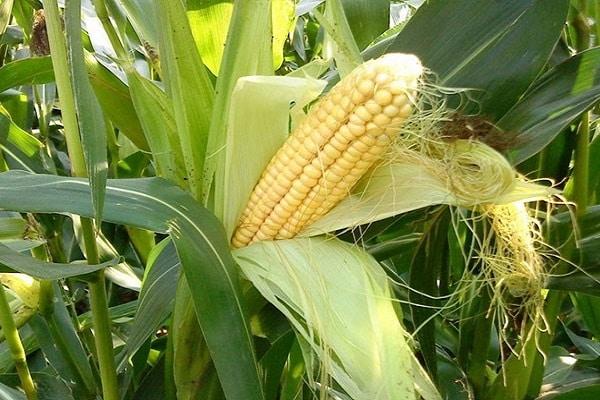
The seedlings grow slowly and require supplemental watering if there is no rain. The crop requires moisture during grain formation. Pollination occurs by wind. If there is no wind, the corn is pollinated by hand. The panicles are shaken.
After rain, the seedlings need to be loosened and weeded. The corn will eventually stretch and outgrow the weeds on its own. During the first few weeks, thin the seedlings, leaving strong, healthy shoots.
The plant responds well to organic and mineral fertilizers. It produces high yields in fertile soil. It does not tolerate acidic, sandy, light, or heavy clay soil.
What microelements does the crop need in the soil?
Cultivated varieties differ from wild corn in their vigorous growth and large cobs, as they receive large amounts of micronutrients. Per 100 kilograms of grain, up to 3 kilograms of nitrogen are required during the growing season. A deficiency of this element prevents the plant from reaching its optimal length, and the leaves become smaller. Plants especially need nitrogen during the flowering and cob formation phases.
One ton of grain requires up to 10 kilograms of magnesium, 30 kilograms of potassium, and 12 kilograms of phosphorus.
Phosphorus deficiency is noticeable on the leaves, they take on a purple tint, flowering and fruit ripening are delayed.
Potassium stimulates plant growth, promotes head formation, and prevents stem rot. If potassium is deficient, leaves develop a dry, yellow edge. Over time, they turn yellow completely and fall off. The plant requires trace elements such as copper, boron, zinc, and manganese.
Deficit:
- copper - resistance to diseases is lost, crop yields decrease;
- bora - the growth of the culture stops;
- Zinc deficiency – ears fail to form, chlorophyll synthesis is disrupted, and resistance to climatic conditions is lost. Young leaves become covered with yellow stripes;
- manganese - affects fruiting.
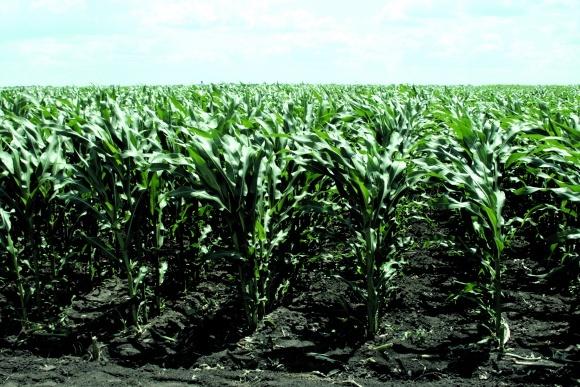
Microfertilizers are applied through foliar and root feeding.
Plant predecessors
There are suitable and undesirable predecessors for a crop. This is explained by common diseases and pests.
Suitable
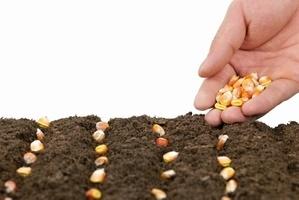
Corn seeds are sown in fertile soil. The following crops are recommended as precursors:
- tubers and root vegetables;
- grain legumes;
- winter cereals;
- melons and gourds.
Inappropriate
In regions with low humidity, it is not recommended to plant corn after sunflowers, as they dry out the soil.
After sugar beet, the soil not only loses moisture, but the crop also has difficulty absorbing phosphates.
What to plant next year after corn
Corn suppresses weeds as it grows. Ultimately, the soil becomes free of them, leaving a clean, weed-free field. The crop has a strong root system. As it decomposes in the soil, the underground portion enriches the soil with nutrients. The only drawback is that decomposition is slow. To speed up the process, the field is plowed, breaking the roots into smaller pieces. A variety of crops can be planted on the plot, including both favorable and undesirable plants.
Crops suitable for planting
After planting corn, the soil in the field is thoroughly loosened. The following crops prefer this type of soil the following year:
- potatoes, with additional application of mineral fertilizers;
- Sunflower. It thrives in the same sunny areas and has the same moisture requirements;
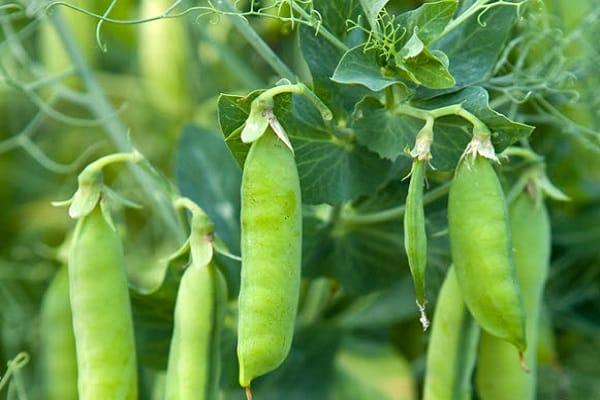
- Broad beans, peas. They prefer weed-free soil;
- red flax;
- beets of all types;
- winter grain crops.
Unwanted
Livestock owners can plant clover, lupine, and alfalfa after corn. These plants act as green manure, enriching the soil and providing forage. However, once they're planted, the field will become overgrown with weeds again.

Choosing Companions for Corn: The Best and Worst Neighborhoods
The following vegetables are considered good neighbors for corn:
- beans;
- zucchini;
- salad;
- cucumber;
- peas;
- pumpkin;
- potato;
- watermelon;
- sunflower;
- melon.
Corn does not tolerate proximity to tomatoes and fennel.
Related posts:
 Technology for growing corn in open ground and greenhouses, planting and care
 Description and characteristics of the most productive varieties and hybrids of corn
 Corn sowing rules and regulations, how to plant and prepare seeds
 Technological map for growing corn for silage, seeding rates and yield per 1 ha
 Why do you need to fertilize corn? Irrigation and watering after applying fertilizer.
 Rules for harvesting corn from fields for different purposes: for grain, for popcorn and for silage
 Corn diseases and pests, effective control measures and prevention
 Description and characteristics of the best varieties of sweet corn, cultivation technology
Thank you! I finally found a clear article. Clear, concise, and concise.