
Cultivation of agricultural crops takes into account the plant's biological characteristics. To understand how corn reproduces, it's important to understand how the plant became widespread. Due to its beneficial microelements and nutrients, the plant's grains are widely used in cooking and the food industry.
History and characteristics of cereal crops
Corn (maize) came to Europe from America in the 15th century. Initially, the plant was cultivated in gardens, but over time, it began to be grown on an agricultural scale.
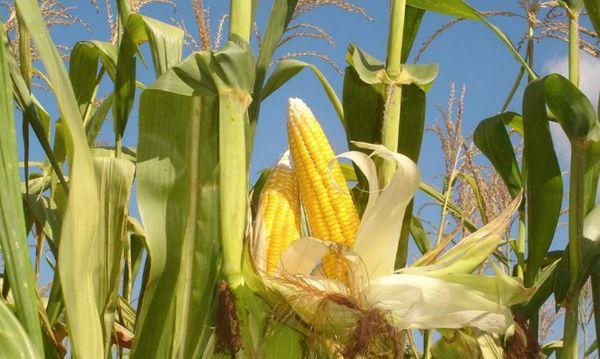
Growing the plant in your garden for personal use is recommended for several reasons:
- At the milky stage of ripeness, corn is rich in sugars and starch. It contains valuable microelements and nutrients beneficial to the body.
- The plant's stigmas are used for medicinal purposes.
- Our own grown products leave no doubt about their environmental friendliness.
- This plant looks very impressive in a garden plot. When planted densely, it protects tomatoes and cucumbers from the wind.
This annual herbaceous plant cannot reproduce in the wild. This is because, during domestication about 5,000 years ago, varieties were developed in which the ripe grains do not fall from the cob. The weight of the cob causes the seeds to rot when they fall to the ground.
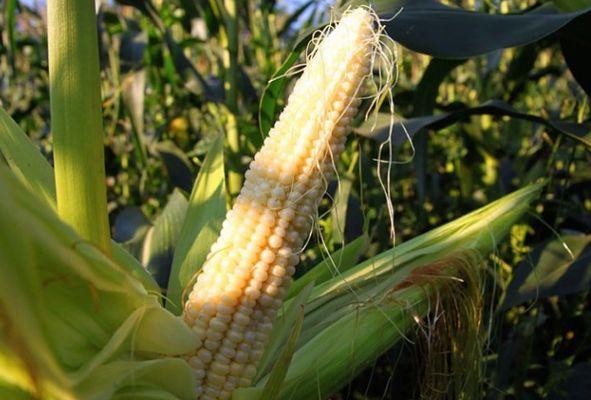
Corn is a leading crop, grown on an industrial scale. Its kernels are used as raw materials for the food industry, producing margarine, bread, and cereals. The above-ground portion of the plant is processed into animal feed. The stalks are used to produce paper and glue.
Plant types
There are several botanical groups of cereal grains, including flint corn, popcorn, starchy corn, and sweet corn. Sweet corn is distinguished by its straight stem, reaching a height of 150-200 cm.
The root system is fibrous, with the underground portion penetrating to a depth of over 100 cm. Strong roots and a dense stem prevent lodging.
This ornamental variety reaches a height of 150-200 cm and features succulent, geniculate stems and variegated leaves. It is highly productive. At the milky stage, the kernels have a pleasant flavor. The variety's uniqueness lies in the multicolored grains.
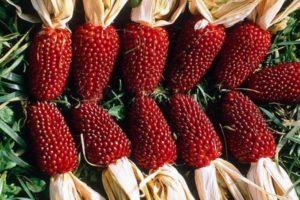
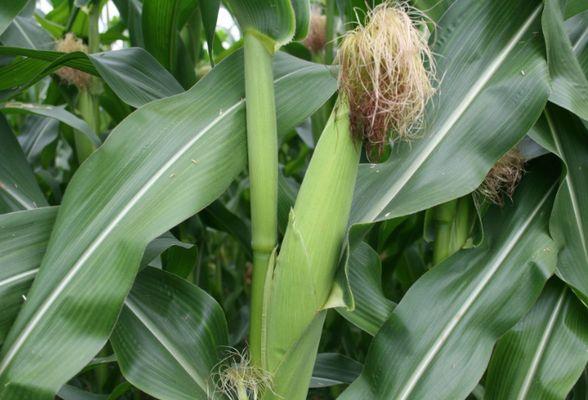 Strawberry corn Reaches a height of 2 m and is demanding of warmth. It should be grown in a well-lit area sheltered from gusts of wind. The plant produces small, ruby-colored cobs.
At the top of the stem is a panicle of male flowers. Female flowers are located in the leaf axils. They develop into a complex spike—a cob—wrapped in several leaves, protecting the seeds from spilling onto the ground.
The cob always has an even number of rows of seeds. The crop is drought-resistant. Despite this, it requires watering during the period of stem and cob formation.
Corn can be affected by fusarium., nigrospora, bladder smut, and loose smut. Among biological pests, the plant is attacked by the cotton bollworm, wireworms, and stem borer.
Cultivation methods
If corn were able to reproduce itself, there might be no need to cultivate it using various methods. The cereal plant has biological characteristics that are taken into account when developing regionalized varieties.
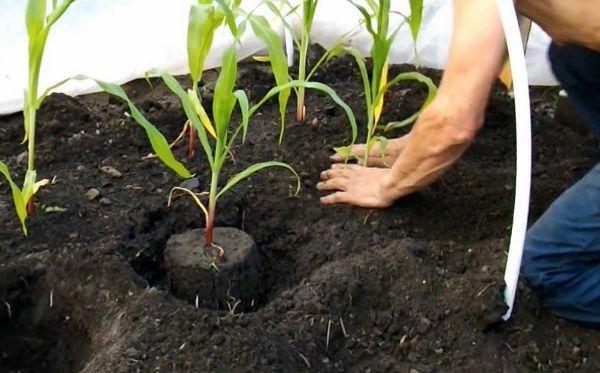
Growing maize in a garden requires special attention. This heat-loving plant does not tolerate temperature fluctuations. Harvesting is possible only if proper agricultural practices are followed.
Preparing a site for cereal crops begins in the fall. The plant's productivity depends on choosing the right location. The site should be south-facing.
The soil under the crop is enriched with organic fertilizers. When planting, it's important to consider crop rotation. The best predecessors are tomatoes, cabbage, legumes, and potatoes.
To regulate the soil acidity level, lime is added, and to stimulate growth, complex preparations are added.
After planting the crop in its permanent location, weeding and weeding are required. To ensure normal plant development, fertilize with mineral and organic fertilizers.
Healthy seeds are used for propagation. The yield and sustainability of the crop depend on how they are prepared before planting.
To test the seed for germination, place the seeds in a 5% salt solution for 5 minutes. Seeds that settle to the bottom are considered suitable for planting.
Fungal diseases can be prevented by treating seeds with a solution of hydrogen peroxide or potassium permanganate. Plant the seeds after the spring frosts have passed and the soil has warmed to 10°C.
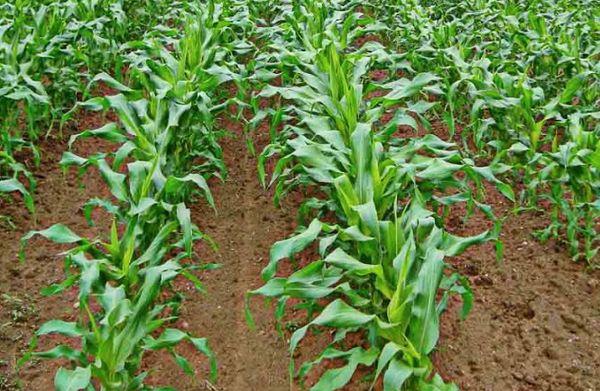
Plant holes 5-10 cm deep, 30 cm apart, with a 30 cm gap between rows. It's recommended to plant seeds at varying stages of germination in each hole to increase the chances of germination.
After the seeds are established, the crop is mulched with a layer of peat. For regions with cold climates, corn can be grown using seedlings. The seeds are placed in peat pots filled with the substrate to a depth of 3 cm. A 1 cm layer of sand is then applied on top.
Five days before planting in their permanent location, the seedlings begin to harden off and are brought outside. Three weeks after sowing, the seedlings are transferred to their permanent location.
Corn Care Guidelines
The cereal crop begins to flower 6-7 weeks after sprouting. By this time, stem formation has ceased, and all energy is devoted to setting the ears.
Normal development of the above-ground portion of the crop depends on soil loosening. This ensures air and moisture reach the roots. It is recommended to loosen the soil after each watering or rain, because its compaction can cause moisture stagnation.
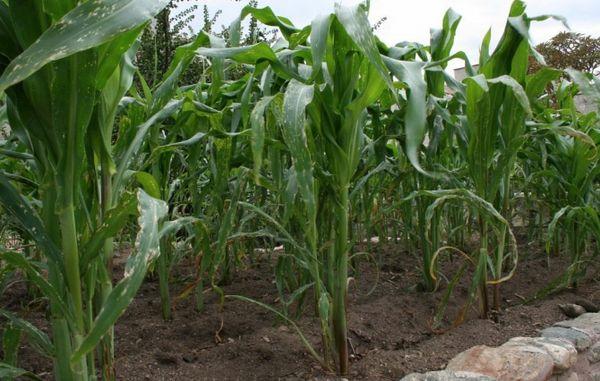
When sowing seeds directly into the soil, the first loosening is carried out before the sprouts appear to a depth of 4 cm. The plant requires watering during the growth process, especially during flowering and seed formation.
Excess moisture can stunt corn growth, causing green leaves to take on a purple tint. Plant development is impossible without an additional nutrient source. The first feeding is applied during the growth stage, the second during flowering, and the third during ripening.
To ensure the formation of strong ears, the plant is trained and excess shoots are removed. To regulate the ovary, three ears are left on one stem.
Take a look Also
After harvesting, the large and early cobs are reserved for future seeding. The remaining harvest is stored.
Related posts:
 Description and characteristics of the most productive varieties and hybrids of corn
 What is corn - a vegetable or a fruit, what family does the cereal belong to and where is it used?
 The benefits and harms of corn for human health
 Description and characteristics of the best varieties of sweet corn, cultivation technology
 Rules for harvesting corn from fields for different purposes: for grain, for popcorn and for silage
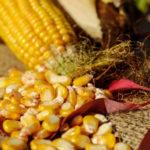 Technology for growing corn in open ground and greenhouses, planting and care
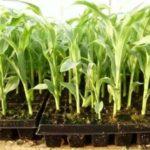 Corn sowing rules and regulations, how to plant and prepare seeds
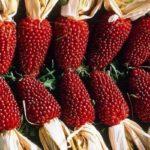 Description of the Strawberry Corn variety and growing rules
To stimulate the growth of this crop, it is necessary to use a bioactivator.BioGrow"It has a beneficial effect on both the soil and the seedlings themselves. I've been growing corn for several years now, and the harvest has never failed me.