
Corn is a leading crop among the most common agricultural crops. It is prized for its relative ease of care, high concentration of nutrients, and medicinal properties. This plant has found application not only in the food industry, but also in textiles and livestock farming. To achieve the desired results, it's important to know what to look for when choosing corn seeds.
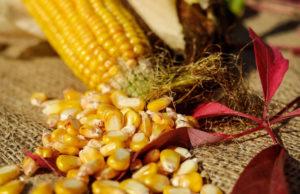
What do corn seeds look like?
To obtain not only a high-quality but also a quantitative corn harvest, it is necessary to use healthy seeds for planting. Unlike other grain crops, this planting material has its own biological characteristics, meaning it requires a special approach when selecting and planting in the soil.
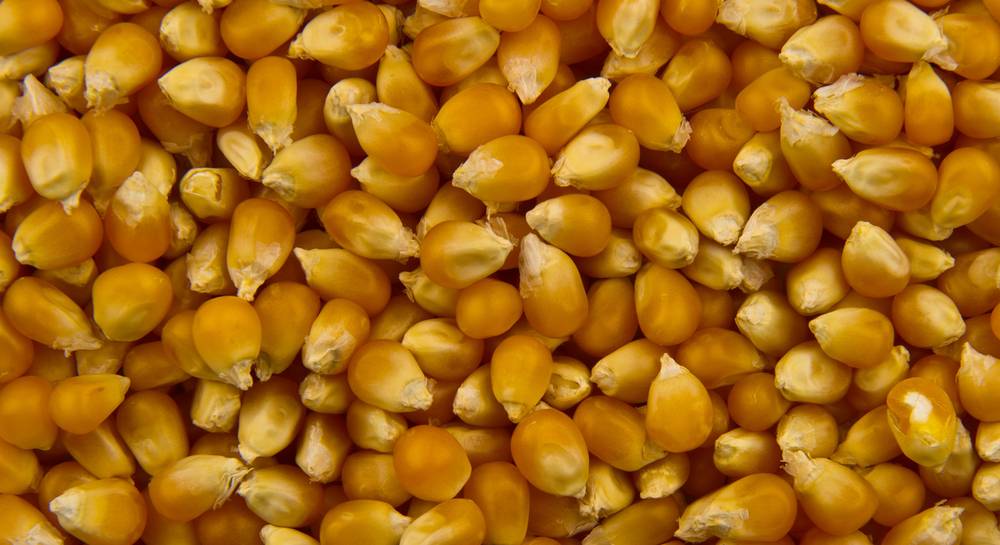
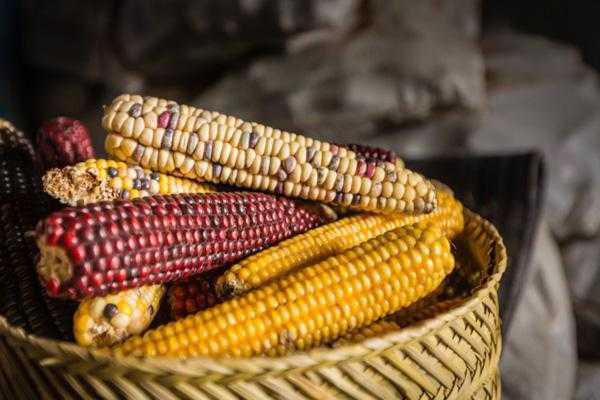
Color
Corn seeds are single-seeded fruits, with the outer layer being the seed coat, formed from the ovary walls, and the inner layer being the seed coat, formed from the two ovule coats. This seed coat protects the embryo and endosperm. They are differentiated by color and can be:
- white;
- yellow (different shades);
- dark red;
- brown;
- blue;
- black;
- purple.
Weight
Corn seed weight also varies depending on the variety. Dent varieties have absolute seed weights ranging from 250 to 500 grams. Flint varieties weigh 100-300 grams.
It's noteworthy that the distinctive feature of corn seeds is the large size of the embryo—10-14% of the grain's dry matter. Compared to wheat, rye, or barley, the embryo accounts for only 1.5-3% of the grain's weight.
Form
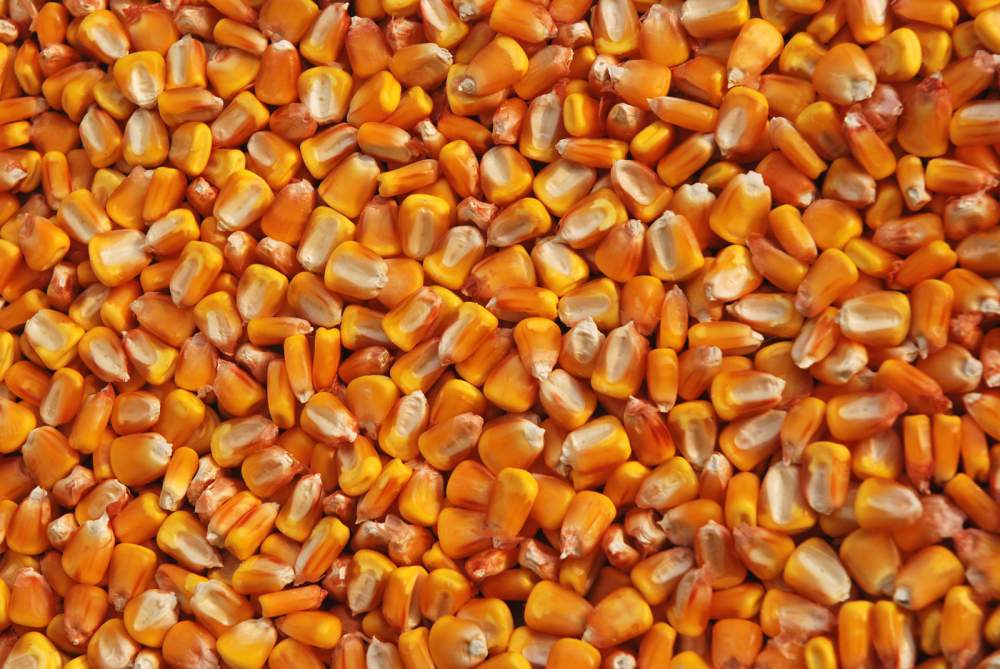
The seeds of different varieties of corn vary greatly. Some may have a pointed tip, while others may have a blunt, rounded, or sunken one.
Do hybrid seeds differ from cultivars?
When choosing planting material, distinguishing hybrid species from cultivars by appearance is extremely difficult. Almost all specimens are very similar, not only in size but also in shape and color. It has been noted that hybrid seeds are uniform in size because they undergo calibration during packaging using special equipment.
Furthermore, hybrids vary greatly in price, costing significantly more than regular varieties. They often have a brightly colored protective layer.
Hybrid forms are mainly identified by the markings on the packaging – F1 and F2.
Recommendations for the selection of seed material
The grains are selected according to the following parameters:
- grain maturity indicator;
- drought resistance;
- resistance to diseases and harmful insects;
- yield intensity.
Only correctly selected planting material guarantees a rich harvest.
Storage conditions for corn seeds
It is recommended to store seeds in vacuum-sealed, metallized packaging. Purchased seeds should be kept in a cool, dry place, using a cardboard box lined with silica gel, which effectively absorbs excess moisture.
If you store it in the kitchen rather than in the basement, the quality of the material will deteriorate significantly due to constant temperature fluctuations.
How long can corn seeds be stored?
To avoid confusion about expiration dates, it's recommended to label packages of seedlings. On average, they remain shelf-stable for five years. It's important to store corn seeds in airtight boxes or containers. High humidity and temperature fluctuations will only shorten the seed's shelf life.
Related posts:
 Corn sowing rules and regulations, how to plant and prepare seeds
 Technology for growing corn in open ground and greenhouses, planting and care
 Description and characteristics of the most productive varieties and hybrids of corn
 Corn diseases and pests, effective control measures and prevention
 Technological map for growing corn for silage, seeding rates and yield per 1 ha
 Rules for harvesting corn from fields for different purposes: for grain, for popcorn and for silage
 Why do you need to fertilize corn? Irrigation and watering after applying fertilizer.
 Description and characteristics of the best varieties of sweet corn, cultivation technology
Is it possible to grow corn at home, not just store seeds?
I would really like to have the opportunity to grow it at home, even in small quantities.
What do you say?