
Corn, like all plants, is susceptible to diseases and pests that affect its growth, development, and yield. To take timely control measures and protect the crop from further infestation, and to prevent corn diseases from spreading to other plants, it is important to recognize their early signs.
Corn diseases, their symptoms and control measures
Corn becomes infected with diseases for various reasons.
These include:
- insufficient quality seeds;
- inability to care for plants;
- untimely organization of pest control.
It's important to familiarize yourself with the plant's care instructions in advance. To do this, you'll need:
- observe the time of application of fertilizers;
- remove weeds in a timely manner;
- loosen the soil;
- water on time.
Only with proper care can plants develop strong immunity to corn diseases and pests. Most of them are untreatable; infections spread quickly and can ruin more than half the crop.
Loose smut
In humid southern regions (Transcaucasia and Kuban), corn is susceptible to the fungal disease loose smut. This common disease manifests as a black mold that covers the tassel and cob. When touched, the dust disperses, spreading fungal spores to new locations. Infected plants begin to stunt, become bushy, and the cob dries out and turns black.
To combat blister mold and loose smut, seed treatments with fungicides are required. Ditox, Granivit, and Vitavax are commonly used. Rotating the planting site is also recommended.
The cause of the disease is considered to be hot weather and insufficient seed treatment.
When purchasing seeds at the store, be sure to only choose those that have been pre-treated and are resistant to common diseases. It's also important to remember to water the corn regularly and maintain a loose soil.
If corn infected with loose smut is discovered, the plant should be uprooted, burned, or buried at least half a meter deep. The following year, the growing location should be changed.
Bladder smut
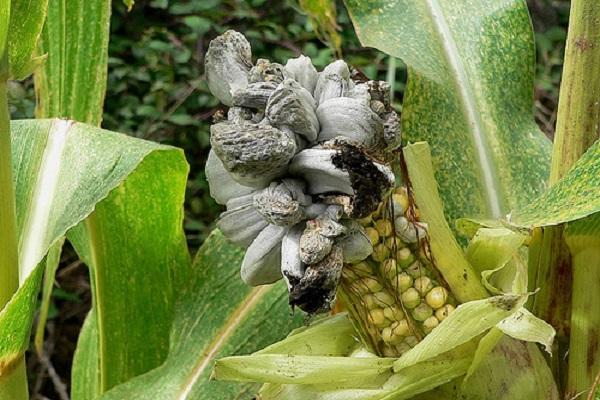
Corn smut is a well-known fungal disease. It affects the entire plant above ground, appearing as blistering rot on the roots and stems. Typically green or pink in color, it turns gray over time. The areoles are initially small, but as the plant grows, they expand in size, reaching up to 10-15 centimeters. They then burst, spreading their spores to healthy crops.
Corn smut reduces yields by almost 50%. The disease develops in hot and dry weather. It is especially harmful to corn seeds sown too late. The disease spreads from diseased plants to healthy ones.
Preventative treatment of seeds is necessary. Potassium permanganate can be used, but it is better to use Ditox, Granevit, or Vincet. Also important is corn fertilization complex fertilizers.
To prevent the disease, it is necessary to purchase varieties and hybrids of corn, which have strong immunity to this disease. Crop rotation is essential.
Fusarium
Another common corn disease is Fusarium wilt. It can develop at any stage of crop growth. The disease is caused by a fungus, which hides in swellings on the stem. The disease can cause rotting of all parts of the plant.
If rotten and untreated seeds are planted, they germinate poorly, and the plants are weak and grow poorly. Diseased seeds can be identified by the pink or white coating that forms.
When the cob reaches the milky stage, if the plant is infected with fusarium, the stem and roots rot. As a result, they turn black, the leaves turn yellow and dry out, and the same happens to the cob. corn harvest You can tell they're diseased because they're covered in a pink or white coating. Over time, the cob takes on a grayish color.
The disease is caused by diseased plants and infected seeds. It develops in damp and cold weather, or, conversely, in drought conditions, with temperatures around 30°C. The disease begins after damage to the surface of the ears of young plants.
To combat pathogens found on corn, it is recommended to:
- It is imperative to treat seeds and carry out crop rotation.
- Plow the sowing areas, removing plant residues.
- Control pests. If diseased plants are discovered, they should be removed, preferably by burning.
- Buy hybrids that are resistant to this disease.
Stem rot
A common fungal disease of corn is stem rot.
The description of the disease in maize is as follows:
- The disease affects the stem and leaves of the plant, thereby preventing the development of the cobs.
- The rot begins to spread when the corn reaches the milky stage of ripeness. It is identified by a gray coating on the leaves.
- A pink coating forms on the stem, at this point the stem becomes soft and breaks in half.
The disease occurs when crop rotation is not followed and previous year's corn residues are poorly harvested. Hot and dry weather, dense planting, and situations where plants are not watered or loosened in a timely manner also contribute to the infection's persistence.
To prevent disease and maintain plant resistance, seed treatment and digging of the area to remove all residue are mandatory. It is important to follow all agricultural practices, paying attention to planting depth.
Southern helminthosporiosis
Southern helminthosporiosis affects corn leaves, which become covered with brown spots that become more numerous over time, eventually causing the entire leaf to dry out. The disease begins in mid-July. It progresses especially rapidly in cool and rainy weather.
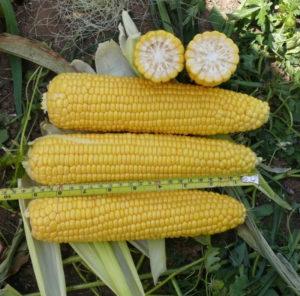
Helminthosporium leaf spot, or brown spot, is thought to be caused by failure to treat seeds with fungicides and poor harvesting of plants in the fall, along with any remaining corn. If diseased and untreated seeds are planted, their sprouts will often fail to emerge. To strengthen the stems, they should be fed with a complex fertilizer every two weeks.
Wilt
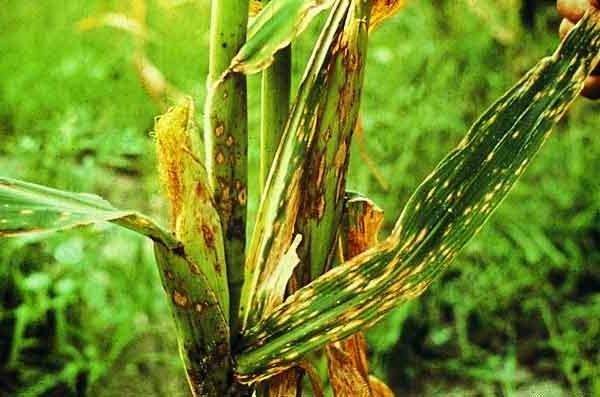
Wilt, also known as bacterial wilt, is considered a very dangerous disease. This disease affects the entire plant.
Yellow stripes on the leaves are considered a sign of infection.
The infection is most often transmitted through seeds if they haven't been treated. It's also recommended to follow all growing guidelines and promptly remove weeds that harbor disease spores.
Corn pests, their signs and control measures
Plant diseases are often caused by pests, so it's important to understand them and begin combating them promptly. They damage the root system and the above-ground part of the plant, most often while the cobs are still forming. As a result, the corn doesn't have time to mature, and the plant dies completely.
Pests pose a threat not only to crops but also to the spread of fungal diseases. Therefore, it's important to combat them promptly and regularly.
Stem moth
Damage to corn stalks and petioles The infection is not applied by the moth, but by its caterpillar, which is 2.5 centimeters long and colored yellow. The caterpillars initially feed on young leaves and remain inside the leaf funnel, then move on to the husks and pistil leaves.
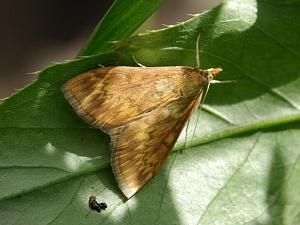
If caterpillars are found, it is recommended to collect them by hand or treat them with Decis or Stefesin. Seed treatment is also recommended; Gaucho is an effective product for this purpose.
It is recommended to treat the corn as soon as the caterpillars appear on the corn. If they are not eliminated and have multiplied en masse, another treatment is required.
Favorable conditions for the emergence and reproduction of these pests are dry and hot weather.
These corn pests cause significant damage to the crop: growth, development, and fruiting are delayed.
Fungal spores often survive on weeds, so they need to be destroyed.
Root aphid
These pests prefer dry weather with high temperatures. When attacked, you may notice the plant stopping growing, the leaves turning yellow, and wilting.
Aphids cause fungal infections. If aphids are detected, and only individual plants are infected, it is recommended to remove any remaining stems or leaves. Treatment with fungicides, especially Fitoverm, Fas, and Confidor, can also be considered.
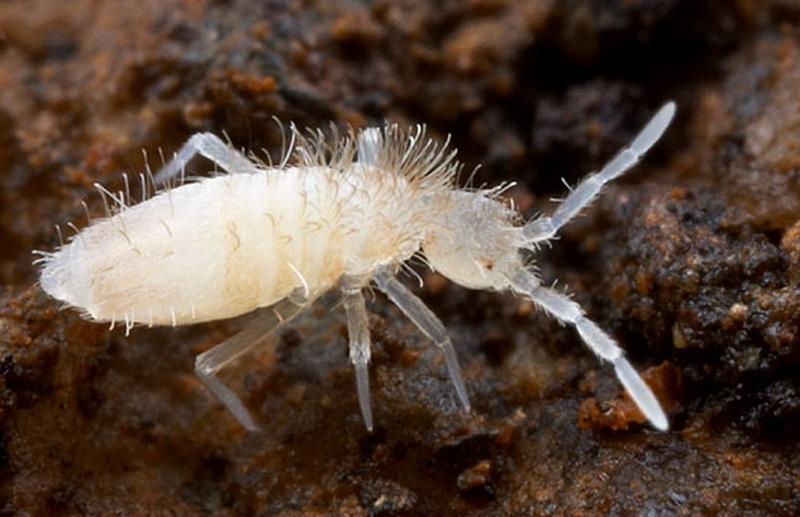
To protect plants from pests and prevent future infestations, it is recommended to carefully remove corn stalks and not leave them to overwinter. Unfortunately, pests and fungal spores often survive the winter well.
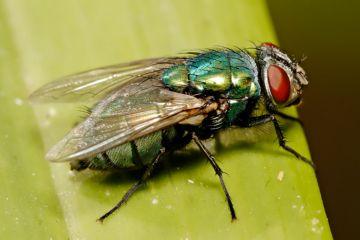
Swedish fly
The larvae of the frit fly attack the plant during the germination period, when it is just emerging. The leaves become perforated, the corn plants develop poorly, they turn a deep green color, the stem thickens, and as a result, the yield of the crop decreases.
To prevent these corn pests from destroying your crop, preventative measures are recommended. To do this, you should:
- Treat seeds. Find varieties that are resistant to fly attack.
- After the corn begins to sprout, treat it with the following preparations: Decis, Cyperon, Sumi-alpha.
- Enhance seedling growth. To do this, apply nitrogen fertilizer in the spring.
- Remove weeds and loosen the soil, water.
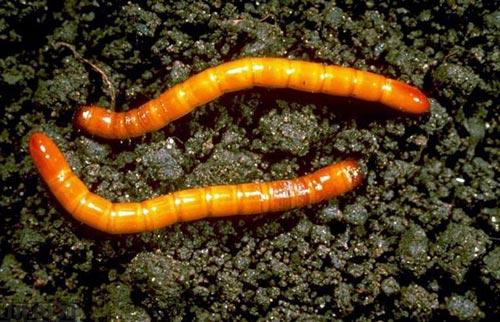
Wireworm
The click beetle or wireworm larva is a hard, brown worm. The larvae are found in the soil, penetrating the roots into the core of plants and sucking out the sap.
Plant growth slows significantly. Beetles are especially damaging during dry weather. Corn plants may die.
Preventive measures
To avoid infection by fungal diseases, bacterial wilt of corn, for example, due to the bacterium wilt, and damage by various pests, preventive measures must be taken.
First of all, it is recommended:
- choose early ripening varieties;
- carry out seed treatment or dressing, remove diseased grains;
- treat the soil with complex fertilizers;
- destroy weeds;
- water during hot and dry weather;
- don't forget to loosen the soil;
- remove diseased plants when they are discovered;
- carry out treatment with special fungicides;
- in the fall, remove plants by pulling them out by the roots;
- carry out cleaning in a short time;
- dig the soil deeply;
- plant hybrids that are resistant to most diseases and pests;
- Observe crop rotation without fail.
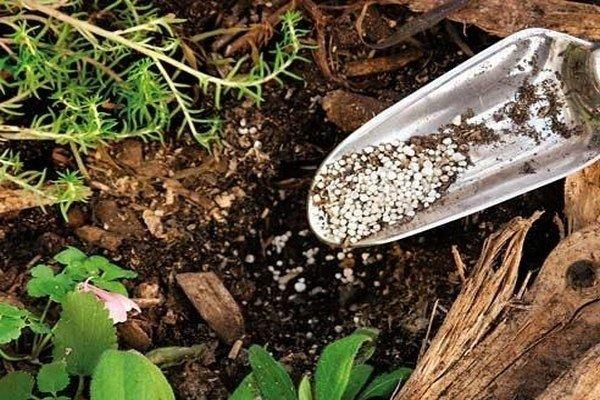
Corn, like most agricultural crops, is susceptible to diseases and pests, making it difficult to grow. It requires proper agricultural practices: seed treatment, post-germination fungicide application, fertilizing, weeding, watering, and tillage. By following these rules and preventative measures, you can achieve a good harvest.
Related posts:
 Technology for growing corn in open ground and greenhouses, planting and care
 Corn sowing rules and regulations, how to plant and prepare seeds
 Description and characteristics of the most productive varieties and hybrids of corn
 Technological map for growing corn for silage, seeding rates and yield per 1 ha
 Rules for harvesting corn from fields for different purposes: for grain, for popcorn and for silage
 Why do you need to fertilize corn? Irrigation and watering after applying fertilizer.
 What is corn - a vegetable or a fruit, what family does the cereal belong to and where is it used?
 Description and characteristics of the best varieties of sweet corn, cultivation technology
Before growing corn, be sure to disinfect the soil; this will help get rid of all pests. Then, add a bioactivator to enrich it with essential micronutrients. I recommend purchasing a product called "BioGrow".