
- The Pros and Cons of Eating Corn
- Flaws
- Nutritional value of corn
- The benefits of non-GMO corn
- A good source of antioxidants
- Rich in fiber
- Slowly digestible carbohydrate source
- Corn does not contain gluten
- Promotes longevity and overall health
- When to Avoid Corn
- Genetically modified corn (GMO)
- High fructose corn syrup
- When corn is found in other forms of processed foods
- If you have a sensitive digestive system
- Is popcorn healthy?
- The harm of popcorn
The benefits of corn are a question that interests people who lead a healthy lifestyle. It is known to have beneficial properties and is recommended for use in dietary nutrition. While these benefits are numerous, a number of negative aspects have been identified. Corn on the cob may not be suitable for people with certain health conditions.
The Pros and Cons of Eating Corn
Many people remember the sweet yellow kernels that make up an ear of corn from their childhood. Humanity has cultivated this grain for centuries and continues to do so today. Corn is boiled, grilled, fried, and canned. It is used to make flour, which is used in baking.
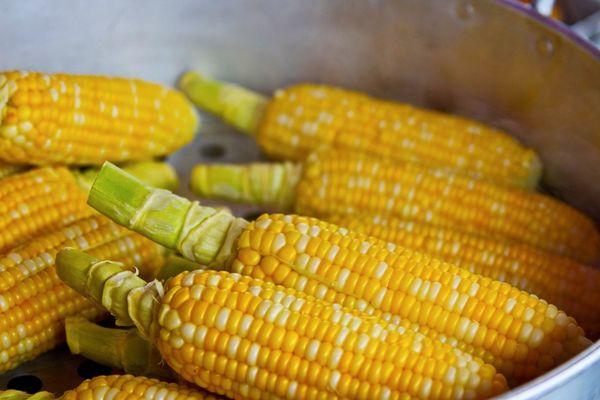
In addition to its sweet and unusual taste, corn has a number of beneficial properties for the body:
- Unlike other vegetables, heat treatment does not affect the integrity of the grains, which allows most of the vitamins and minerals to be preserved.
- It contains a sufficient amount of starch, which is involved in the construction of muscle fibers.
- Thanks to the beneficial nutrients found on the cob, corn is recommended for dietary purposes. It can alleviate conditions such as epilepsy, gout, and liver and kidney problems.
- Corn porridge is essential nutrition for a growing body.
- The starch in this cereal has a beneficial effect on the nervous system. People with neurotic conditions should include this product in their diet.
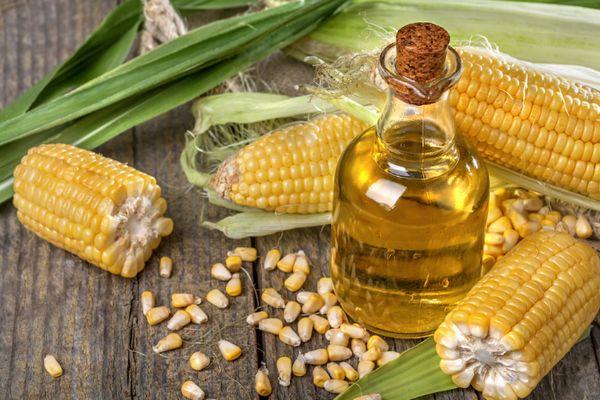
Corn is a revelation for women carrying a child. Regular consumption alleviates the symptoms of morning sickness. A small amount of corn daily suppresses nausea. During lactation, the grain increases milk production.
Before use, consultation with your doctor is required.
Flaws
Some properties of the grain make it dangerous to human health:
- Often the protein in the composition causes the development of an allergic reaction;
- Due to the high sugar level in grains, diarrhea and flatulence develop, and sometimes bloating is observed;
- contraindicated in thrombosis, since calcium increases blood clotting;
- not suitable for use in cases of ulcers in the acute stage, as it irritates the mucous membrane of the stomach walls;
- If a nursing mother does not consume it in moderation, it can cause colic in the baby;
- Due to the high calorie content of corn oil, obesity develops.
If you have any of the listed contraindications, you should limit your corn consumption. Adjusting your dosage will not affect your health. However, if you experience no improvement, it's best to stop eating corn. Otherwise, ignoring the recommendations could have serious consequences.
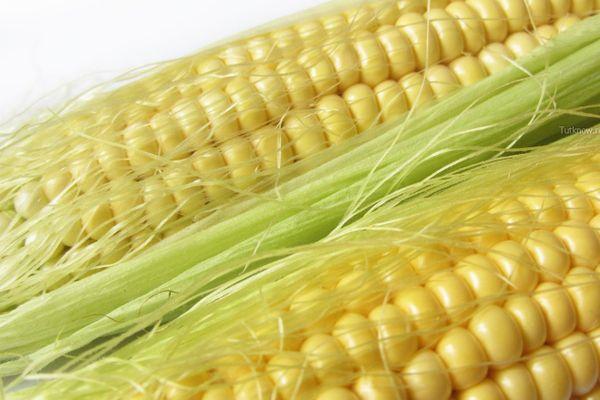
Nutritional value of corn
The health benefits and risks of corn lie not only in its calorie content but also in its composition. Corn is a source of vital nutrients for the body. It contains:
- essential oils;
- vitamins (including the entire B group);
- dietary fiber;
- vegetable fats;
- mineral components;
- starch;
- di- and monosaccharides.
The calorie content of a product is affected by corn varietyTypically, the calorie content ranges from 86 to 327 kcal. This is high enough to be considered a dietary supplement. Proteins, fats, and carbohydrates contribute to the proper functioning of the gastrointestinal tract.


The benefits of non-GMO corn
Sweet corn is a variety of grain that offers numerous health benefits. Product packaging is often labeled "GMO-Free." It's best to choose corn that doesn't contain genetically modified organisms.
A good source of antioxidants
The substances contained in corn protect skin cells from damage and oxidation. Corn has been included among the health-promoting foods due to its antioxidants, including beta-carotene, ferulic acid, and vitamins C and E. Regularly including corn in your diet can help prevent cancer, vision loss, heart disease, atherosclerosis, and diabetes.
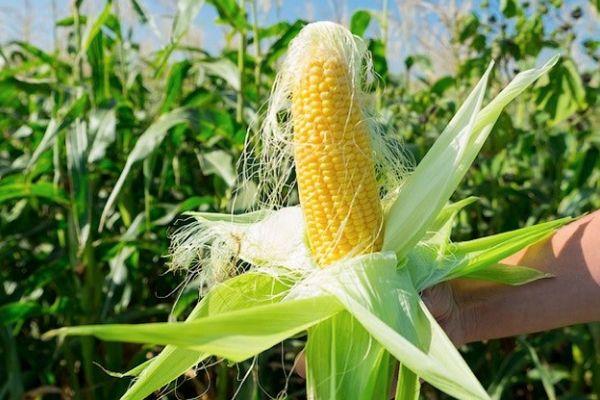
One important property of corn's nutrients is highlighted. The absorption of beta-carotene and vitamin E occurs due to the high fat content. Corn cobs are rich in oil, which acts as a medium for the dissolution of nutrients. As a result, their absorption by the human body is favorable.
Rich in fiber
Healing properties and contraindications are two terms that always go hand in hand. Corn is considered beneficial due to its fiber content. This dietary fiber plays an active role in the formation of gastrointestinal microflora. This plant product contains only 3 g of dietary fiber per 100 g. Corn kernels contain two types of fiber: soluble and insoluble.
Slowly digestible carbohydrate source
Sweet corn contains starch, a complex carbohydrate. This substance is essential for maintaining stable energy levels. It shouldn't be confused with refined carbohydrates, which don't satisfy hunger for long. Its high fiber and starch content helps control blood sugar levels. Dietary fiber slows the release of sugar into the bloodstream.
Corn does not contain gluten
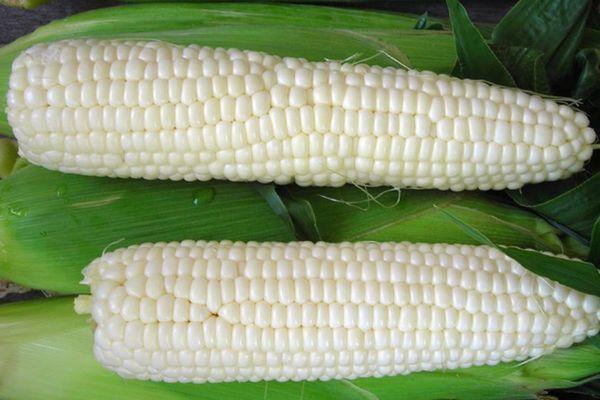
Corn is beneficial because it is gluten-free. Protein is typically found in other grains, which can cause obesity and allergic reactions. Allergy sufferers tolerate corn better than other foods. Corn grits are used to make porridges that are healthy for young children. These are introduced into the diet at six months.
People with allergies to grain protein must follow special diets. Corn is an important part of the diet. A gluten-free diet should never include cornflakes due to their high sugar content. 100 g of cornflakes contain 356 kcal. Despite the lightness of the food, there is always a risk of obesity.
Promotes longevity and overall health
Preserving youth and improving metabolism are achieved through the influence of micro- and macronutrients, as well as various vitamin groups. Cereal grains support the proper functioning of the cardiovascular, gastrointestinal, endocrine, reproductive, and nervous systems. Eating cereals helps strengthen bones and maintain clear vision. Corn has a beneficial effect on the skin, smoothing wrinkles and improving skin tone.
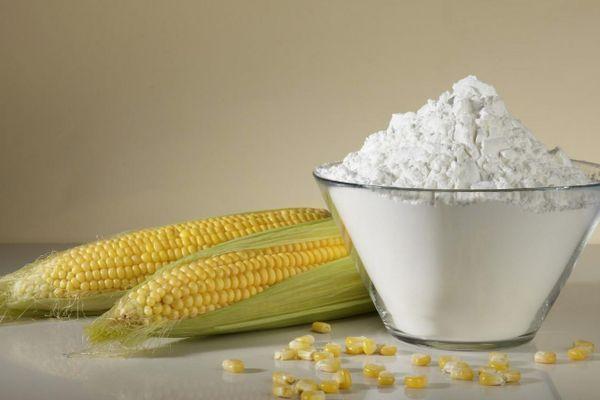
Adopting healthy eating habits can help prevent many problems. Regularly eating corn is the first step to improving your health. Corn has a well-balanced calorie and nutrient profile. It also has antioxidant, antidiabetic, and antihypertensive properties.
When to Avoid Corn
Corn may not always be beneficial for a person. A worsening of symptoms can be observed at any time of day after eating just one ear. The method of preparation and the form in which the corn is consumed are also important factors.
There are certain circumstances under which grain should be avoided.
Genetically modified corn (GMO)
In today's world, people put proper nutrition last, unaware of the mistake they're making. Corn purchased at specialty markets contains 80% GMOs. Unfortunately, city dwellers continue to consume these types of corn-based dishes.
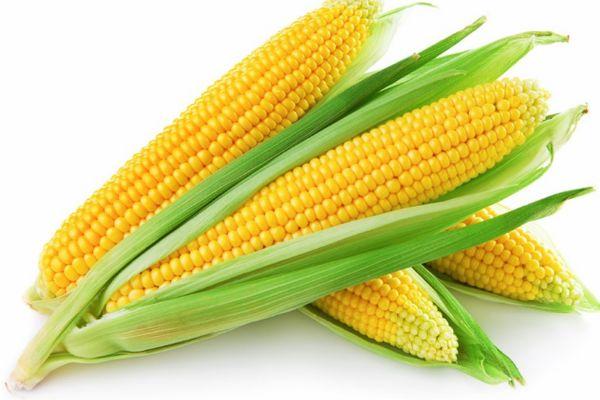
The positive or negative effects of corn cobs on the body depend on the method of preparation.
By artificially changing the genotype, the grain acquired resistance to unfavorable environmental conditions. corn is not eaten by pests, which allows for the preservation of virtually the entire harvest. Along with these changes, the harmful effects of corn have become apparent. Consuming the grain causes many problems for people.
With regular consumption of this product, the body develops resistance to antibiotics. Endocrine system dysfunction occurs. The intestinal microflora becomes populated with pathogens. The reproductive system's primary function—the ability to reproduce—is impaired, leading to the development of various pathologies. The body begins to age prematurely.
High fructose corn syrup
The product was developed almost 50 years ago. It gained particular popularity due to its use as a sweetener in various products. Its main advantage is its low cost. Corn syrup contains 65% fructose, which can have harmful effects on the body.
When comparing refined sugar with high-fructose corn syrup, the former is significantly healthier. American scientists demonstrated this through laboratory experiments. The control group of animals was divided into two groups. The first was fed refined sugar, the second – high-fructose corn syrup.
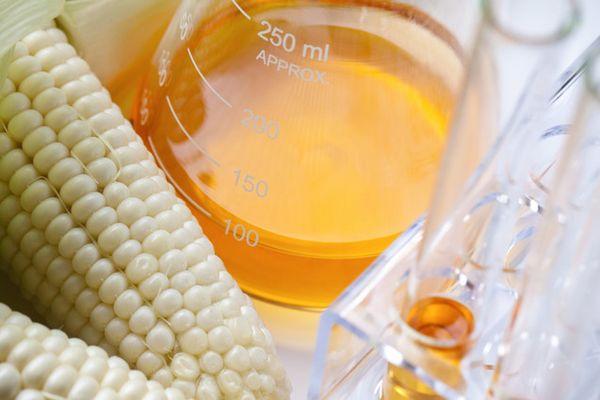
The results surprised the researchers. The laboratory rats in the second group showed impaired reproductive function. This confirms the harmful effects on the human body as well. Just a tablespoon of corn cob juice is harmful to humans, especially when consumed daily.
Excess fructose can trigger chronic diseases, including diabetes, cancer, and cardiovascular disease. To maintain good health, minimize your consumption of processed baked goods. Many of these products contain high levels of harmful sweeteners.
If you're craving something sweet, it's best to look for alternatives. Fructose can be found in natural foods that are beneficial to the body, such as honey, maple syrup, molasses, and fruits and vegetables. Fructose, a sugar-based substance, is found in these foods in a balanced form and has no harmful effects when consumed.
When corn is found in other forms of processed foods
GMO grains are used to make a variety of products. These foods are typically processed and packaged. Always check the packaging before purchasing any sweets. It's recommended to avoid foods whose ingredient lists are illegible.
Recently, food manufacturers have been reserving the right to change the ingredients in their foods. Therefore, people may not even know that GMOs are among the ingredients. In such cases, it's best not to risk your health and avoid such foods. This will protect you from many diseases. It's better to choose whole, natural foods.
If you have a sensitive digestive system
Technically, corn isn't a grain. Despite this, it can sometimes aggravate digestive problems. A gluten-free diet won't be beneficial for those prone to allergies. Consumption can cause irritable bowel syndrome.

The gastrointestinal tract reacts negatively to agricultural crops because of their fermentability. This is partly due to their fiber content. All varieties contain cellulose, which is a type of fiber. Once it enters the intestines, the body faces the difficult task of breaking it down. In this case, the presence of fiber becomes harmful, the opposite of beneficial.
The product's composition is directly related to the problems and illnesses a person may experience after consuming it. Allergic reactions are rare, but they do occur. If a person has an intolerance to corn and all its derivatives, it is recommended to completely avoid the grain. Caution is advised in cases of pancreatitis or gastrointestinal ulcers and erosions.
The product is approved for use during periods of stable remission of the disease.
Is popcorn healthy?
When people hear the word "popcorn," they imagine fluffy, unusual-tasting cereal. It's an essential snack while watching movies. Both soft and crunchy, popcorn is loved by both adults and children. Few people consider its health benefits and potential health risks.
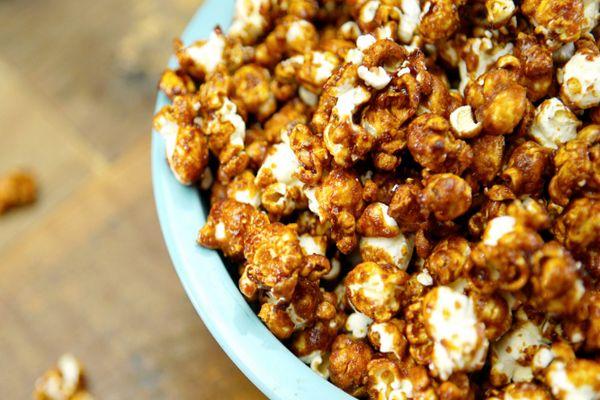
Popcorn is a source of antioxidants, which are essential for healthy development. It also contains polyphenols. Like regular corn, it contains a fair amount of fiber. Dietary fiber has a beneficial effect on the functioning of internal organs. Popcorn is recommended for those wishing to lose weight.
The list of beneficial properties doesn't end there. Popcorn is rich in minerals and vitamins, yet low in calories. This combination of properties makes popcorn not only a favorite but also a healthy food.
Just like regular corn cobs, it prevents the development of diabetes and other equally dangerous diseases.
The harm of popcorn
It's not the popcorn itself that has a negative impact on the human body, but the food additives and colorings. It's rare to find popcorn without harmful ingredients. Popular flavors include chocolate, cheese, caramel, and fruit. People mistakenly assume the ingredients are natural, but they are not. These ingredients are actually chemicals.
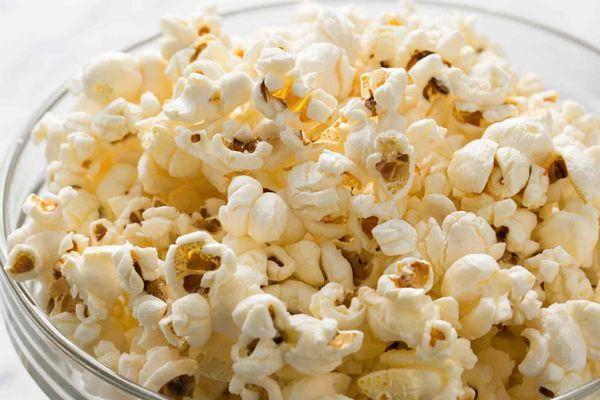
Using sweeteners stimulates appetite, leading to repeated popcorn purchases. Also, be mindful of the oil used to cook popcorn. The liquid is another life-threatening hazard, as it's not of the best quality.
If you're craving corn, opt for homemade. It can be eaten raw, boiled, fried, or used as an additional ingredient in many dishes. Whole grains retain their beneficial properties after cooking and are safe for the body.
Related posts:
 Description and characteristics of the most productive varieties and hybrids of corn
 Technology for growing corn in open ground and greenhouses, planting and care
 Corn sowing rules and regulations, how to plant and prepare seeds
 Rules for harvesting corn from fields for different purposes: for grain, for popcorn and for silage
 What is corn - a vegetable or a fruit, what family does the cereal belong to and where is it used?
 Description and characteristics of the best varieties of sweet corn, cultivation technology
 Technological map for growing corn for silage, seeding rates and yield per 1 ha
 Corn diseases and pests, effective control measures and prevention
I love corn, but it's best not to eat it in large quantities; it can cause discomfort even in perfectly healthy people. I can my own corn and love adding it to salads.