
Is corn a vegetable or a fruit? To answer this question, you'll need to know the plant's biological description, its species, and the structure of this tall annual plant. It's a mistake to consider it a vegetable, but it's not a fruit either. Yes, the juicy, sweet flesh contains a large number of microelements and nutrients, but botanists have long since provided a definitive answer.
A more correct question is: is corn a juicy vegetable or a grain? The correct answer is, of course, a grain. Young kernels on the cob are initially juicy and soft, but as they mature, they become hard as glass. In appearance, the seeds resemble wheat or other grains. Another reason for this answer is the plant's structure, which clearly indicates that corn cannot be a vegetable by definition.

Vegetables are covered with a skin, inside which is pulp with seeds, and in cereals, the seeds germinate on the ears and it is the seeds that are used as food.
What is corn?
A healthy and tasty plant corn came to Russia From the American continent. It's comparable in fiber and other nutrients to oats and rye, and its taste resembles wheat, although it looks like a different grain.
This is an annual, tall herbaceous plant, on the stem of which several rows of cobs are formed, the leaves of which protect the grains from pests, birds and atmospheric phenomena.
Some varieties can grow up to 3 meters in height. Almost all parts of the plant are used for food, medicine, and cosmetics.
History of origin
Another name for the grain is maize. This is what it is called in its native land. American Indian tribes revered this crop. The round shape and golden hue of its seeds led the tribes to believe that corn symbolized the sun. Many celebrations in Native American culture are dedicated to the maize plant.
The grains were scattered next to sculptures of gods and depicted on rock carvings. After the loaves were baked, one of each batch was offered as an offering to the Temple of the Sun. If you look closely, you'll notice that some temples resemble an ear of corn in shape. Native Americans have long told legends about the golden grain. According to one legend, a beautiful girl, taking pity on her fellow tribesmen during a year of famine, was transformed into a slender ear of corn with golden seeds. The stigmas resemble locks of golden hair.

Many tribes considered corn to be the child of the Sun and Moon. The crop has been cultivated by humans since time immemorial. During excavations in Peru, ears of corn dating back hundreds of centuries were found in an ancient temple. The origins of the grain crop date back 55,000 years—this is the oldest known find of corn dust.
The modern history of the plant begins in Mexico, where the seeds of wild plants were used. The trunks could reach several meters in height, while the ears were only 50 mm in size, densely packed with small kernels.
Biological description
It has been established that corn is a grain, but it can also be conditionally classified as a fruit during the period when the seeds on the cob are “milky” and sweet.
The botanical and biological description states that the plant has increased heat requirements, but can also tolerate light frosts. Planting is done in the spring, when the soil temperature is at least +8°C. C. Early shoots can withstand short-term exposure to temperatures down to -5 C. At the end of the growing season, the plant cannot withstand frost; even a slight frost causes damage to the plant mass of maize.
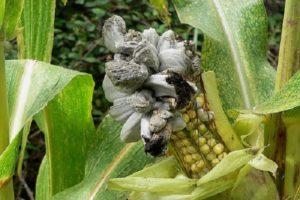

During periods of rapid growth and fruiting, it's important to provide the plant with adequate light. During cloudy summers and springs, the plant cannot absorb sufficient minerals from the soil, and the annual crop begins to lag behind in development. During the period from the beginning of growth until the corn emerges, soil conditions and the degree of soil warming in the field are particularly important.
Intense heat during the initial flowering of maize inhibits self-pollination, causing female flowers to dry up on the cob. Corn is less sensitive to air and soil humidity than other grains. Water consumption peaks during panicle formation and kernel filling. Early in growth, the plant is undemanding in terms of precipitation.
The plant's growing season, depending on the variety and ripening time, ends 80-150 days after sowing.
Types
During Soviet times, corn was called the "queen of the fields." Its seeds found wide application in the food, medical, and perfume industries. The merit of breeders lies in the fact that, in a short period of time, using scientific research, they transformed a low-yielding plant species into a productive crop, producing a bountiful harvest of golden seeds. Botanists have described 8 species of this plant, but the different species found in the wild have not yet been studied.

Several types of maize are used in agriculture:
- Sweet, milky, or sugar corn—these are the names of perhaps the most common type of corn plant. Young kernels are eaten boiled. This crop has a unique aroma reminiscent of boiled corn. The ear of corn with its kernels is initially milky in color, and as the kernels grow, they acquire a golden hue and develop a rough skin and flesh. Breeders have developed most varieties and hybrids from this type of corn. This corn, like the legume type, is used in the food industry.
- Dentate – the distinctive feature of this variety is its rich yellow-golden seeds. It is used for crossing with other varieties to produce high-yielding varieties that are resilient to temperature fluctuations and other weather conditions. Young kernels can be cooked and subsequently used to make corn flour, starch, and alcohol. The green mass of young plants is used to make silage for the winter.
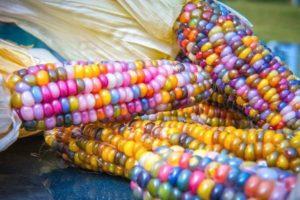
- Indian or flint varieties of this type of maize are distinguished by high yields and a shorter kernel maturation period. The kernels are round and smooth. Kernels of this type of corn are grown in a variety of colors, including red, yellow, or even black seeds. The kernels contain increased amounts of starch, but are primarily used for making corn flakes and grits.
- Experts agree on the type of corn used to make molasses and flour: it's a starchy variety. The cob is small in thickness, the kernel is large, and red or white in color. The name of this variety comes from the high starch content of the kernel. It's airy and tender, and is used in the food industry. This variety can only be grown in the climates of South America and the United States.
- Waxy corn is a wild, field-grown variety of corn. Its yield is very low. The kernels are coated with a wax-like material. The seeds can be white or yellow, and cobs with small, red kernels are often found. This variety is the result of a natural mutation of maize. It does not tolerate arid climates or harsh weather conditions. This variety of corn is sourced from China, where plants grow and thrive normally. The Chinese use the grain in cooking, and some varieties have a rich, refined flavor.
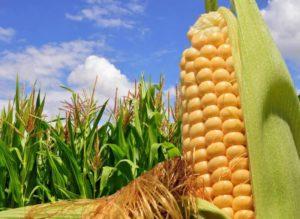
Etymology
Corn seeds are a crop and a subspecies of cereal plants. In its native land, it is called maize, a word derived from one of the indigenous languages spoken by the ancient inhabitants of the island of Haiti. However, this name varies depending on the dialects spoken in different regions of South America, Mexico, and the United States.

An old Native American name for the grain has survived in Europe. The word "corn" is feminine, and this name came to Russia from Hungary. It arrived there in the early 19th century. It is believed that the name originated in the southern regions. Ukrainians claim to be the author of the name. There are many theories, but no definitive answer.
The Bulgarian language has the word "kukuryak," while Slovenians call it kukurjast, meaning "curly," likely due to the curled stigma. Research suggests that the family name "kukuruza" derives from the Turkish "kokoroz," meaning "corn stalk." Maize was brought to the continent by the Spanish, but scholars argue that the Turkish term for the grain originates from the South Slavic language and dialects.
Some scholars claim the crop's name derives from a phrase used to call livestock when feeding them corn seeds. In Romanian, the word "kukuruz" translates as "fir cone." The origin and language of the word aren't as important as the popularity of corn worldwide.

Effect on the body
The cob is the "fruit" of the corn plant, containing all the nutrients and medicinal substances found in the grain. These sunny kernels are a storehouse of vitamins and minerals. In terms of the content and range of fiber, vegetable fats and essential oils, no other known vegetable can compare with corn.
Eating young milk grains and preparing various dishes from them has a beneficial effect on the gastrointestinal tract, helping the body eliminate harmful substances and toxins. The minerals and metals they contain, namely manganese, iron, calcium, and magnesium, have a beneficial effect on the cardiovascular system and improve the condition of hair and skin. The high content of vitamins A, C, PP, and E boosts immunity and the body's ability to fight disease.
It's important to remember that corn, like other plants, isn't a panacea for all ailments. Its beneficial substances have a more preventative effect on the body. To combat illnesses, it's used to maintain vitality, while primary treatment is only possible with medications prescribed by a doctor.

The “queen of the fields” – corn – is beneficial due to the content in 100 g of grain:
- 67.5 g carbohydrates;
- 10.3 g vegetable proteins;
- 4.9 g fat.
The calorie content of corn, depending on the type and variety, ranges from 88 to 325 kcal. Regular consumption of corn grits significantly increases immunity and lowers blood cholesterol. It is used in dietary nutrition for hypertension, edema, and duodenal and gastric ulcers.
Despite the high levels of natural sugars, corn dishes and boiled young cobs are safe for diabetics.
The properties of corn products make them suitable for people with excess weight. However, corn seeds are also recommended for weight gain. The high selenium content in corn helps slow skin aging, so the plant is used in cosmetics. Traditional medicine recipes recommend using it to combat diarrhea and dysentery.

How to choose
We've learned how cultivated and wild corn help. Now it's important to choose the right cobs and corn grits. When choosing young cobs for cooking, pay attention to several factors:
- The leaves covering the cob should be greenish. It's not recommended to buy corn with dried, yellow leaves—such cobs were picked a long time ago, and the kernels may have lost their juiciness.
- It's not recommended to purchase grains without leaves. The leaves may have fallen off after being treated with pesticides to protect the corn kernels from pests or diseases.
- Crops affected by diseases and insects always lag behind in development. Cultivated corn should never have small cobs or kernels. Such produce is best left to the sellers, who can feed their livestock the pesticide-laden kernels.
- The color of the kernels indicates their youth. A young ear looks like this: its seeds are milky white with a golden hue. Cooking produces a delicious dish with tender and juicy kernels. As the kernels age, the color becomes more golden, with a rich yellow tint. This grain is used to make cereals and other products.
It's no wonder corn is called the queen. Boiled young cobs, all kinds of cereal dishes, and medicinal and cosmetic products all contribute to its rightful popularity among consumers and farmers.
Corn in medicine
Almost all parts of the plant are used to make medicinal preparations. The stems of the plant and the stigmas from the cobs are used to prepare medicines for diseases of the liver, bile ducts, and urinary tract. Due to the high content in various varieties of corn Vitamin C (ascorbic acid) preparations based on cereals are used to support the body during colds and sore throats.
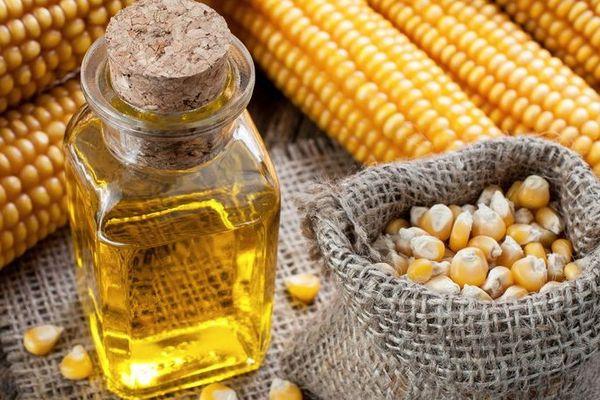
Corn-based extracts help quickly get rid of cholecystitis and cholangitis. Corn silk They have weak hemostatic properties. Corn is used as a side dish in dietary menus for people with atherosclerosis.
The plant's beneficial properties are used not only for treating internal organs and diabetes. The stigmas and other parts of the plant are used to make nourishing and rejuvenating skin masks.
Video - The beneficial properties of culture
You can learn more and see the benefits of this delicious grain crop in action by watching the video. By watching it, you can get complete information about the medical fields in which corn is used and the dishes it's used in.
Conclusion
The article discusses the merits of the cereal grain corn, and the ongoing debate about its classification as a vegetable or a fruit. Every adult probably cherishes childhood memories of a large, boiled ear of corn with juicy, delicious seeds brimming with sunlight. If there are people unfamiliar with this image, perhaps they were born and raised in the Far North.
Related posts:
 Description and characteristics of the most productive varieties and hybrids of corn
 Technology for growing corn in open ground and greenhouses, planting and care
 Corn sowing rules and regulations, how to plant and prepare seeds
 The benefits and harms of corn for human health
 Rules for harvesting corn from fields for different purposes: for grain, for popcorn and for silage
 Technological map for growing corn for silage, seeding rates and yield per 1 ha
 Description and characteristics of the best varieties of sweet corn, cultivation technology
 Corn diseases and pests, effective control measures and prevention
I never thought anyone would ask this question. I think it's clear just by looking at corn that it belongs to the cereal family. I've been growing it for a long time, and we eat it boiled and canned.