
- Why is it important to fertilize corn?
- Types of fertilizers for corn
- Organic fertilizers
- Mineral fertilizers
- Nitrogen
- Potassium and phosphorus
- Folk remedies
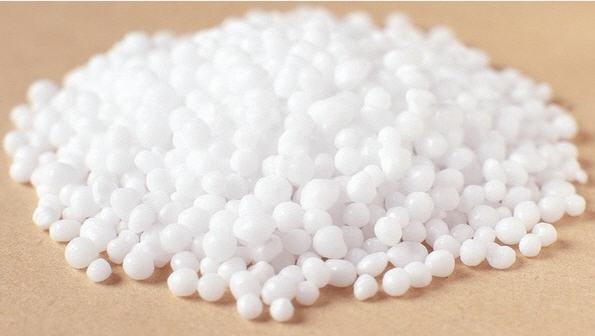
- Urea
- Nitroammophoska
- Features of fertilizing corn
- For grain
- For silage
- Methods of crop processing
- Sheet
- Ground
- Timing and rates of fertilizing
- Before sowing corn
- After planting the seeds
- After the leaves appear
- Mineral nutrition system for sweet corn
- What about watering?
- Regularity of watering beds depending on the season
- Conclusion
Fertilizing all types and varieties of corn follows the same principles. Fertilizing plays a crucial role in yield and cob quality. Specific rates of mineral fertilizer application have been developed for each phase of the growing season. Corn also readily absorbs organic compounds used during site preparation.
Why is it important to fertilize corn?
Corn develops powerful roots that nourish the entire plant. They absorb minerals and enrich the developing cobs. Fertilizing is used to improve fruit quality and increase yield. Micronutrients are important during all stages of vegetative development.
Fertilizing the crop is important, as constantly growing various plants depletes the soil. To avoid nutrient deficiencies and poor plant growth, mineral or organic fertilizers are applied.
Types of fertilizers for corn
Corn is fertilized with mineral or organic compounds, using folk recipes and preparing solutions from ready-made compounds.
Organic fertilizers
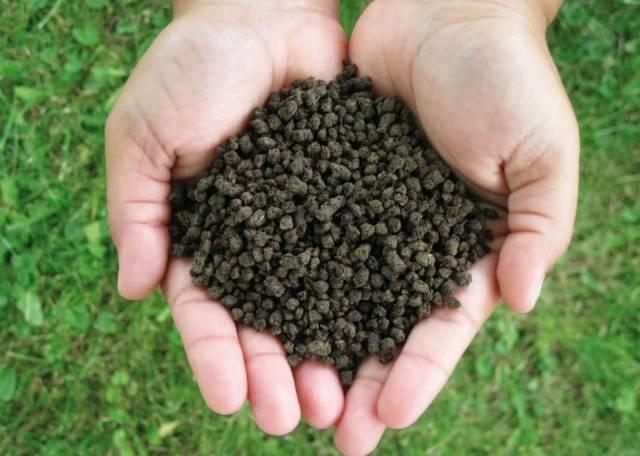
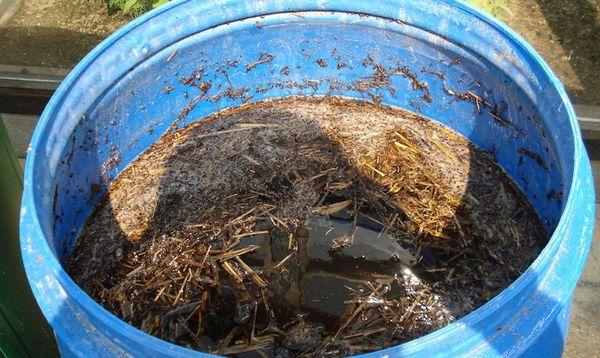
An organic fertilizer used is a mullein solution. It is prepared by mixing:
- 50 liters of settled water;
- 10 kg of fresh mullein.
Let the mixture sit for 5 days. Then, water the plants at the roots. If you don't have a large container to prepare the solution, use 10-liter buckets. Mix 2 kg of fresh mullein into 10 liters of water.
Mineral fertilizers
All mineral complexes contain one or more elements. They are divided into single-component and multi-component. Single-component complexes are used for corn. Complexes containing the following are used for growing corn:
- nitrogen;
- phosphorus;
- potassium;
- magnesium;
- zinc;
- copper;
- boron.
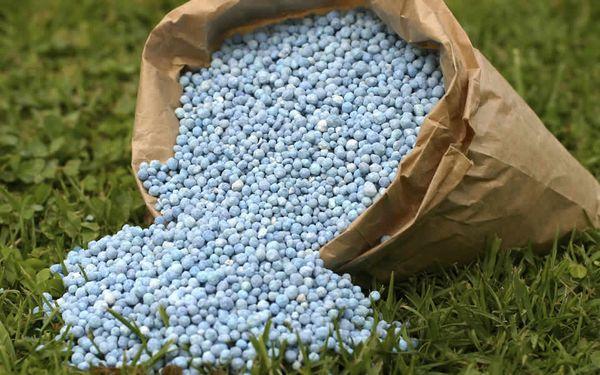
The crop's unique feature is that it consumes all of these elements at different stages of its vegetative development, so they need to be applied at different times. Single-component fertilizers are preferred. Commonly used fertilizers include ammonium nitrate, potassium salt, nitroammophoska, urea, and ammophos.
Nitrogen
Nitrogen consumption begins when the plant forms its first six true leaves. Fertilizer is applied before planting in the spring, when the soil is being prepared. Repeat nitrogen fertilization during the period of cob formation and active green growth.
Potassium and phosphorus
Phosphorus is responsible for root formation. For corn, it's important for roots to be strong and absorb as many nutrients from the soil as possible. Apply 10 kg of phosphorus per hectare of soil before planting. Ammonium phosphate (AMP) is suitable for this plant; apply it according to the instructions.
Important! This element should be applied in the spring, as it takes a long time to convert into a form that is readily available to plants. Applying phosphorus later will cause a deficiency in the crop.
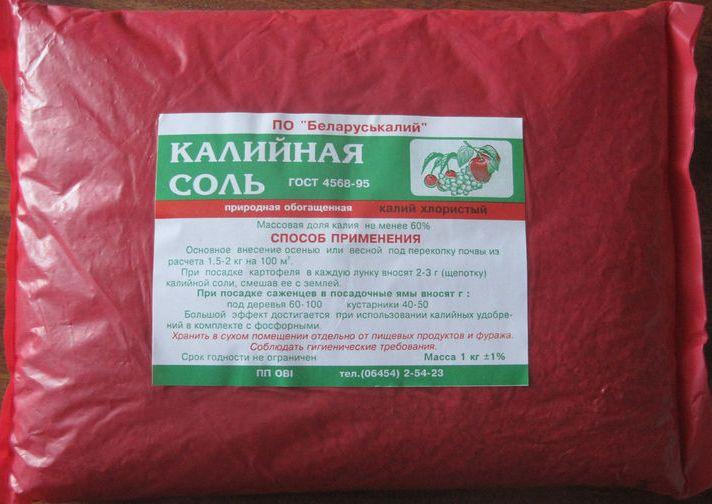
Potassium is most easily absorbed by plants. After the formation of six true leaves, the need for this micronutrient increases. Potassium improves nitrogen absorption, increases drought and infection resistance, and influences fruit set. Potassium salt or potassium chloride are used for fertilizing.
Folk remedies
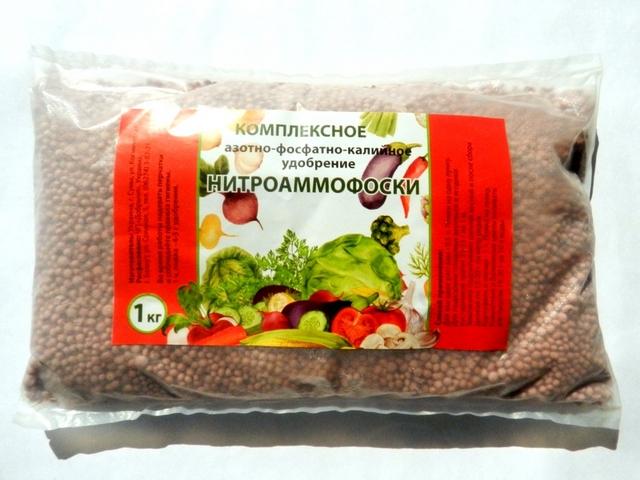
Folk remedies have their place in corn fertilization. The use of urea and nitroammophoska is common not only in agriculture but also among successful farmers.
Urea
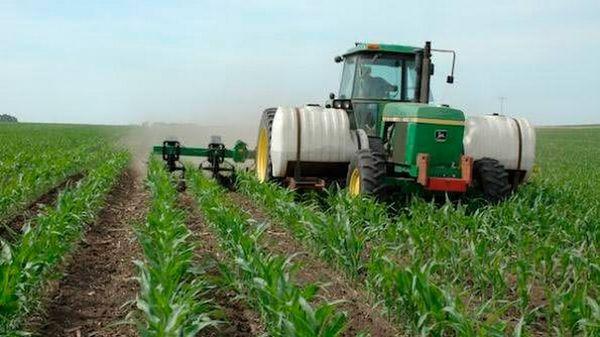
Urea is applied during the fruit formation and flowering phases. It contains high levels of magnesium and nitrogen, which accelerate ear formation and improve their quality. Foliar feeding is applied twice per season. The first time:
- after the formation of 8 true leaves;
- during flowering and fruit setting.
Prepare the solution as follows:
- Choose containers from 10 to 100 liters.
- Fill with water and let it sit for a while.
- Urea is added according to the instructions: 100 l/4 kg, 10 l/0.4 kg.
Nitroammophoska
Nitroammophoska strengthens crops and increases their yield. Dissolve 2 tablespoons of the mixture in 1 bucket of water. Apply the solution to the soil before planting. By the time the seedlings emerge, all the necessary nutrients have decomposed in the soil and are ready for absorption by the plants.
Features of fertilizing corn
Corn feeding for grain and silage production is slightly different.
For grain
At the beginning of the growing season, the plant is fed according to all the rules. To obtain grain after the cobs are set, manure or mineral fertilizers are used. In both cases, corn absorbs micronutrients well. Nitrogen fertilizers are used. 20-30 kg of fertilizer are applied per hectare.
For silage
For silage production, plants are planted close together. This ensures the corn produces strong stalks and loose cobs. Potassium fertilizers and urea are added to accelerate stalk growth.
Methods of crop processing
The crop is cultivated in two ways: foliar and soil. Each has its own advantages.
Sheet
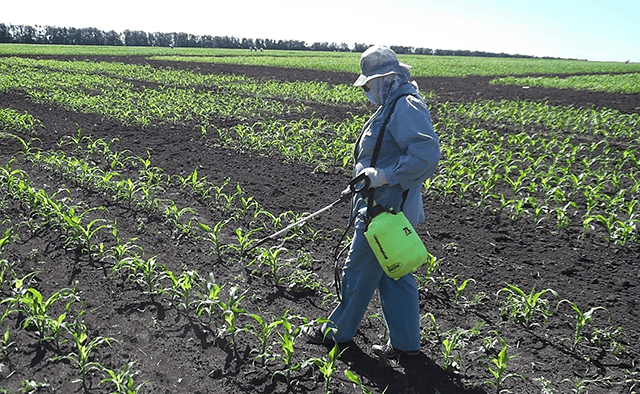
This method involves spraying plant leaves with mineral fertilizer solutions. The elements fall on the green parts of the plant and are absorbed through the stomata. They quickly spread throughout the corn plant.
Ground
Soil fertilization uses organic fertilizers, dry mixes, and prepared solutions. Organic fertilizers are scattered between the corn rows; they decompose within a few weeks and penetrate the soil, where the nutrients are then absorbed through the roots.
Dry mixtures are applied to the soil a few centimeters away from the bush. They are spread in an even layer on the surface or worked into the soil to a certain depth.
It depends on the substance and the instructions. Gradually, the elements transform into a digestible form, are absorbed by the corn roots, and saturate them with nutrients.
Liquid solutions are absorbed faster than dry or organic solutions. Dissolved minerals are applied to the soil between corn plants and in the root zone. Due to their form of application, the elements are quickly absorbed by the root system.
Timing and rates of fertilizing
When growing corn, it's important to adhere to the correct application schedule. Specific fertilizing rates are developed for each stage of the plant's growth.
Before sowing corn
Before sowing, manure is applied to the plot at a rate of 50-60 kg per hectare. Nitrogen and phosphorus fertilizers are also added to ensure they are absorbed into the soil. By the time the crop is planted, they are fully absorbed by the corn.
After planting the seeds
After planting the seeds, the area is watered with a mullein solution and potassium salt is added. This accelerates the development of green mass, strengthens the seedlings, and develops their resistance to adverse weather conditions and diseases.
After the leaves appear
After the first 5-8 leaves emerge, the plant is treated with urea, ammonium phosphate, and potassium salt. All these elements are essential for increasing corn yields. They are applied according to the instructions, observing safety precautions.
Mineral nutrition system for sweet corn
At the beginning of the growing season, the corn root system is poorly developed. It is located entirely on the surface of the soil. It poorly absorbs nutrients found in deeper soil layers, so liquid solutions are recommended.
Before planting, the soil is limed, as the crop does not tolerate acidic soil well.
Organic fertilizers in the form of manure are also applied. These procedures are carried out in the fall, after the planting site has been selected. Manure is applied at a rate of 40-50 kg/ha, and limestone at 8 t/ha.
Mineral fertilizers are applied layer by layer. The rate for each individual element is 120 kg/ha. Fertilization is divided into three periods. Fertilizers are incorporated to a depth of 10-15 cm. Urea, superphosphate, nitroammophoska, and potassium salt are used. The first fertilization is applied in the spring before planting.
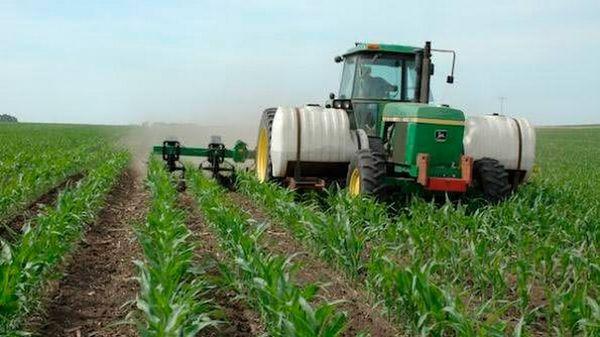
The second fertilizer application is applied after sowing the seeds. Mineral fertilizers are incorporated to the seed planting depth. 10-15 kg of each fertilizer is applied per hectare of soil.
The final fertilizing is done after 5-6 true leaves have formed. Nitrogen and phosphorus compounds are used at a rate of 25-30 kg/ha of each element. Mineral complexes containing zinc, manganese, boron, and copper are also applied during this period.
What about watering?
Any corn fertilizer should be applied after watering. If applied the other way around, some of the minerals will be washed away with the water. Apply fertilizer according to the instructions. Avoid fertilizing during rain or strong winds.
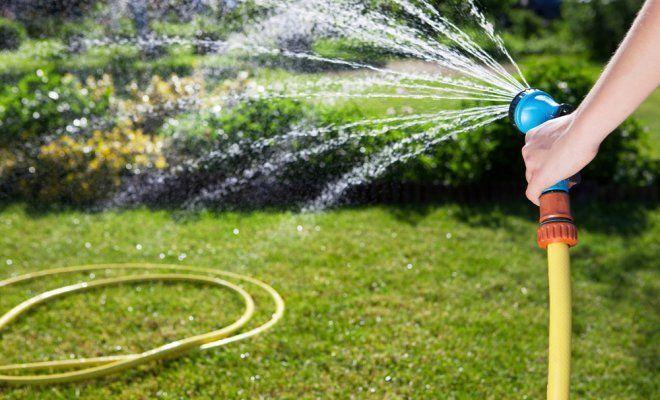
Watering is done according to the plant's needs. The crop is drought-resistant, but regular watering increases the yield and quality of the cobs.
Regularity of watering beds depending on the season
Watering is necessary weekly. The plant requires 2 to 4 liters of water per day. To obtain juicy and large ears, irrigation should not be neglected. This drought-resistant crop tolerates heat well, but does not form ovaries. In agriculture, irrigation rates are calculated for each growing season:
- During the first 25 days, until 8 true leaves form, use 20-25 m3/ha per day.
- From the 8th leaf stage until panicle formation, increase watering to 30-40 m3/ha per day.
- From the moment the panicles form until the threads strengthen, during this period the plant is actively growing, it needs 40-50 m3/ha per day.
- Before the formation of milky cobs, daily water consumption is 30-40 m3/ha.
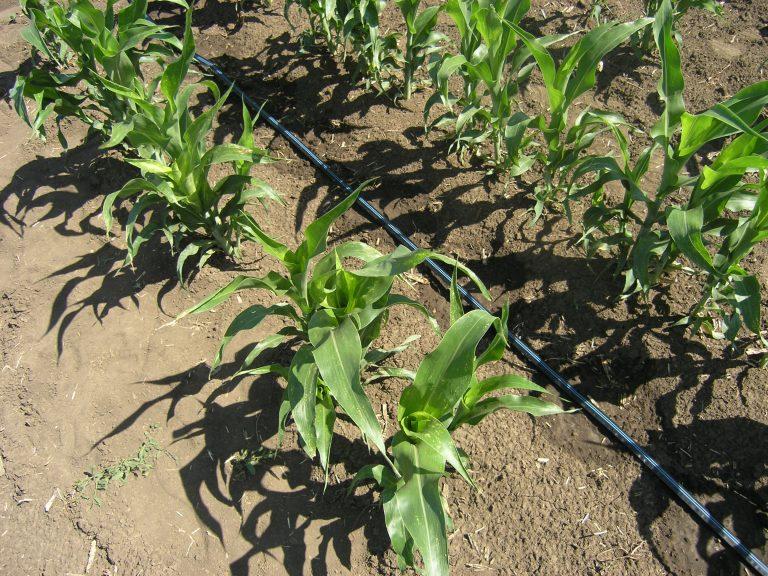 Important! If there is insufficient moisture, the plant will produce empty ovaries, bloom vigorously, but not produce fruit.
Many gardeners are installing drip irrigation systems on their plots and farms. This method ensures that corn receives sufficient moisture without experiencing any discomfort. The system simplifies crop care, as watering requires no human intervention. Spraying water droplets or simulating rain has fallen into disuse. This method is not very effective and does not produce the desired results. Some farmland still uses sprinkler systems, but their use is time-consuming and labor-intensive.
Conclusion
Fertilizers for corn cultivation play a vital role in cob development and yield. Some elements promote the development of the crop's green mass, while others strengthen the plant's immune system and accelerate fruit formation.
Related posts:
 Corn sowing rules and regulations, how to plant and prepare seeds
 Technology for growing corn in open ground and greenhouses, planting and care
 Description and characteristics of the most productive varieties and hybrids of corn
 Technological map for growing corn for silage, seeding rates and yield per 1 ha
 Rules for harvesting corn from fields for different purposes: for grain, for popcorn and for silage
 Corn diseases and pests, effective control measures and prevention
 Description and characteristics of the best varieties of sweet corn, cultivation technology
 Names of the 7 best varieties of corn for popcorn, features of cultivation