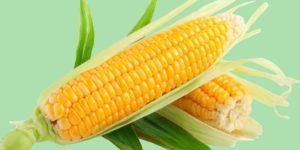
Corn reaches its yield targets both in quantity and quality almost simultaneously and maintains them for several weeks. This is not typical for cereals. Soil cultivation for corn—a crucial part of agricultural technology—must be carried out strictly according to a systematic approach. Soil preparation should focus on proper field preparation. Without this, a substantial harvest is impossible. And corn is so nutritious. It's a great treat for children and a source of protein for poultry.
Why pay so much attention to soil?
Corn requires loose, air- and moisture-permeable soil. This allows its roots to easily access water and nutrients from deep within. Furthermore, it requires constant cultivation to ensure that no competing plants interfere with its vigorous growth, and that weed roots don't block air flow to the corn roots.
Often, with limited land, it's impossible to ensure the necessary crop rotation for this crop. So, areas previously planted with one crop are given over to another.If the soil is cultivated properly, following all agricultural practices, corn can be planted in the same area for several seasons. Of course, you'll need to ensure sufficient fertilizers and herbicides are applied.
It's no secret to an experienced gardener how clean the soil remains after planting corn. There are no weeds if the open area is mowed promptly. Plus, it saves time for tilling the soil in the spring.
Cultivation of soil for corn
The methods and depth of necessary soil cultivation vary depending on the predecessor crop, soil composition and weed infestation of the field.
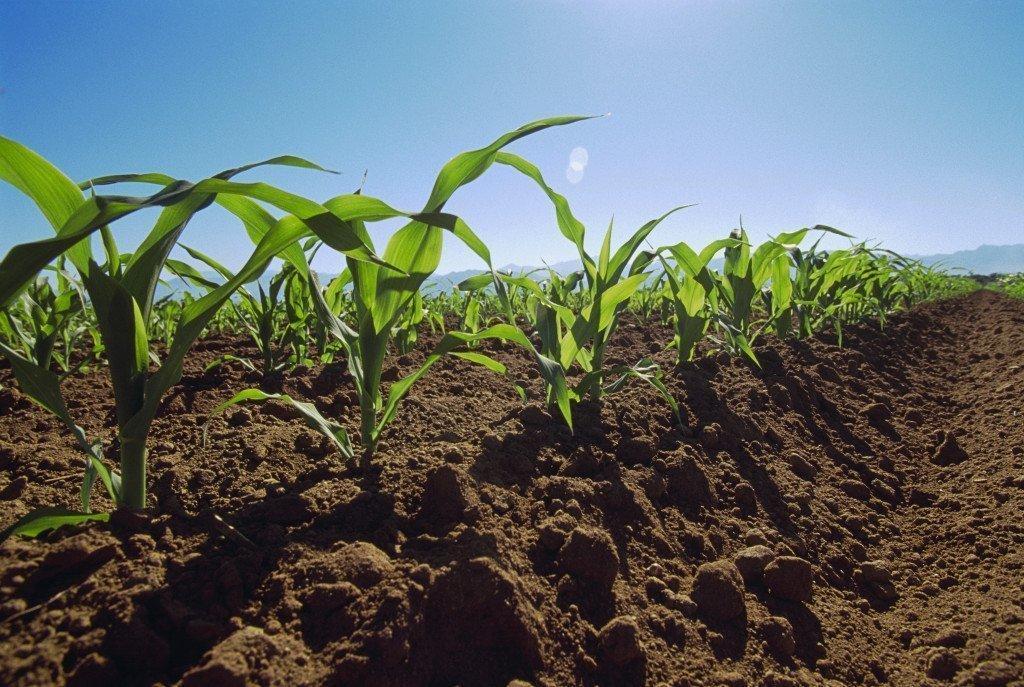
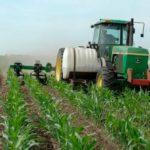
In autumn, it is usually necessary to carry out the main cultivation, which comes down to peeling and deep autumn digging:
- Peeling. This can be done using a Fokin flat cutter, with a penetration depth of at least 10 centimeters. Repeat the procedure as the weed tops grow back. If there are no weeds, peeling is not required.
- Autumn tillage. The beds are dug to a depth of a shovel blade, or 30 centimeters, after which the soil "freezes" throughout the winter. This system also includes post-harvest tillage (more on that below). In steppe areas, where soils are susceptible to wind erosion, deep digging is avoided. Deep loosening is used.
Take a look Also
Pre-sowing tillage is designed to retain moisture and eliminate weeds. It consists of early spring harrowing and two or three simultaneous cultivations with harrowing. The first of these should be carried out early in the season at a depth of 10-14 centimeters. Once weeds appear, the cultivation depth is limited by the seed placement. If the soil is fertilized with manure, the first cultivation is replaced by sub-plowing with a plow and skimmers set to the required depth.
Green manure and predecessors
Important! Cultivating land for corn depends significantly not only on how well the soil is prepared, but also on the crop that was previously grown on the site.
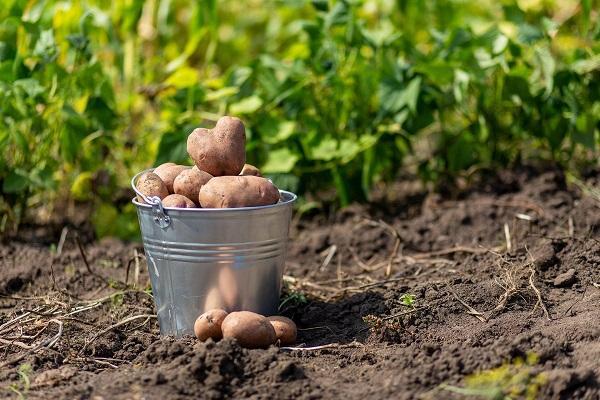
After harvesting potatoes and carrots, loose beds remain. Some green manure crops, such as oats and rye, can act as pests if not dug in time. Herbicides and stubble cultivation are necessary.
But the best results are obtained if predecessors or green manure of corn are:
- melons and gourds;
- legumes;
- cereals and grain crops;
- potato;
- beet.
Fertilization
Experienced gardeners are well aware of corn's sensitivity to organic and mineral fertilizers. Most of these are applied during primary tillage.
Agricultural science states that to produce 1 ton of grain, corn requires, on average:
- 25-35 kilograms of nitrogen;
- 9-12 kilograms of phosphorus;
- 30-35 kilograms of potassium.
Fertilizer application can be a decisive factor in increasing yield and improving the quality of corn grain.
Bird droppings significantly increase corn yieldIt contains (in percent):
- water – 53-82;
- nitrogen – 0.6-1.9;
- phosphorus – 0.5-2.0;
- potassium – 0.4-1.1.
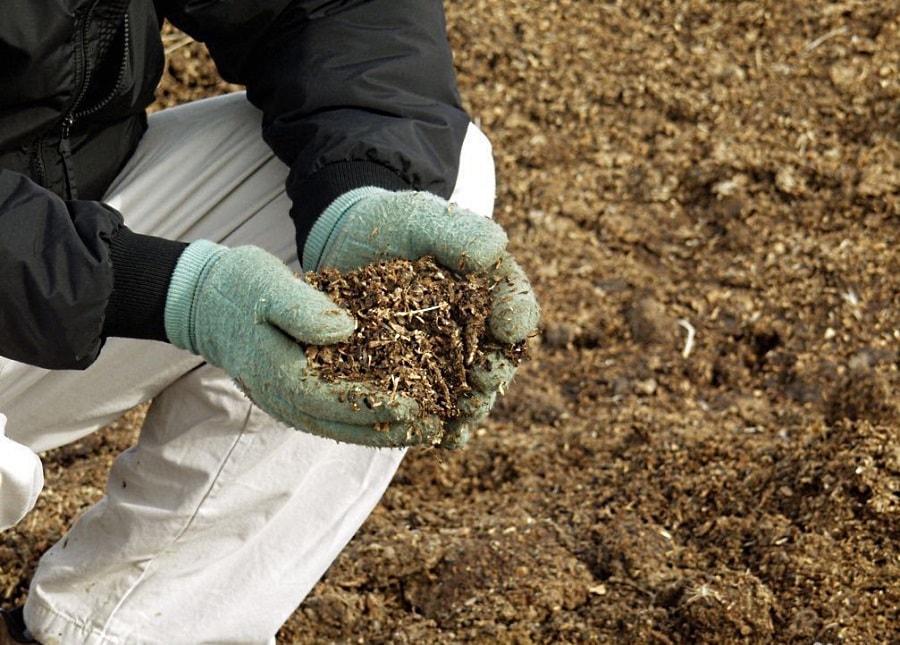
It is applied to the soil in increasing doses (2.5-15 tons per hectare), increasing corn yields. The optimal application rate is 7.5 tons per hectare.
Important! As application rates increase, the return on investment for fertilizers decreases.
Spring cultivation of beds
Pre-sowing soil cultivation involves certain measures:
- Place the seeds in the soil as best as possible.
- ensure uniform germination;
- create conditions for the normal development of the root system.
Take a look Also
But they can only begin when the soil is ready. If it's only slightly fertile, a spadeful of digging is sufficient. If it's depleted, nitrogen fertilizer is added (a bucket of rotted manure or mature compost per square meter). Heavy loams will need to be dug deeper.

How to cultivate and fertilize the soil after corn
The value of corn depends largely on how the soil is treated after harvest. The stalks and roots remain, and they decompose poorly. Therefore, they must be thoroughly mixed with the soil, after being crushed. Corn stubble can harbor pathogens of various diseases. To prevent these from occurring in subsequent crops, moldboard plowing is advisable.
Immediately after harvesting, one or two stubble cultivations and pre-sowing cultivation are usually performed. This is true if the crop was grown for silage or green fodder. If corn was grown for grain under winter wheat and winter barley, one of several soil cultivation options can be chosen. One can disk to a depth of 8-10 centimeters and then cultivate. Alternatively, the crop residue can be cultivated twice with a turbo cultivator and then seeded using a direct-seeding drill.
Corn isn't particularly demanding when it comes to its predecessors. So, it can be planted after grains, legumes, annual grasses, and potatoes. It can also be re-sown. All this makes corn cultivation feasible not only in private gardens but also on an industrial scale.
Related posts:
 Corn sowing rules and regulations, how to plant and prepare seeds
 Technology for growing corn in open ground and greenhouses, planting and care
 Description and characteristics of the most productive varieties and hybrids of corn
 Rules for harvesting corn from fields for different purposes: for grain, for popcorn and for silage
 Technological map for growing corn for silage, seeding rates and yield per 1 ha
 Why do you need to fertilize corn? Irrigation and watering after applying fertilizer.
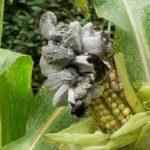 Corn diseases and pests, effective control measures and prevention
 The benefits and harms of corn for human health