
Forage corn can be found in both farm fields and home gardens. The crop is renowned for its versatility. Unlike food varieties, forage varieties are less demanding in terms of weather conditions, soil, and previous crops. They require less labor to maintain.
What is feed grain?
To reduce the cost of meat, livestock farming uses feed grains instead of expensive food grains, which are significantly cheaper and available year-round.If the crop does not meet quality standards, it is classified as a forage type. In turn, feed grain on an industrial scale is also used in accordance with standards - impurities, moisture, germination.
Fodder is a type of forage grain that forms the basis of the diet of farm animals. It is high in carbohydrates but low in protein. The energy value of this product is 80 kcal per 100 g.
Places of growth
While food corn grows primarily in southern regions, feed corn grows throughout temperate climates with appropriate care and agricultural practices.
Appearance
Corn plant Belongs to the grass family. The stem size varies depending on the variety; hybrids 1.5–2.7 m tall are most often planted commercially, which allows for the development of a strong, fibrous root system. The number of internodes ranges from 8–20.
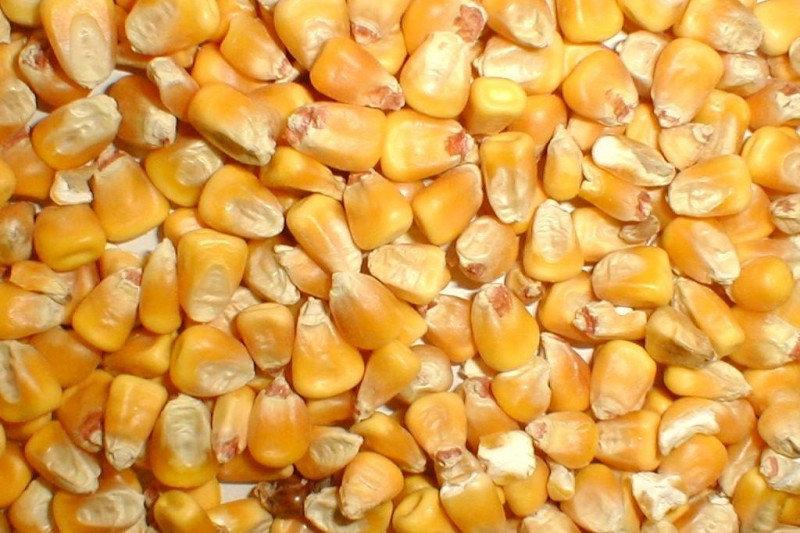
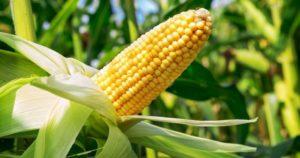
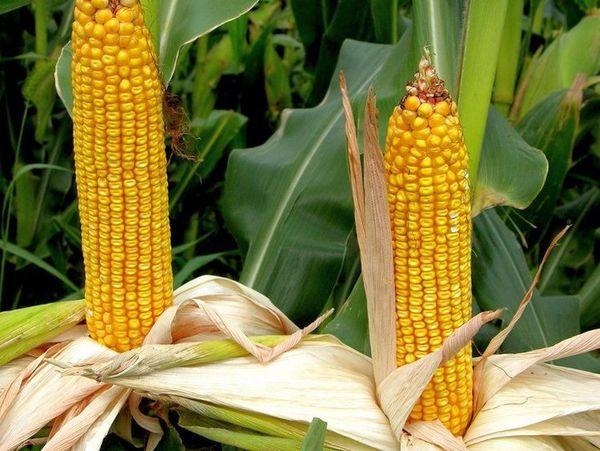
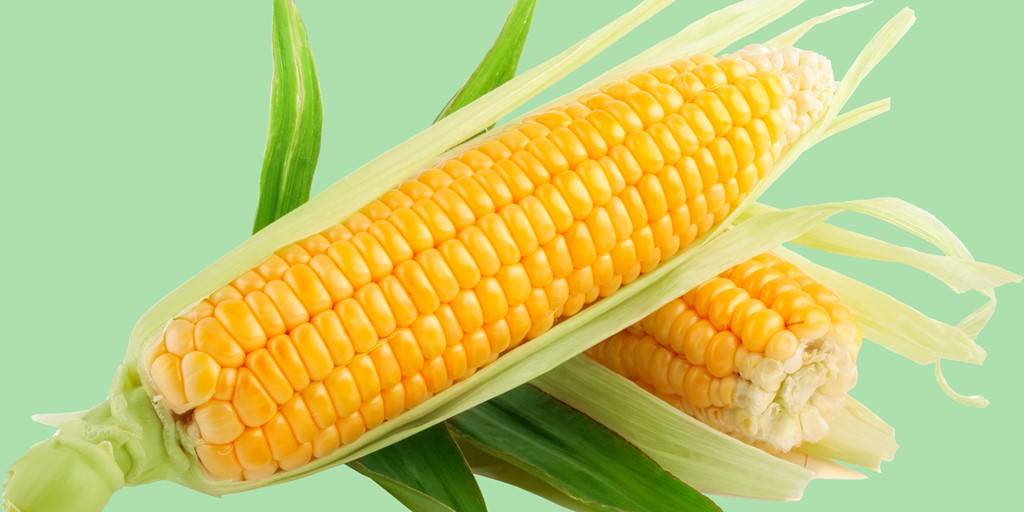
The plant has a spongy stem and massive, elongated leaves. The conical cobs are shaped at the tip. The grain is brightly colored—yellow and orange.
To ensure proper plant growth and a full harvest, seeds purchased for forage are unsuitable. Certified planting material is purchased from trusted farmers.
Taste qualities
Forage grain is hard, dry, has a thick shell, and low sugar content. However, if you choose the best varieties for growing—Kuban Early, Saratovskaya Sakharnaya, Aurika, and Zolotoe Runo—you can safely consume the grain. Forage hybrids contain high concentrations of iron, zinc, potassium, copper, B vitamins, and tocopherol.
Take a look Also
Differences between feed and food corn
Feed corn differs from food corn in the following ways:
- grows in temperate climates, not in southern regions like food varieties;
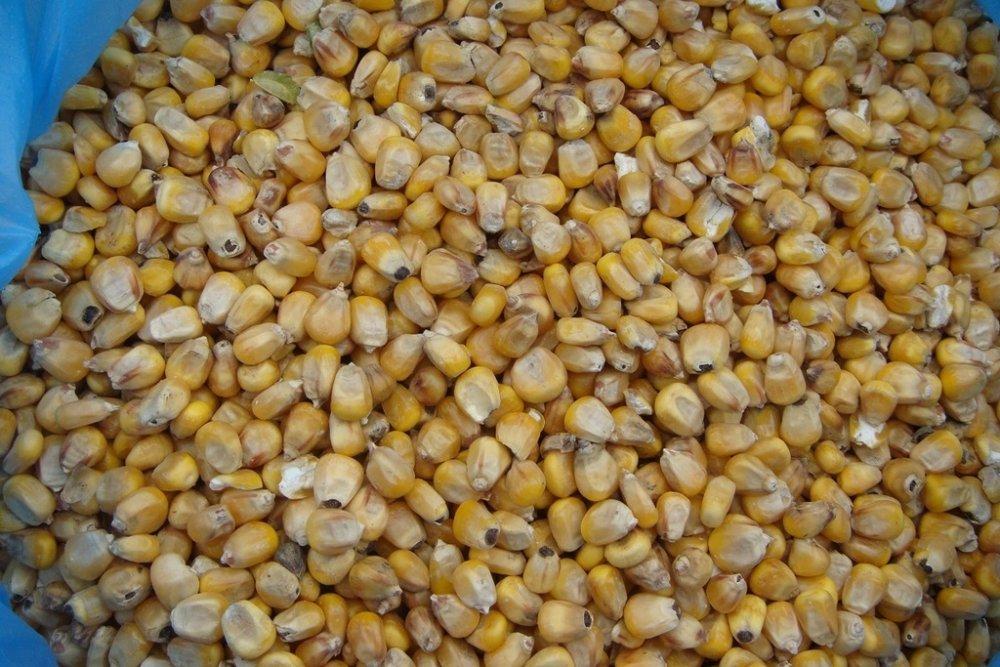
- the grains are colored bright yellow or orange; in varieties grown for food, the grains are pale;
- The cobs are narrow and elongated, unlike the short and thick cobs of common corn.
At the technical maturity stage, the grain of forage corn is hard, tasteless, and dry. Feed corn is distinguished from food corn by the cooking time. If the cobs are ready to eat in more than two hours, it is forage corn. Food corn is cooked for half an hour. There are also varieties of corn that require no cooking.
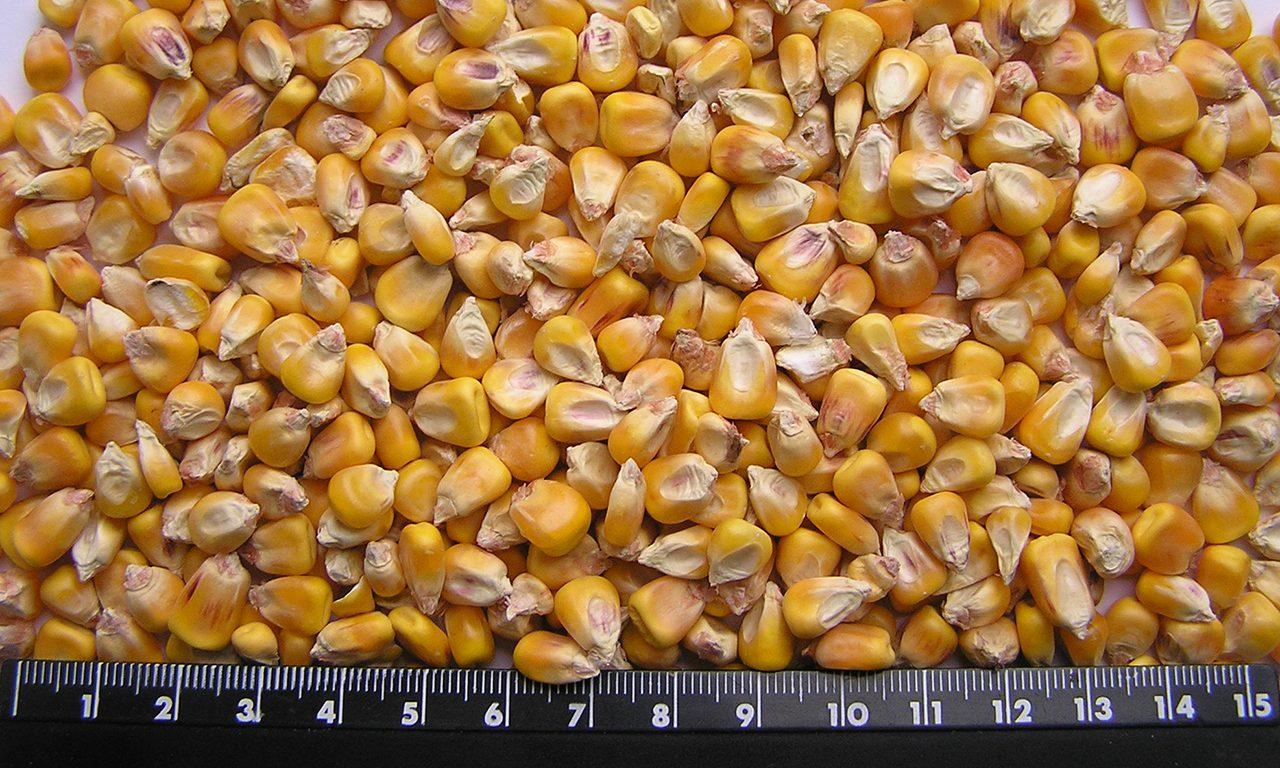 When squeezing the grains of food hybrids with your fingers, the structure is easily destroyed, but when pressing on the grains of forage varieties, no changes occur.
Application areas
Feed corn is included in the diet of cattle for fattening before slaughter. It is used in horse breeding, pig farming, and poultry farming.
Various types of feed are made from the cobs, stems, and leaves of the plant:
- grain collected at the stage of technical maturity, preserved or dried;
- cob flour;
- corn flakes, quickly digestible by animals, obtained by steam treatment for 10 minutes;
- Crushed corn with a lower cost than flakes;
- green fodder prepared from the plant during the period from the beginning of flowering to the milky stage of ripeness of the cobs;
- silage.
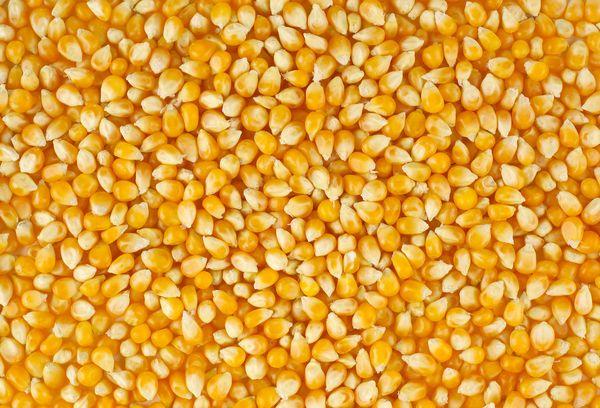
Feed corn is used for more than just livestock production. It is also used to produce ethanol, vegetable oil, and food-grade and industrial starch, which are used in pharmaceuticals, construction, and mining.Countries concerned about the unfavorable environmental situation are obtaining biogas from the plant as a clean source of energy.
Cooked cobs are eaten in the milky ripeness phase, and the food industry produces flour, cereals, and flakes from the grain.
The best varieties of forage crops
The best varieties of feed corn combine robust leaves and stems with the sugariness of the cobs. The green part is used for silage, while the young cobs are eaten as food and used as feed for livestock.
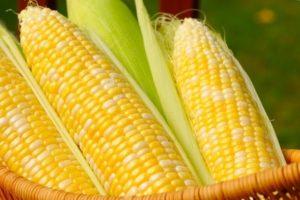
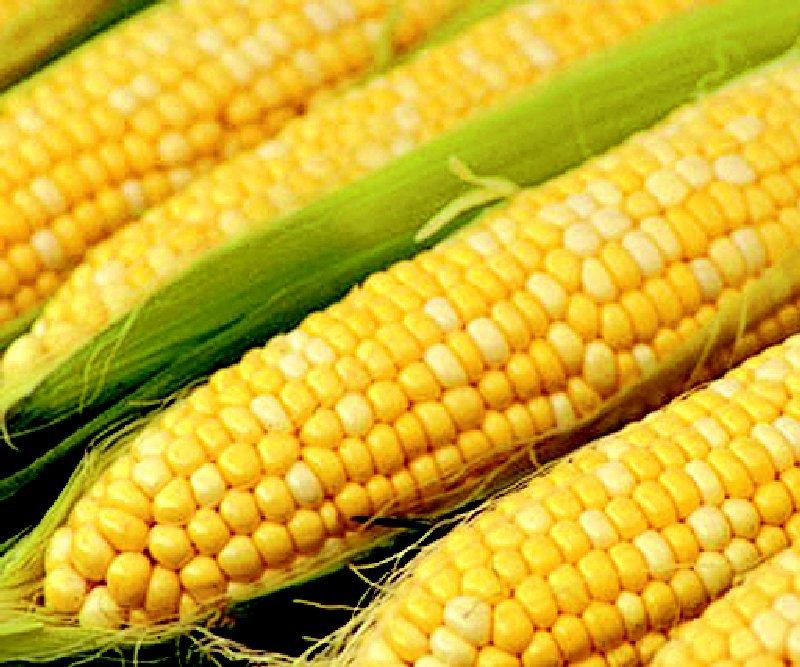
Saratov Sugar
A medium-sized crop with a stem height of 1.4–2.0 m and an ear length of up to 18 cm, recommended for cultivation in the North Caucasus. This early variety ripens 90 days after sprouting. Yields 6.5 kg per square meter. Saratovskaya Sakharnaya is resistant to low temperatures, drought, stem borer, and common smut.
Kuban early ripening
A mid-early variety, 1.4–1.7 m tall. The cob is 14–20 cm long and weighs 200–250 g. The grain is yellow and large. The yield is low—1 kg per square meter. The hybrid has moderate disease resistance and tolerates drought well. It is used for canning. The growing season to maturity is 90–97 days.
Viola
A low-bush variety reaching two meters in height with a 20 cm cob, it is recommended for cultivation in Moldova and Ukraine. The lemon-colored, elongated grain ripens in 70 days. The hybrid requires warmth, fertile soil, and irrigation. The average yield is 12 tons per hectare. Viola is resistant to lodging and has a high resistance to diseases.
Aurica
This early-ripening hybrid reaches technical maturity in 80 days. The conical ear weighs 200 g and is 16 cm long. The stem height is 1.7 m, and the yield is 1.6 kg per square meter. The crop is disease-resistant, prefers fertile, light soils, and requires irrigation.
The Golden Fleece
The hybrid's stalk height is 1.4–1.7 m, and the cylindrical cob grows up to 22 cm long with an average weight of 200 g. The crop reaches technical maturity 75 days after emergence. The corn is consumed fresh, frozen, and canned. The variety is disease-resistant and requires warmth. Yields are 11 tons per hectare.
Pearl
A mid-early, tall variety with 20-centimeter ears weighing 220 grams, maturing in 80 days. The grain is bright yellow, tender, and thin-shelled. This crop is noted for its high yield—up to 22 tons per hectare—and its low maintenance.

The hybrid is disease-resistant and maintains excellent flavor during long-term storage. By studying the characteristics of cereals, you can better select the right variety for your own use, taking into account the crop's characteristics and intended use.
Related posts:
 Description and characteristics of the most productive varieties and hybrids of corn
 What is corn - a vegetable or a fruit, what family does the cereal belong to and where is it used?
 Rules for harvesting corn from fields for different purposes: for grain, for popcorn and for silage
 Description and characteristics of the best varieties of sweet corn, cultivation technology
 How to preserve corn kernels and cobs in jars at home for the winter
 The benefits and harms of corn for human health
 Technology for growing corn in open ground and greenhouses, planting and care
 Corn sowing rules and regulations, how to plant and prepare seeds
As far as I know, each region has its own corn variety that is best suited, so first of all, you need to start from this, and then select other aspects.