
- Can you freeze tomatoes for the winter?
- Freezing Features
- Selecting and preparing suitable fruits
- Preparing the refrigerator
- The best ways to freeze tomatoes at home
- Whole fruits
- In slices without peel
- Pizza circles
- In pieces
- Tomato puree, frozen in molds
- Freezing stuffed tomatoes
- In the freezer with pepper
- Tomato juice
- How long and how to store frozen tomatoes
- Defrosting frozen fruits
- What can you cook?
During the summer, lunch menus are varied, thanks to the abundance of fruits and vegetables ripening at the same time. Good homemakers remedy this by preparing their own produce at home. Trying to stock up on as many vegetables as possible, they perform various manipulations with them. But it's difficult to compare the taste of processed fruits with freshly frozen produce, and every thrifty homemaker wants to know how to best freeze tomatoes for the winter.
Can you freeze tomatoes for the winter?
With the advent of improved freezing devices, the ability to subject freezing all kinds of vegetable products increased. It is generally accepted that fruits with a high liquid content cannot be frozen. This is absolutely not true.
As it turns out, there are some important subtleties to the freezing process, and once you understand them, you can preserve tomatoes using the deep-freeze method. This method offers numerous advantages. First and foremost, the fruits retain their micronutrients and beneficial substances.
Frozen tomatoes retain their full flavor and aroma. Fresh from the freezer, delicious slices or wedges can enhance any culinary masterpiece, while in a fresh salad, the difference is almost imperceptible.
Freezing Features
Before beginning the freezing process, carefully examine all the vegetable's characteristics. Only firm, but not hard, fruits are suitable for freezing. A preliminary inspection will identify damaged or crushed fruits that are unsuitable for freezing.
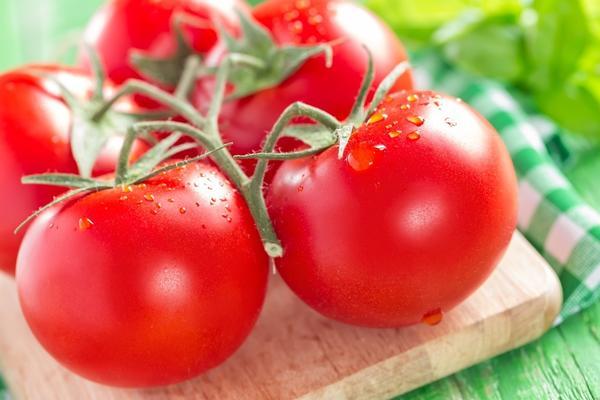
Any type of tomato can be frozen, but varieties with the lowest percentage of liquid in the pulp are the most suitable. After defrosting, these tomatoes are virtually indistinguishable from fresh tomatoes, and to ensure the frozen vegetables don't disappoint, home cooks follow these basic rules:
- choose fleshy, low-juice tomato varieties with fruits of a certain ripeness;
- freeze only pre-washed and dried vegetables;
- Tomatoes are cut with a special knife with notches on the blade;
- The fruits are frozen in stages.
Selecting and preparing suitable fruits
Fresh vegetables are sorted by ripeness. Green, unripe tomatoes, which taste bitter after defrosting and are unfit for consumption, are discarded immediately. Freezing such a harvest is pointless. Fruits with bruises, damage, or cracks are also unsuitable.
All types of tomatoes are suitable for freezing, as long as they're at the right stage of ripeness. The variety chosen depends on the recipe and the chosen freezing method. If you have enough freezer space, you can freeze the vegetables whole.
The ideal option is small cherry tomatoes: firm, tasty, sweet, with the right amount of pulp.
Preparing the refrigerator
Technological processes are constantly evolving. Every year, new, improved models of household appliances emerge in various fields, offering a wide range of functions and helping homemakers. Modern freezers, freezer cabinets, and refrigerators fall into this category.
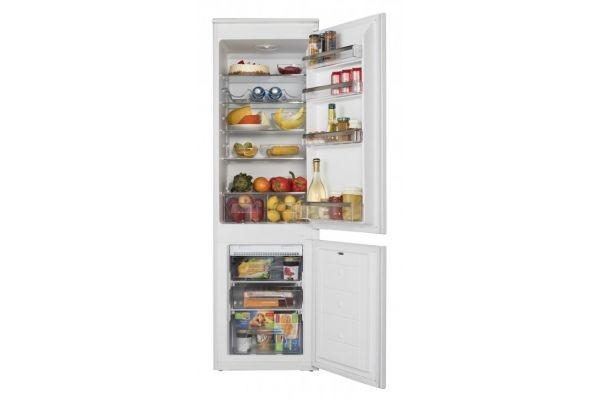
Home freezers are equipped with a blast freezing section, which allows many types of vegetables, including delicate, finicky tomatoes, to be chilled quite quickly. Freezing preserves the product's nutritional value and appearance.
Preparatory processes are carried out in the standard manner. The chamber is defrosted, washed, dried, and ventilated. Any foreign odors are removed from the compartments. The compartment intended for freezing tomatoes should be empty and have as much free space as possible.
The best ways to freeze tomatoes at home
Every homemaker chooses the most convenient and suitable method for freezing tomatoes. There are many methods, all of which have their advantages and are appreciated by those who perform them. Only a properly executed process can yield good results.
Whole fruits
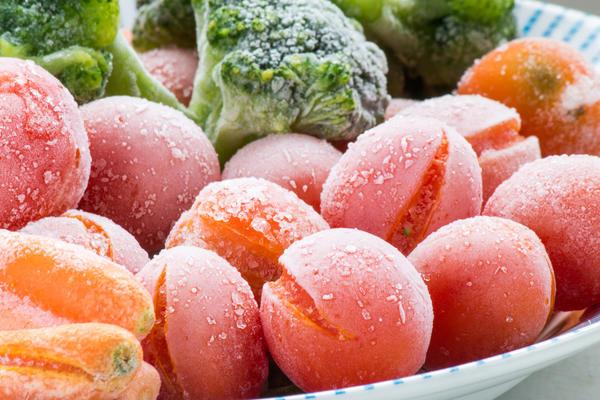
This is the most convenient and simple freezing method. Whole frozen fruits preserve better, and after defrosting, they are suitable for fresh consumption or as an addition to prepared dishes.
The key to freezing is choosing tomatoes wisely. Only small tomatoes, such as cherry or plum tomatoes, are frozen whole. Medium-sized tomatoes, such as the late-ripening "De Barao" variety, are particularly good for freezing.
Selected, thoroughly washed, and dried tomatoes are placed in a single layer in a thick plastic bag, all air is removed from it, and placed in a freezer, pre-set to the instant freeze mode.
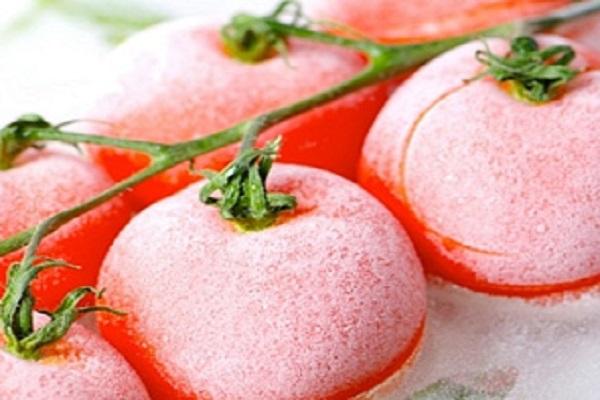
Whole tomatoes can also be frozen without the skins. Place each tomato in boiling water for a few seconds, then quickly peel off the skins. Place the peeled tomatoes on a wooden board and cover with plastic wrap. Freeze the tomatoes for 24 hours before storing. Then, transfer them to plastic bags for storage.
In slices without peel
Tomatoes are frozen in slices, peeled and cut into wedges. Choose medium-sized, very fleshy varieties for freezing. To ensure even peeling, place the tomatoes in boiling water for a split second, remove them, and peel the skin off the stem with a quick, sharp motion.
Using a sharp, specialized knife, cut the slices into wide pieces, which are then laid out on a plastic board and placed in the freezer. Once the pre-freezing stage is complete, the pieces are removed, quickly laid out in a single layer on plastic wrap, and wrapped. The single-portion packages are then placed in the freezer.
Pizza circles
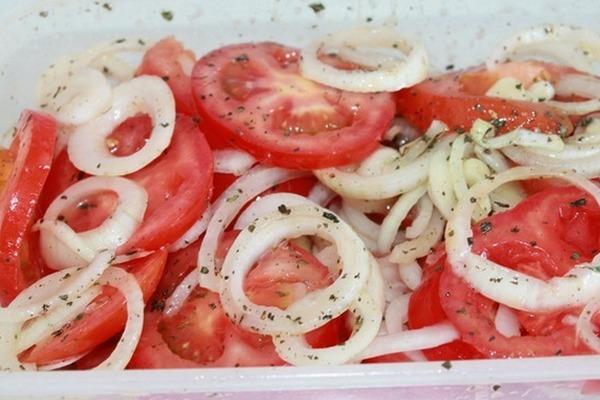
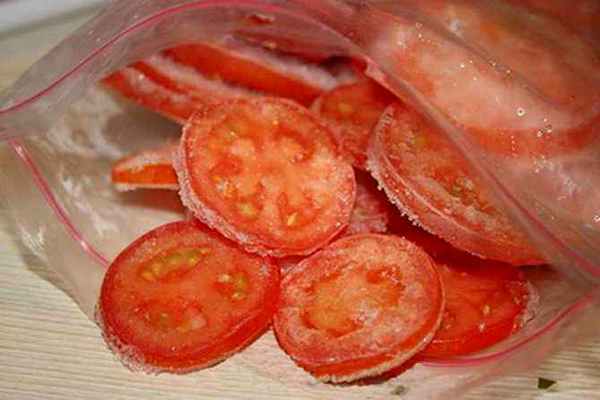
To ensure tomatoes taste as good as fresh, they are prepared in slices. Selected, fleshy tomatoes with thick, firm skins are washed, dried, and sliced into uniform, ten-millimeter-thick rounds. This method prevents the sliced parts from becoming spread out.

Next, the circles are laid out on a tray, each separated by a thin layer of film, and placed in the freezer for the first six hours. Once the pizza or sandwich fillings are well-frozen, they are removed, portioned into individual bags, and stored in the freezer.
In pieces
Tomatoes, sliced and prepared, are added to dishes during cooking. This frozen vegetable option is convenient because it doesn't require defrosting. For sliced tomatoes, select plump, firm, and not too watery tomatoes.
Freezing tomatoes in cubes is more efficient without the skins. Peel whole tomatoes by steaming, cut into large, equal-sized pieces, de-juiced, and then placed in individual, airtight bags, before freezing.
Tomato puree, frozen in molds
This method takes a little more time, but the results are worth it. Frozen tomato molds don't need defrosting. They can be removed from the freezer and immediately added to borscht, salads, and hot dishes.
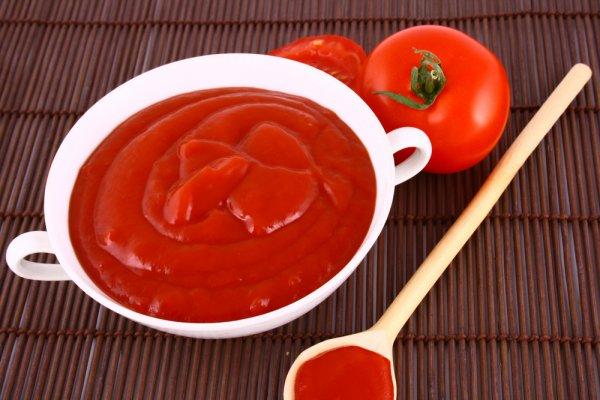
This recipe calls for slightly overripe tomatoes. Even discarded, substandard tomatoes can be processed by removing any blemishes and peeling the skin. The resulting tomatoes are minced. Half of the juice is discarded.
The finished puree is placed into silicone molds. Remember that the mixture expands when frozen, so the molds should not be filled to the brim. The containers with the puree are placed on a tray and placed in the chamber. After a day, the frozen mixture is removed from the molds, packaged in the required quantity into bags, and finally frozen.
Freezing stuffed tomatoes
Stuffed tomato lovers would love to enjoy their favorite dish year-round, but it's not always possible. The growing popularity of frozen vegetables makes it possible to enjoy stuffed tomatoes even in winter.
The firmest, most compact tomatoes are selected for canning. A small portion is cut off from the stem end, and the pulp is scooped out. The tomatoes are laid out on a wide board and frozen. They are then divided into portions, placed in prepared plastic containers or bags, and stored.
In the freezer with pepper
Making a tomato and pepper preserve requires a bit of work. The process takes some time, but the end result is these delicious vegetable tablets, indistinguishable in taste from fresh tomatoes. These aromatic, vitamin-rich rounds can add a wonderful flavor to many a dish.
Any fruit can be used in this recipe, as long as it's thoroughly washed, dried, and diced. Bell peppers and herbs require the same preparation. Grind all ingredients in a meat grinder and mix well. The resulting mixture can be seasoned with salt.

Various molds, such as silicone or plastic, are used for freezing. The molds are filled halfway with the vegetable mixture and placed in the freezer. The frozen mixture is removed from the containers, portioned into bags, and placed in the freezer for long-term storage.
Tomato juice
Homemade tomato juice is much healthier and tastier than store-bought. Thanks to the convenience of modern freezers, you can stock up on this vitamin-rich drink for a long time. To make it, wash, dry, and chop the tomatoes and puree them in a blender.
The prepared nutritious drink is poured into plastic cups and frozen. Preparation is quick and easy, requiring no special knowledge or effort. And after defrosting, this vitamin-rich beverage will be a delight to enjoy during the colder months.
How long and how to store frozen tomatoes
If the accepted requirements for freezing methods are met, tomato preparations in the freezer can be stored indefinitely.
However, during the storage period, certain established rules and regulations should be followed:
- Store prepared tomato products only in tightly sealed plastic containers, polyethylene bags or vacuum bags;
- To ensure that tomatoes are stored for as long as possible and do not absorb foreign odors, they are kept in tight packaging;
- maintaining food proximity is also an important fact;
- The products cannot be re-frozen.
Defrosting frozen fruits
Whole frozen tomatoes without skins will take about fifteen minutes to thaw, then slice and add to the finished dish. If the tomatoes are skinned, remove the skins and then use as directed. All other types of frozen tomato preparations do not require defrosting.
Each method is used according to taste preferences and purpose.
What can you cook?
Frozen tomato products can be used for a variety of purposes. Tomato puree can be added to borscht, soups, and meat and vegetable stews. Slices make a delicious addition to a cheese or ham sandwich. Whole cherry tomatoes look great in a vegetable salad. Tomato slices are perfect for making homemade pizza. Each cook decides for themselves which dishes are best suited to frozen tomato preserves.
Related posts:
 Description of the best varieties of black tomatoes for open ground and greenhouses
 What varieties of tomatoes are best to plant in a polycarbonate greenhouse?
 16 Best Quick Pickled Tomato Recipes for the Winter
 15 simple recipes for pickling tomatoes in jars for the winter
 What's the best way to freeze bell peppers for the winter at home? Storage times
 TOP 17 recipes for pickled sweet tomatoes for the winter
 TOP 20 step-by-step recipes for sun-dried tomatoes at home for the winter
 How to make marinated tomatoes in jars for the winter using a Bulgarian recipe