
Sometimes it's very convenient to have grated vegetables on hand for preparing various dishes. However, grated vegetables won't keep for long in the refrigerator, so it's important to find the best storage option for grated vegetables. The freezer is ideal for this purpose, as it will preserve the quality, flavor, and aroma of the vegetables for as long as possible. To save time, it's helpful to know how to properly freeze carrots for the winter.
Can you freeze carrots?
Most vegetables freeze well and stay fresh for a long time when stored this way. But will they be healthy? Freezing preserves carrots' valuable fiber and other beneficial elements and minerals.
The key is proper preparation and freezing. After that, all you have to do is remove it from the freezer, add it to any culinary masterpiece, and save a ton of time.
There are also other compelling reasons to choose to store vegetables in the freezer:
- Root vegetables like carrots and beets can be considered seasonal. In winter, store prices for these products are much higher, and their quality is not always satisfactory. Therefore, to save money, it's easier to grab a ready-made supply from the freezer.
- Vegetables are often processed during the winter to preserve their appearance and enhance their flavor. But if you store your own carrots in the freezer, you don't have to worry about the product's eco-friendliness.
- Quick and easy. You don't have to waste time peeling and chopping vegetables while cooking. Simply remove the finished product and add it to the dish.

Also, sometimes there is simply not enough space to store a large supply of vegetables from your garden.
Selecting and preparing root vegetables
Medium-sized, firm-textured root vegetables are best for freezing. Overripe root vegetables lack sweetness and are often too hard. Young root vegetables can sometimes taste bitter. The vegetable can be preserved chopped, sliced, or whole. Freshly picked root vegetables are best.
Vegetables should be free of any rotten or spoiled parts. They can be cooked or frozen raw.
Before freezing, wash the root vegetable thoroughly, removing any dirt or other debris. Trim off the ends and peel off a thin layer of skin. Rinse again under water and dry. You can cut it into cubes, rings, strips, or blend it. To prevent sticking in the freezer, place the sliced product on a plate and freeze for an hour and a half. During this time, you can prepare the necessary freezing containers.

Required containers
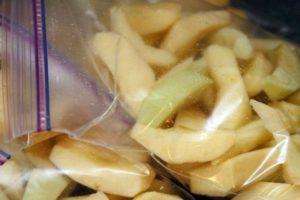
For storing vegetable preserves in the freezer, it's not recommended to use regular bags or glass containers. Bags can easily tear, and glass often cracks due to low temperatures. Plastic containers are considered the best option. Vacuum bags, which preserve the product's flavor even better, are also often used.
It's a good idea to label each container with the time the product was sealed. Plastic cups or ice cube trays can be used as suitable containers.
Methods for freezing carrots for the winter
There are several common methods for freezing carrots at home. You can chop the product using various kitchen utensils. However, simply slicing the vegetable is also acceptable. The preparation method largely depends on the intended use of the finished product.

Raw
Freezing fresh carrots that have not been heat-treated preserves valuable and beneficial nutrients, including essential vitamin A.
How to freeze:
- The root vegetable can be grated, rolled into strips, and frozen. As needed, a small portion can be cut off and added to dishes.
- Place the prepared carrot pieces in a suitable container and place them in the freezer. After an hour, stir them thoroughly to prevent them from sticking together and make them easier to remove.
- The purified product is placed into containers in small portions.
- Freeze the finished carrots.
Blanched
Blanched carrots are often stored in the freezer because this extends the shelf life of this healthy vegetable. How to freeze:
- Cut the root vegetable into individual cubes. The shape can be any, but the size should be approximately the same.
- Place the chopped pieces in boiling water for a couple of minutes.
- Then the boiled product should be cooled and thrown into cold water for a couple of minutes.
- Transfer to a board or plate and allow time to dry.
- Place in the refrigerator to freeze.


Grated
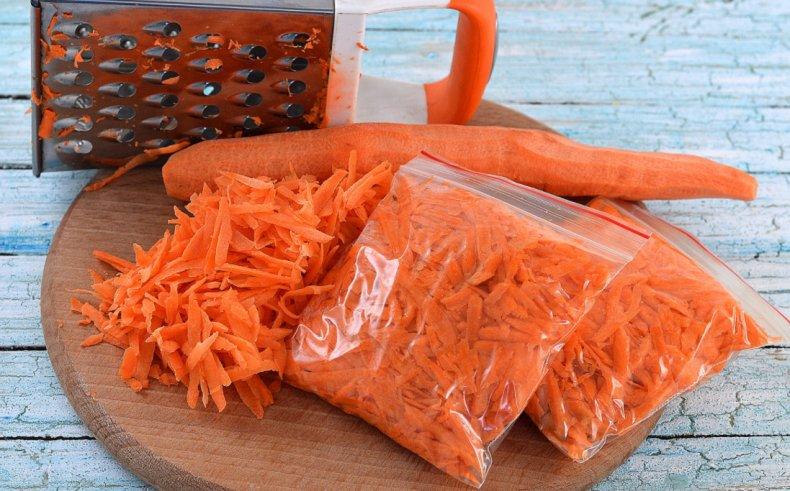
This method is also considered the simplest and most accessible. No heat treatment is required, so the product will be fresh and healthy. How to prepare:
- Grate the peeled carrots using a grater.
- Place tightly into bags, package and flatten.
- The bags are typically no more than 4 centimeters thick—this way, the root vegetable will freeze faster, and containers of this shape are also more convenient to store, as they take up less space and easily fit even in a small freezer.
- It's not recommended to constantly remove vegetables, defrost them slightly, and break off the desired amount. It's better to freeze them in portions.

Puree
Carrot puree is very easy to use after freezing. Simply reheat it or add it to simmering soup. This type of preparation is rarely used in cooking, but for small children, it's an ideal way to preserve this healthy vegetable. How to prepare:
- Peel the vegetable and chop it in any convenient way: into cubes or circles.
- Place in boiling water and cook until soft. This will take no more than 20 minutes.
- Pass the chopped vegetables through a blender or food processor.
- Cool the resulting puree and pack it into suitable containers. Cover tightly and place it in the freezer.

Freezing carrots fried with onions
This method of preserving vegetables is perfect for making flavorful soups, as they often include sautéed onions and carrots. This eliminates the need to peel and chop the vegetables separately. Simply remove the pre-prepared vegetables from the freezer and prepare the dish. How to prepare the pre-prepared vegetables:
- Wash the root vegetable thoroughly, remove any dirt, and trim off the tops.
- Grind the prepared vegetable using a grater.
- Peel the onion and cut into small pieces.
- Place the prepared vegetables in a preheated frying pan, add sunflower oil and simmer for half an hour.
- Allow to cool, place in suitable containers and freeze.

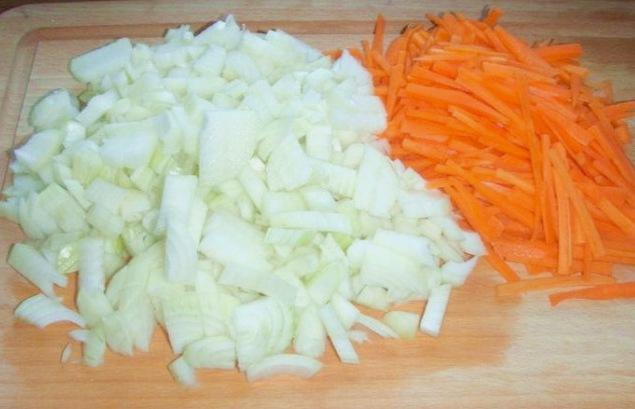
After packaging the mixture into special containers, you'll need to tightly close the lid. Otherwise, it may absorb other odors.
Best before date
The shelf life directly depends on the temperature maintained in the freezer. At -18°C (-18°F), carrots will keep almost year-round. As the temperature rises, the shelf life of frozen carrots decreases. At temperatures down to -8°C (-8°F), carrots can be stored for no more than 4 months.
If other ingredients, such as onions, have been added to carrots, their shelf life will be reduced. In any case, it's advisable to label the prepared vegetables to ensure their freshness.
How to defrost properly
Often, winter supplies stored in the freezer don't need to be defrosted before use. Simply remove the desired amount of vegetables and toss them into the almost-ready dish.
However, there are times when carrots aren't used as an addition to hot dishes. In these cases, it's crucial to follow a few rules to preserve their beneficial properties. First, place the carrots in the refrigerator to thaw. Then, defrost them at room temperature. Avoid using a microwave. It's also important to remember that refreezing vegetables is not recommended.
Related posts:
 Carrot care guidelines for outdoor cultivation to ensure a good harvest
 Is it possible to plant carrots in July or at the end of June? What are the best days and care instructions?
 50 Best Carrot Varieties with Descriptions and Characteristics
 TOP 50 recipes for favorite and unusual salads for the New Year of the Pig 2019
 How to control carrot flies with medications and folk remedies
 What is the best way to feed carrots? Fertilizers and preparations, using folk remedies.
 Recipes for pickling Korean-style carrots at home for the winter in jars with and without sterilization
 How to plant carrot seeds in open ground, timing and sowing methods