Fruit and vegetable shortages are especially noticeable with the arrival of cold weather. Housewives try to prepare a variety of preserves and vegetables to add variety to their winter diet. There are many methods: pickling, marinating, canning, and freezing. The most commonly used vegetable is beets. They contain a large number of vitamins and nutrients essential for the human body. How to properly freeze beets for the winter, and whether it is necessary, and which freezing method is best.
Can you freeze beets for the winter?
The root vegetable keeps well fresh in a cellar, refrigerator, or on a balcony. The main condition is that the air temperature should not exceed 5 degrees Celsius. It retains its consistency, vibrant color, and vitamins. Many housewives claim that it not only can, but should be frozen.
To ensure the vegetable retains all its nutrients, it must be properly prepared. This also takes into account when and how it was picked. This root vegetable is harvested last from the fields.
Freezing has a number of advantages:
- For frozen vegetables You need to take the time, but then with one movement of the hand you can cook borscht or make beetroot stew.
- Preserving root vegetables for long at room temperature is practically impossible. And if you don't have a dedicated storage facility, freezing is the only option.
- In winter, the price of beets is significantly higher, so it's a good idea to stock up in the fall. Choosing beets in winter can also be difficult. They may be offered frozen.
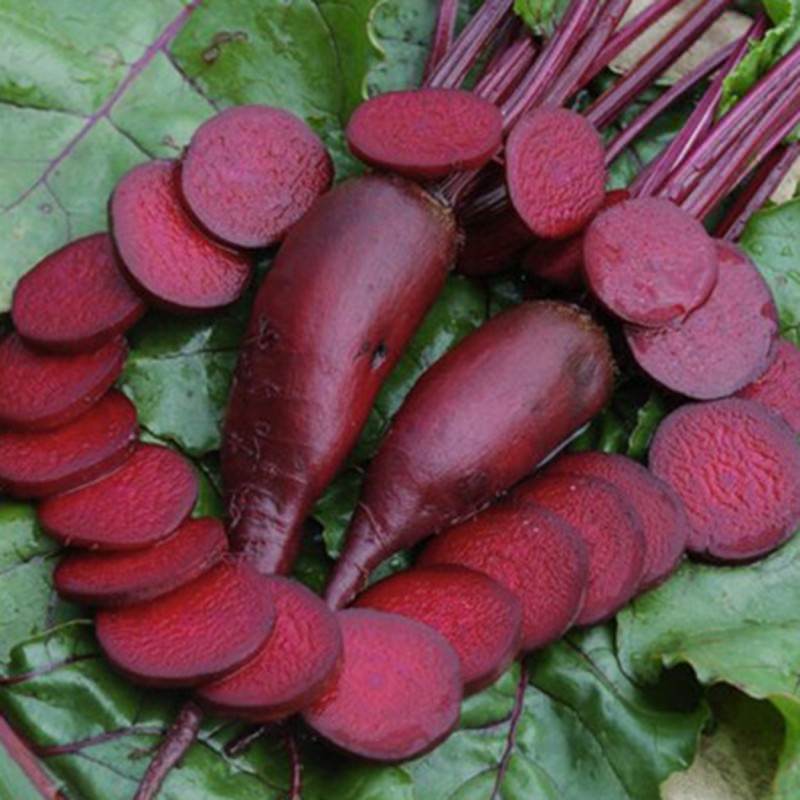
The subtleties of freezing
There are some freezing features that need to be taken into account when preparing the preparation:
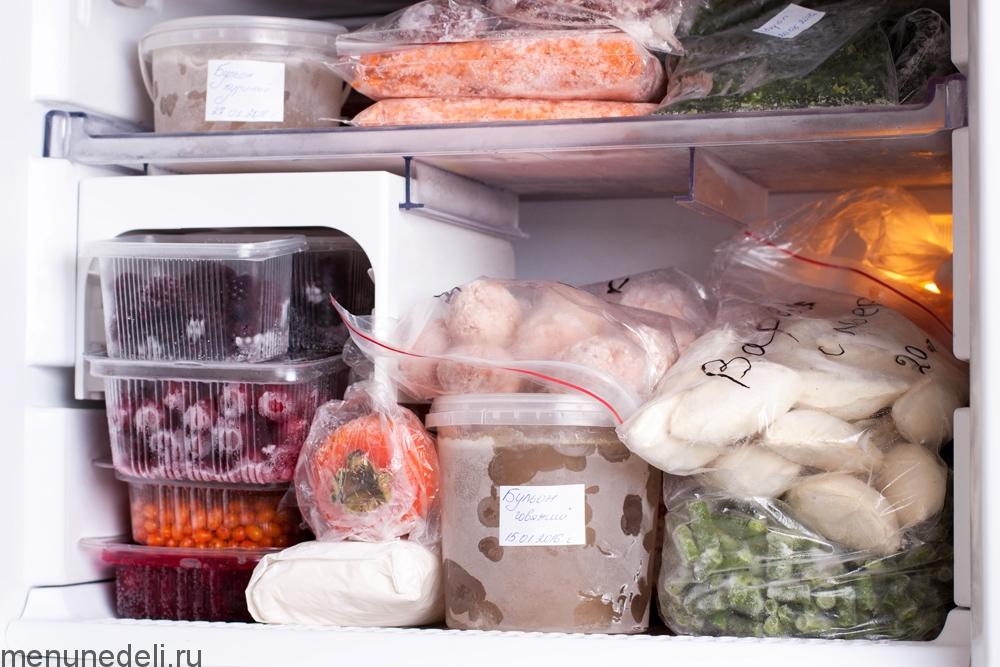
- Vegetables should be frozen in portions so that one serving is used when preparing a dish.
- Once thawed, the product cannot be refrozen. Once thawed, use it immediately or discard.
- If your appliance has a "quick freeze" feature, it's ideal for preserving root vegetables. The product freezes quickly and stays fresh.
- To ensure the product is stored for a long time without changes, the temperature should not exceed -10 degrees.
- Late-ripening table varieties are ideal for harvesting. Early-ripening varieties are completely unsuitable.
- To preserve its beneficial properties, the product must be frozen immediately.
- For convenience, mark the freezing date on each bag or container.
Take a look Also
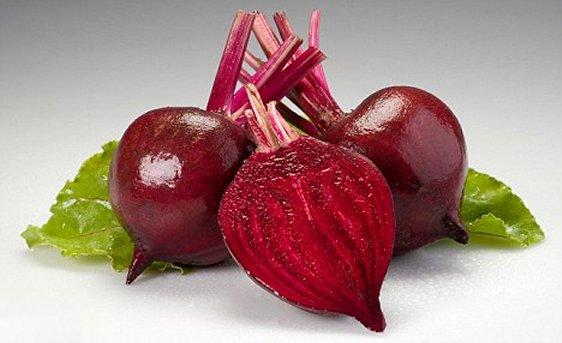
Beets are rarely prepared this way unless suitable storage conditions are available.
Preparing the refrigerator before starting the process
The freezer is covered with a thick layer of ice—it needs to be defrosted immediately. It's best to do this before freezing any fruit.
Unplug the refrigeration unit. Remove all remaining food and inspect them. Discard any that are past their expiration date.
After defrosting, rinse with a water-soda solution and wipe with a dry cloth. If possible, let it sit for three days. After that, you can begin preparing the food. It's important to keep them close together. Vegetables and fruits should be frozen separately from meat.
Methods for freezing beets at home
There are many freezing methods. Opinions vary, with some recommending cooking the vegetable, while others recommend freezing it raw.
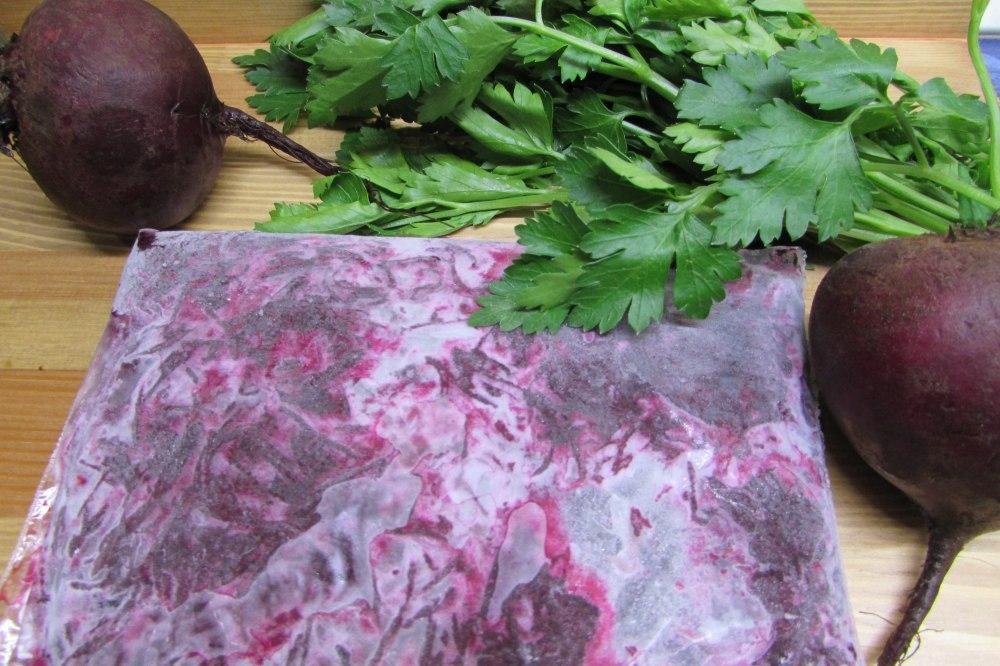
Fresh beets
The vegetable is placed in the freezer in its raw form.
Cooking methods:
- The picked root vegetable must be thoroughly washed in cold water.
- Peel the skin using a vegetable peeler.
- Grind in any convenient way: grate on a coarse grater, cut into cubes or strips.
- Prepare portioned bags or containers.
- Distribute in portions required to prepare one dish.
- It can be prepared specifically for making borscht, vinaigrette, and so on.
- Write down what dish the vegetable is intended for and the date it was frozen.
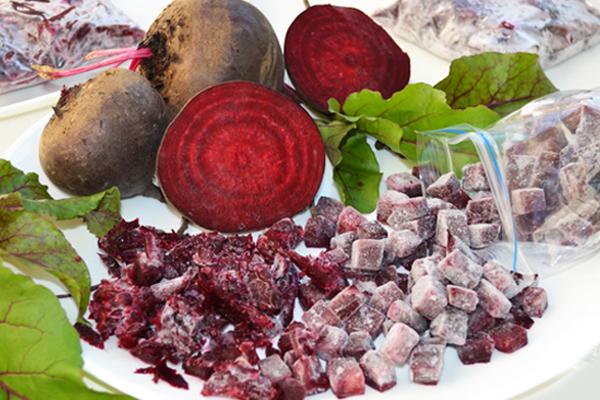
Freezing tops
You can freeze not only the vegetable itself, but also the greens. They are used to make green borscht in the winter.
Method of preparation:
- For harvesting, it is necessary to select fresh young tops.
- Sort out and discard damaged and yellow leaves.
- Rinse thoroughly.
- Lay out on a towel and let dry completely.
- Divide into portioned bags and store in the freezer.
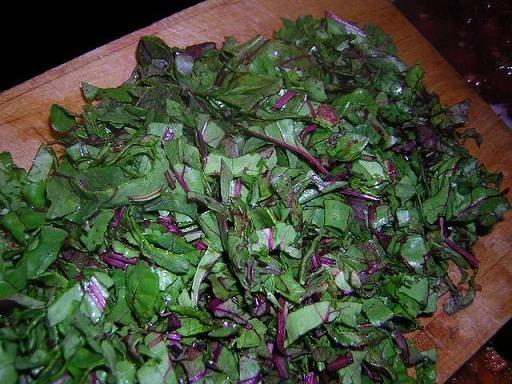
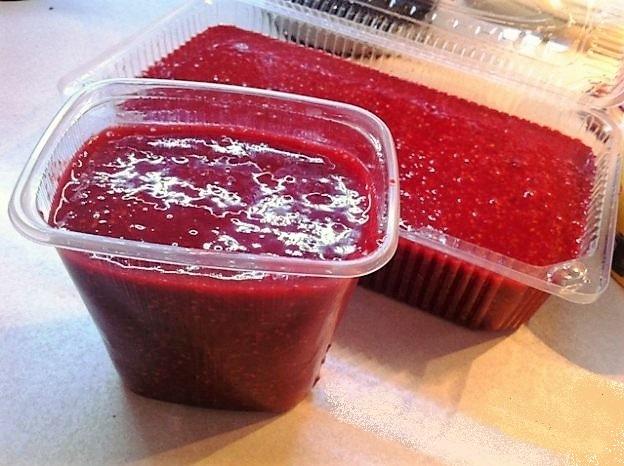
Beetroot puree
Beetroot puree is most often used in baby food. Therefore, if you have small children or are planning to have one, consider this preparation.
Take a look Also
Method of preparation:
- Boil young fresh beets until done.
- Place in a colander and plunge into cold water.
- Peel and cut into pieces.
- Place in a blender and puree until smooth. An immersion blender is helpful. Finely grated beets can also be used.
- Place into small containers (bags, containers) and freeze.
Storage methods
The root vegetable can be preserved in the following ways:
- The most common method is storing beets in a cellar. It's important to keep the air temperature constant, between 3-5 degrees Celsius. Beets are often stored on potatoes. Beets are placed in two rows in the potato compartments. The potatoes share their excess moisture.
- An equally popular method involves using sand. Slightly damp sand is placed on the bottom of the box, and the root vegetables are placed there. Each row is covered with sand right up to the top. The boxes are placed in a cool place.
- Vegetables are successfully stored in plastic bags. To do this, place the dried root vegetables in a plastic bag and tie it shut. If moisture appears on the bag, open it slightly.
- If there's no cellar or basement, vegetables are stored in the garden, placed in vegetable pits. To do this, dig a small hole and line the bottom with straw. The beets are arranged in a pyramid and covered with straw. A top layer of soil can be added. It's important that the pit be at least 8 meters deep. Before placing the beets in the pit, treat them with a chalk solution.
Defrosting rules
Defrosting methods:
- Thawing in the refrigerator. Remove the food and place it on the bottom shelf of the refrigerator. Defrosting time depends directly on the quantity of food being thawed. By gradually increasing the temperature, the vegetables thaw without losing any nutritional value.
- The briquettes can also be used immediately without defrosting. Place the briquettes directly into a dish or frying pan and simmer.
If all recommendations are followed, the vegetable can be stored until spring.
Related posts:
 How to freeze and preserve pumpkin for the winter at home in the freezer
 What's the best way to freeze bell peppers for the winter at home? Storage times
 How to plant grapes step by step, with a description of the process and care
 Can you freeze arugula at home and how can you preserve it for the winter?
 How to properly plant peas in a greenhouse and open ground
 Descriptions and names of varieties and the best types of radish, planting and care
 How to freeze green onions for the winter at home in the freezer and is it possible
 The best recipes for freezing vegetables at home for the winter