
- Varieties and types of peas
- Vegetable
- Shelling
- Dakota
- Vegetable miracle
- Dinga
- Somerwood
- Geoff
- Bingo
- Sugar
- Ambrosia
- Zhegalova 112
- Sugar Oregon
- The Miracle of Kelvedon
- Cerebral
- Alpha
- Telephone
- Adagumsky
- Faith
- Cereal
- Stern
- Open ground sowing technology
- Sowing dates and regional characteristics
- Processing peas before planting
- Choice
- Manual selection
- Salt water
- Germination test
- Warming up
- Dietary supplements
- Disinfection
- Sprouting: Pros and Cons
- Garden bed and soil
- Neighbours
- Land requirements
- Soil preparation
- Bad predecessors
- Planting diagram
- Crop rotation rules
- Outdoor care
- Supports
- Watering
- Top dressing
- Loosening and weeding
- Protection from pests and diseases
- White mustard
- Hot red pepper
- Tomato tops infusion
- Garlic water
- Garter
- Topping
- Harvesting and storage
- Drying
- Freezing
- Canning
- How to grow from seedlings correctly
- Hydroponics
- How to plant in a greenhouse
- Answers to questions
To get a good harvest, you need to know how to plant peas correctly. The variety and soil type in the area are crucial. Properly grown peas have excellent flavor and can be stored for a long time.
Varieties and types of peas
Peas are a herbaceous plant grown in every garden and belong to the legume family. Each variety has its own distinct flavor and care requirements.
Vegetable
The crop is grown for food, as well as for canning and freezing. Vegetable peas are divided into shelling, sugar, and marrow peas.
Shelling
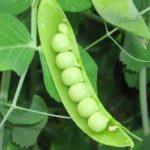
The crop produces large pods, but the plant's shells are not edible. Each pod contains 8 to 12 peas. Shelling peas have various varieties that can be grown in different regions.
Dakota
Peas are productive regardless of weather conditions. They mature in 55 days, and the plant doesn't require staking. The pods are large, containing 8-9 peas. The plant is resistant to disease and thrives with timely fertilization.
Vegetable miracle
The bush reaches 60 cm in height, with pods up to 8 cm long. Each pod contains 7-9 beans. The plant is early ripening, and planting occurs in mid-April. It is undemanding to soil conditions and produces a high yield with timely watering.
Dinga
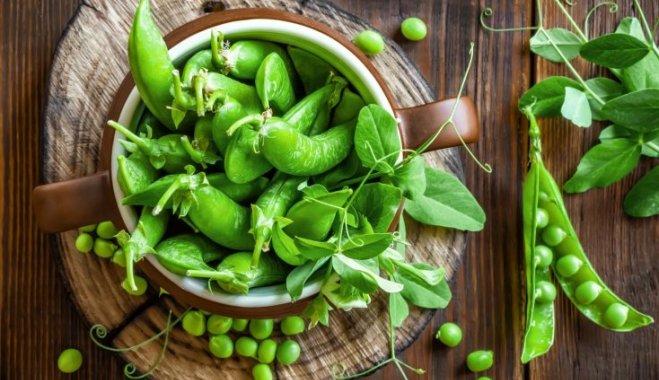
The crop has a medium ripening period, with 60 days from planting to harvest. The pods are large, containing up to 12 peas. The plant grows tall, up to 80 cm, and requires support. With proper care, it produces a large harvest and is rarely susceptible to disease.
Somerwood
This mid-season crop is distinguished by large peas, 7-9 of which are contained within a pod. The bushes reach a height of up to 70 cm and require support, but without it, they can spread along the soil. Peas can withstand temperatures as low as -6 degrees Celsius. Seedlings emerge quickly, 5-7 days after planting in open ground.
Geoff
The plant produces a stable harvest regardless of weather conditions. Each pod is 8 cm long and contains 9 peas. The ripening period is 90 days. The plant reaches 100 cm in height, so support is necessary.
Bingo
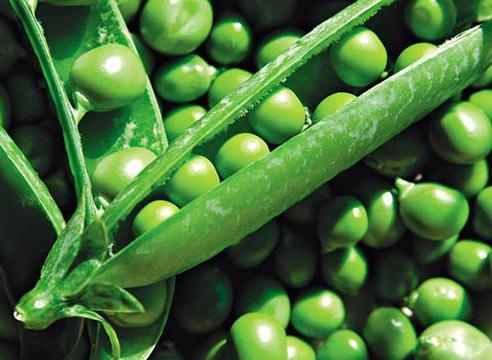
This early-ripening variety is used for winter preserves and fresh consumption. Each pod typically contains eight peas. It is planted in March. It is characterized by a high yield and resistance to diseases.
Sugar
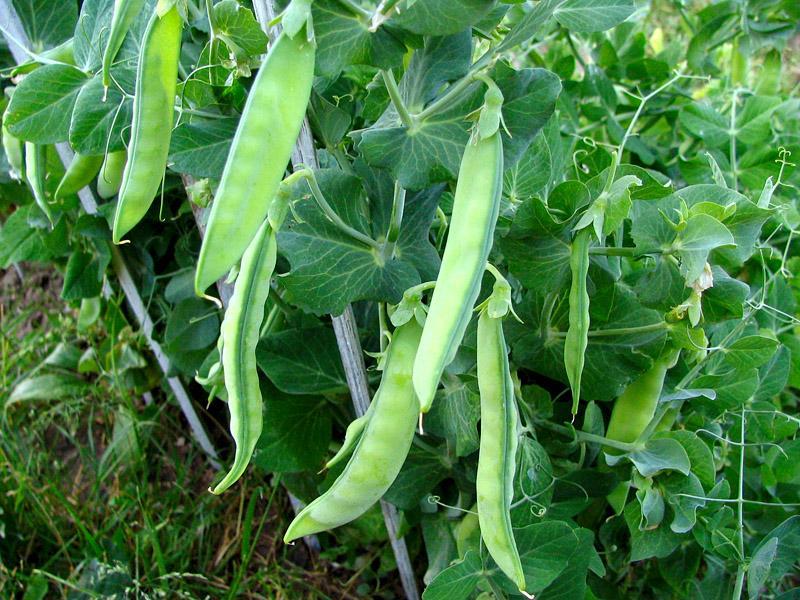
Peas have a sweet taste and are suitable for eating with the pods. They contain a large amount of sugar and protein.
Ambrosia
The crop ripens in 45 days. The bush grows to 80 cm, so staking is recommended. The pods are 8 cm long and contain 9 seeds. With timely watering, the yield is high.
Zhegalova 112
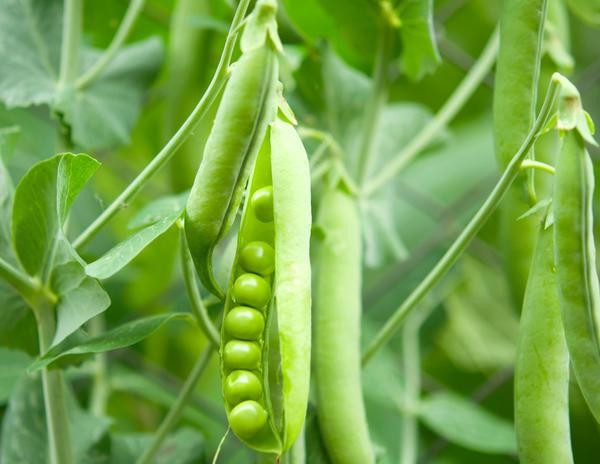
The plant is undemanding regarding soil conditions. However, regular watering is necessary for a large harvest. It takes 40-50 days from germination to harvest. Staking is necessary; the plant grows to a height of 110 cm. Each pod contains 6-9 peas.
Sugar Oregon
The plant has an average maturation period of 55 days. The bush grows tall, reaching 1 meter. The pods are large, with 7-8 peas per pod. The beans can be eaten with the shell.
The Miracle of Kelvedon
It is frost-resistant. Each pod contains 9 peas. It contains a large amount of sugar. The ripening period is up to 45 days. It is used for raw consumption and for canning.
Cerebral
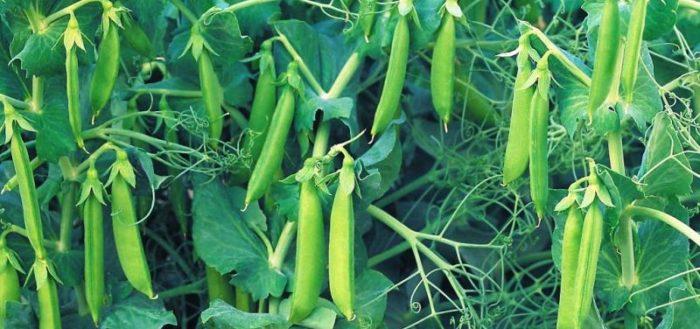
The peas have a wavy surface and resemble a brain, hence their name. They have a juicy flavor and are most often eaten fresh, but can also be used for canning.
Alpha
This early variety ripens in 45 days. It produces fruit in all weather conditions with regular watering. The medium-sized pods contain six peas each.
Important: This crop is distinguished by its high sugar content and the presence of nutrients essential for the human body.
Telephone
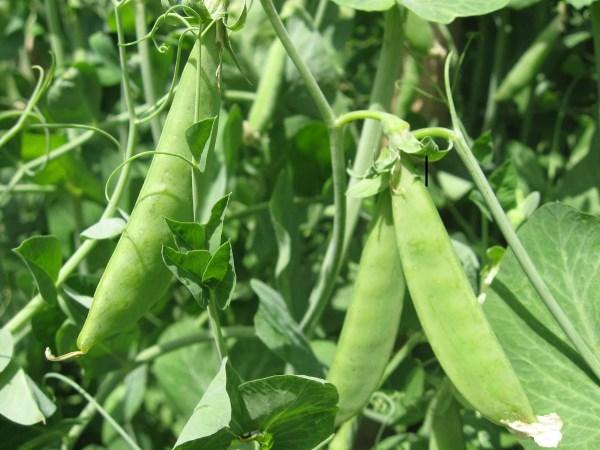
This late-ripening variety boasts a high yield. It can be planted in early spring, as it is resistant to low temperatures. Support is essential, as without it, the plant is susceptible to disease. The pods are large, containing up to 10 peas.
Adagumsky
The plant grows up to 80 cm tall, with 14 beans per bush. Each pod contains 9 peas. The ripening period is 65 days. The peas are small and have a pleasant flavor.
Faith
This is an early variety, ripening 45-50 days after planting. The bush is small and doesn't require staking. Regular fertilization is necessary to ensure a good harvest. Each pod contains 9 peas.
Cereal
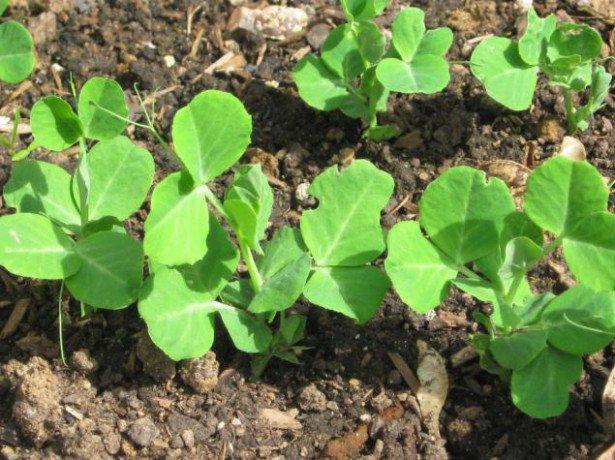
The plant is an annual, usually small in size. The small peas can be eaten. After ripening, they produce seeds in the form of grains. The grains are used to prepare animal feed mixtures.
Stern
Pea varieties are used for livestock as green fodder and for making hay for the winter. Peas are high in protein and contain many beneficial components. They grow in any soil and require little care.
Open ground sowing technology
In order for peas to produce a large harvest, it is necessary to follow the rules of care.
Sowing dates and regional characteristics
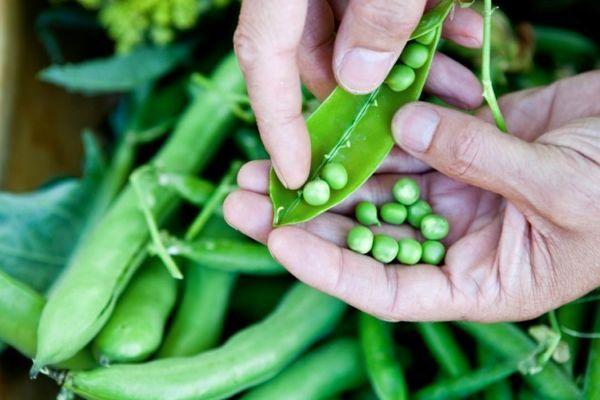
The time for sowing peas largely depends on the region and variety.
| Sowing | Into open ground | For seedlings |
| General terms | April 20, weather permitting. Earlier is possible if the sowing is covered with plastic film. | Planting in pots in mid-March |
| Deadlines by region | In the south, planting occurs after March 20. Regions located in the middle zone, after April 20. Ural - first numbers. Siberia - after May 15
|
Planting in seedling containers is carried out after April 20 |
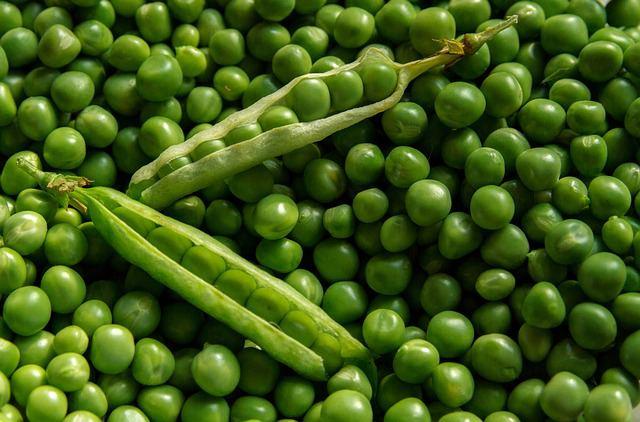
Peas are planted in early spring, weather permitting. Sowing is possible even during light frosts, but the planting site must be covered with plastic film.
Processing peas before planting
Properly processed planting material is the key to a good harvest.
Choice
When choosing a variety, it's important to consider the location where the crop will be grown. When selecting seeds, it's important to choose locations with a good reputation and a proven track record of producing quality planting material.
Manual selection
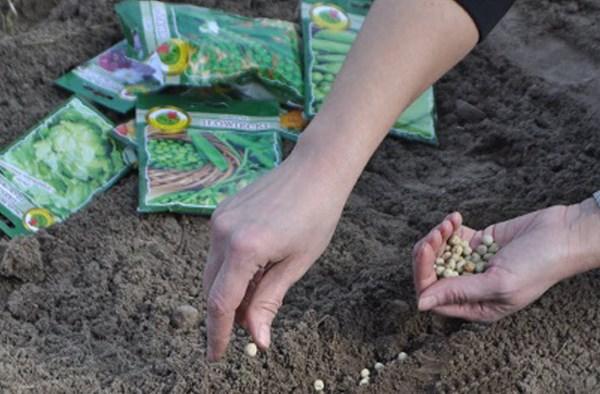
The method involves manually removing damaged peas. Before further processing, it is necessary to inspect the planting material and remove any damaged or rotten ones. Also, avoid using seeds with an unnatural gray coating or an unpleasant odor.
Salt water
This method is very common. Soak the planting material in a salt solution (1 tablespoon per liter of water). Leave it for an hour; any seeds that float to the surface are unusable.
Germination test
This procedure allows you to assess the quality and sow seeds with a high germination rate. To perform this procedure, take 10 seeds. Fold toilet paper or a napkin into several layers. Spread the seeds out and cover with another layer of paper. Place them in a saucer and moisten regularly. Once the seedlings appear, count the number of germinated seeds; this will determine the germination rate.
Warming up
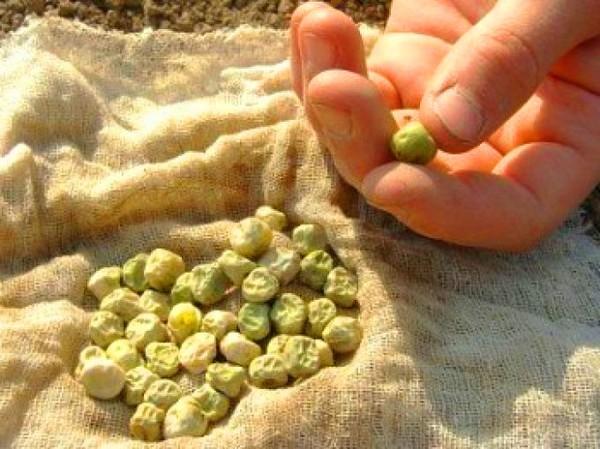
To ensure germination, the seeds need to be warmed. This can be done by exposing them to sunlight (for at least two days, with the seeds brought indoors at night) or by heating them over a radiator. When using a radiator, spread the seeds out in an even layer on paper and place them on the radiator. Warming can also be achieved by using hot water. Fill a container with water (at 50°C) and place the seeds in it. After 5 minutes, remove the seeds and let them dry.
Dietary supplements
Before sowing peas, soak the seeds in a growth activator. This biological treatment accelerates germination and reduces the risk of disease.
Disinfection
Seeds can be disinfected using a 1% manganese solution. The seedlings are placed in a container with the solution for 20 minutes and then dried. This method reduces the risk of diseases and pests during growth.
Sprouting: Pros and Cons
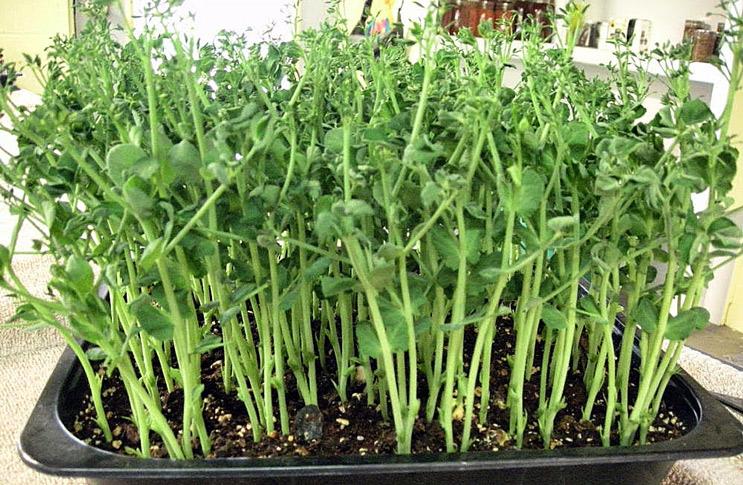
To ensure germination, peas are germinated. To do this, the seeds are spread on a damp cloth placed on a saucer.
The planting material is covered with the same cloth on top and regularly moistened.
Advantages of the method:
- the gardener can select stronger specimens for planting;
- the germination rate increases;
- the entrances appear evenly;
- the seeds are hardened.
Flaws:
- it is more difficult to sow this type of planting material;
- After planting, it is necessary to maintain an optimal level of soil moisture for several days.
Despite the existing shortcomings, sprouting peas a common procedure among gardeners.
Garden bed and soil
The quality of the soil and the location where peas are planted largely determine their yield. A properly formed bed and the availability of nutrients will allow the plant to quickly gain the necessary strength and bloom vigorously..
Neighbours
Peas are undemanding of neighboring crops. However, some bed placement considerations are recommended.
Cabbage
The crops don't share pests, so they can be planted in adjacent beds. Pea roots are deep in the soil, so there will be enough nutrients for both crops.
Tomatoes and cucumbers
Planting peas, cucumbers, and tomatoes next to each other will help reduce sun damage, especially during hot periods. Peas also increase the nitrogen content of the soil, which also benefits the vegetables.

Pumpkin
Planting peas with pumpkins inhibits weed growth and helps maintain the necessary level of moisture in the soil.
Potato
Peas enrich the soil with beneficial bacteria that prevent damage to potato tubers, and the presence of nitrogen also helps increase the vegetable yield.
Perennial cereal crops
Using peas with perennial cereals acts as a green manure. The plant enriches the soil where the cereal grows for several years with beneficial microelements. Very often after pea harvesting Its stems are used as fertilizer.
Land requirements
The soil in which peas are planted must meet the following requirements:
- neutral soil acidity;
- the site should be located in a sunny place;
- the beds should not be placed in excessively moist soils;
- The soil should be light with plenty of oxygen.
The soil should also contain all the useful minerals; it is recommended to apply fertilizer before planting the crop.
Soil preparation
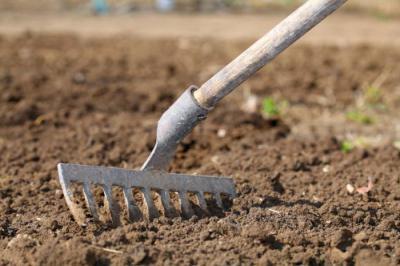
The plot is prepared in the fall. The soil must be dug over and supplemented with humus and potassium salt. All leaves and plants that could carry diseases are also removed from the soil, and the soil is loosened in the spring.
Bad predecessors
When choosing a site for planting peas, it's important to follow crop rotation rules. Some plants can negatively impact the development of legumes.
Beans
It belongs to the legume family, so it is not used as a predecessor in the pea plotIt promotes the development of diseases and depletes all the beneficial components necessary for peas.
Chickpeas
The crop is also known as chickpea. The plant's roots are at the same level as regular peas, so rotating these crops will reduce yield.
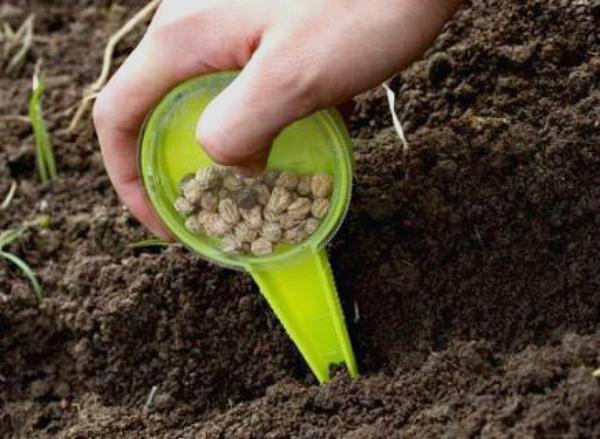
Beans
Legumes can cause diseases in peas, depleting the soil and reducing yields.
Soybeans
Soybeans are poor precursors for peas. After such precursors, the soil contains large amounts of nitrogen, which negatively impacts plant development.
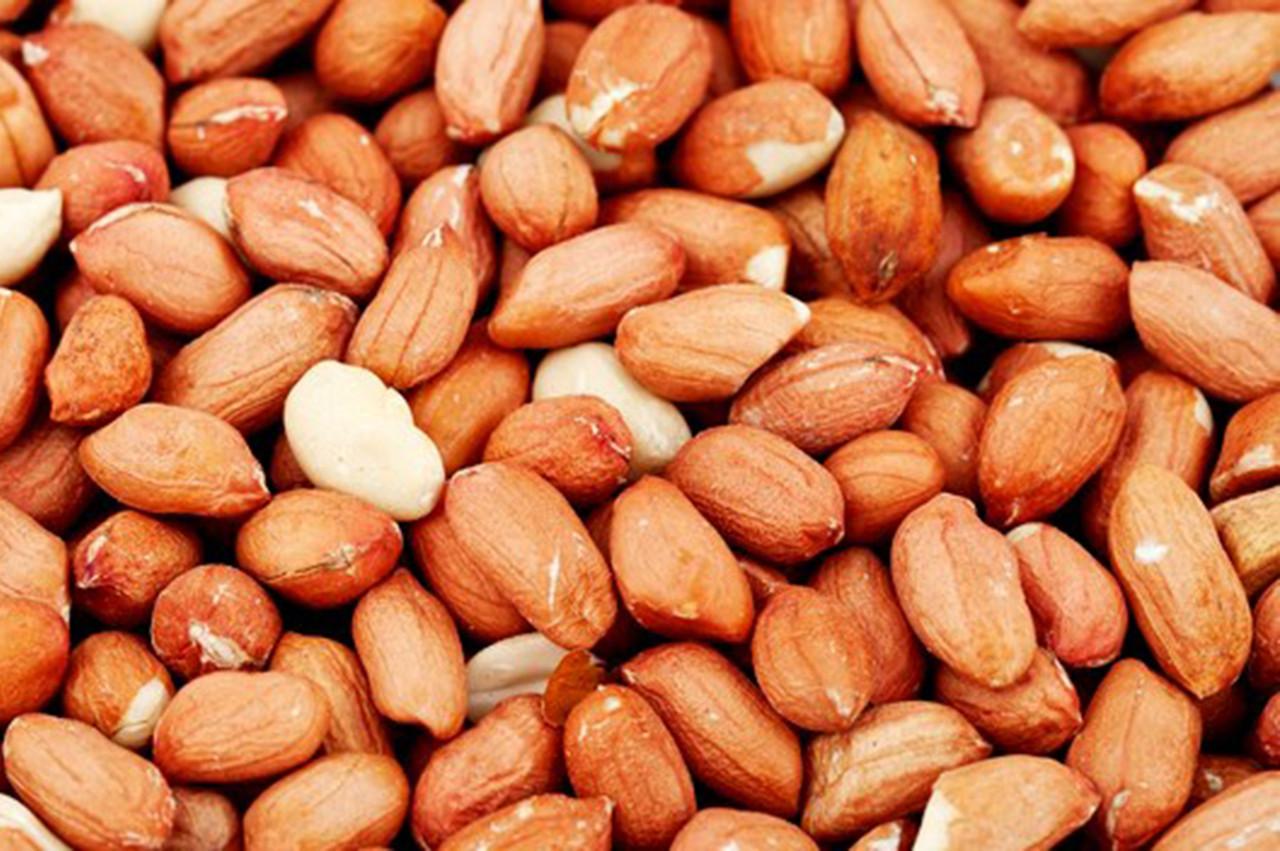
Peanut
The crop is often susceptible to diseases and pests. Pest larvae remain in the soil. When peas are planted, the pests attack the crop and can cause its death.
Planting diagram
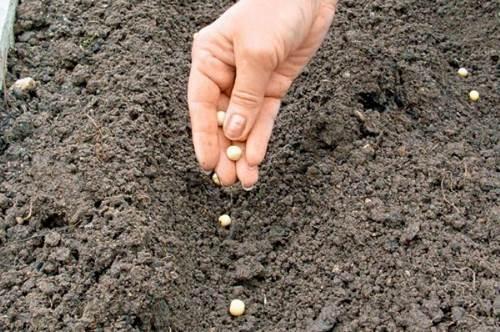
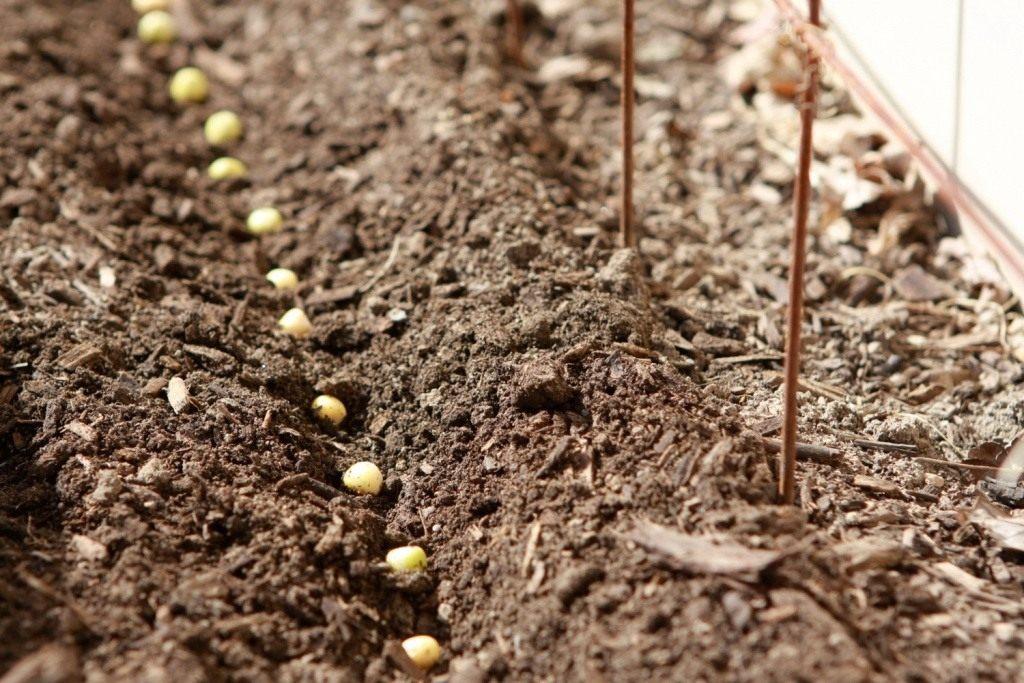
Before planting, the soil must be prepared. Plowing should be at least 20 cm deep. Once the soil has been loosened, plant the crop according to the following procedure:
- form holes up to 7-10 cm deep;
- Peas must be planted at a distance of at least 6 cm from each other;
- After the seeds are placed in the soil, the holes are covered with soil and compacted;
- The planting site is watered.
The distance between the beds must be at least 40 cm.
Crop rotation rules
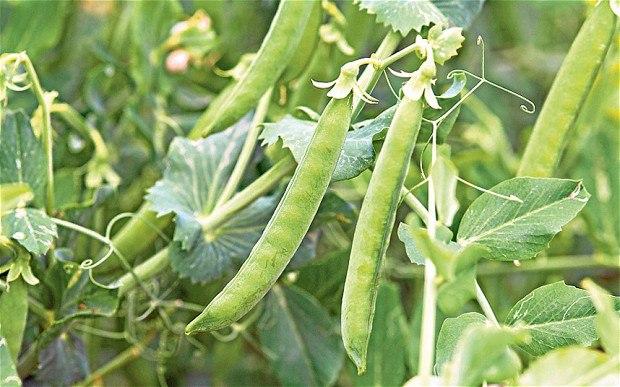
To obtain a harvest, it is necessary to follow the following crop rotation rules:
- the crop should be placed in one planting site no earlier than every 3 years;
- the culture of one family cannot alternate;
- when growing two different crops next to each other, it is necessary to add additional fertilizer;
- If the plot is small, it is necessary to plant crops from different families in one bed.
To conveniently place the beds, it is necessary to draw up a land plan and monitor crop rotation.
Outdoor care
Once the seedlings appear and the plant begins to actively develop, it is necessary to follow the rules for caring for peas in open ground.
Supports
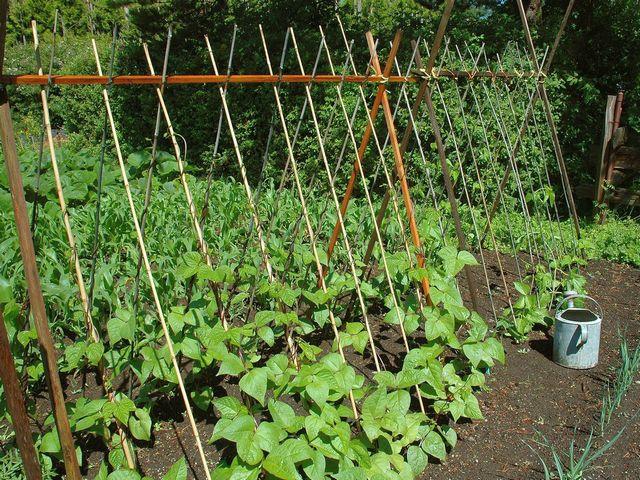
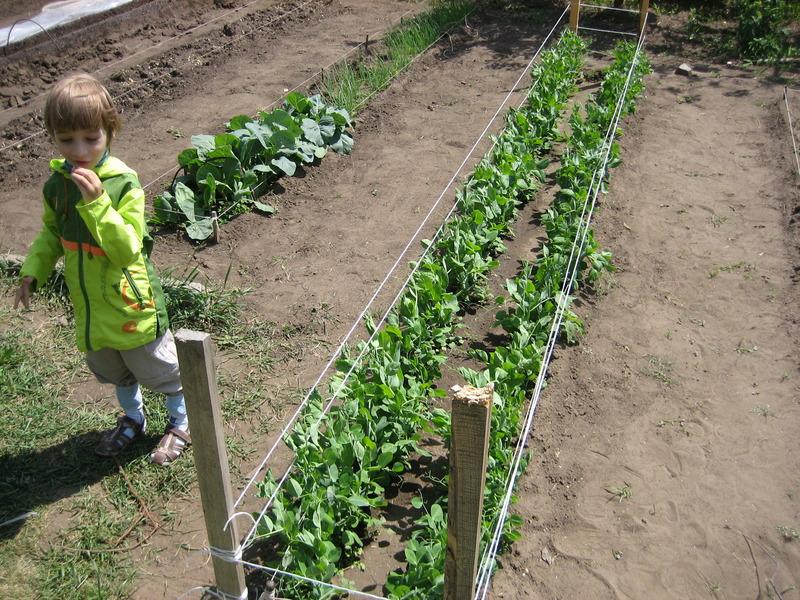
Once the first pea sprouts appear, it's time to prepare the supports. For this, use wooden stakes driven into the ground at intervals of 1 meter. Netting or rope is stretched between the stakes.
Watering
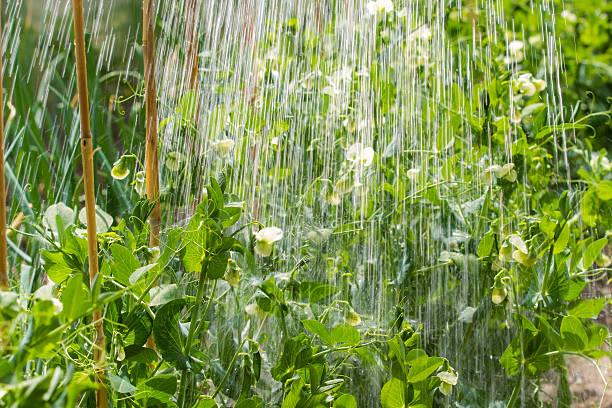
Peas require regular moisture. To ensure a good harvest, water every three days during flowering and every four to five days during pod formation.
Top dressing
Fertilization should be combined with watering. If nutrients were applied in the fall, no additional feeding is required. However, if the plant is not growing well, nitrogen fertilizer can be applied in the spring.
During the flowering period, mullein is used, diluted with water at a ratio of 1:10. After the flowers have fallen, superphosphate and potassium fertilizers are applied (30 grams per bucket of water).
Loosening and weeding
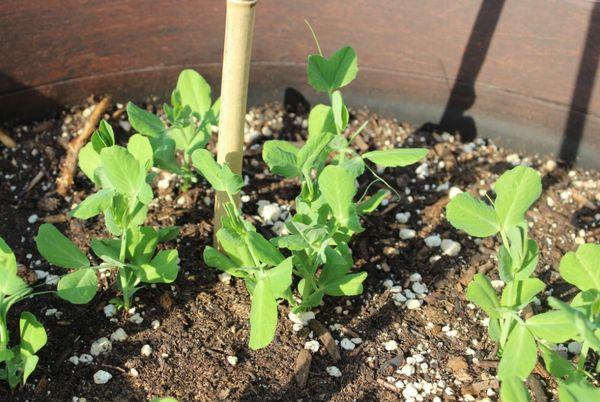
Timely weeding and loosening of the soil is essential for pea development. Loosening the soil should be done before each watering. Weeding is carried out whenever weeds appear. It is recommended to remove large weeds by hand to reduce the risk of plant damage.
Protection from pests and diseases
Peas are rarely susceptible to disease and pest attacks. However, the following problems may arise:
- pea weevil;
- pea moth;
- weevil;
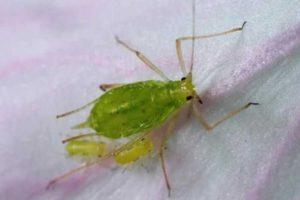
- aphid;
- Ascochytosis;
- powdery mildew;
- rust;
- root rot.
At the first signs of crop damage, appropriate measures must be taken.
White mustard
The plant can be used in the following way:
- Plant a plant between the beds; the smell will repel harmful insects.
- Mustard seeds are ground into a powder and mixed with water in a 1:2 ratio. The solution is sprayed on the peas once every 10 days.
To prevent diseases, mustard stalks are crushed and added to the soil in the fall. They serve as fertilizer and antiseptic.
Important: Mustard is a natural insecticide. Its use does not affect the taste of peas or other crops..
Hot red pepper
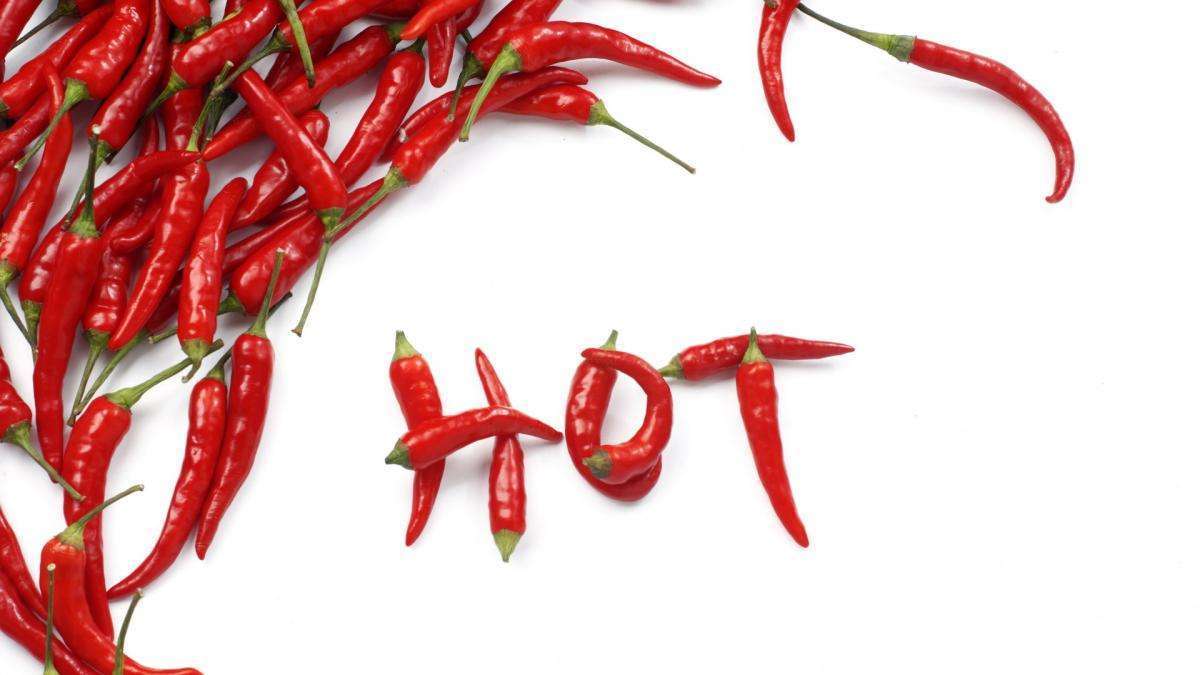
Mix 100 grams of hot pepper with 2 liters of water and boil for an hour. After cooling, mix with a bucket of water and apply to pea beds.
Tomato tops infusion
An infusion is used to repel harmful insects. To prepare the solution, green tomato shoots are chopped and poured with 5 liters of water. The infusion is steeped for two days. The infusion is filtered and sprayed on the peas every 10 days.
Garlic water
Three heads of garlic are peeled and pressed. The garlic is placed in a liter of water and left to steep for two days. The liquid is then strained and used to spray peas against diseases and pests. This treatment can be repeated every seven days.
Garter
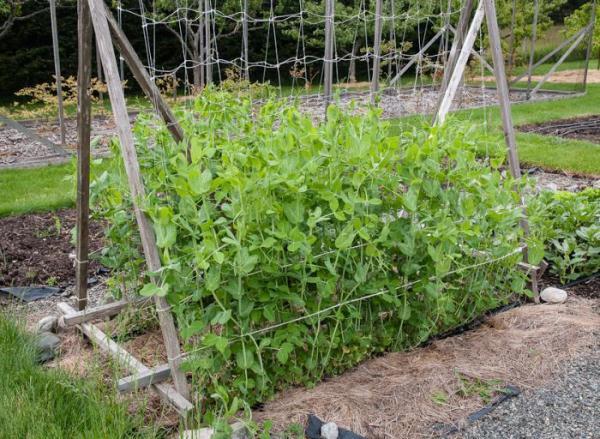
Once the plant begins to grow vigorously, it's time to tie up the shoots. This is most often done when the plant reaches a height of 20 cm. The plant can be secured with fabric slings. If using mesh for support, you can guide the shoots into the mesh, thus creating a support structure.
Important: To ensure peas are succulent, the support must be positioned at an angle. This will allow the upper part of the plant to shade the pods.
Topping
Pinching helps reduce plant growth and shape bushes. Once the plant reaches a height of 20 cm, pinch off the top of the stem. This will encourage lateral shoots to form.
Harvesting and storage
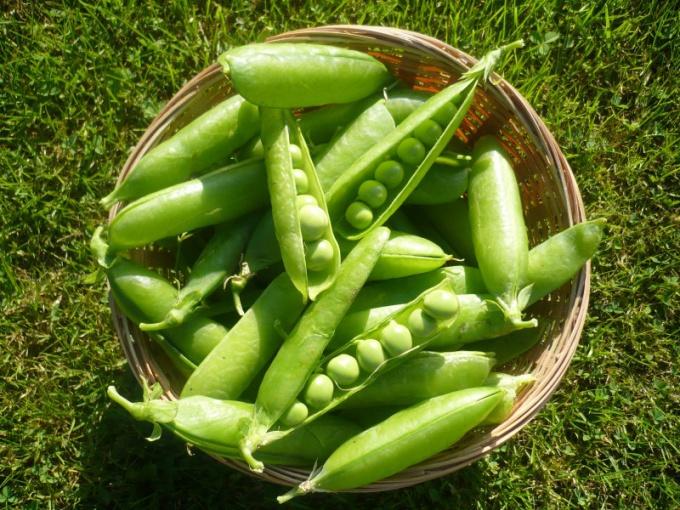
Peas are usually harvested in mid-July. The pods are plucked from the stems and placed in a wooden box for optimal storage. The harvest can be stored for 5-7 days. However, to preserve the flavor, the beans must be processed.
Drying
To dry, the peas are removed from their shells and spread out in a thin layer on a wooden surface. Place the peas in direct sunlight and stir regularly. This dried pea can be used throughout the winter and retains its flavor well.
Freezing
Exposure to low temperatures does not affect the taste of the product. To freeze, peas must be peeled; sugar snap peas can be frozen with their shells on. Rinse with clean water and dry. Place in food storage containers and place in the freezer.
Canning
There are many recipes for canning peas. For canning, use green peasBefore harvesting, the product must be rinsed with cold water.
How to grow from seedlings correctly
To grow seedlings, you need to follow the following procedure:
- the seeds germinate;
- fertile soil is prepared and placed in containers for seedlings;
- the seeds are planted in the soil and placed on the sunny side of the greenhouse or windowsill;
- the soil is regularly moistened;
- When seedlings appear, it is necessary to harden the plants by opening the greenhouse daily.
After the plant has formed two leaves, it can be planted in open ground under plastic film.
Hydroponics
Hydroponics allows you to grow peas indoors. To do this, you need:
- soak peas in water for 2 days;
- dry the seeds;
- hydroponics is placed in pots with large holes;
- the seeds are placed in pots and covered with plastic wrap on top;
- pots are placed on the sunny side or a special lamp is used for additional light;
- When seedlings appear, the film is removed.
Important: If the plant is stretching very quickly and is weak, the lamp should be lowered slightly; this will slow growth.
How to plant in a greenhouse
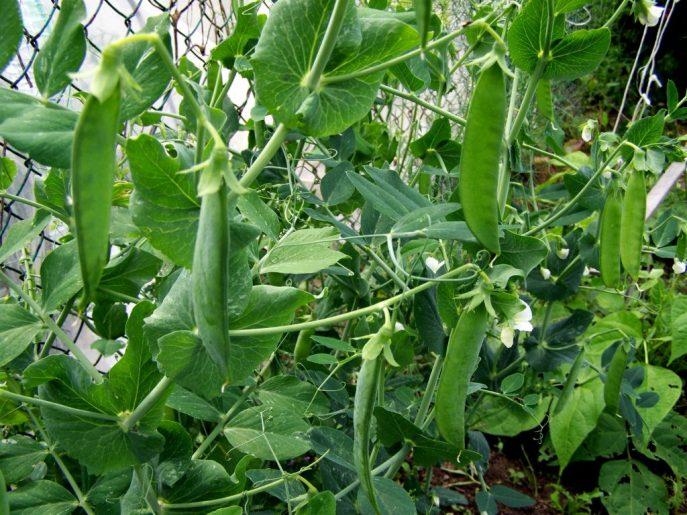
To sow peas in greenhouse conditions, it is necessary to follow the following recommendations:
- prepare soil that will contain a high percentage of humus;
- the seeds are treated with a solution of manganese and soaked for a day;
- at the beginning of April the seeds are planted in a greenhouse;
- After the crop has emerged, it is necessary to prepare the support and apply fertilizer.
Caring for the plant in a greenhouse is the same as caring for it outdoors. Regular ventilation and hardening off of the peas are essential.
Answers to questions
What is the seeding rate of pea seeds per 1 hectare?
On average, 280 kg of seed is used for sowing one hectare of land. This amount may vary (+/- 10 kg) depending on the legume variety.
What is the purpose of seed treatment?
A week before sowing peas, treat them with a seed treatment. This is necessary to remove all potential bacteria and spores that cause disease. Treated seeds are immune and germinate much faster.
Peas contain all the necessary elements for the normal development of the human body. Properly grown, they boast excellent taste and a long shelf life.
Related posts:
 How to propagate and grow peas, cultivation technology, and care in open ground
 Description of varieties of sowing peas and cultivation, to which family they belong
 Description and characteristics of the best seeds of pea varieties and types
 Recipes for canning green peas for the winter at home and storage
 How to plant and grow peas indoors and in a greenhouse
 How to quickly sprout peas at home: benefits and harms, recipes
 How to plant, grow, and care for peas at home on a windowsill or balcony
 Description of pea pests and diseases, treatment and control measures