
Peas are a legume that's a source of protein. There are several varieties. Sugar peas have a sweet taste and can be eaten with the pods. In others, only the seeds are edible.
The most difficult procedure in the entire pea growing process is harvesting. On small plantations, this process is performed by gardeners themselves. In the fields, special equipment is used.
Ripening time
Harvesting is carried out after the grains have fully formed; the pods are bright green and juicy.
It is important not to miss the ripening moment, as this will affect not only the quality of the harvested grain, but also the overall yield.
Early harvesting can reduce pea yield. This is used for sugar beet varieties, as they are completely edible.
Beans may ripen unevenly. The top ones are still green and underdeveloped, while the lower ones are already splitting and falling off.
The period from the emergence of the first shoots to the ripening of the pods can take up to 10 weeks, depending on the variety chosen.
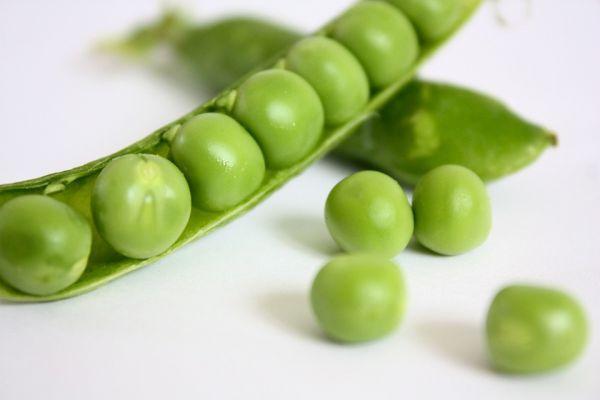
When to start harvesting peas
Harvesting is done in the morning, when the pods are still saturated with dew. This helps reduce grain waste. If the pod is dry, the slightest touch will cause it to burst, spilling the contents onto the ground.
Hardened grain is a source of food for birds, so this factor must also be taken into account.
On large plantations, grain is sampled daily to determine its ripeness. As soon as the peas are ripe, they are harvested as quickly as possible.
The ideal time for harvesting is when the crop's moisture content is 15-20%. If the moisture content exceeds this level, the drying process will require more effort.
Only experienced gardeners can determine the ripeness of grain and the start of harvesting.
Grain harvesting
Shelling varieties are eaten only as grain. This should be harvested when the beans are fully ripe and not yet hardened.
If the collection is done manually, the plants are cut and hung in dry rooms for 1-2 weeks.
Ripe shelling peas The ripeness can be determined by the pods located at the very bottom.
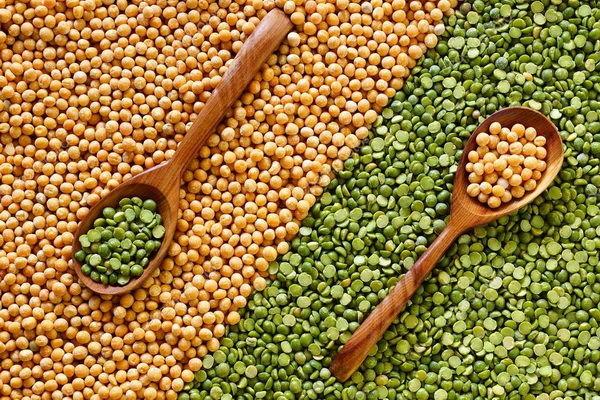
Combination of split harvesting and direct combining
When beans are grown on an industrial scale, agronomists successfully combine two types of harvesting: split and direct combining.
The separate harvesting period is no more than one week, while the combined method lasts up to 10 days.
There are two types of separate method:
- The first involves mowing the crop, storing it in special windrows, loading it into transport and then threshing it.
- Another is mowing followed by swathing and threshing.
The separate method is used when the stem tips and leaves begin to yellow and the seeds harden. Combined harvesting is used when the leaves turn purple and the seeds brown and harden. This method came into use after the development of varieties that are resistant to lodging.
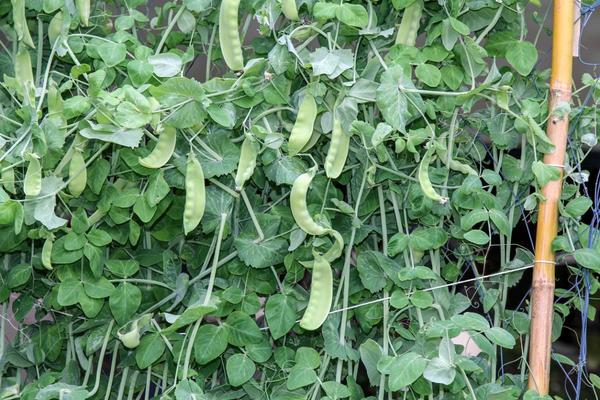
Special attachment for reducing crop loss
Harvesting begins when the beans have turned 75% brown. The beans then turn brown or orange, depending on the pea variety. Harvesting is done using agricultural machinery, including harvesters and mowers. Special attachments are used to reduce crop loss. These attachments are cost-effective and ensure the safety of large quantities of grain. They can be installed on any type of combine harvester.
When the soil and the crop itself are very moist, which often occurs during prolonged rains, the peas are uprooted, which leads to clogging of the nozzle.
Take a look Also
Agronomists have given positive feedback on the use of special trays with holes. They filter out debris and dirt before the grain enters the thresher.
Many agronomists disagree on the future of equipment conversion. Special side knives collect stems and reduce losses during harvesting.
Given that peas spill quickly, it's important to select the optimal header position. It should be positioned as low as possible. If it's positioned too low, there's a high risk of picking up soil and stones.
You can reduce the amount of stones by adjusting the threshing drum speed. It should be 400 revolutions per minute.
If the moisture content of the peas is low, the speed must be reduced further.
Harvesting is considered successful when it is completed before the grains are fully ripe. If poor weather conditions prevent the harvest from being completed on time, combines are switched to a single-phase harvesting method. This procedure extends the harvesting period to 10 days and reduces crop losses.
What to do after harvesting
After harvesting, peas must be sorted, using special separators. They separate the grain and remove any remaining debris, such as stem pieces, stones, bad grains, and other impurities.
Still wet grains, which can quickly spoil, are sent for additional drying or to canning factories.
The remaining shoots are cut off and added to the compost pile. The roots should be dug up – this is a good fertilizer for the soil.
Peas are widely used in cooking. They are eaten fresh, cooked, frozen, and canned. They are used in appetizers, first and second courses, and also as a decoration for baked goods.
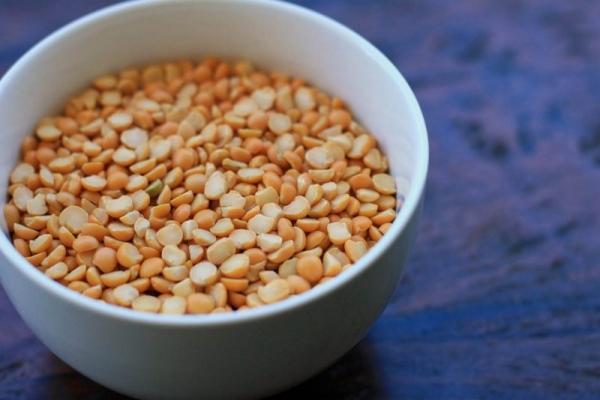
Unripe fruits are suitable for freezing; they must be blanched in boiling water for 2 minutes.
When drying peas, they also need to be blanched twice. Then, they are spread out in a single layer on a cloth and dried for 12 hours. Further drying is done in the oven.
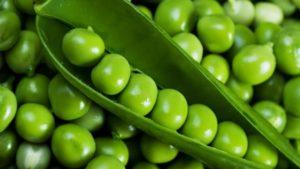
Store dried peas in tightly sealed glass containers. A small amount of the harvest should be saved for planting next year.
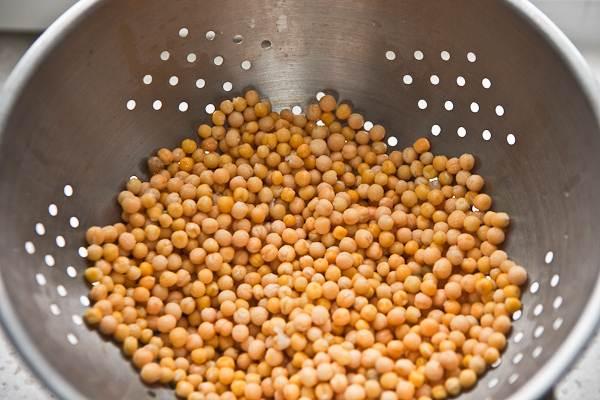
It is not recommended to replant peas in the same area.
Related posts:
 How to properly plant peas in a greenhouse and open ground
 How to propagate and grow peas, cultivation technology, and care in open ground
 Description of varieties of sowing peas and cultivation, to which family they belong
 Description and characteristics of the best seeds of pea varieties and types
 Recipes for canning green peas for the winter at home and storage
 How to quickly sprout peas at home: benefits and harms, recipes
 How to plant and grow peas indoors and in a greenhouse
 Description of pea pests and diseases, treatment and control measures