
- Botanical description
- Origin and characteristics
- Composition and beneficial properties
- Selenium
- Arginine
- Protein
- Lysine
- Nicotinic acid
- Thiamine
- Fiber
- Chlorophyll, calcium, iron
- Microelements
- Antioxidants
- Pyridoxine
- Amino acids
- Contraindications
- Classification
- Cerebral
- Shelling
- Sugar
- Popular varieties
- Faith
- Alpha
- Ambrosia
- Children's sugar
- Oscar
- Pharaoh
- Atlanta
- Premium
- Emerald
- Troparion
- Belladonna
- Calvedon
- Debut
- Honey cake
- Sweet giant
- Uses of the plant
- Cooking
- Household
- Medicinal
- Cosmetology
- Growing
- Site selection and preparation
- Soil requirements
- Predecessors
- Fertilizer
- Preparation of seed material
- Soak
- Selection
- When to plant
- Planting diagram
- Care
- Loosening
- Watering
- Protection from diseases and pests
- Harvesting and storage of crops
- Tips and recommendations
- Answers to questions
Peas are a popular plant in the legume family and contain numerous varieties. They are used for preserves and fresh consumption. They can be used for cosmetic purposes and also act as a natural fertilizer for gardens.
Botanical description
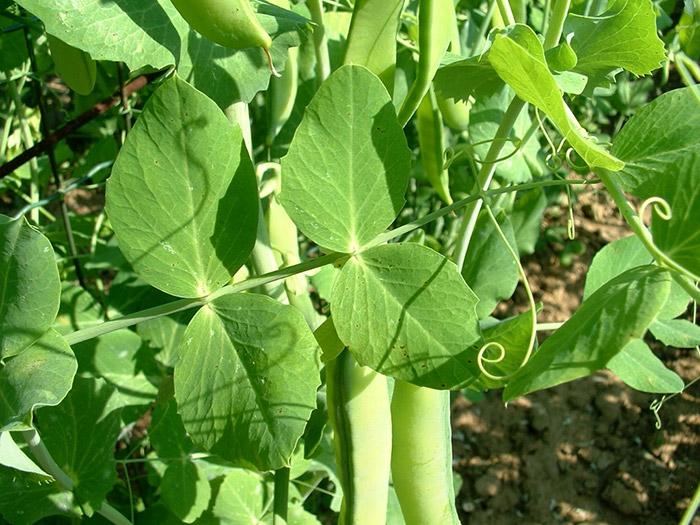
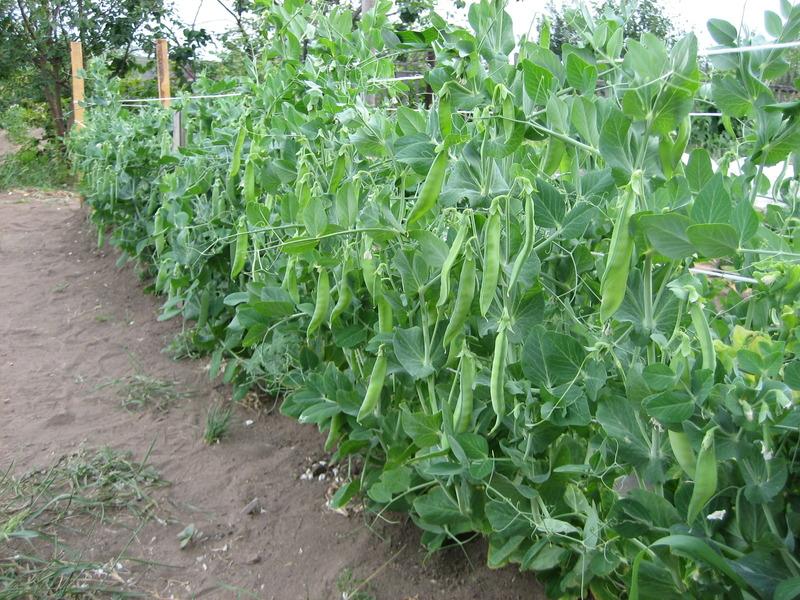
The plant belongs to the legume family. It resembles a small bush with several leaves and long shoots, also called runners. The average shoot length is up to 30 cm. Among many other legumes, it stands out for its leaf shape, which resembles two small leaves fused together to form a boat.
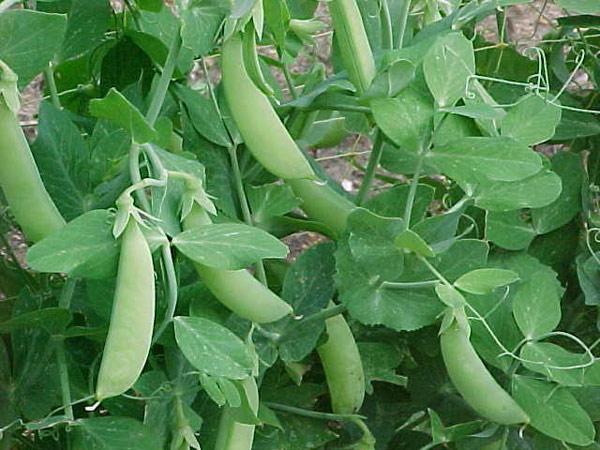
Peas are a self-pollinating crop. This herbaceous plant tolerates temperature fluctuations. The fruit appears as a cylindrical, saber-shaped, or smooth pod. The plant bush remains green throughout the summer. This genus of legumes is characterized by its resistance to diseases. The crop is native to all regions of Russia, Ukraine, and Belarus.
Origin and characteristics
Peas are a common plant in the legume family. This is due to their ease of cultivation and taste. The crop originated in ancient times; historians claim that pea seeds as a result of excavations dating back more than 8,000 years. The first samples were found during excavations in France and Switzerland.
Peas originated in Russia in the 8th century, but the crop became widespread in the 18th century. Breeders began developing various varieties that differed not only in taste but also in ripening time and yield.

| Characteristic | Meaning |
| Bush | Small in size, spreads along the soil |
| Plant roots | Taproot, poorly developed, penetrate into deep soil layers |
| Inflorescences | White, pink, or red, they are usually found near the leaves and reach up to 3-5 cm in diameter. |
| Leaves | Green, sometimes with a grey tint |
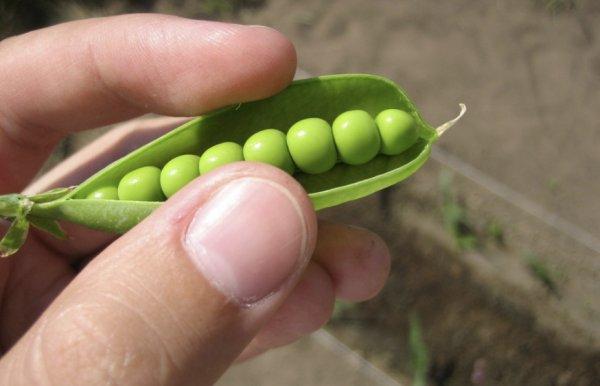
| Fetus | The fruit of the crop consists of 3-10 peas (beans), which are enclosed in a cylindrical green shell, which turns yellow and dries as it ripens. |
The crop is characterized by a short ripening period; after flowering, the fruits appear 12-15 days later. On average, green peas are harvested in mid-June. After ripening, the peas can fall to the ground on their own.

Composition and beneficial properties
Pea crop has the following beneficial properties:
- increasing immunity;
- increasing energy and preparing for physical activity;
- removal of oncological diseases;
- restoration of the cardiovascular system;
- removal of harmful cholesterol;
- normalization of the digestive process;
- lowering sugar for people suffering from diabetes;
- weight loss;
- improves the condition of skin and hair.
Legumes saturate the body with beneficial microorganisms and improve the functioning of internal organs.Peas contain a large number of microelements essential for humans.

Selenium
This mineral facilitates the breakdown of amino acids. This element is essential for humans; a selenium deficiency can trigger nervous system disorders and lead to seizures.
In addition, selenium promotes the elimination of radioactive metals and is necessary for the normal functioning of the body.
Arginine
An amino acid naturally produced by the human body. Due to unfavorable environmental conditions, this element may be deficient; eating peas helps provide the body with the necessary amount of arginine. The benefits of this amino acid include:
- normalizes blood flow to all human organs;
- helps prevent spasms;
- removes ammonia from the body;
- normalizes blood pressure.

The substance also promotes the burning of fat cells and their conversion into energy.
Protein
Peas are a crop that can serve as a source of protein. Protein is essential for the human body as a transporter, delivering all necessary components to the internal organs.
Lysine
A substance that is not produced by the body but is obtained through the consumption of certain foods. This substance is responsible for maintaining the body's defenses and promotes muscle tissue formation.
Nicotinic acid
This acid is involved in the digestive process and improves cellular circulation. Eating peas helps dilate blood vessels and improve blood flow.
Thiamine
The substance helps slow the aging process in the body. It also forms a protective shell for cells and prevents the penetration of harmful substances such as alcohol and tobacco smoke.
Fiber
One hundred grams of green peas contain 1 gram of fiber. This substance speeds digestion and reduces hunger. It removes harmful toxins and cleanses the intestines.
Chlorophyll, calcium, iron
Chlorophyll is a substance found in all green foods. It promotes digestive health and improves skin health.
Calcium and iron are components that improve the condition of the skeletal system and restore the functioning of all internal organs.
Microelements
Peas contain a large number of microelements, which include:
- zinc;
- chromium;
- fluorine;
- sulfur;
- silicon.

Regular consumption of green peas provides the human body with essential elements and reduces the risk of disease.
Antioxidants
Consumption of this product is recommended as a preventative measure against cancer. Flavonoids found in peas reduce the formation of cancer cells and remove toxic compounds.
Pyridoxine
Pyridoxine is a substance responsible for beautiful skin. It can be used to prevent cramps and inflammation.
Take a look Also

Amino acids
The plant components of peas have a similar structure to amino acids of animal origin. Pea consumption is recommended for people who do not consume meat products, as it provides the body with essential micro- and macronutrients.
Contraindications
Consumption of peas is contraindicated in the following diseases:
- nephritis;
- gout;
- diseases of the digestive system;
- cholecystitis;
- breastfeeding period.
Eating peas is not recommended for people with a weakened digestive system or frequent flatulence.

Classification
Pea crop varieties are divided into the following types:
- sugar class - used for cooking;
- brain class - used for raw consumption;
- peeling class - used for blanks.
Each class of legume has its own characteristics and taste qualities that must be taken into account during cultivation.
Cerebral
The peas have a rough surface, somewhat reminiscent of a brain, hence their name. These varieties have a delicate flavor and contain a higher sugar content. They are used for canning.
Shelling
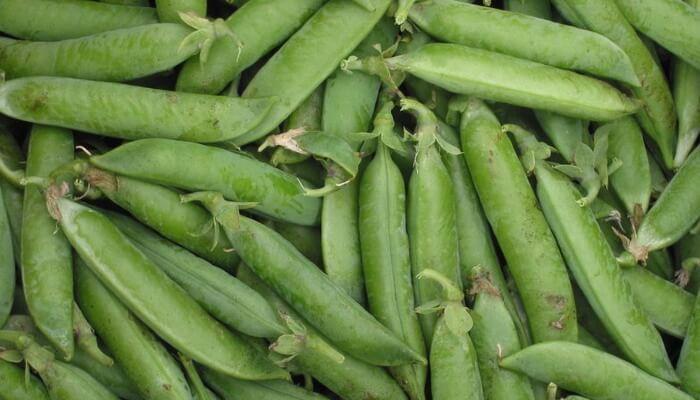
A type of pea most often used for canning and fresh consumption. The shells in which the peas are placed are not suitable for consumption.
This type of peas decomposes on its own after ripening and turns into seed material.
Sugar
This type of crop is eaten with the shell. Peas have no partitions in the pod. The immature legume is used in cooking and contains a beneficial component called selenium.
Popular varieties
Among the large list of popular varieties, it is necessary to highlight the types that are common among gardeners.

Faith
This pea variety is considered an early-ripening variety. It's called Vera for a reason; the crop is high-yielding and drought-tolerant. The pods contain up to nine peas, which are usually uniform in size. The pods are uniform in shape, and the plant germinates well and produces fruit evenly. On average, one square meter can yield up to 700 grams of peas. To ensure fruiting, it is necessary to regularly add additional nutrients and water in a timely manner.
Alpha
An early-ripening variety with a high sugar content. The small bush spreads along the ground, producing juicy beans with a delicate flavor. It tolerates drought and can be eaten fresh or frozen. It is disease-resistant and requires little special care.

Ambrosia
The bush matures within 47 days and is considered a high-yielding crop. The plant forms a bush that can reach 75 cm in height; staking is recommended to ensure a proper harvest. Each pod contains 8-10 peas. The crop begins bearing fruit in mid-June and is noted for its delicious flavor.
Children's sugar
This variety has a mid-season ripening period, lasting up to 60 days. The bushes reach a height of 70 cm, so staking and support are necessary. Each pod contains an average of 10 peas. The beans are sweet and suitable for canning.
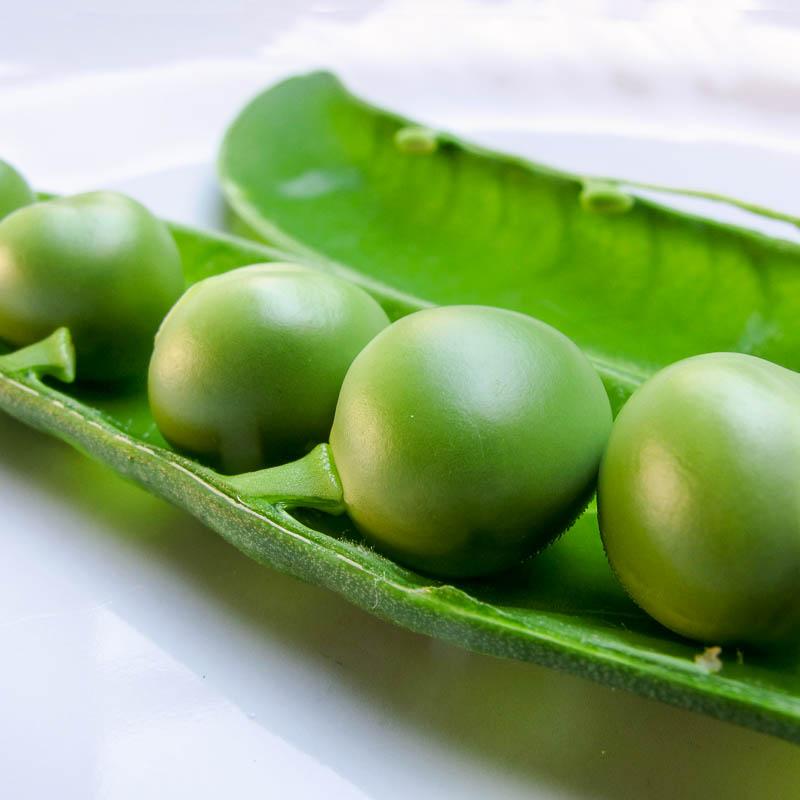
Important: A distinctive feature of this pea variety is the absence of partitions. Therefore, the peas can be eaten either shelled or with the pods.
Oscar
This is a high-yielding crop with a maturation period of up to 60 days. The bushes require staking. The pods are large, containing up to 12 peas. Regular fertilization is necessary to ensure a productive harvest.
Pharaoh
A mid-season pea, maturing in up to 70 days. It produces a high yield and is rarely susceptible to disease. The beans have a delicate flavor and are suitable not only for canning but also for freezing and fresh consumption. The plant produces numerous inflorescences, which later form two pods.

Atlanta
The plant matures 65 days after sowing. The beans are large, with 10 per pod. The seeds have a wrinkled coating and contain a high amount of sugar. They are suitable for canning.
Premium
The crop is a shelling variety, with a maturity period of 57 days. The bush reaches up to 75 cm and requires support. A single bush can have up to 14 inflorescences. The pod is large, reaching up to 12 cm, and contains up to 10 peas. Up to 5 kg of yield can be harvested per square meter.
Emerald
This plant is a mid-season variety, maturing in up to 60 days. The bush reaches a height of up to 70 cm, but has strong shoots that can be left unsupported. The peas are wrinkled and occur in pods of 10-11. This crop has a juicy flavor and is suitable for all types of processing.

Troparion
This is a low-growing variety. The bush reaches 45-50 cm in height. The pods are small, containing six brightly colored peas. The product has excellent flavor, moderate disease resistance, and requires fertilization.
Belladonna
This plant is a late-ripening variety. The peas have a wavy surface and are classified as brain-like. The pod is green with blue hues. Each pod contains nine peas. The crop tolerates drought well and does not require regular fertilizing.
Calvedon
This variety is considered one of the best in the brain class of legumes. The plant has small bushes and is characterized by high yields. The plants are virtually disease-resistant. The peas are sweet, juicy, and most often eaten raw. However, they can be frozen and canned.

Debut
Suitable for hot climates, the bush spreads and can spread along the soil. It is highly disease resistant. It has a medium yield and is primarily used for raw consumption.
Honey cake
Belongs to the sugar variety, characterized by early ripening. The peas have a distinctive flavor. They are most often eaten fresh. Average yield.

Sweet giant
The plant takes only 60 days to mature after planting. The pods and peas are large and contain a large amount of sugar. However, when growing, the plant requires regular fertilization and watering.

Uses of the plant
The crop can be used both for food and in other industries. Its content of beneficial micro- and macroelements can be used for therapeutic effects on the human body.
Cooking
Peas can be used in a variety of dishes. Their excellent flavor makes them a perfect pairing with other vegetables and meat dishes. Due to their constituent components, the legume can be frozen, canned, or used raw in cooking. Peas can also be baked and used to make pea flour, which contains all the beneficial components needed for better brain function.

Household
Peas are often used as a vitamin supplement for livestock such as pigs, rabbits, and cattle. Not only fresh peas are used, but also the leaves and stems of the plant. After the peas ripen, the seeds are also used during the winter. Peas are a green manure crop and act as a natural fertilizer. The stems and pods can also be used to add minerals to the soil.
Medicinal
In medicine, peas can be used in the following areas:
- as an antitumor agent;
- diuretic;
- to increase the patency of the bile ducts;
- antiseptic drug;
- skin disease;
- to normalize plasma sugar levels;
- restoration of bowel function.
Plant extracts are used to make medicines.
Cosmetology
Peas are used to treat acne and normalize sebaceous gland function. Pea masks can also be used for the following purposes:
- to remove fine wrinkles;
- as anti-aging masks for additional skin elasticity;
- skin toning;
- Pea and aloe masks restore the water balance in the deep layers of the skin;
- reduce inflammation and itching.
Not only green peas are used, but also seed material, which is pre-steamed and ground to a pulp.
Growing
To obtain a bountiful harvest, it is necessary to follow planting and care guidelines. It is also essential to carefully select the planting site and adjacent crops on the plot.
Site selection and preparation
Before planting crops, it is necessary to properly prepare the soil by removing all plants and roots, adding fertilizer and digging.
Soil requirements
To ensure a bountiful harvest of peas, it's essential to select fertile soil. Legumes prefer moderately acidic soil with low nitrogen content. The soil should be light; this will not only speed up germination but also promote rapid crop development.

Predecessors
Peas act as green manure and can restore soil, but it is necessary to take into account certain features and choose the right preceding crops for the garden bed.
Potato
The soil where potatoes were previously planted requires restoration, and peas act as green manure and can be used as fertilizer. Legumes' roots penetrate deep into the soil, while potatoes are closer to the surface, so legumes receive all the necessary nutrients.
Cabbage
Cabbage and Peas do not have common pests, so legumes can be planted. However, before planting, it's necessary to add organic and potassium fertilizers. These additions will promote plant growth and increase the yield.

Pumpkin
Planting peas Planting peas after pumpkins can be done, as the plants don't interfere with each other's growth. Gardeners also claim that planting peas, pumpkins, and zucchini in the same plot reduces the risk of pest infestation.
Cucumbers
Planting legumes after cucumbers helps restore the soil and replenish it with essential nutrients and minerals. Legumes can thrive in any conditions with proper care.
Tomatoes
Peas often yield a large harvest when planted after tomatoes, but watering guidelines are essential. Tomatoes are often susceptible to root rot, and in high humidity, legumes can also be susceptible to this type of fungus.

Fertilizer
Fertilizer application to the soil is carried out according to the following scheme:
- during the soil preparation period - potassium fertilizers and superphosphate (30 grams per square meter);
- boron fertilizers - applied by root method before the formation of inflorescences;
- microelement fertilizers are applied by the root method during the period of inflorescence formation;
- It is recommended to use organic fertilizers after the inflorescences have fallen.
If peas are not growing well, fertilizers such as urea and nitrogen can be used, which are dissolved in water and applied to the roots during watering.
Preparation of seed material
In order to the peas sprouted quickly, it's essential to properly treat the planting material. The crop's immunity and the risk of disease depend on proper seed treatment.
Soak
Before sowing, the seedlings must be treated and soaked. To do this, place the seeds in a weak solution of potassium permanganate or boric acid (1 g per 5 liters of water), leave the seedlings for 30 minutes, and then dry. To ensure rapid germination, soak the peas in water for 24 hours.
Selection
Properly selected seed is the key to a successful harvest. To select the seeds, prepare a salt solution by mixing a tablespoon of salt in a liter of water. Place the seed in the solution and let it sit for 20 minutes. Any damaged seeds will float to the surface. Carefully remove them, leaving only the peas that have sunk to the bottom of the container.

When to plant
Legumes are cold-hardy plants, so planting should be done after April 20th. However, if weather conditions are unfavorable, planting can be done in early May, allowing the soil to dry out and warm up. Peas can also be planted throughout June if a later harvest is desired.
When growing seedlings in greenhouses, they are planted in the ground at the beginning of May under a film cover.
Planting diagram
To sow peas, you need to adhere to the following scheme:
- the soil is dug up and loosened;
- holes are made for sowing seeds;
- the distance between holes should be at least 30 cm;
- the distance between peas should be 6 cm;
- After the peas are placed in the soil, it is necessary to sprinkle the holes with soil and compact it a little;
- water the planting site.


If planting is carried out in variable weather conditions, it is recommended to cover the planting site with plastic film at night.
Care
Caring for peas doesn't require any special skills. To ensure the crop develops quickly, it's necessary to water and loosen the soil regularly. It's also important to ensure that the crops aren't damaged by birds.
Loosening
The soil is loosened immediately after the first shoots emerge. This is necessary to oxygenate the soil and reduce the risk of root rot. First, remove all weeds growing near the crop, after which the soil is loosened to a depth of 5 cm. It is recommended to loosen the soil before each watering.

Watering
Peas may experience reduced yields during hot periods, so regular soil moisture is recommended. The plant requires the most moisture during flowering. Watering every three days during flowering is recommended. During fruit formation, water every four to five days.
Protection from diseases and pests
One common pest that affects peas is the leaf roller. The insect reproduces through caterpillars, which most often overwinter in the soil and attack the crop. The caterpillars hatch into moths, which lay their eggs on flowers and leaves. The larvae damage leaves and inflorescences, and are often found inside pods.
For treatment, an infusion of burdock roots is used, with which spraying is carried out; special pesticides for treating legumes can also be used.

Powdery mildew is a common disease. To combat this condition, use a sow thistle infusion. Mix 100 grams of the herb with 5 liters of water and let steep for 24 hours.
Harvesting and storage of crops
Harvesting takes place in late June or later, depending on the variety. Peas are harvested several times as the crop matures. Peas for canning are harvested unripe to ensure a juicy and tasty preserve. A netted pattern on the pod indicates overripeness.
Once harvested, peas can be stored for up to 7 days. However, to preserve their full flavor, it is recommended to process them within 2 days.
Important: To ensure the product retains its fresh appearance, ripe pods should be harvested in the morning, before the onset of hot weather.

Tips and recommendations
To obtain a harvest, you should follow these recommendations:
- To get twice as many peas, you need to pinch the bush;
- It is necessary to regularly harvest the crop after the pods have ripened; unripe ones are left for further ripening; this procedure will prevent the appearance of overripe products;
- Do not plant peas in places where they grew last year, this will lead to an insufficient amount of nutrients for the plants and a low yield.
Following care rules and gardener recommendations allows you to grow not only a high-quality product but also avoid potential mistakes.

Answers to questions
Is pea a vegetable or a fruit?
Pea varieties can climb and be used as decorative fence garnishes. The shrubs can also be used for garden decoration. There's no single answer about peas; scientific literature refers to the crop as a herbaceous plant of the legume family.
Are peas a grain crop?
Cereal crops are plants that produce grain consumed by humans or animals, most commonly bread grains. Peas are also a cereal crop, but are classified as legumes. These two groups belong to the class of cereal products. Cereals are essential for humans, containing all the essential vitamins and minerals.
 Is there such a thing as black-eyed peas and how many seeds are in a pod?
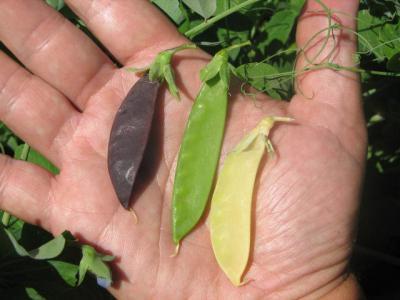
This plant species differs from the common pea. The bush has bare stems and dark purple pods, but the peas themselves are green. This variety has 8-9 seeds. Common varieties include Purple King and Purple Sugar. The product is used for fresh consumption and as a garnish for prepared dishes.
The legume group also includes the field pea variety. This plant species is distinguished by its rapid maturation and the color of its peas, which can range from green to purple.
Gardeners often ignore peas as a crop they consider unnecessary. However, they contain a large number of beneficial components that can nourish the human body and prevent the development of complex diseases.
Related posts:
 How to propagate and grow peas, cultivation technology, and care in open ground
 How to properly plant peas in a greenhouse and open ground
 Description and characteristics of the best seeds of pea varieties and types
 Recipes for canning green peas for the winter at home and storage
 Description of pea pests and diseases, treatment and control measures
 How to plant and grow peas indoors and in a greenhouse
 The health benefits and harms of peas for men and women, and recipes for treating diseases
 How to quickly sprout peas at home: benefits and harms, recipes